Overview
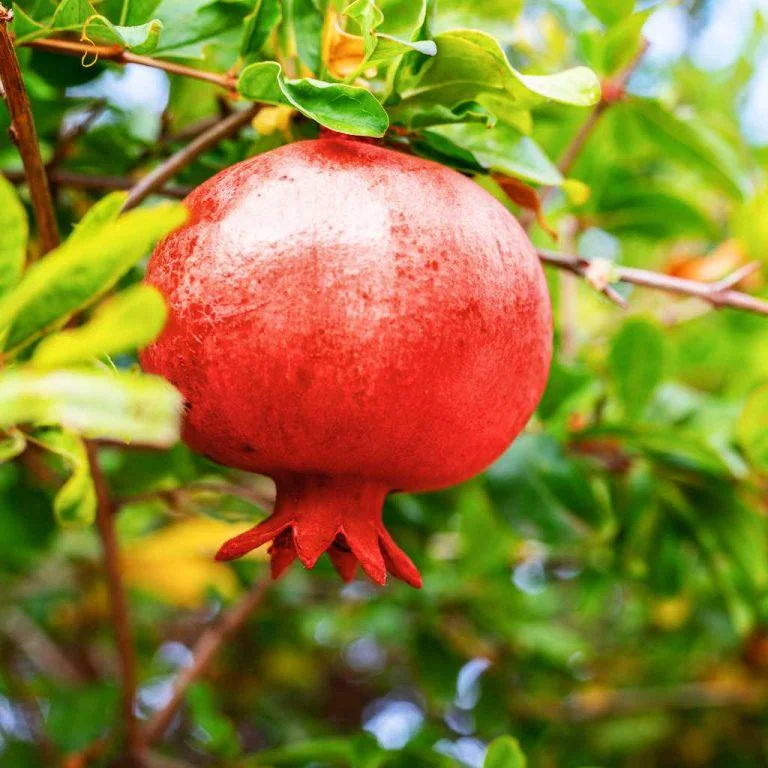
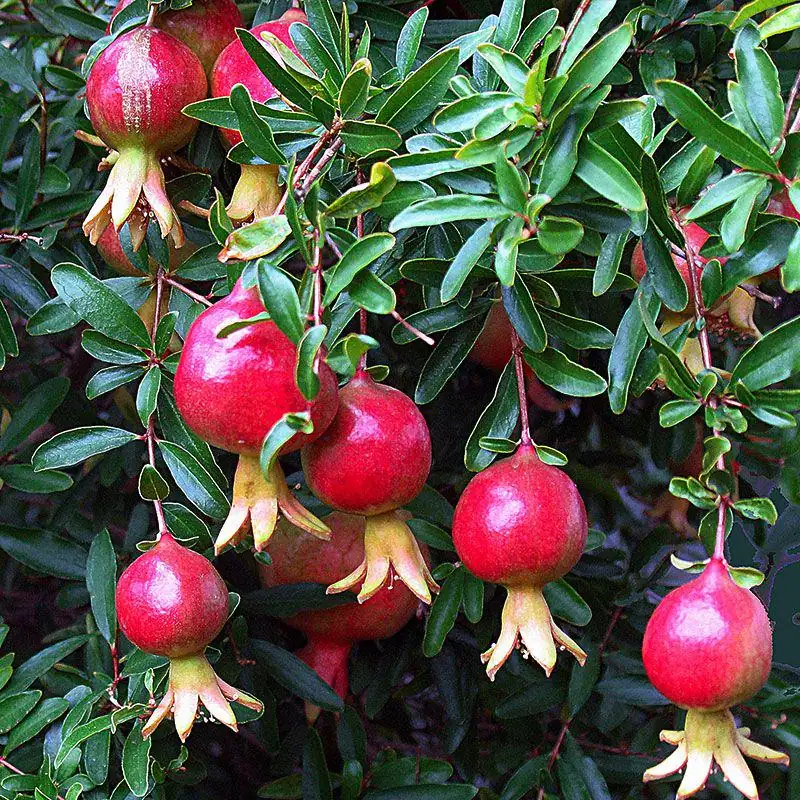
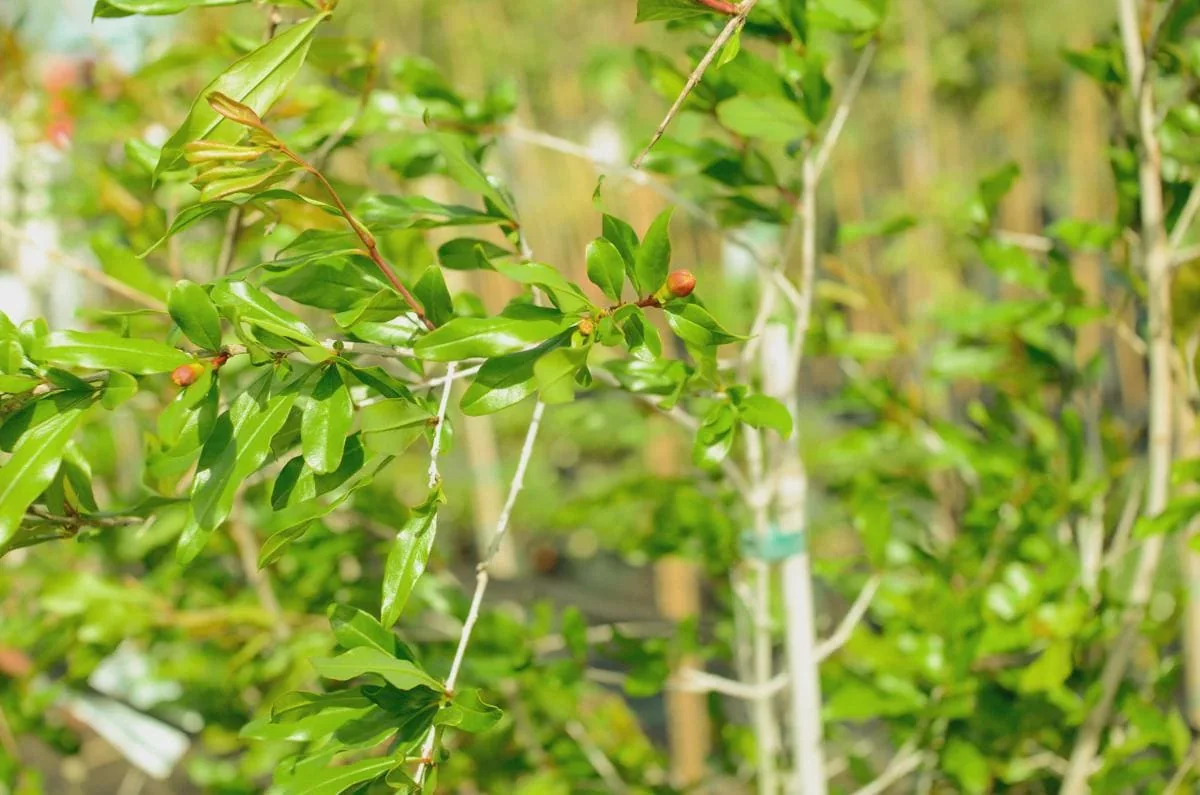
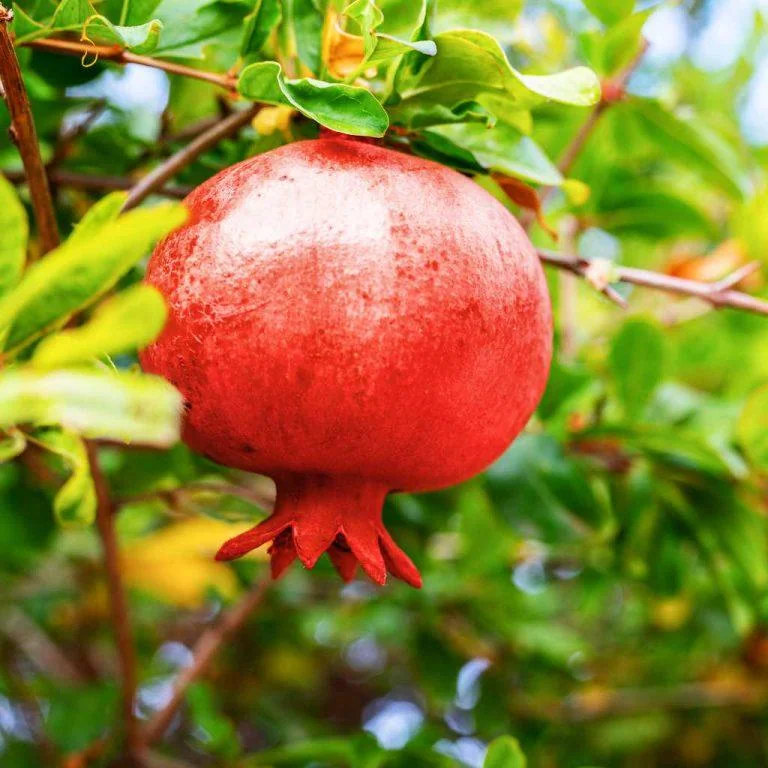
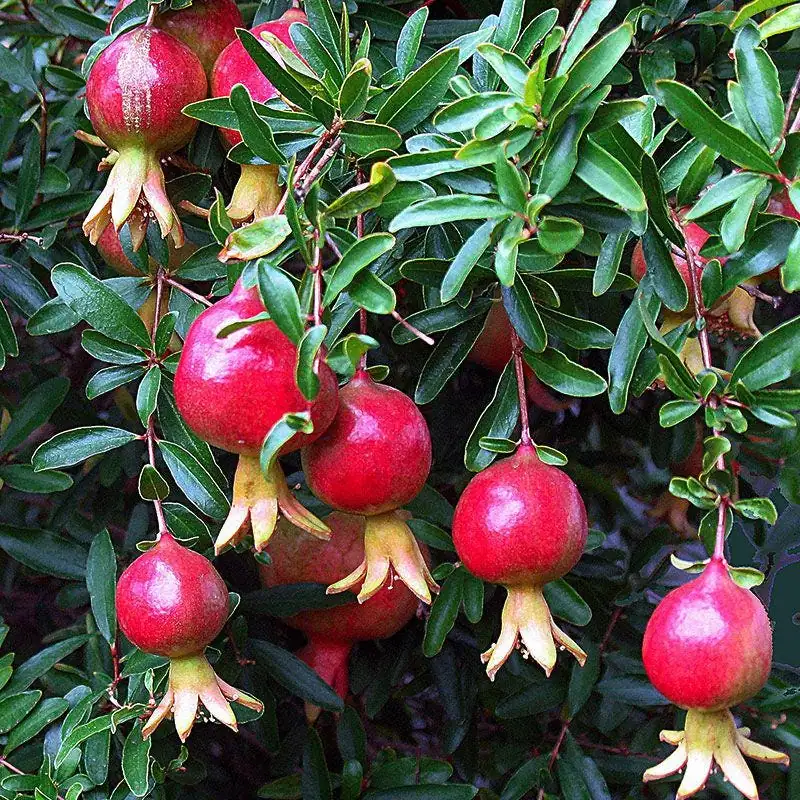
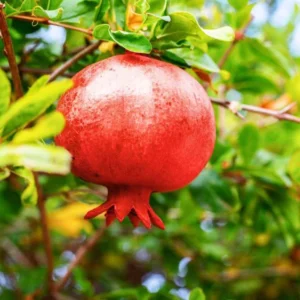
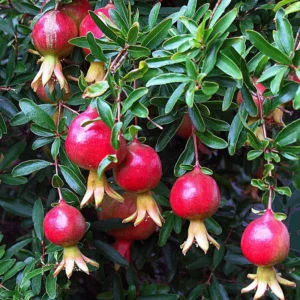
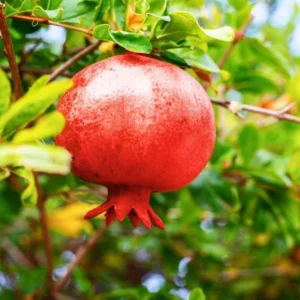
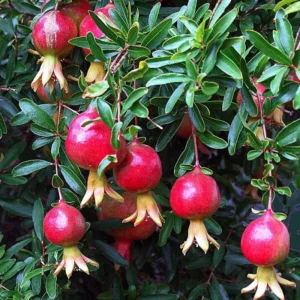
Embark on a rewarding gardening journey with the Afganski Russian pomegranate tree starter plant pack. This offering includes 5 vigorous young plants of the renowned Punica granatum ‘Afganski’ variety. Originating from Afghanistan and further developed in Russia for its remarkable resilience, this heirloom pomegranate is celebrated for its exceptional cold hardiness and consistent, abundant fruit yield. It’s an ideal choice for gardeners looking to grow pomegranates in cooler climates where traditional varieties might struggle. These plants are live, bare-root specimens, ready to be planted and establish themselves in your garden or orchard. The Afganski Russian pomegranate is not just a fruit producer; it’s also a beautiful and robust addition to any landscape, offering both ornamental value and delicious, nutritious fruit.
The ‘Afganski’ cultivar is particularly noted for its ability to thrive in a wide range of conditions, making it a versatile and reliable choice for both experienced and novice growers. Its heritage speaks to its strength and adaptability, ensuring a successful growing experience. With proper care, these starter plants will quickly mature into productive trees, providing you with a bounty of sweet and tangy pomegranates for years to come. The unique characteristics of this cold hardy pomegranate make it a standout among fruit trees.
Key Benefits
The Afganski Russian pomegranate tree offers a multitude of benefits, making it a highly desirable addition to any garden or homestead. Its unique attributes contribute to both ease of cultivation and a bountiful harvest.
- Exceptional Cold Hardiness: This variety is renowned for its ability to withstand colder temperatures than many other pomegranates, thriving in USDA zones 6–10. This significantly expands the regions where you can successfully grow pomegranates.
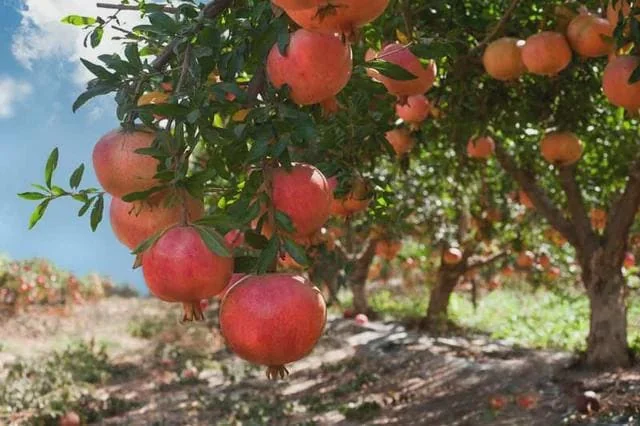
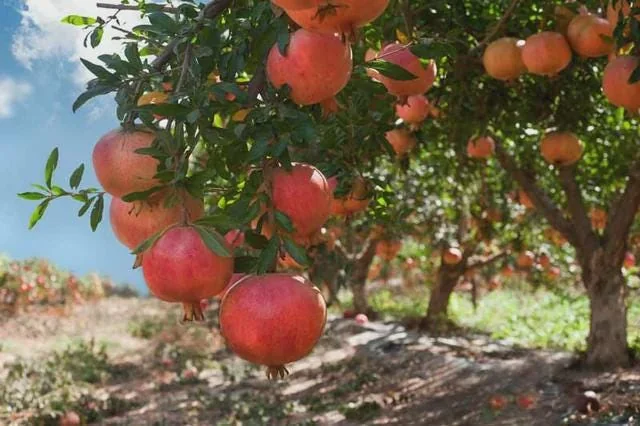
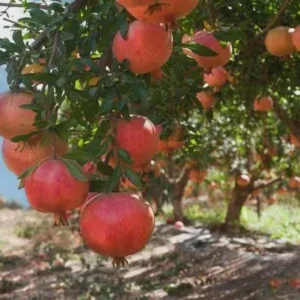
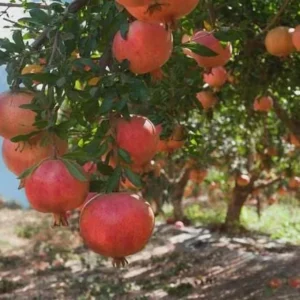
- Reliable Fruit Production: Expect consistent and abundant harvests of delicious, juicy pomegranates once the plants mature. The ‘Afganski’ cultivar is known for its prolific fruiting habits.
- Drought Resistance: Once established, these plants exhibit excellent resistance to drought, requiring less frequent watering compared to other fruit trees, making them a low-maintenance option for water-conscious gardeners.
- Vigorous Growth: The Punica granatum Afganski is a strong and healthy grower, quickly establishing itself and developing into a robust, fruit-bearing tree. Its natural vigor contributes to its overall resilience.
- Heirloom Quality: As an heirloom pomegranate plant, ‘Afganski’ brings a rich history and unique genetic qualities, ensuring authentic flavor and characteristics that have been cherished for generations.
- Adaptable to Various Climates: Selected in Russia for its ability to thrive in cooler conditions, this pomegranate is adaptable to a broader range of climates than many other varieties, offering flexibility for growers.
- Ornamental Appeal: Beyond its fruit, the pomegranate tree itself is an attractive plant, featuring glossy green leaves and vibrant, showy flowers in spring, adding beauty to your garden landscape.
Plant Care & Growing Tips
Caring for your Afganski Russian pomegranate tree starter plants is straightforward, especially given their inherent hardiness. To ensure optimal growth and fruit production, understanding their basic needs is key. These plants prefer a location that receives full sun, meaning at least 6-8 hours of direct sunlight per day. Adequate sunlight is crucial for fruit development and overall plant health. While they are adaptable, a sunny spot will yield the best results for your cold hardy pomegranate.
When it comes to watering, newly planted pomegranates require consistent moisture to establish their root systems. Water deeply and regularly, especially during dry spells, until the plants are well-established. Once mature, the ‘Afganski’ variety is notably drought-resistant, but supplemental watering during prolonged dry periods will benefit fruit quality and yield. They prefer well-draining soil and do not tolerate soggy conditions, which can lead to root rot. A slightly acidic to neutral soil pH (6.0-7.0) is ideal. Amending heavy clay soils with organic matter can improve drainage.
These Punica granatum Afganski plants are cold hardy to USDA zones 6–10. In colder parts of zone 6, providing some winter protection for young plants, such as mulching around the base, can be beneficial. Fertilize in early spring with a balanced slow-release fertilizer or an organic compost to support vigorous growth and fruit production. Pruning should be done in late winter or early spring to remove dead or crossing branches, shape the tree, and encourage air circulation. This also helps to stimulate new growth and improve fruit accessibility. Regular monitoring for pests and diseases, though generally resistant, will ensure your drought tolerant pomegranate thrives.
Size & Details
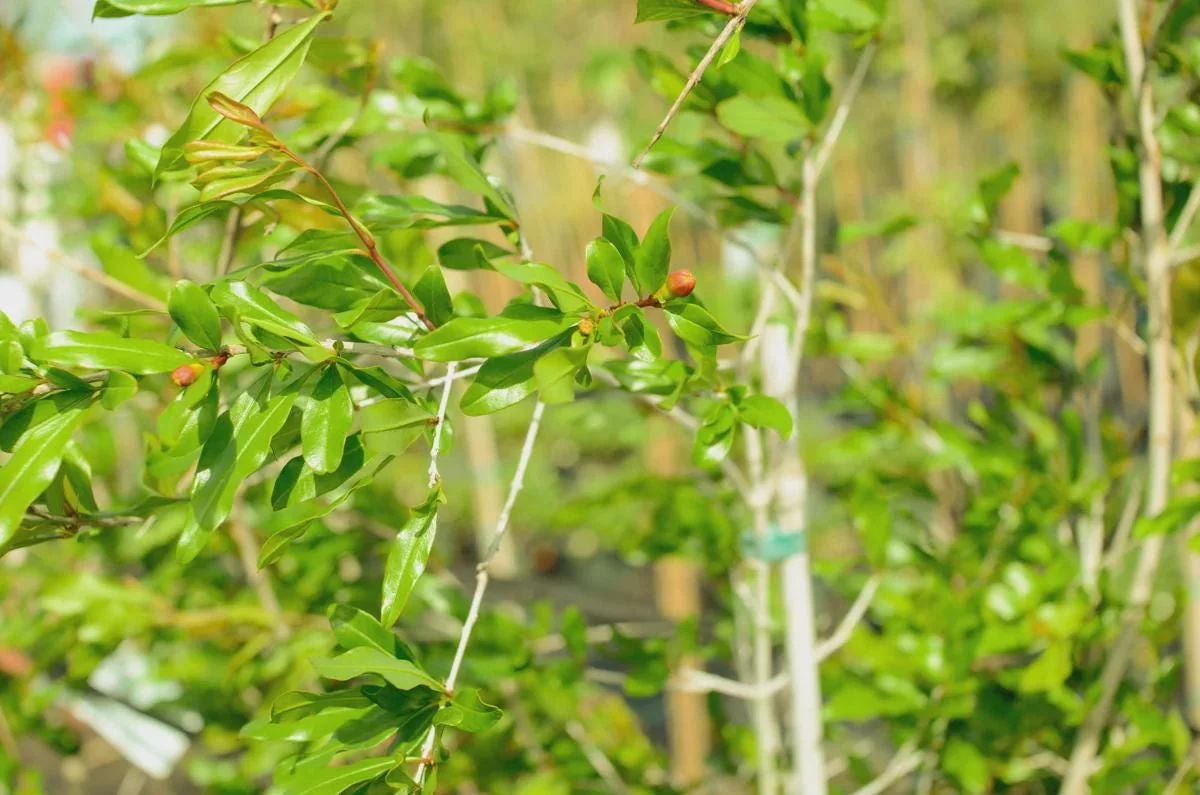
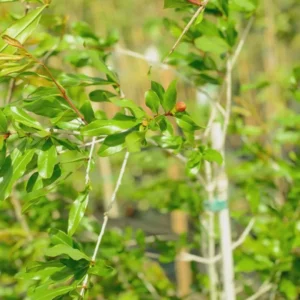
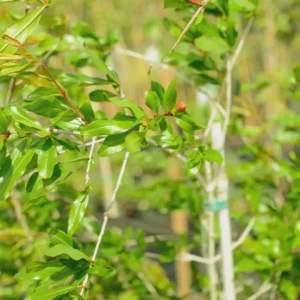
This offering includes 5 Afganski Russian pomegranate tree starter plants. These are supplied as bare-root specimens, meaning they are shipped without soil or a pot, allowing for easier transplanting and establishment in your garden. Bare-root plants typically establish quickly once planted, as their root systems are directly exposed to the soil. The exact size of the starter plants can vary but they are typically young, healthy plants ready for immediate planting upon arrival. Pomegranate trees are moderate growers, reaching a mature height of approximately 10-15 feet with a similar spread, though they can be kept smaller with regular pruning. They are generally considered mature enough to begin producing fruit within 2-3 years after planting, with full production achieved in 5-7 years. This heirloom pomegranate plant is a long-term investment, providing decades of fruit with proper care.
Frequently Asked Questions
- Q: How big do these Afganski Russian pomegranate trees get? A: A: Mature Afganski Russian pomegranate trees typically reach a height of 10-15 feet and can have a similar spread. Their size can be managed with annual pruning to suit your garden space.
- Q: Is this an indoor or outdoor plant? A: The Afganski Russian pomegranate tree is primarily an outdoor plant, especially suited for gardens in USDA zones 6-10. While young plants can be overwintered indoors in colder zones, they thrive best when planted directly in the ground or in large containers outdoors.
- Q: How much sunlight does the Punica granatum Afganski need? A: This variety requires full sun exposure, meaning at least 6-8 hours of direct sunlight per day, for optimal growth and fruit production. More sun generally leads to better fruit yield and quality.
- Q: What condition will the plants arrive in? A: The 5 Afganski Russian pomegranate tree starter plants will arrive as bare-root specimens, carefully packaged to ensure their health during transit. They will not be in pots or soil.
- Q: Can I grow this cold hardy pomegranate in a container? A: Yes, you can grow the Afganski Russian pomegranate in a large container. Choose a pot at least 15-20 gallons in size with good drainage. Container-grown plants may require more frequent watering and fertilization.
- Q: When is the best time to plant these bare-root pomegranates? A: The ideal time to plant bare-root pomegranates is in late winter or early spring, after the last frost has passed but before the plant breaks dormancy. This allows the roots to establish before the heat of summer.
- Q: What USDA zones are suitable for this drought tolerant pomegranate? A: The Afganski Russian pomegranate is known for its exceptional cold hardiness and is suitable for growing in USDA zones 6 through 10. Gardeners in zone 6 may benefit from winter protection for young plants.
- Q: Is this an heirloom variety? A: Yes, the ‘Afganski’ is indeed an heirloom pomegranate plant, valued for its historical significance, unique characteristics, and reliable performance over many generations.
- Q: How often should I water my newly planted Afganski Russian pomegranate tree? A: Newly planted trees need consistent moisture. Water deeply 2-3 times a week, especially during dry periods, for the first year until the root system is well-established. Reduce frequency once established, as it becomes more drought-tolerant.
- Q: What kind of soil does this pomegranate prefer? A: The Afganski Russian pomegranate prefers well-draining soil with a slightly acidic to neutral pH (6.0-7.0). Avoid heavy, waterlogged soils. Amending with organic matter can improve soil structure and drainage.


Reviews
There are no reviews yet.