

Overview
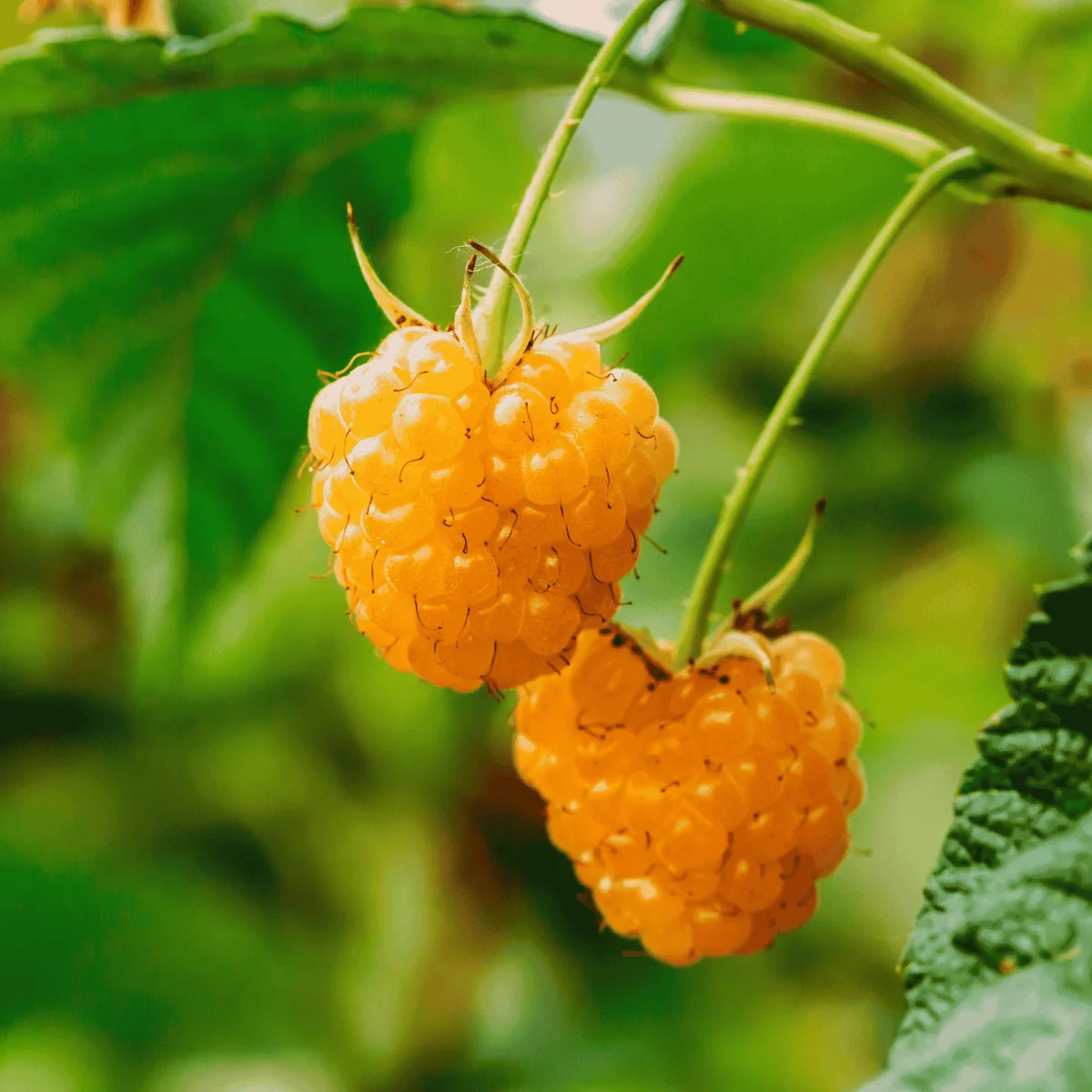
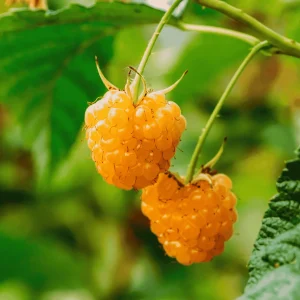
Introduce a unique and delectable fruit to your garden with our Anne raspberry bare root canes. This offering provides 5 high-quality, 1-year-old bare root canes of the renowned Anne raspberry variety. Known for its distinct golden-yellow hue and exceptionally sweet, honey-like flavor, the Anne raspberry is a true delight for any berry enthusiast. As an everbearing raspberry canes variety, it promises not one, but two harvests per year in most climates – an early summer crop followed by a generous yield in late summer to fall. These robust plants are shipped as live bare root specimens, ready for planting in spring or fall, and are an excellent choice for home gardeners looking to cultivate delicious, eye-catching fruit.
The Anne raspberry stands out not only for its unique color and taste but also for its resilience. It’s a cold-hardy and disease-resistant plant, making it a dependable and low-maintenance option for a wide range of growing conditions. Whether you’re an experienced grower or just starting your berry patch, these sweet yellow raspberries will provide reliable results and a bountiful harvest year after year. Enjoy them fresh from the cane, or transform them into exquisite preserves and desserts.
Key Benefits
Cultivating Anne raspberry bare root canes in your garden offers a multitude of advantages, from their unique flavor profile to their robust growth habits. These plants are designed to thrive and provide abundant harvests, making them a superb addition to any edible landscape.
- Exceptional Flavor: Enjoy uniquely sweet, mild, and honey-like golden berries perfect for fresh eating, desserts, or gourmet preserves. The distinct taste of these sweet yellow raspberries will elevate your culinary creations.
- Everbearing Harvests: Benefit from two distinct harvest periods – one in early summer and another from late summer to fall – ensuring a prolonged season of fresh fruit. This makes the golden raspberry plant a highly productive choice.
- Cold Hardy & Vigorous: These plants are known for their resilience, thriving in USDA Hardiness Zones 4-7, and exhibiting strong, vigorous growth. They are built to withstand colder temperatures, ensuring consistent performance.
- Disease Resistant: The Anne raspberry variety boasts natural resistance to many common raspberry diseases, reducing the need for extensive chemical treatments and making raspberry plant care simpler.
- Versatile Use: Ideal for planting in traditional rows, raised beds, or as an attractive and productive component of an edible landscape. Their vibrant color adds visual appeal to any garden setting.
- Established Canes: Shipped as 1-year-old bare root canes, these plants are well-established and ready to quickly adapt to their new environment, leading to faster fruit production.
- High Yield Potential: With proper care, these everbearing raspberry canes are highly productive, providing a generous supply of delicious berries for your family.
Plant Care & Growing Tips
Successful cultivation of your Anne raspberry bare root canes begins with proper planting and consistent care. These plants are relatively easy to grow, especially with attention to their basic needs. Plant your bare root canes in early spring or late fall, ensuring the roots are well-spread in the planting hole and covered with soil up to the crown. Water thoroughly after planting to settle the soil around the roots. The ideal spacing for these golden raspberry plant specimens is 2-3 feet between plants within a row, with rows spaced 6-8 feet apart to allow for good air circulation and easy harvesting.
Raspberries thrive in full sun, requiring at least 6-8 hours of direct sunlight daily for optimal fruit production. The soil should be well-drained and slightly acidic, with a pH range of 6.0-6.5. Amend heavy clay soils with organic matter like compost to improve drainage. Consistent moisture is crucial, especially during fruiting. Aim for 1-1.5 inches of water per week, either from rainfall or irrigation. Mulching with straw or bark around the base of the plants helps to retain soil moisture, suppress weeds, and regulate soil temperature, simplifying your raspberry plant care routine. Trellising is highly recommended for these everbearing raspberry canes to provide support, improve air circulation, and make harvesting easier.
Pruning is essential for maximizing yields and maintaining plant health. For the two-crop method, remove spent floricanes (canes that have fruited) after the summer harvest. For a fall-only crop, cut all canes down to ground level in late winter before new growth begins. Fertilize in early spring with a balanced slow-release fertilizer designed for berries. Monitor for common pests and diseases, though Anne raspberries are generally quite resistant. With these guidelines, your sweet yellow raspberries will flourish, providing bountiful harvests for years to come.
Size & Details
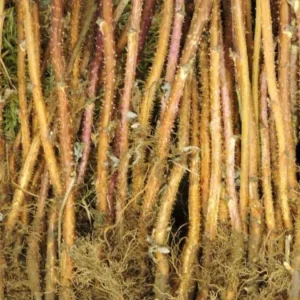
This offering includes 5 individual Anne raspberry bare root canes. Each cane is a vigorous 1-year-old plant, carefully selected for health and readiness to establish in your garden. As bare root plants, they are shipped without soil, making them lightweight and easy to plant upon arrival. Once established, these golden raspberry plant varieties typically grow to a mature height of 4-6 feet, with a spread of 2-3 feet per plant, forming a productive bush. The canes are robust and will require trellising or other support systems to manage their growth and facilitate easier harvesting of the sweet yellow raspberries.
The Anne raspberry is an everbearing variety, meaning it produces fruit on both floricanes (second-year canes) and primocanes (first-year canes). This characteristic contributes to its two distinct harvest periods: an early summer crop on floricanes and a late summer to fall crop on primocanes. The growth rate is vigorous, and with proper raspberry plant care, you can expect fruit production to begin in the first or second year after planting. These everbearing raspberry canes are a long-term investment, providing a continuous supply of delicious golden berries for many seasons.
Frequently Asked Questions
- Q: How big do these Anne raspberry plants get? A: Once established, Anne raspberry bare root canes typically grow to a height of 4-6 feet and will spread about 2-3 feet wide per plant. Providing support with a trellis is recommended for optimal growth and fruit production.
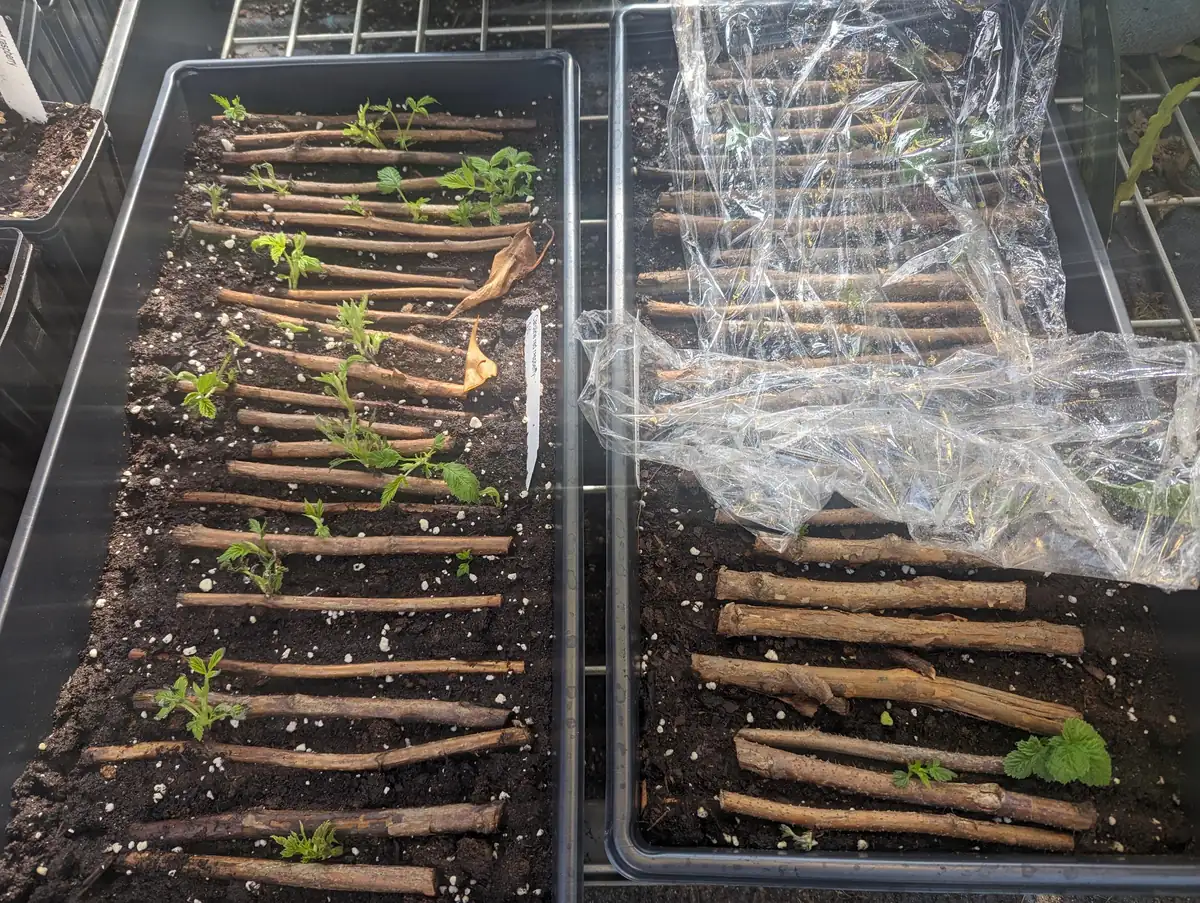
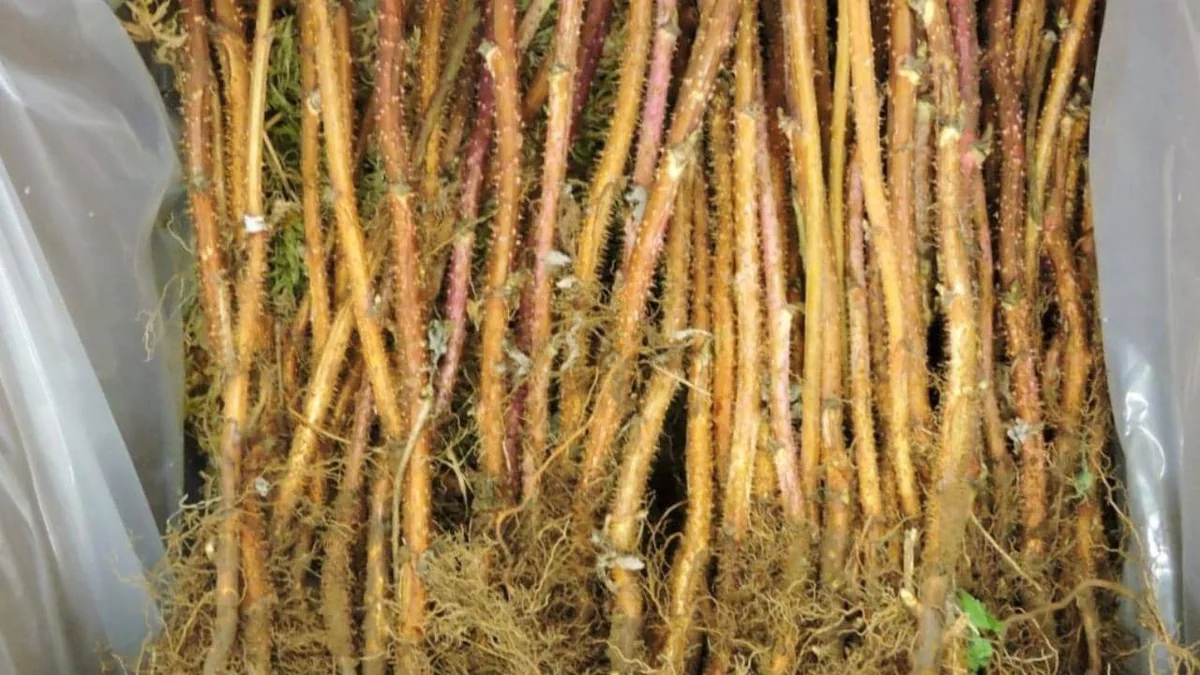
- Q: What condition will the bare root canes arrive in? A: Your 5 Anne raspberry bare root canes will arrive dormant, without soil. They are carefully inspected before shipping to ensure they are healthy, 1-year-old plants ready for spring or fall planting.
- Q: How much sunlight does this golden raspberry plant need? A: The Anne raspberry thrives in full sun, requiring a minimum of 6-8 hours of direct sunlight each day for the best fruit development and sweetest sweet yellow raspberries.
- Q: Is this plant easy to care for, especially for beginners? A: Yes, Anne raspberries are considered relatively easy to care for. They are cold-hardy and disease-resistant, making them a dependable choice for both experienced and novice gardeners interested in raspberry plant care.
- Q: When is the best time to plant these everbearing raspberry canes? A: The best times to plant bare root Anne raspberry canes are in early spring after the last frost, or in the fall before the ground freezes, allowing them to establish their root system.
- Q: What USDA Hardiness Zones are suitable for Anne raspberries? A: Anne raspberries are cold-hardy and are recommended for USDA Hardiness Zones 4 through 7, where they can reliably produce two crops per year.
- Q: Can I grow these raspberries in containers? A: While possible, growing everbearing raspberry canes in containers requires very large pots (at least 15-20 gallons) and diligent watering and fertilization. They perform best when planted directly in the ground.
- Q: How long until I can harvest fruit from these Anne raspberry bare root canes? A: You may see a small harvest of sweet yellow raspberries in the first year, particularly in the fall. Full production typically begins in the second year after planting, with two abundant harvests annually.
- Q: What type of soil is best for a golden raspberry plant? A: Anne raspberries prefer well-drained, slightly acidic soil with a pH between 6.0 and 6.5. Amending with organic matter can improve soil structure and fertility.
- Q: Do these raspberry plants need trellising or support? A: Yes, trellising is highly recommended for these everbearing raspberry canes. It helps support the fruit-laden canes, improves air circulation, and makes harvesting the sweet yellow raspberries much easier.


Reviews
There are no reviews yet.