Overview
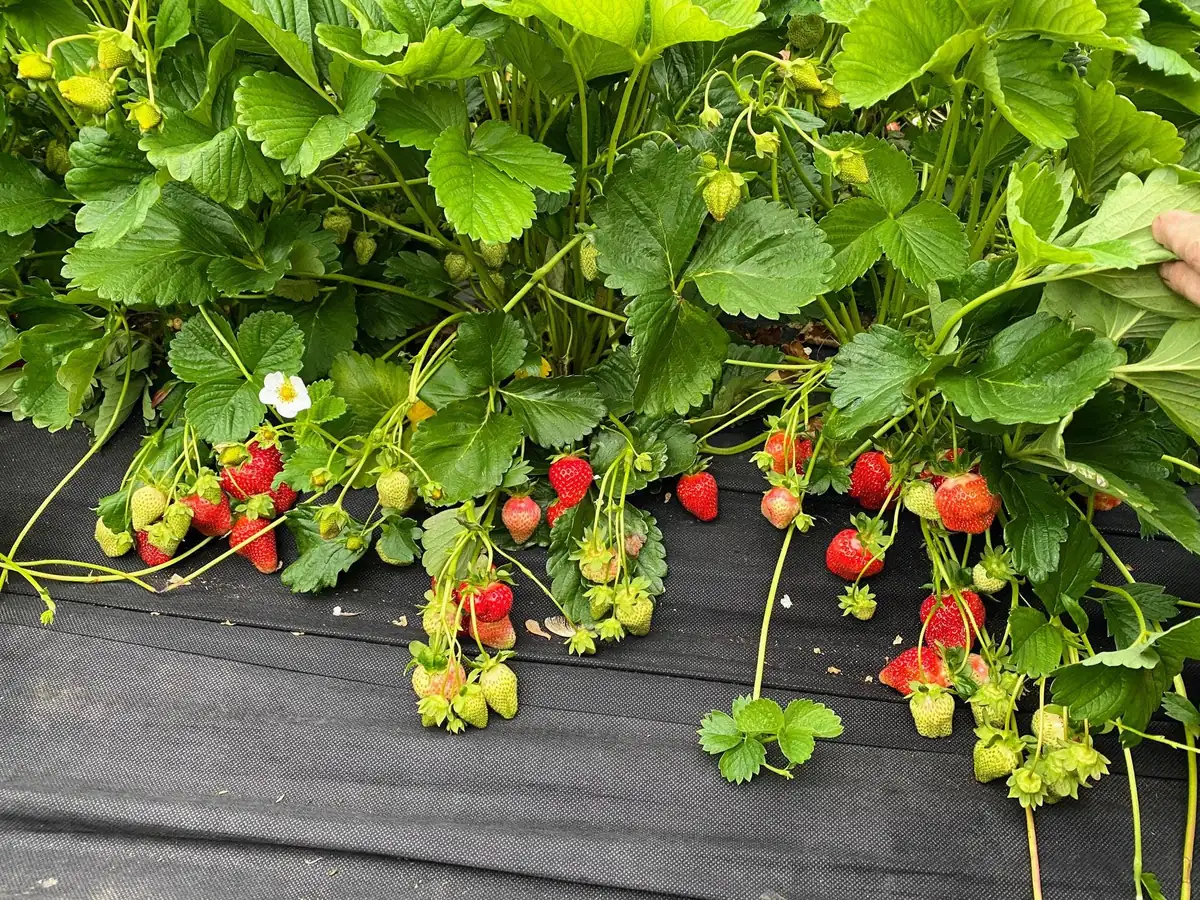
Bring the joy of home-grown fruit to your garden with these Chandler strawberry bare roots. The ‘Chandler’ variety, scientifically known as Fragaria × ananassa ‘Chandler’, is celebrated for its exceptional qualities, making it a favorite among gardeners. These particular bare roots are ready to be planted and establish themselves quickly, promising a bountiful harvest of delicious strawberries. Known as a June-bearing type, you can anticipate a concentrated, high-yielding crop over a 2-3 week period, typically in late spring to early summer. Whether you’re a seasoned gardener or just starting out, growing your own Chandler strawberry plant from bare roots is a rewarding experience that provides fresh, flavorful berries right from your backyard.
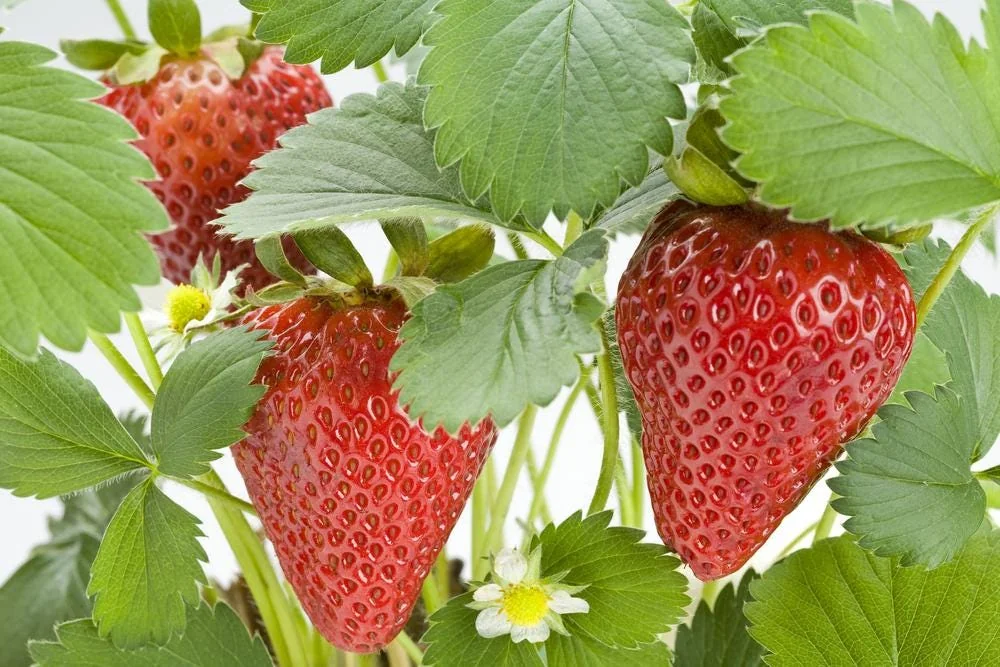
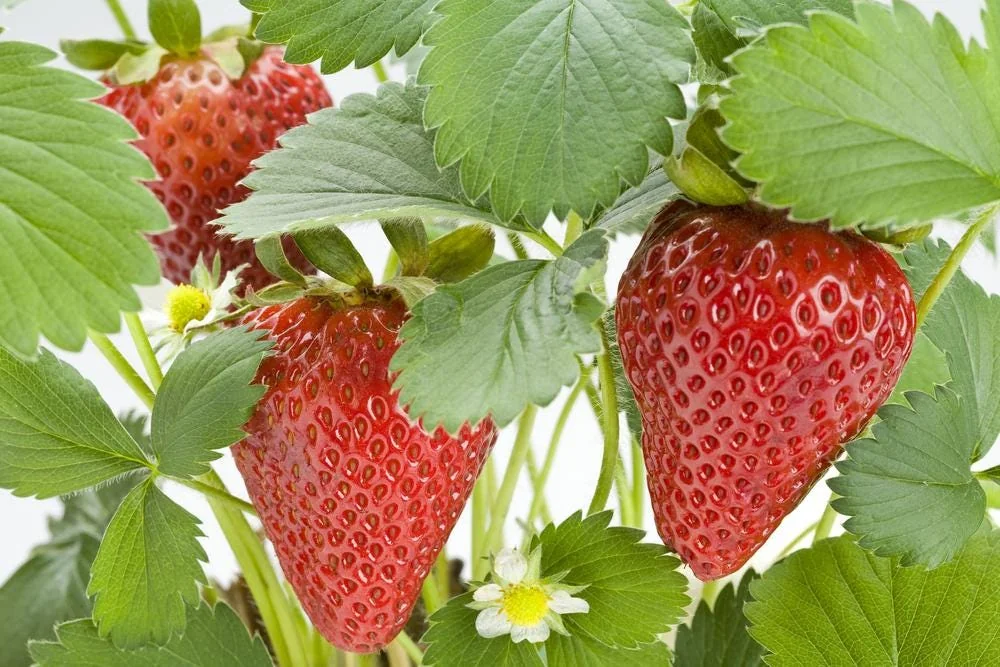
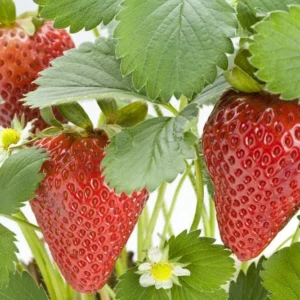
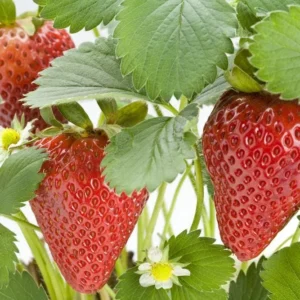
The ‘Chandler’ strawberry is renowned for its large size, vibrant red color, and incredibly sweet, firm texture. This makes them not only excellent for fresh consumption but also ideal for making jams, jellies, pies, and other culinary delights. These plants are robust and well-suited for a wide range of climates, thriving particularly well in USDA Zones 5 to 8. They exhibit good disease resistance and are known for their vigorous growth, ensuring a productive patch for years to come. If you’re looking to grow strawberries that are both high in quality and quantity, the ‘Chandler’ variety is an outstanding choice.
Key Benefits
Investing in Chandler strawberry bare roots offers numerous advantages for any home gardener looking to enjoy fresh, homegrown fruit. These benefits extend from the ease of cultivation to the quality of the harvest.
- Exceptional Fruit Quality: The primary benefit is the superior taste and texture of the berries. ‘Chandler’ strawberries are large, incredibly sweet, and firm, making them perfect for eating fresh, baking, or preserving. Their rich flavor surpasses most store-bought varieties.
- High Yielding: As a June-bearing variety, ‘Chandler’ is known for producing a significant amount of fruit in a concentrated harvest period. This means you’ll have an abundance of berries to enjoy and share.
- Adaptable & Resilient: These plants are well-adapted to a range of growing conditions, particularly thriving in Southern regions and USDA Zones 5-8. They demonstrate good vigor and can withstand various environmental pressures, providing a reliable crop.
- Easy to Grow from Bare Roots: Starting with Chandler strawberry bare roots is an economical and effective way to establish a strawberry patch. Bare roots are often more resilient and quicker to establish than potted plants, allowing them to focus their energy on root development.
- Versatile Culinary Use: Beyond fresh eating, the firm texture of ‘Chandler’ strawberries makes them excellent for freezing, canning, or making delicious desserts, jams, and sauces. You’ll never run out of ways to enjoy your harvest.
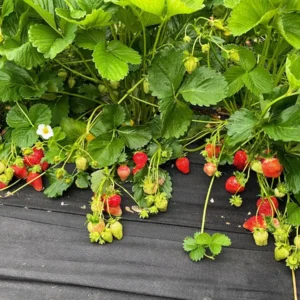
- Attractive Garden Addition: Beyond their functional purpose, strawberry plants with their green foliage and bright red fruits add a charming aesthetic to garden beds, containers, or hanging baskets.
- Sustainable Gardening: Growing your own June-bearing strawberry plants reduces your carbon footprint and provides a fresh, organic food source, free from pesticides and chemicals often found in commercially grown produce.
Plant Care & Growing Tips
Caring for your Chandler strawberry plant is relatively straightforward, especially once established. For optimal growth and a bountiful harvest, understanding their specific needs is crucial. These plants prefer a location with full sun, meaning at least 6-8 hours of direct sunlight per day. Adequate sunlight is essential for fruit development and sweetness. If you’re in a very hot climate, some afternoon shade can prevent scorching, but generally, more sun equals more berries. Ensure the planting site has good air circulation to reduce the risk of fungal diseases.
Soil preparation is key for a successful strawberry patch. ‘Chandler’ strawberries thrive in well-draining, fertile soil with a slightly acidic pH between 5.5 and 6.5. Amend heavy clay soils with organic matter like compost or aged manure to improve drainage and nutrient content. For sandy soils, organic matter will help retain moisture. When planting your Chandler strawberry bare roots, dig a hole large enough to spread the roots out without bending them upwards. The crown (where the roots meet the leaves) should be at soil level, not buried too deep or exposed too much. Space plants about 12-18 inches apart in rows, with rows 3-4 feet apart to allow for runner development and easy harvesting.
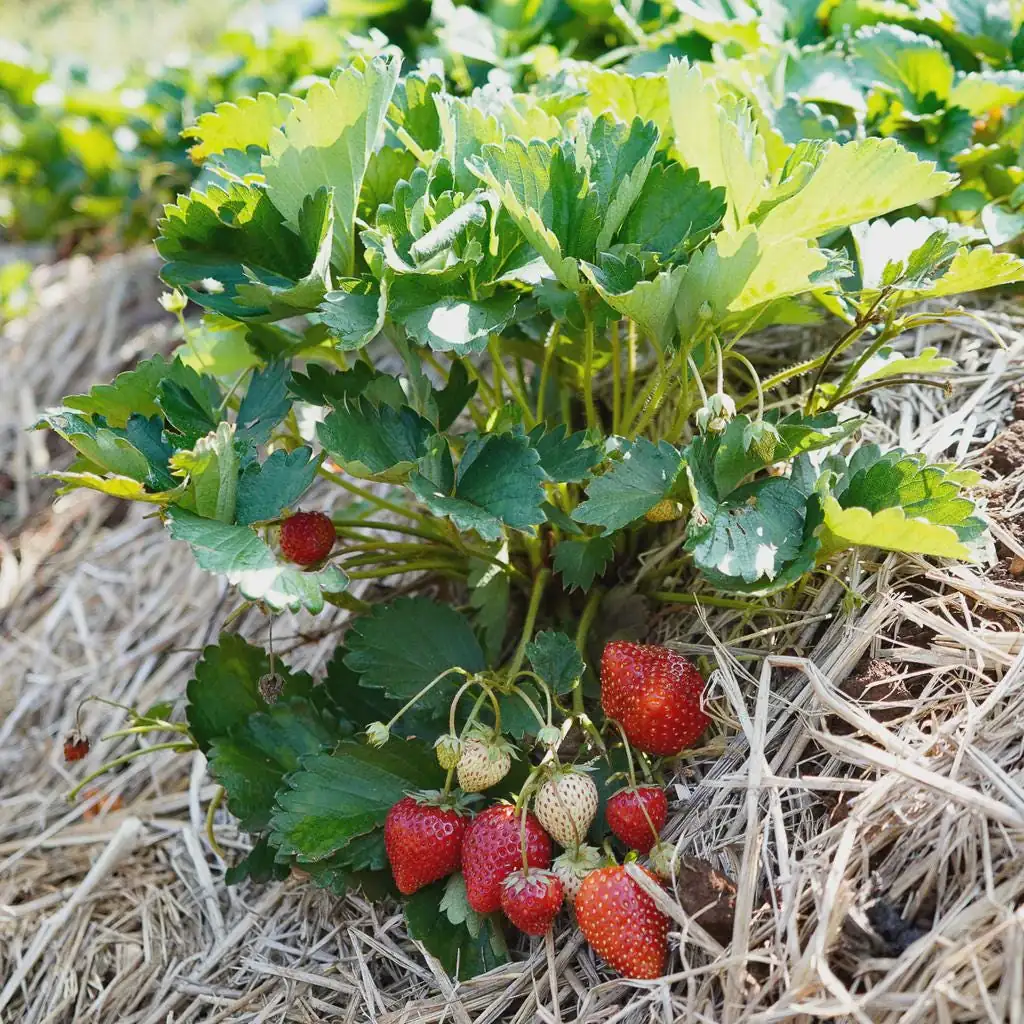
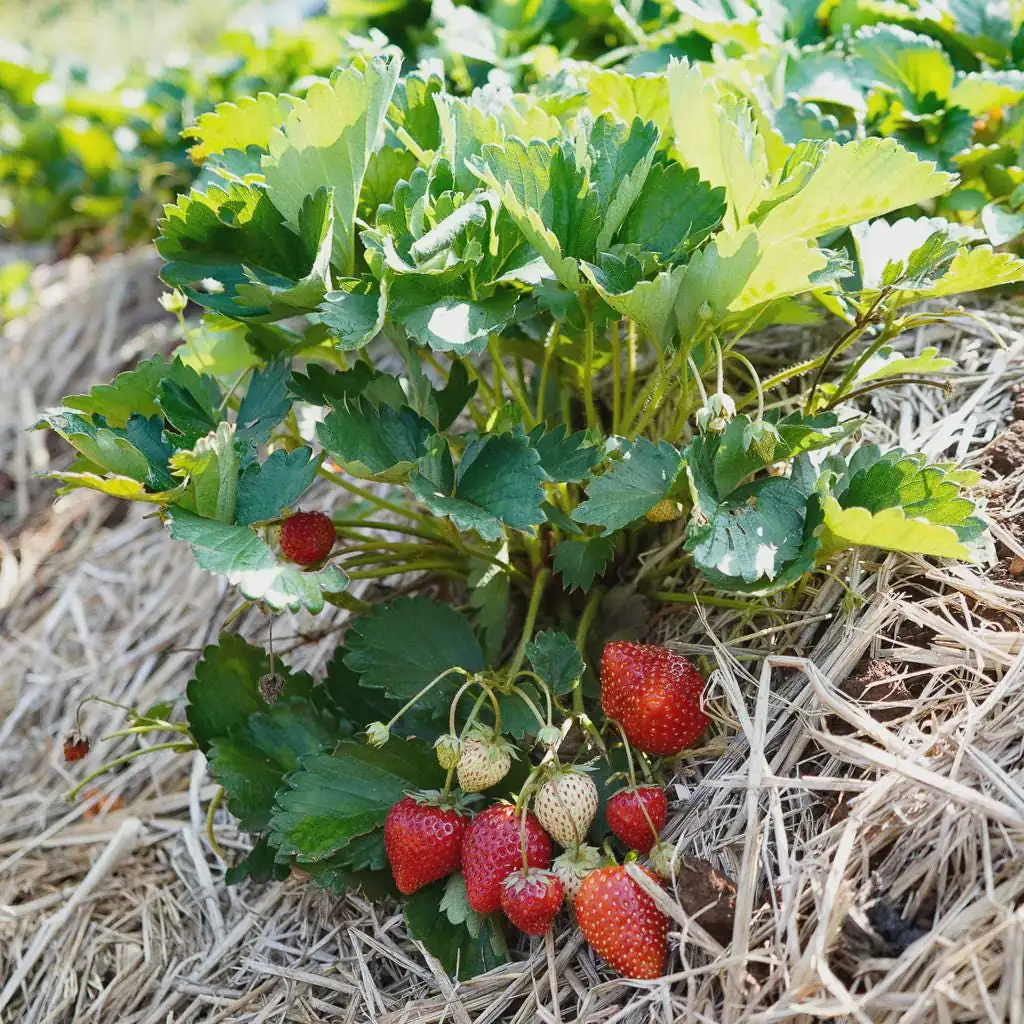
Watering is critical, particularly during establishment and fruit development. Keep the soil consistently moist but never waterlogged. Deep watering is better than frequent shallow watering, encouraging deeper root growth. Fertilize with a balanced slow-release fertilizer in early spring and again after the main harvest. Avoid high-nitrogen fertilizers during fruiting, as this can lead to excessive foliage growth at the expense of berries. Protect your plants from pests and diseases by practicing good garden hygiene, removing any diseased leaves, and monitoring for common strawberry issues. In colder zones, apply a layer of straw mulch over the plants in late fall to protect them from winter damage, removing it gradually in early spring as new growth emerges. Learning to grow strawberries successfully will provide years of enjoyment.
Size & Details
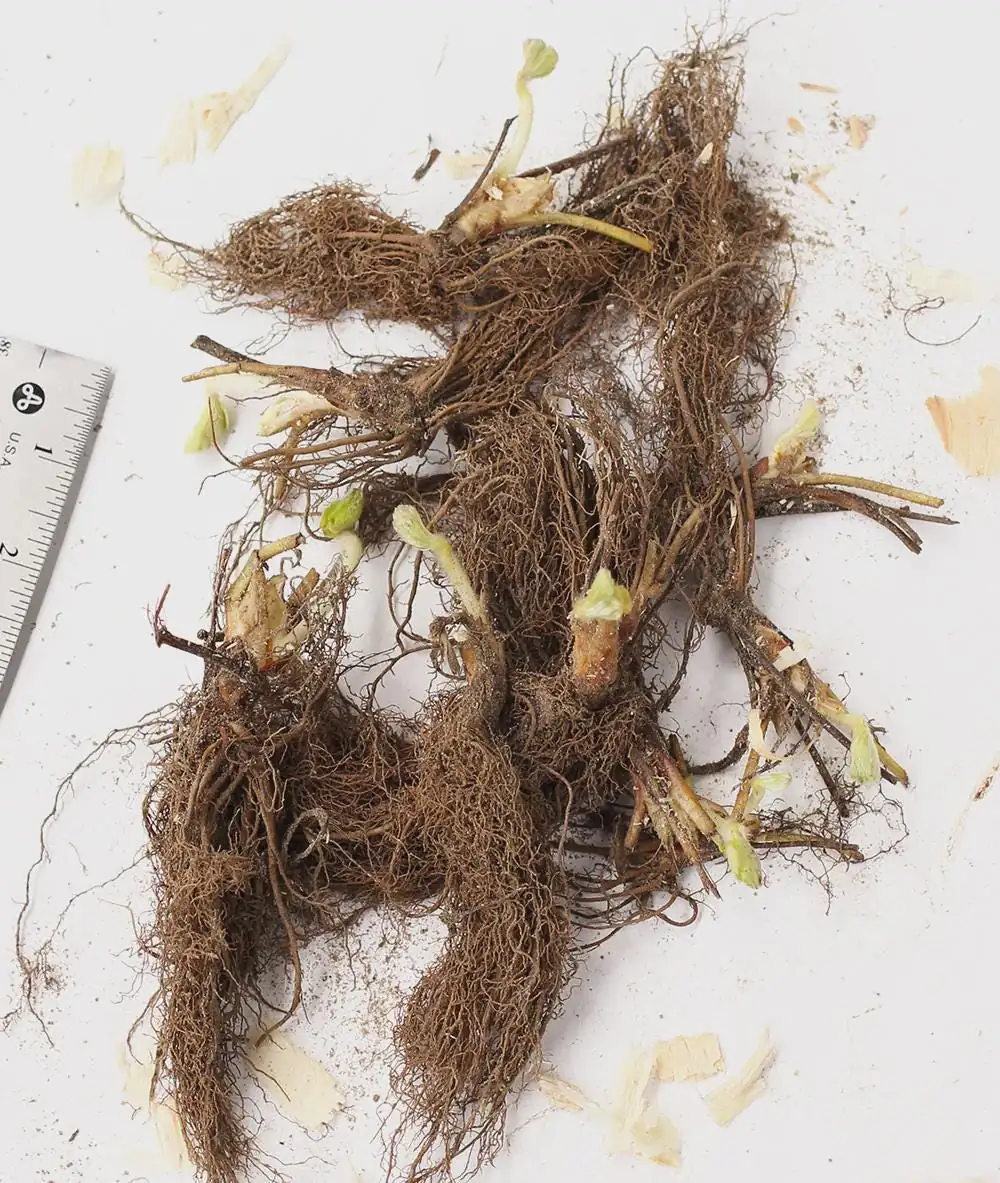
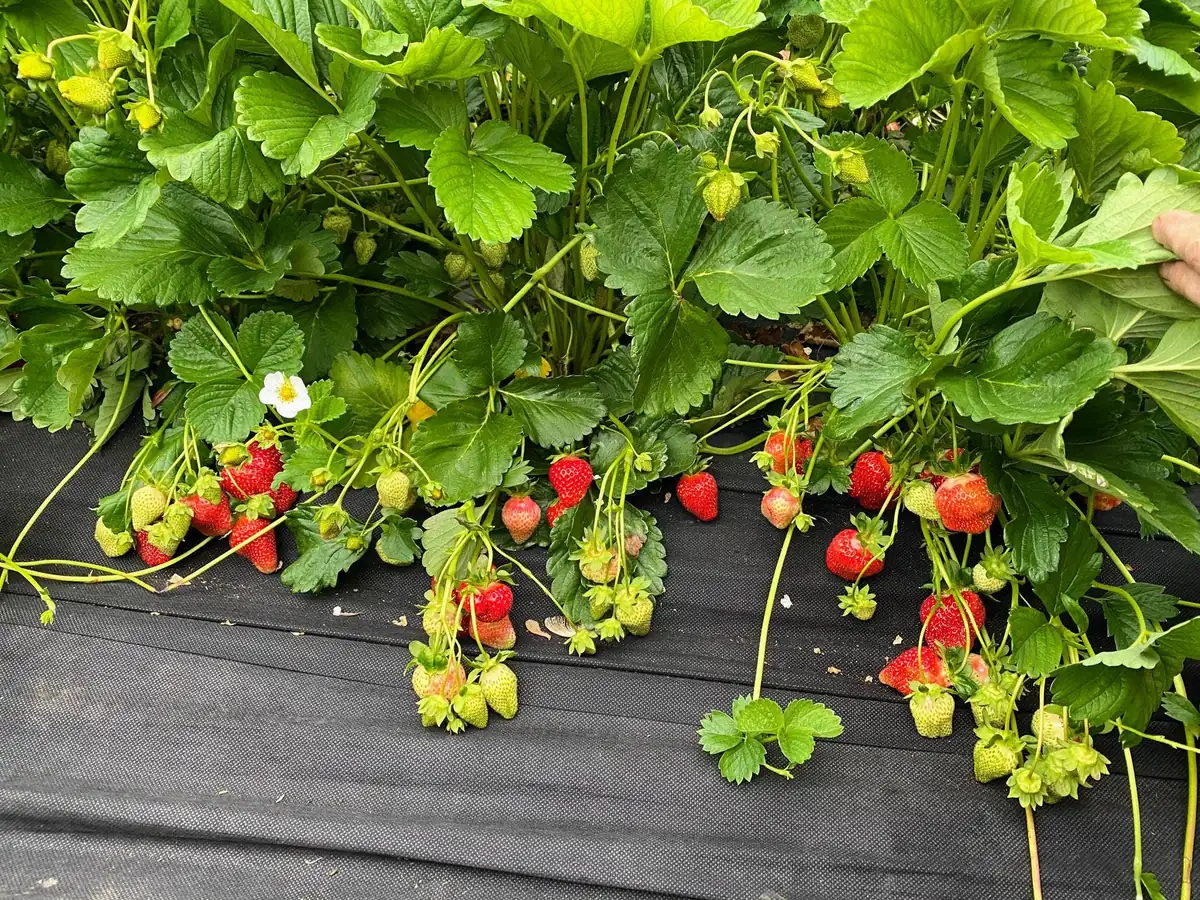
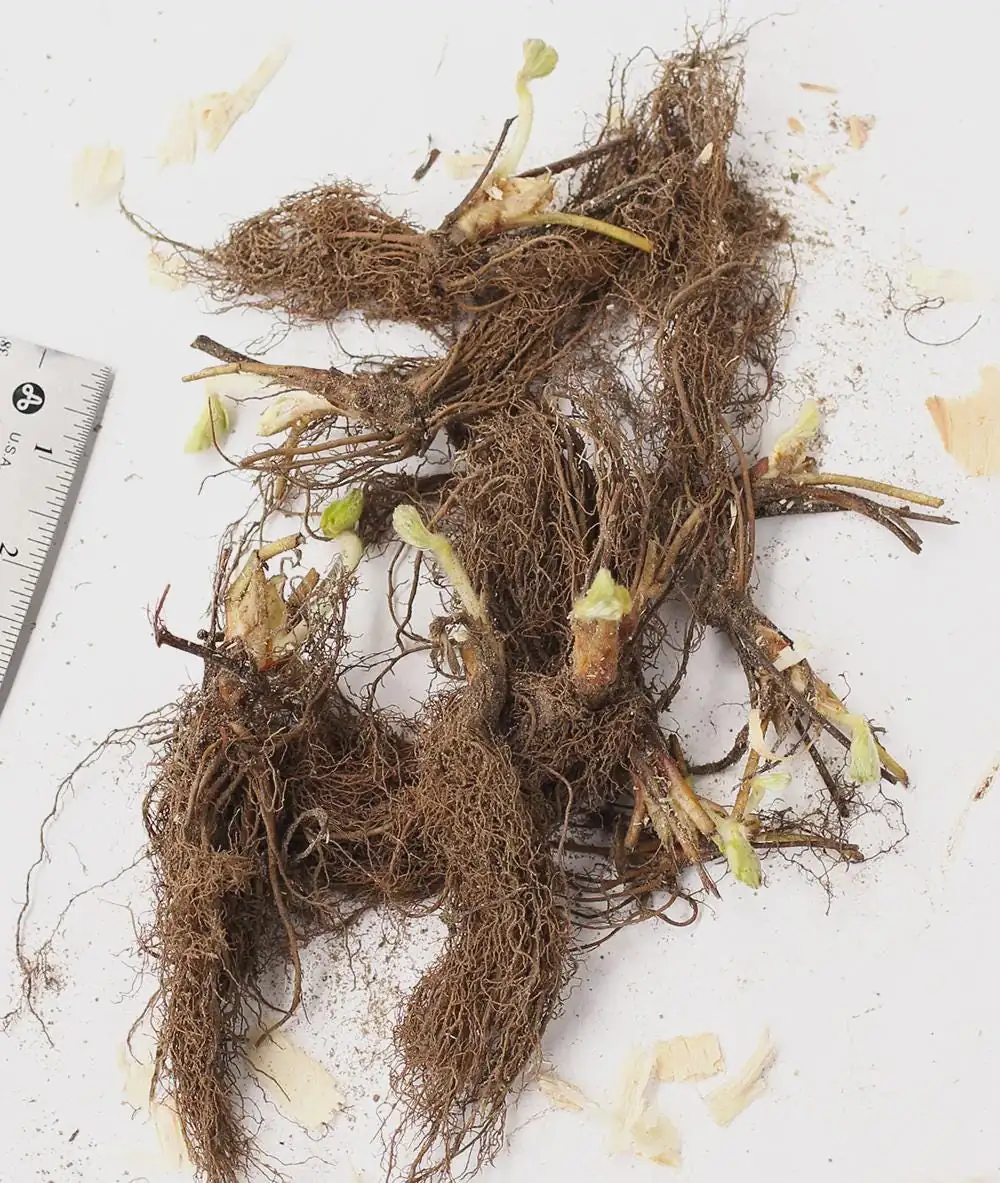
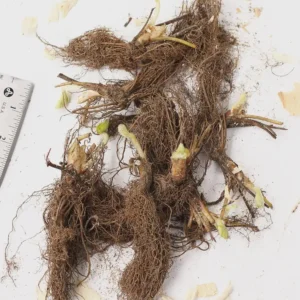
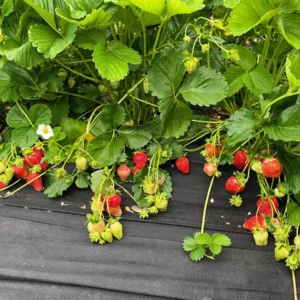
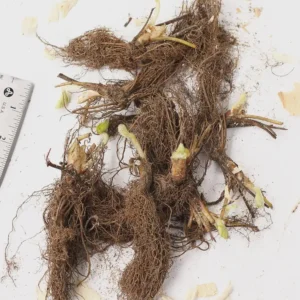
This offering includes 5 Chandler strawberry bare roots, ready for planting. Each bare root is dormant, meaning it is not actively growing foliage or fruit, but contains all the necessary energy stored in its roots to begin vigorous growth once planted. These are healthy, robust root systems designed to establish quickly in your garden. As a June-bearing variety, the ‘Chandler’ strawberry plant will produce runners, which are horizontal stems that develop new plantlets. These can be allowed to root and expand your patch, or they can be clipped to encourage larger fruits on the parent plant.
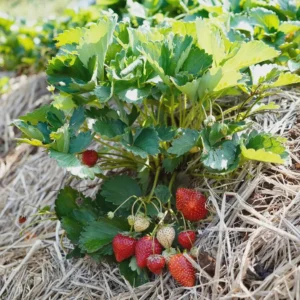
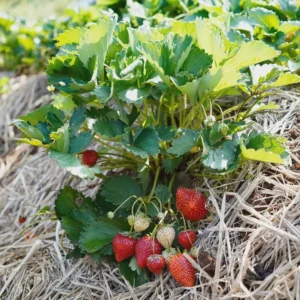
Once established, a mature Chandler strawberry plant typically reaches a height of 6-12 inches and spreads about 12-18 inches wide, depending on growing conditions and how runners are managed. The berries themselves are known for their impressive size, often larger than many other varieties. Expect your first significant harvest in the late spring to early summer following planting, with peak production occurring over a 2-3 week window. These bare roots are delivered without pots or soil, providing an economical and efficient way to start or expand your strawberry garden. This is an excellent opportunity to acquire a popular and productive June-bearing strawberry variety.
Frequently Asked Questions
- Q: How big does this Chandler strawberry plant get? A: A mature ‘Chandler’ strawberry plant typically reaches a height of 6-12 inches and spreads about 12-18 inches wide. The size can vary based on growing conditions and whether runners are allowed to grow.
- Q: What condition will the Chandler strawberry bare roots arrive in? A: The bare roots will arrive dormant, without foliage or soil. They are packaged to maintain viability during transit and are ready for immediate planting upon arrival.
- Q: Is this an indoor or outdoor plant? A: The ‘Chandler’ strawberry is primarily an outdoor plant, best suited for garden beds, raised beds, or large containers where it can receive full sun and produce fruit. It thrives as an outdoor June-bearing strawberry.
- Q: How much sunlight does it need to grow strawberries effectively? A: For optimal fruit production and sweetness, ‘Chandler’ strawberry plants require at least 6-8 hours of direct sunlight per day. Full sun exposure is highly recommended.
- Q: Is this plant easy to care for? Is it good for beginners? A: Yes, ‘Chandler’ strawberries are considered relatively easy to care for and are an excellent choice for beginner gardeners. With proper planting and consistent watering, they are quite forgiving and productive.
- Q: How long until it produces fruit? A: If planted in early spring, you can expect your first harvest of berries in late spring to early summer of the same year, though the first year’s yield might be smaller. Full production usually begins in the second year.
- Q: Will it survive winter in my zone? A: ‘Chandler’ strawberries are hardy in USDA Zones 5 to 8. In colder zones (5-6), winter protection with straw mulch is recommended to ensure survival and health through the dormant season.
- Q: What is the best way to plant Chandler strawberry bare roots? A: Plant with the crown (where roots meet the stem) at soil level, spreading the roots out. Ensure the soil is well-draining and rich in organic matter. Water thoroughly after planting.
- Q: Can I use these strawberries for making jam? A: Absolutely! ‘Chandler’ strawberries are renowned for their firm texture and sweet flavor, making them ideal for jams, jellies, pies, and other preserves. They are a perfect choice if you want to grow strawberries for culinary uses.
- Q: Do these plants produce runners? A: Yes, ‘Chandler’ is a vigorous producer of runners. You can allow these to root to expand your strawberry patch, or trim them to focus the plant’s energy on fruit production.


Reviews
There are no reviews yet.