






Overview
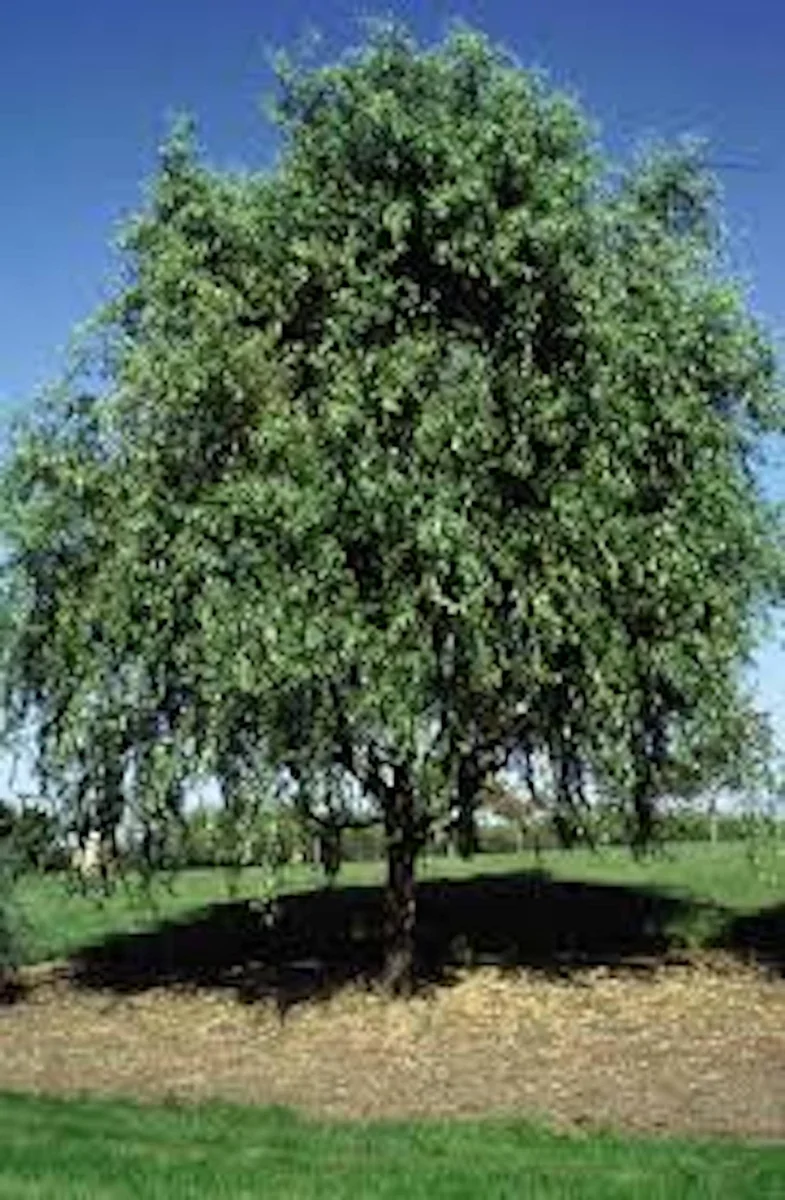
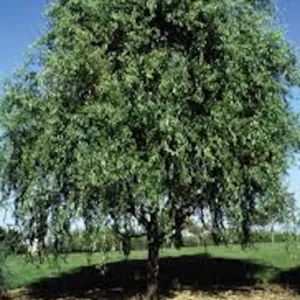
Transform your landscape with the captivating beauty of the corkscrew willow tree (Salix matsudana ‘Tortuosa’). This offer includes five 2-3 ft bare root starter trees, ready to establish in your garden. Known for its uniquely contorted and spiraling branches, the corkscrew willow tree provides exceptional visual interest, especially during the winter months when its striking silhouette is most prominent. Also commonly referred to as the twisted willow tree, this deciduous species is a fast-growing specimen, making it an excellent choice for quickly adding character and shade to any outdoor space. Its distinctive form sets it apart from other ornamental trees, creating a focal point in any garden design.
The Salix matsudana ‘Tortuosa’ is a robust and adaptable plant, suitable for a variety of growing conditions across numerous USDA hardiness zones. These bare root willow starters are an economical and effective way to cultivate these magnificent trees, allowing them to establish strong root systems from the outset. Whether you’re looking to create a dramatic garden feature, add a unique element to a waterside planting, or simply enjoy its unusual form, the corkscrew willow tree is a superb choice for both novice and experienced gardeners alike. Its ease of care and rapid growth make it a rewarding addition to any landscape project.
Key Benefits
The corkscrew willow tree offers a multitude of benefits that make it a highly desirable addition to any garden. Its unique characteristics provide both aesthetic appeal and practical advantages for your outdoor environment. Investing in a corkscrew willow tree means investing in long-term beauty and garden interest.
- Unique Ornamental Appeal: The most striking feature of the salix matsudana tortuosa is its distinctively twisted, spiraling branches, which provide architectural interest year-round, particularly in winter. These contorted limbs create a dramatic silhouette against a snowy backdrop or a clear sky.
- Fast Growth Rate: This variety is known for its rapid growth, quickly reaching its mature size to provide shade or a significant visual element in a relatively short period. This makes it ideal for new gardens or those looking for quick impact.
- Adaptable to Various Soils: Corkscrew willow trees are highly tolerant of different soil conditions, thriving in moist, well-drained soils, including clay, loam, and sandy types. They can even tolerate wet conditions, making them suitable for areas prone to dampness.
- Low Maintenance: Once established, the corkscrew willow tree requires minimal care, making it an excellent choice for gardeners seeking a beautiful yet undemanding specimen. Regular watering during dry spells and occasional pruning are generally sufficient.
- Winter Interest: After the leaves drop in autumn, the intricate pattern of the twisted branches becomes fully visible, offering exceptional winter interest when many other plants are dormant. This ensures your garden remains captivating throughout the colder months.
- Wildlife Habitat: Like many willows, the twisted willow tree can provide shelter and nesting sites for various bird species, contributing to local biodiversity. Its dense foliage in summer offers a cool retreat for small animals.
- Erosion Control: Due to its robust root system and preference for moist conditions, the corkscrew willow tree can be an effective plant for stabilizing soil along stream banks or in areas prone to erosion.
Plant Care & Growing Tips
Caring for your corkscrew willow tree is relatively straightforward, thanks to its adaptable nature. To ensure your bare root starters thrive and develop into magnificent specimens, consider the following guidelines. Proper placement and initial care are crucial for establishing a strong root system. The salix matsudana tortuosa is a forgiving plant, making it suitable for gardeners of all experience levels, even those new to cultivating trees.
These fast growing willow trees prefer a location with full sun, meaning at least six hours of direct sunlight per day. While they can tolerate some dappled shade, optimal growth and the most pronounced twisting of branches occur in brighter conditions. When it comes to watering, corkscrew willow trees thrive in moist soil. During their establishment phase, consistent watering is essential. Once mature, they are somewhat drought-tolerant but will perform best with regular moisture, especially during dry periods. Ensure the soil is well-drained, though they are notably tolerant of wetter conditions compared to many other tree species. These trees are hardy in USDA zones 4-8, making them resilient in a wide range of climates.
For soil, the corkscrew willow tree is not particular, growing well in clay, loam, or sandy soils, provided they retain some moisture. Fertilization is generally not heavily required; an annual application of a balanced, slow-release fertilizer in early spring can support vigorous growth. Pruning can be done in late winter or early spring to remove any dead or damaged branches, or to shape the tree. Common problems are few, but watch for typical willow pests like aphids or borers, though they are generally quite resistant. Ensuring good air circulation and proper watering will help prevent most issues. The unique form of the twisted willow tree makes it a garden favorite.
Size & Details
This offering includes five corkscrew willow tree bare root starter trees, each measuring 2-3 ft in height upon arrival. Bare root trees are shipped without soil around their roots, allowing for easier transport and often resulting in quicker establishment once planted. These trees are known for their fast growing willow characteristics, typically reaching a mature height of 20-40 feet and a spread of 10-20 feet over time. The exact size will depend on growing conditions and pruning.
The Salix matsudana ‘Tortuosa’ is a deciduous tree, meaning it will lose its leaves in the fall, revealing its intriguing twisted branches. These bare root willow starters are ideal for planting in spring or fall, allowing them ample time to develop a robust root system before extreme weather. They will begin to show significant growth in their first year if planted correctly and given adequate care. Expect to see the full ornamental effect of the twisted branches as the tree matures over several seasons. The salix matsudana tortuosa is truly a tree that offers year-round visual appeal.
Frequently Asked Questions
- Q: How big will my corkscrew willow tree get? A: A corkscrew willow tree typically reaches a mature height of 20-40 feet and a width of 10-20 feet. Its size can vary based on growing conditions, climate, and whether it is pruned.
- Q: Is this an indoor or outdoor plant? A: The corkscrew willow tree (Salix matsudana ‘Tortuosa’) is an outdoor tree, best suited for planting in gardens and landscapes. It thrives in various climates within its recommended hardiness zones.
- Q: How much sunlight does a corkscrew willow need? A: These trees prefer full sun, which means at least 6 hours of direct sunlight per day. They can tolerate some dappled shade but will exhibit the best growth and branch twisting in brighter conditions.
- Q: Is this plant easy to care for? A: Yes, the corkscrew willow tree is considered relatively easy to care for once established. It’s adaptable to various soil types and is quite resilient, making it a good choice for many gardeners.
- Q: What condition will the bare root starters arrive in? A: Your bare root willow starters will arrive dormant, without soil around their roots. This is a standard and effective method for shipping young trees, designed to minimize transplant shock and encourage vigorous root development upon planting.
- Q: When is the best time to plant a corkscrew willow? A: The ideal times to plant a corkscrew willow tree are in early spring after the last frost, or in the fall before the ground freezes. This allows the roots to establish before extreme temperatures.
- Q: What USDA zones are suitable for the corkscrew willow? A: The corkscrew willow tree is hardy in USDA zones 4 through 8, indicating its ability to withstand a wide range of winter temperatures in these regions.
- Q: Can the twisted branches be used for crafts? A: Absolutely! The distinctive, contorted branches of the twisted willow tree are highly prized for floral arrangements, crafts, and decorative purposes, especially during the winter months.
- Q: What kind of soil does this tree prefer? A: While adaptable, the salix matsudana tortuosa thrives in moist, well-drained soil. It can tolerate a range of soil types including clay, loam, and sandy soils, and is even tolerant of wet conditions.
- Q: How often should I water my corkscrew willow? A: During its establishment period, water regularly to keep the soil consistently moist. Once mature, it has moderate water needs; ensure it receives adequate moisture, especially during prolonged dry spells.


Reviews
There are no reviews yet.