
Overview
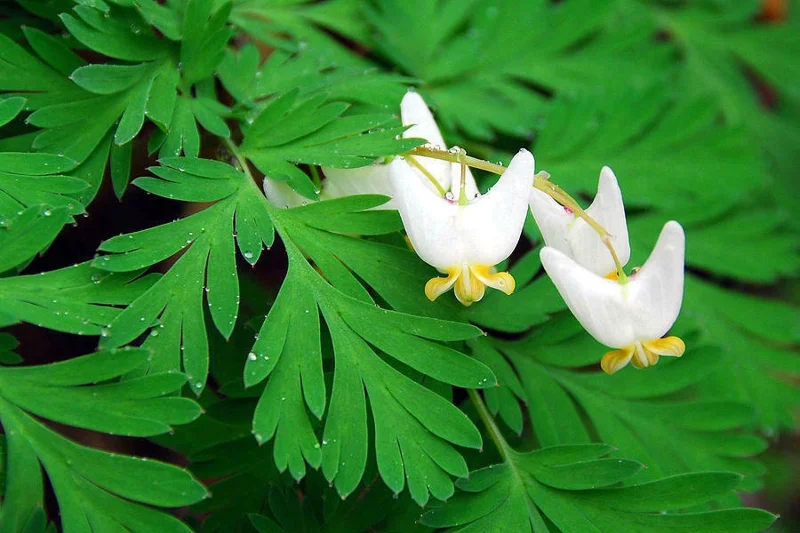
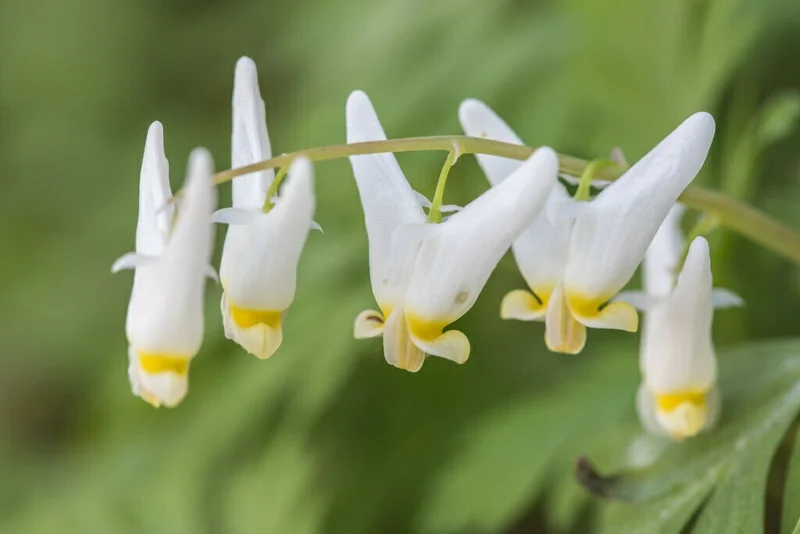
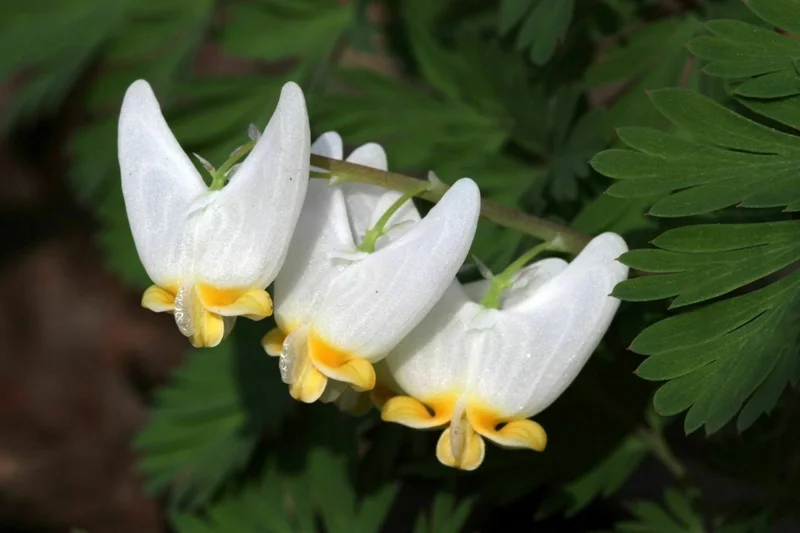
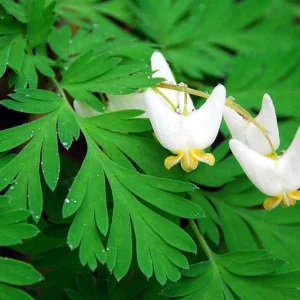
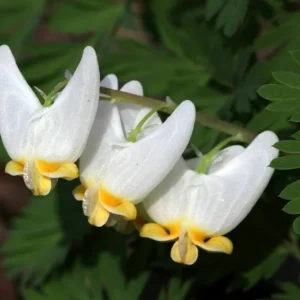
Transform your garden with a delightful display of early spring beauty by planting 5 Dutchman’s Breeches bulbs. Scientifically known as Dicentra cucullaria, these charming perennials are a beloved North American wildflower, celebrated for their unique and whimsical appearance. Each bulb promises to unfurl delicate, creamy white flowers that strikingly resemble a pair of upside-down breeches hanging to dry, hence their endearing common name. Perfect for adding a touch of natural elegance to woodland gardens, shaded borders, or naturalized areas, Dutchman’s Breeches bulbs are an excellent choice for gardeners seeking low-maintenance, high-impact spring flora. They emerge early in the season, often before many other plants, providing a much-needed splash of life and color after winter.
Key Benefits
Discover the numerous advantages of incorporating Dutchman’s Breeches bulbs into your landscape design. These versatile plants offer both aesthetic appeal and practical benefits for a thriving garden environment:
- Unique Ornamental Appeal: The distinctive, pant-shaped white flowers are a conversation starter and add whimsical charm, making your garden stand out. They are truly one of the most recognizable and beloved perennial flower varieties for early spring.
- Early Spring Bloomers: Be among the first to welcome spring with their cheerful blossoms, often appearing in March or April, providing vital early nectar for pollinators.
- Low Maintenance: Once established, these plants require minimal care, thriving with little intervention, making them perfect for busy gardeners or naturalized settings.
- Deer and Rabbit Resistant: Enjoy your beautiful blooms without the worry of common garden pests, as Dutchman’s Breeches are naturally resistant to deer and rabbits, preserving your plant investment.
- Pollinator Friendly: Their early blooms are a valuable food source for early-emerging bees and other beneficial insects, contributing to a healthy ecosystem.
- Adapts to Shade: Ideal for brightening up those tricky shaded spots in your garden where many other flowering plants struggle. They thrive in dappled sunlight or partial shade.
- Naturalizes Easily: Over time, these plants will gently spread and multiply, creating a larger, more impressive display each year without becoming invasive, enhancing your shade garden flowers.
Plant Care & Growing Tips
Caring for your Dutchman’s Breeches bulbs is straightforward, making them a rewarding addition to any garden. These resilient wildflowers prefer conditions that mimic their natural woodland habitat. For optimal growth, ensure they are planted in a location that receives full sun to partial shade, ideally with morning sun and afternoon shade, especially in warmer climates. They are hardy in USDA zones 3-8, capable of withstanding a range of winter temperatures.
When it comes to soil, Dutchman’s Breeches bulbs thrive in well-draining, humus-rich soil. Amend heavy clay soils with compost or peat moss to improve drainage and fertility. Plant the bulbs about 2-3 inches deep and 4-6 inches apart, ensuring the pointed end faces upwards. Water thoroughly after planting. During their active growth period in spring, keep the soil consistently moist but not waterlogged. Once the plant goes dormant in late spring or early summer, usually after flowering, the foliage will yellow and disappear; at this point, reduce watering. Fertilization is generally not necessary in rich soil, but a light application of balanced, slow-release fertilizer in early spring can promote vigorous growth. These are excellent deer resistant plants, so you won’t need to worry about them being munched on.
Propagation is primarily through division of the bulbous root systems in late summer or early fall when the plant is dormant. They are generally pest and disease-free, further simplifying their care. Remember that the foliage is ephemeral, meaning it dies back after flowering, so plan to plant them amongst later-emerging perennials that will fill the space once the Dutchman’s Breeches have retreated for the season. This careful planning ensures continuous visual interest in your garden, especially for shade garden flowers.
Size & Details
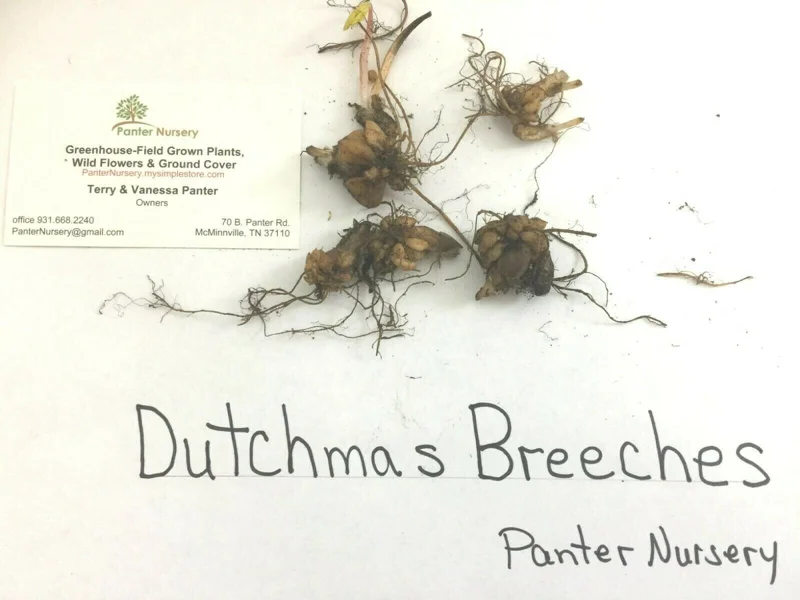
This offering includes 5 Dutchman’s Breeches bulbs (Dicentra cucullaria) ready for planting. Each bulb consists of a healthy root system, prepared for optimal establishment in your garden. These plants typically grow to a height of 6-12 inches (15-30 cm) with a similar spread, forming attractive clumps of delicate, fern-like foliage. The flowers usually appear in early to mid-spring, offering a beautiful seasonal display. Dutchman’s Breeches are known for their relatively quick establishment and will often bloom in their first spring after planting, provided they have adequate growing conditions. They are shipped as dormant bulbs/root systems, ensuring they are ready to burst into life once planted.
Frequently Asked Questions
- Q: How big do these Dutchman’s Breeches plants get? A: Dutchman’s Breeches bulbs typically grow to a modest height of 6-12 inches (15-30 cm) with a similar spread, forming neat clumps of foliage and flowers. They are perfect for the front of a border or under deciduous trees.
- Q: Is this an indoor or outdoor plant? A: Dutchman’s Breeches are primarily an outdoor perennial, best suited for garden beds, woodland settings, or naturalized areas. They are not typically grown as houseplants due to their specific light and dormancy requirements.
- Q: How much sunlight does this perennial flower need? A: These plants thrive in full sun to partial shade. In warmer climates, they benefit from more shade, especially during the hot afternoon hours, to prevent their delicate foliage from scorching.
- Q: Is this plant easy to care for, especially for beginners? A: Yes, Dutchman’s Breeches bulbs are considered very easy to care for once established. They require minimal attention and are a great choice for beginner gardeners looking for reliable shade garden flowers.
- Q: What condition will the bulbs arrive in? A: Your order will include 5 dormant Dutchman’s Breeches bulbs, which are essentially healthy root systems, ready for planting upon arrival. They are carefully packaged to ensure their vitality during transit.
- Q: When is the best time to plant Dutchman’s Breeches bulbs? A: The ideal time to plant these bulbs is in the fall, allowing them to establish roots before winter. However, they can also be planted in early spring as soon as the ground can be worked.
- Q: Will these deer resistant plants survive winter in my zone? A: Yes, Dutchman’s Breeches bulbs are hardy in USDA zones 3-8, meaning they are well-adapted to survive cold winter temperatures within this range and will return reliably each spring.
- Q: Are Dutchman’s Breeches bee friendly? A: Absolutely! The early spring blooms of Dutchman’s Breeches bulbs provide a vital source of nectar for early-emerging bees and other pollinators, making them a great addition to a pollinator garden.


Reviews
There are no reviews yet.