Overview
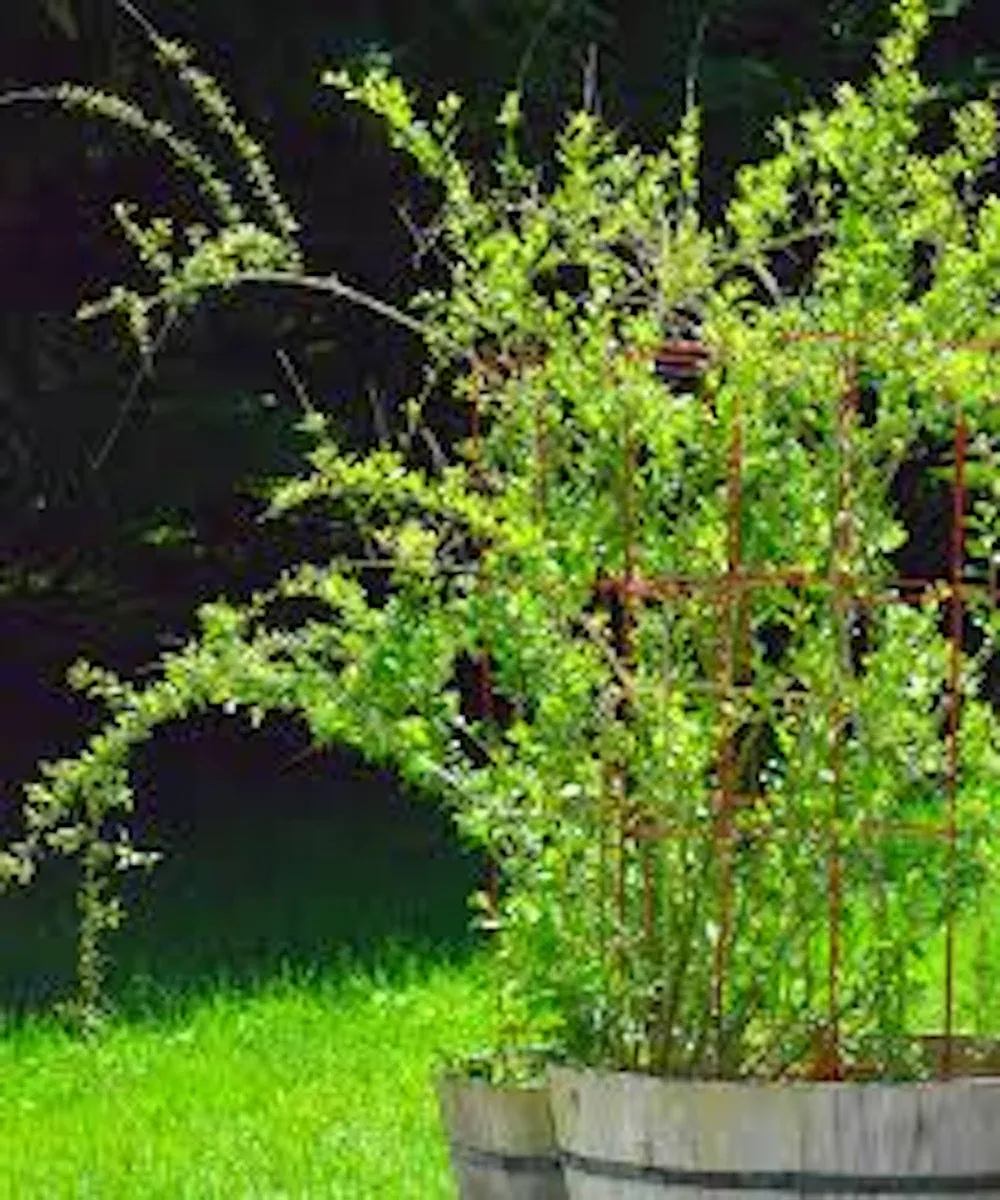
Introduce a powerhouse of nutrition and beauty to your garden with this 5-pack of goji berry live plant starters. Scientifically known as Lycium barbarum, goji berries are celebrated worldwide for their health benefits and ease of cultivation. These deciduous, sprawling shrubs are capable of reaching impressive sizes in their natural habitat but are typically pruned to a manageable 3-6 feet tall in cultivation, making them suitable for various garden sizes. Our goji berry starter plant collection provides you with a fantastic opportunity to establish your own source of this sought-after superfood, ensuring a bountiful harvest of delicious and healthy berries right from your backyard.
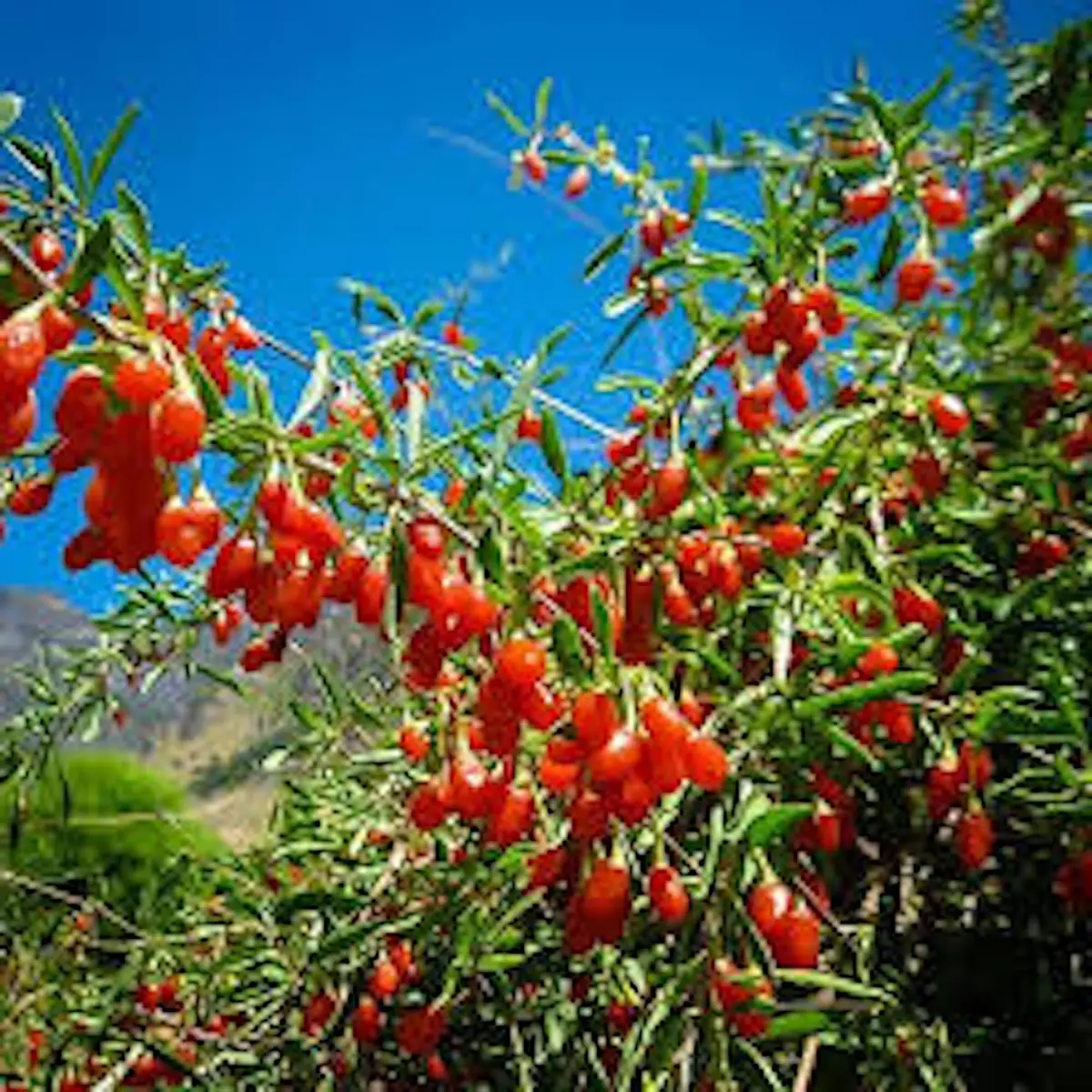
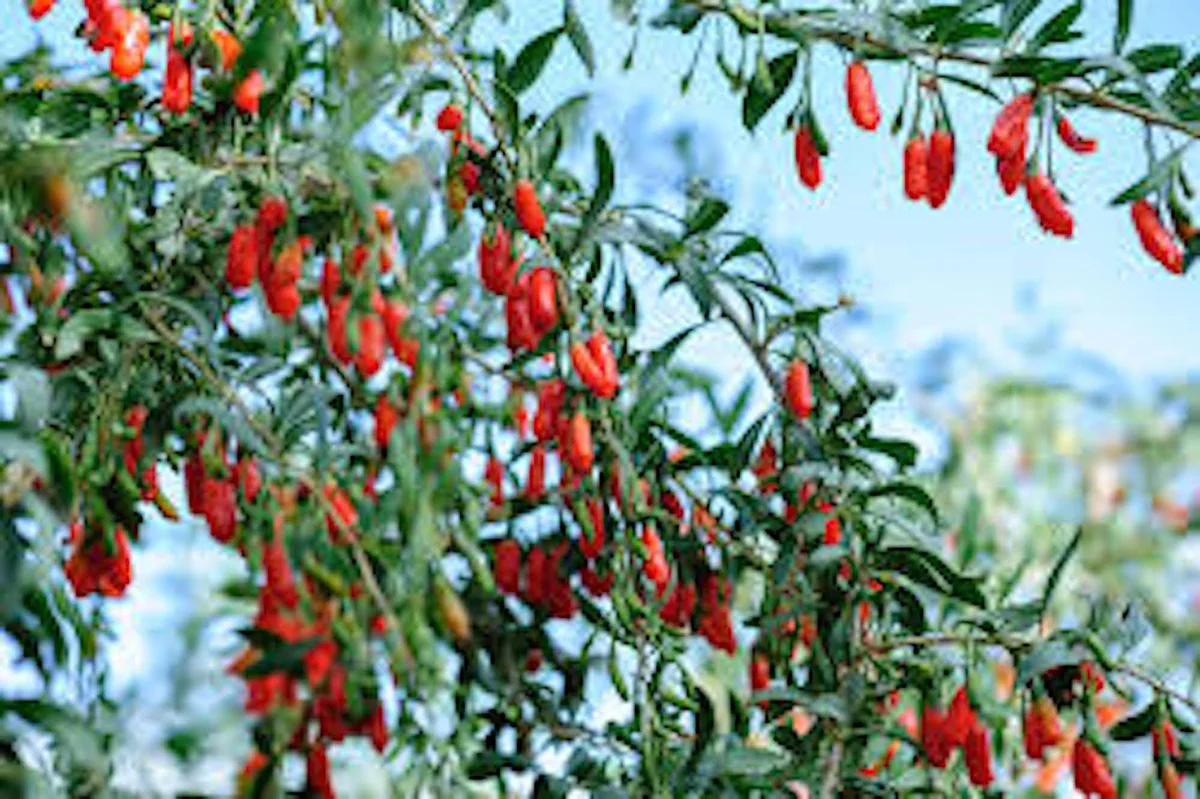
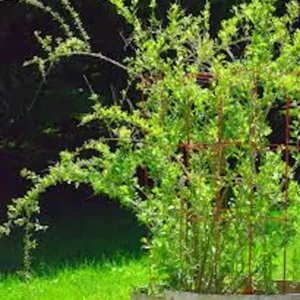
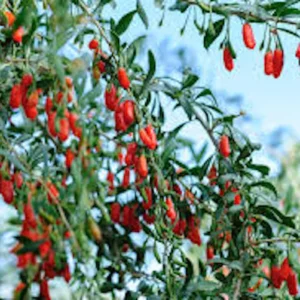
The goji berry, also known as wolfberry, is a versatile and resilient plant that thrives in a range of environments. Originating from Asia, these plants have adapted to various climates, making them a popular choice for gardeners across the United States. With their grey-green, somewhat succulent leaves and long, flexible, thorny stems, they add an interesting textural element to any landscape. The promise of vibrant purple, bell-shaped flowers in late spring/early summer, followed by brilliant red berries, makes growing these plants a truly rewarding experience.
Key Benefits
Integrating goji berry live plant into your garden offers numerous advantages, from ornamental appeal to nutritional value:
- Nutrient-Rich Harvest: Enjoy a consistent supply of fresh goji berries, packed with antioxidants, vitamins, and minerals, directly from your garden. These berries are perfect for snacking, smoothies, or drying for later use.
- Exceptional Hardiness: Goji berry plants are renowned for their resilience. They can withstand a variety of challenging conditions, making them a reliable choice for diverse climates and less-than-perfect gardening situations.
- Drought Tolerance: Once established, these plants require minimal watering, proving to be an excellent option for water-wise gardening and reducing your environmental footprint.
- Attractive Foliage and Flowers: Beyond their fruit, the plants offer aesthetic value with their unique grey-green leaves and charming purple flowers, adding visual interest to your landscape before the berries even appear.
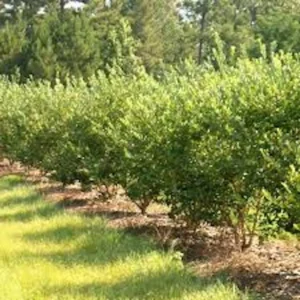
- Versatile Growth Habit: While they can grow large, goji berry plants respond well to pruning, allowing you to maintain them as compact shrubs or train them as trellised vines, fitting various garden designs.
- Supports Pollinators: The late spring/early summer blooms attract beneficial pollinators to your garden, contributing to a healthier ecosystem and improving overall garden productivity.
- Low Maintenance: After the initial establishment, goji berry plant care is relatively straightforward, requiring less intensive intervention compared to many other fruit-bearing plants.
Plant Care & Growing Tips
Caring for your goji berry live plant is generally simple, making it suitable for both novice and experienced gardeners. These plants are quite forgiving and thrive with basic attention. They are deciduous, meaning they will lose their leaves in the fall and winter, preparing for new growth in the spring. Understanding their needs will ensure a healthy, productive shrub.
Sunlight and Soil: Goji berries absolutely love the sun! Plant your lycium barbarum plant in a location that receives full sun, ideally 6-8 hours of direct sunlight per day. Well-drained soil is crucial to prevent root rot. While they are not overly picky about soil type, a sandy loam with a pH between 6.5 and 7.0 is ideal. If your soil is heavy clay, consider amending it with organic matter and sand to improve drainage. Good air circulation around the plant is also beneficial.
Watering and Fertilization: During the first year, regular watering is important to help the plants establish a strong root system. Once established, goji berry plants are remarkably drought-tolerant, requiring less frequent watering. Water deeply when the top few inches of soil feel dry. Overwatering can be detrimental. For fertilization, a balanced all-purpose fertilizer can be applied in early spring as new growth begins. Avoid excessive nitrogen, which can promote leafy growth at the expense of fruit production. Composted manure or an organic slow-release fertilizer can also provide excellent nutrients.
Pruning and Pest Management: Pruning is essential for maintaining plant health, shape, and maximizing fruit yield. In late winter or early spring, before new growth starts, remove any dead, diseased, or crossing branches. You can also prune to manage the plant’s size and encourage branching. The berries form on new wood, so light pruning of old wood can encourage more fruit. Goji berries are generally pest and disease resistant, but occasionally you might encounter aphids or powdery mildew. Address these issues with organic pest control methods or appropriate fungicides if necessary. Proper air circulation and adequate sunlight can help prevent many common fungal problems, simplifying your goji berry plant care routine.
Size & Details
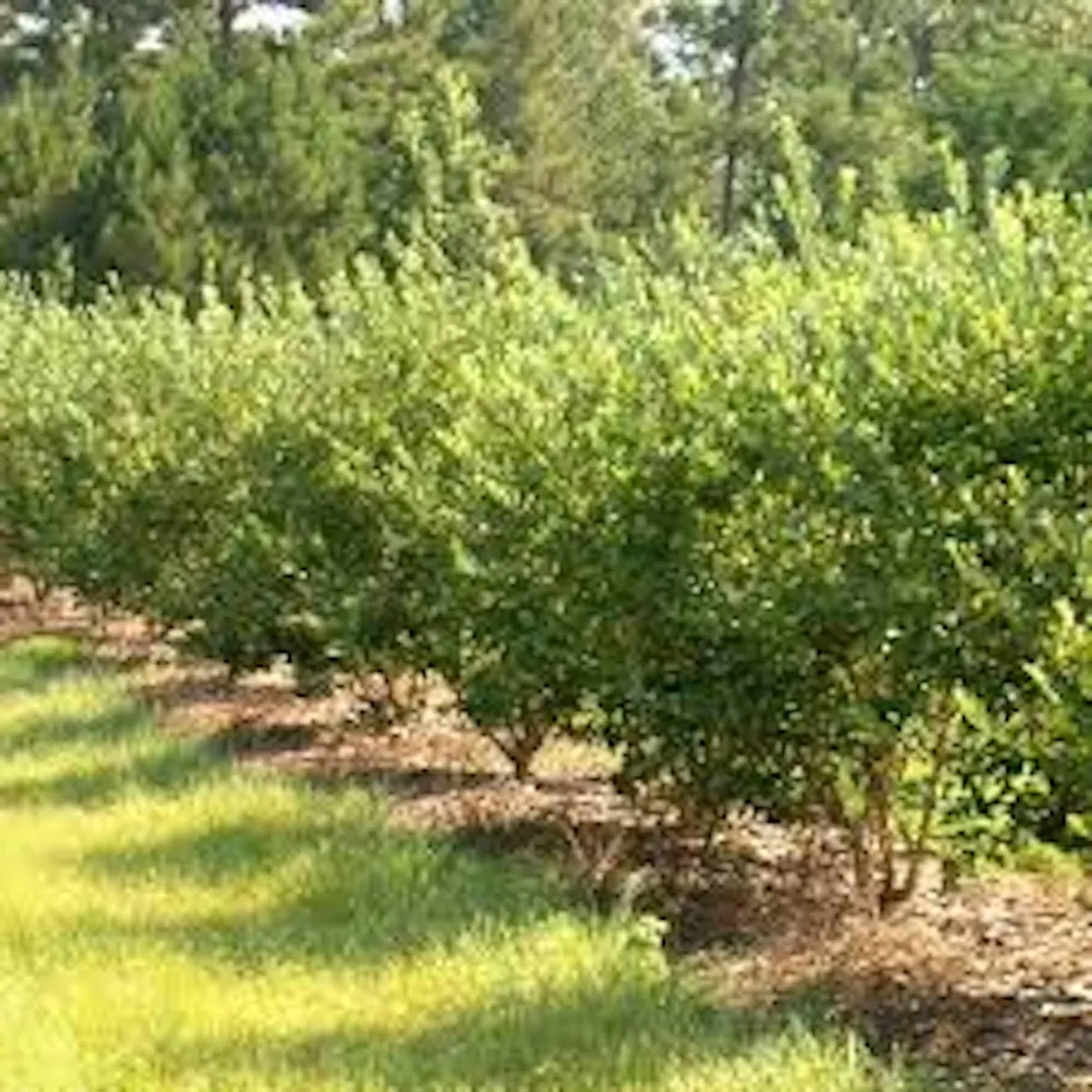
This offering includes 5 goji berry starter plant specimens, ready for planting. These are typically shipped as bare root plants, which means they arrive without soil or a pot, allowing for easier transplanting and establishment. In their natural state, Lycium barbarum can reach up to 12 feet tall and 4 feet wide. However, in cultivation, they are usually pruned to a more manageable size, often between 3-6 feet in height, making them suitable for home gardens and even larger containers. The growth rate is moderate, and you can expect to see significant development in the first year with proper care. Berries typically begin to form in late summer and early fall, following the purple bell-shaped flowers that appear in late spring to early summer. Each plant is a robust starter designed for successful transplantation and growth.
These plants are known for their long, flexible, and often thorny stems, which contribute to their sprawling habit. The leaves are grey-green and somewhat succulent, providing a unique texture. With adequate sunlight and well-drained soil, these goji berry live plant starters will quickly establish themselves and begin to produce fruit, offering a rewarding gardening experience for years to come.
Frequently Asked Questions
- Q: How big does this 5-pack of goji berry plants get? A: While they can naturally grow up to 12 feet tall and 4 feet wide, goji berry plants are typically pruned to a more manageable size of 3-6 feet tall in cultivation, making them suitable for most home gardens.
- Q: What size pot does a goji berry starter plant come in? A: These goji berry starter plant specimens are typically shipped bare root, meaning they do not come in a pot or with soil. This method helps reduce shipping stress and is ideal for quick transplanting into your garden or a larger container.
- Q: Is this an indoor or outdoor plant? A: Goji berry plants are primarily outdoor plants, thriving in full sun. While they can be grown in very large containers, they generally perform best when planted directly in the ground, allowing their root systems to spread.
- Q: How much sunlight does a lycium barbarum plant need? A: Goji berries require full sun exposure, meaning at least 6-8 hours of direct sunlight per day, to produce the best fruit yields and maintain vigorous growth.
- Q: Is this plant easy to care for? Is it good for beginners? A: Yes, goji berry plant care is relatively easy. They are known for their hardiness and drought tolerance, making them an excellent choice for beginner gardeners looking for a productive fruit-bearing shrub.
- Q: What condition will the goji berry live plant arrive in? A: The plants are shipped bare root, carefully packaged to ensure they arrive in a dormant state, ready for planting. Upon arrival, it’s best to plant them as soon as possible.
- Q: When is the best time to plant goji berry plants? A: The ideal time to plant goji berry bare root plants is in early spring, after the last frost, allowing them ample time to establish before the summer heat.
- Q: Will goji berry plants survive winter in my zone? A: Goji berry plants are very hardy and can tolerate a wide range of temperatures. They are typically hardy in USDA Zones 3-10, meaning they can withstand cold winters in many regions.
- Q: What’s the minimum temperature these plants can tolerate? A: Goji berry plants are quite cold-hardy, capable of withstanding temperatures well below freezing, often down to -20°F (-28°C) once established.
- Q: How long until my goji berry plants produce fruit? A: With proper care, your goji berry plants can begin to produce fruit within their first or second year after planting, with yields increasing as the plants mature.


Reviews
There are no reviews yet.