Overview
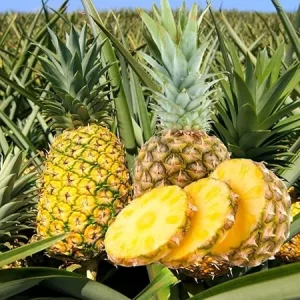
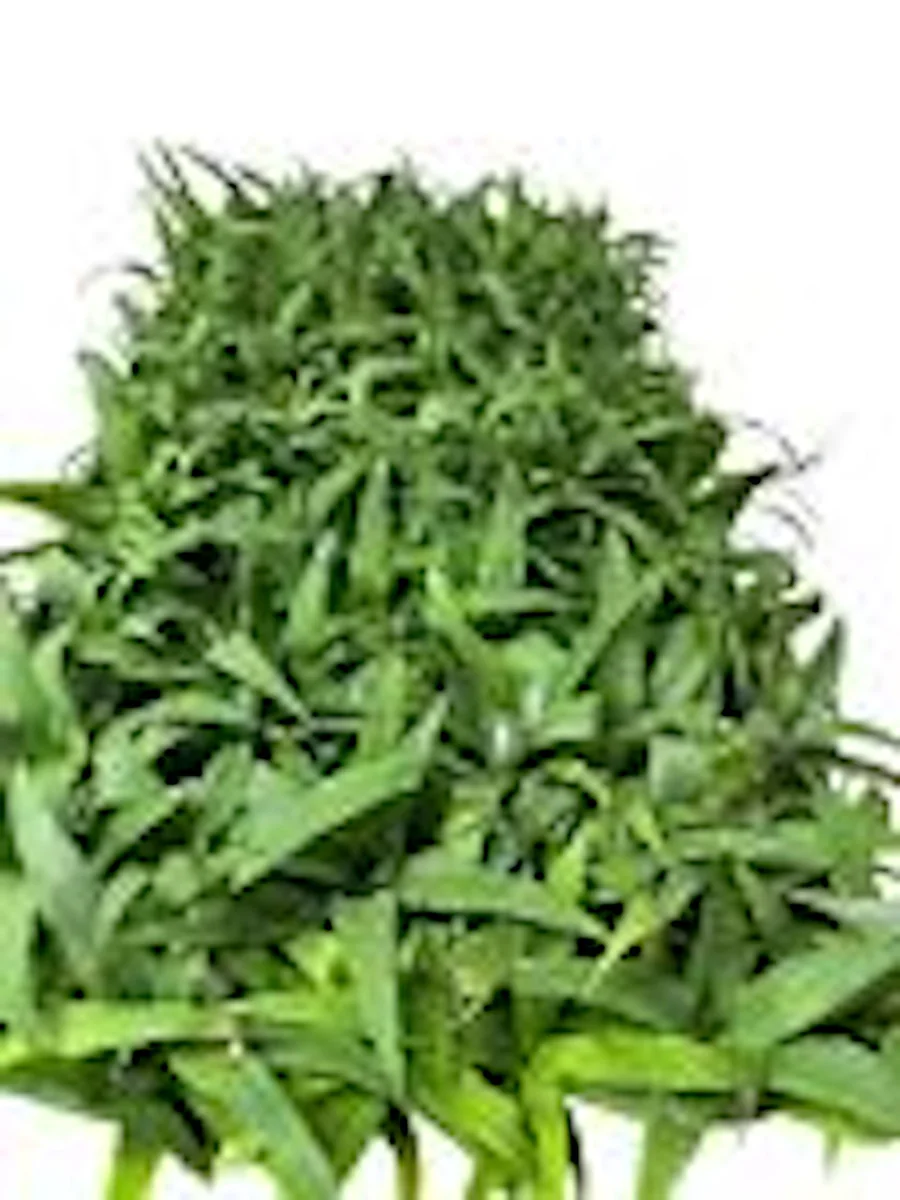
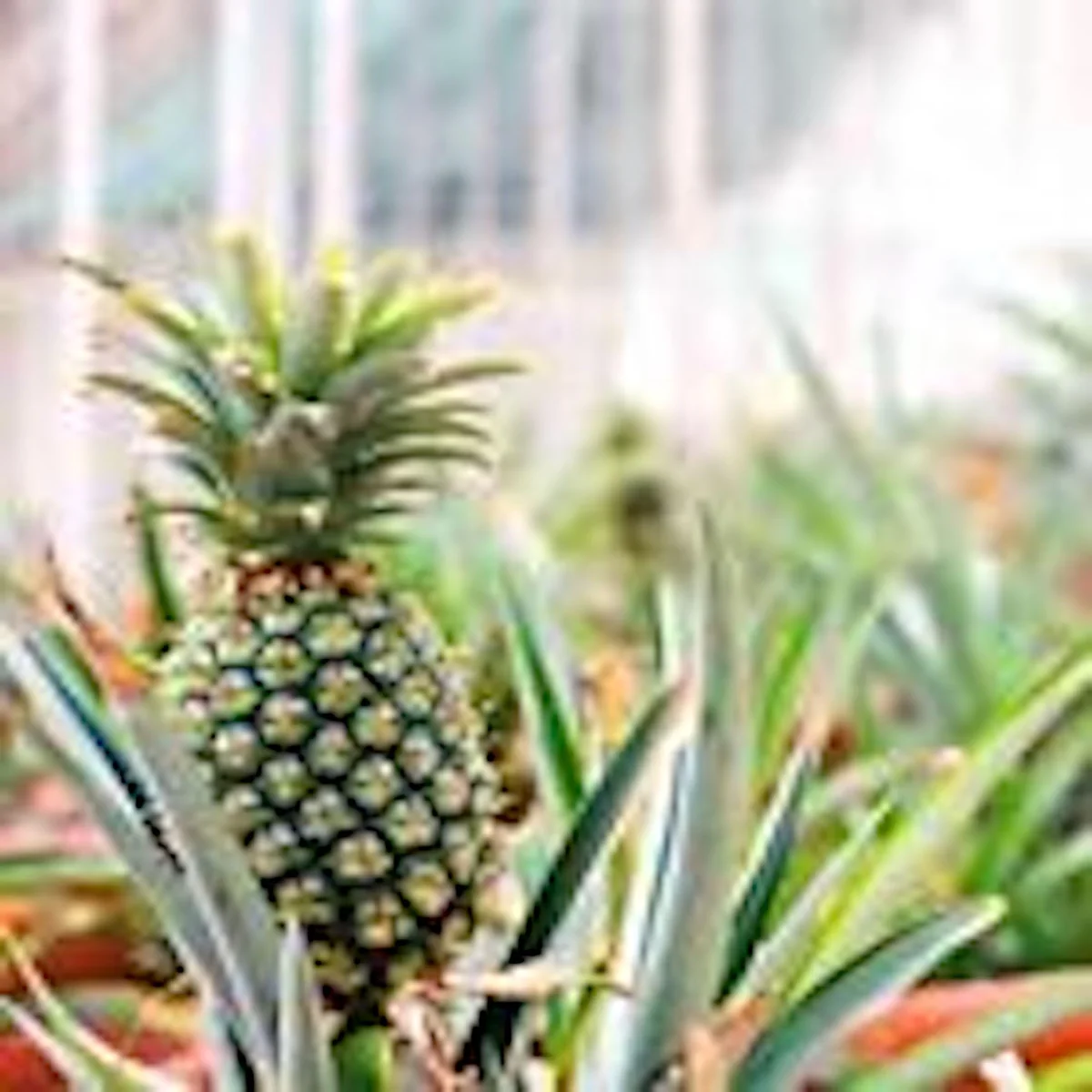
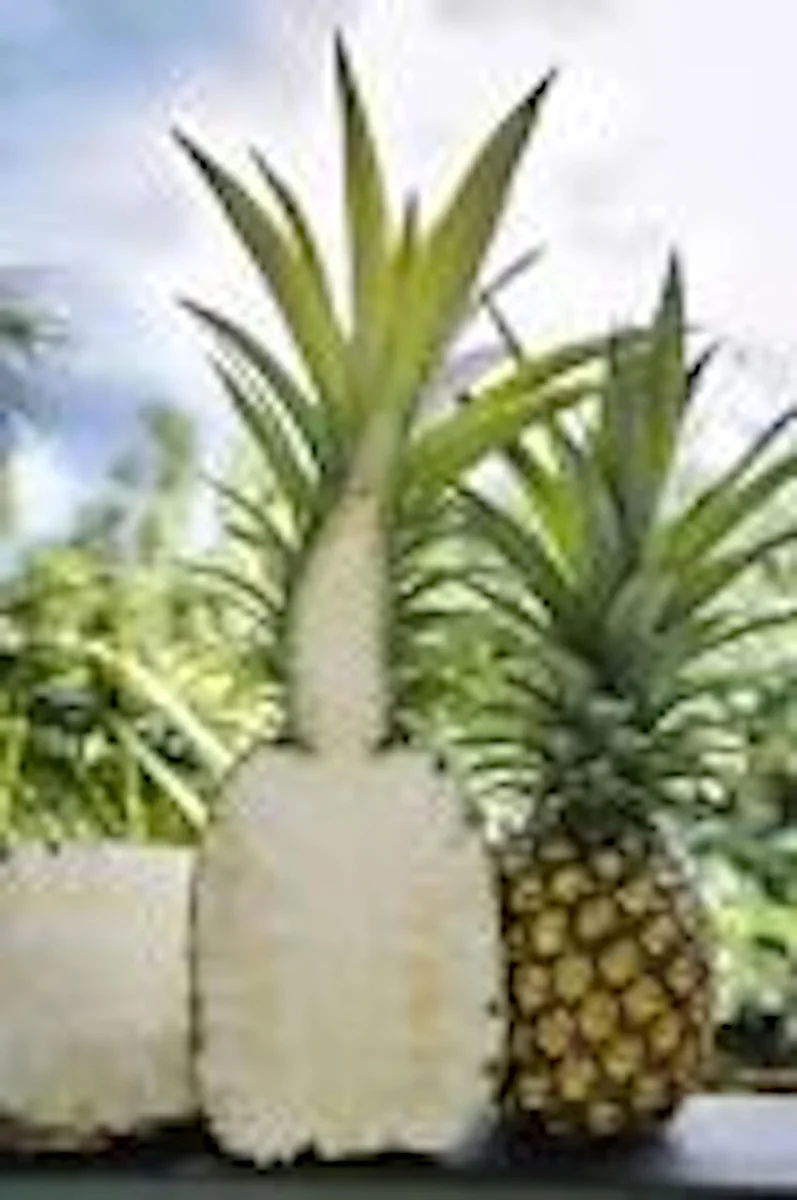
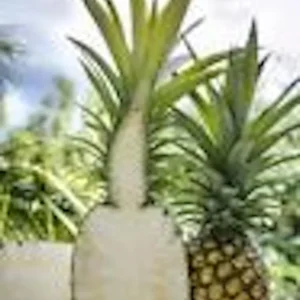
Embark on a delightful gardening journey with the Kona Sugarloaf Pineapple live plant. This offering includes 5 Kona Sugarloaf Pineapple live plant starters, providing you with an excellent opportunity to grow this highly sought-after variety. The Kona Sugarloaf Pineapple, scientifically known as Ananas comosus, is celebrated for its incredibly sweet, white flesh and significantly lower acidity compared to traditional pineapple varieties. Originating from Brazil and Paraguay, these perennial fruit bushes bring a touch of the tropics to your home or garden. Whether you’re an experienced gardener or just starting, cultivating your own edible pineapples is a rewarding experience.
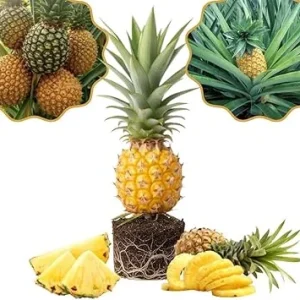
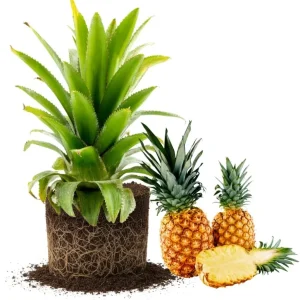
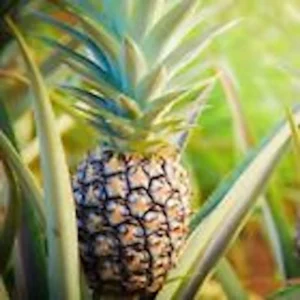
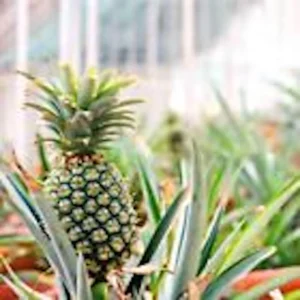
Each Ananas comosus starter plant is ready to be nurtured into a productive fruit-bearing specimen. While an outdoor pineapple plant can reach impressive heights of 5 to 6 feet, indoor cultivation typically results in a more manageable size of 2 to 3 feet. These plants feature a characteristic rosette of sturdy, sword-shaped leaves, adding an ornamental touch even before they begin to fruit. Prepare to enjoy the unique flavor of homegrown Kona Sugarloaf pineapples, a true gourmet delight.
Key Benefits
Growing your own Kona Sugarloaf Pineapple live plant offers numerous advantages beyond just fresh fruit. These tropical beauties provide both aesthetic appeal and a delicious harvest, making them a fantastic addition to any plant collection. Discover the many benefits of cultivating this exceptional fruit:
- Delicious Edible Fruit: The primary benefit is the production of incredibly sweet, low-acid pineapples. The Kona Sugarloaf variety is renowned for its superior flavor profile, making it a favorite among pineapple connoisseurs. You’ll savor the taste of fresh, homegrown fruit unmatched by store-bought options.
- Ornamental Appeal: With their striking rosette of sword-shaped leaves, these plants add a distinct tropical flair to your indoor or outdoor space. They serve as beautiful focal points in containers on patios or as part of a lush garden landscape.
- Rewarding Growing Experience: Cultivating a fruit-bearing plant from a starter is a deeply satisfying endeavor. Watching your edible pineapple bush develop and eventually produce fruit provides a sense of accomplishment and connection to nature.
- Adaptable Cultivation: While tropical, these plants are adaptable enough to be grown indoors in cooler climates or outdoors in warmer USDA zones. This flexibility allows more gardeners to experience the joy of growing their own pineapples.
- Educational for All Ages: Growing an exotic fruit like pineapple can be a wonderful educational experience for children and adults alike, teaching about plant life cycles, tropical agriculture, and sustainable food practices.
Plant Care & Growing Tips
Caring for your Kona Sugarloaf Pineapple live plant involves understanding its tropical needs, particularly regarding light, water, and soil. These plants thrive in conditions that mimic their native environment. For successful fruiting, providing ample light is paramount. If growing indoors, place your plant in a greenhouse, sunroom, or near a large south-facing window to ensure it receives as much light as possible. If moving the plant outdoors for the summer, gradually adapt it to full sun exposure to prevent shock, especially if it was previously in dimmer conditions.
Proper watering and soil are critical to prevent root rot. Pineapple plants require fast-draining, sandy soil. A cactus and citrus potting mix with a pH between 4.5 and 6.5 is ideal. Alternatively, you can use a cymbidium orchid mix or create your own blend with one part peat moss, one part coarse builder’s sand, and one part perlite. Water thoroughly when the top inch of soil feels dry, allowing excess water to drain completely. Avoid letting the plant sit in standing water. Indoor temperatures should remain consistent, ideally between 65 to 85 degrees Fahrenheit. In autumn, bring your plant indoors once outdoor temperatures consistently fall below 60 degrees Fahrenheit to protect it from cold damage. These plants also appreciate humidity, so clustering them with other plants can help raise the ambient moisture.
Fertilize your edible pineapple bush during the growing season (spring and summer) with a balanced liquid fertilizer, diluted to half strength, every 2-4 weeks. Reduce fertilization in fall and winter. Watch for common pests like mealybugs or scale and treat them promptly with insecticidal soap if observed. With consistent care, your grow pineapple indoors project will be well on its way to yielding delicious fruit.
Size & Details
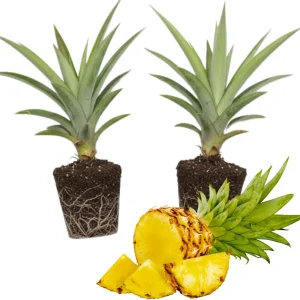
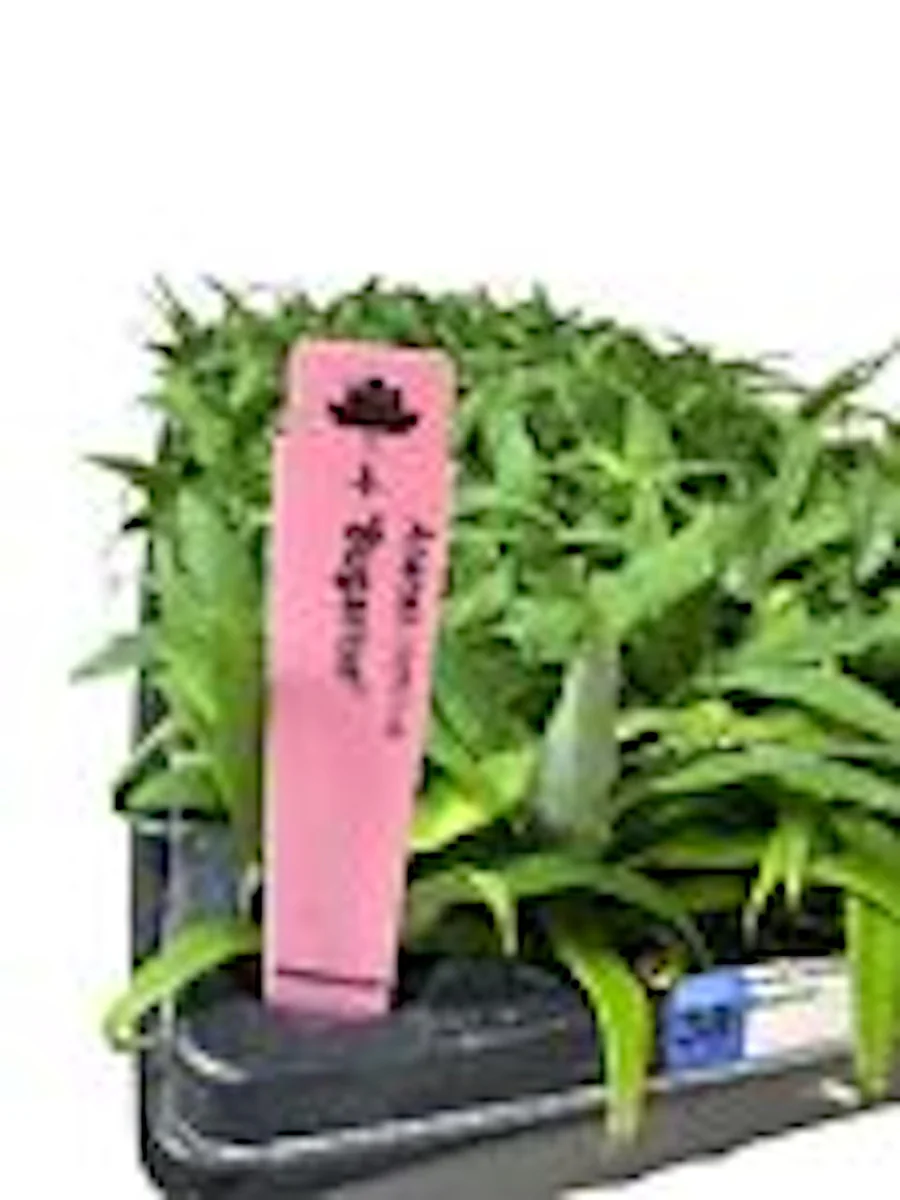
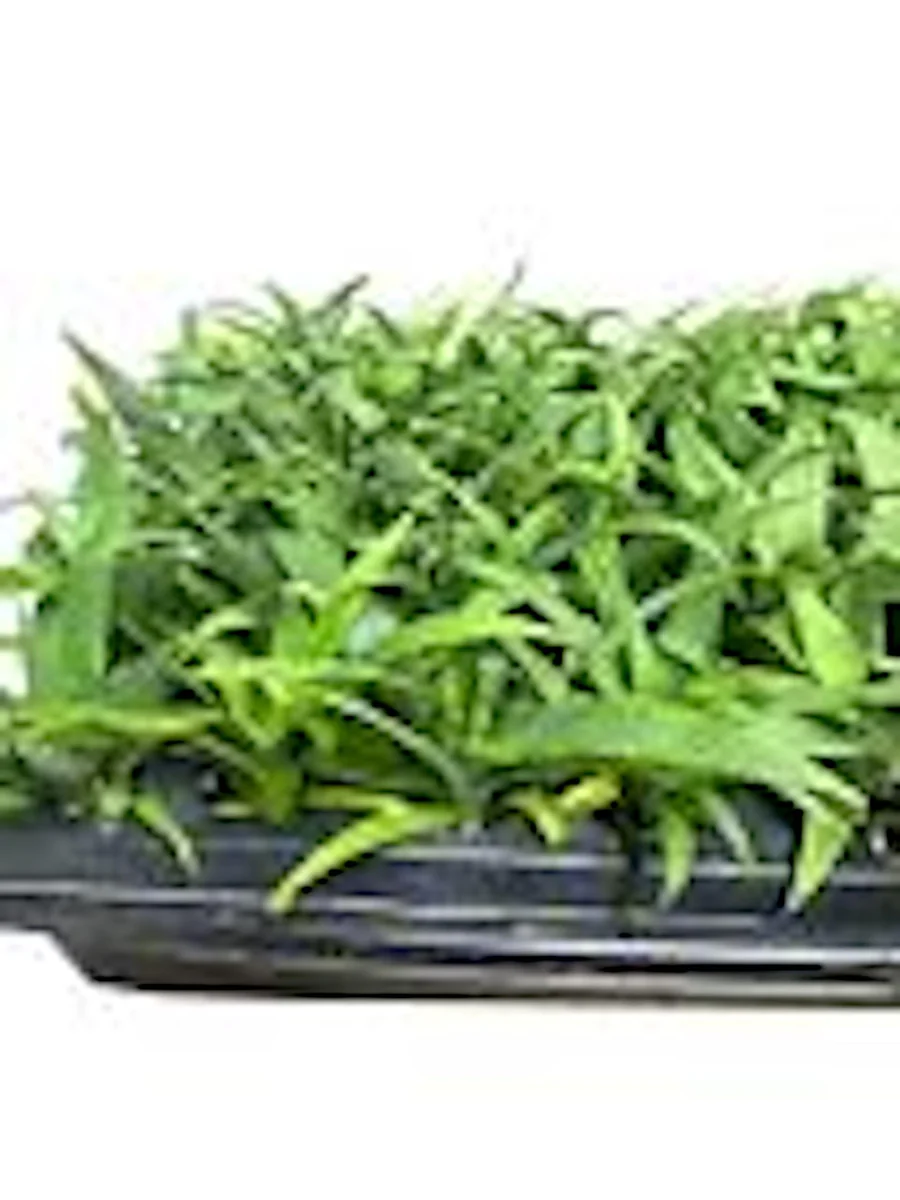
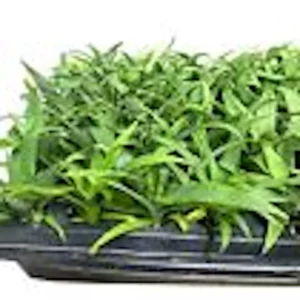
This offering includes 5 Kona Sugarloaf Pineapple live plant starters, ready for potting and cultivation. Each starter plant is typically shipped bare root, meaning without a pot or soil, to ensure safe transit and reduce shipping weight. Upon arrival, they should be potted immediately into a suitable fast-draining mix. While initially compact, these plants can grow substantially. Outdoors in tropical climates, they can reach up to 5-6 feet in height, while indoor specimens usually mature at 2-3 feet tall, making them suitable for container growing on patios or within sunlit rooms. The growth rate is moderate, with fruit typically developing 18-24 months after planting, depending on growing conditions and care.
The characteristic rosette of often spiny, sword-shaped leaves can range from 2 inches to 5 feet in length, contributing to the plant’s tropical aesthetic. These starter plants provide a robust foundation for establishing your own pineapple patch, whether you aim to grow pineapple indoors or outdoors. Expect a rewarding journey as these plants mature and begin to produce their sweet, distinctive fruit.
Frequently Asked Questions
- Q: How big does this plant get? A: An outdoor Kona Sugarloaf Pineapple live plant can reach 5-6 feet tall, while indoor specimens typically grow to 2-3 feet, making them manageable for most home environments.
- Q: Is this an indoor or outdoor plant? A: The Ananas comosus starter can be grown both indoors and outdoors. In USDA zones where temperatures remain above 60°F, it thrives outdoors. In cooler climates, it’s best grown in containers and brought indoors during colder months to protect it.
- Q: How much sunlight does it need? A: Pineapple plants require as much light as possible to fruit. Aim for full sun (6+ hours of direct sunlight) outdoors or a very bright location indoors, such as a south-facing window, greenhouse, or sunroom.
- Q: Is this plant easy to care for? A: While not difficult, caring for an edible pineapple bush requires attention to specific conditions like fast-draining soil, consistent watering (without overwatering), and ample sunlight. It’s a rewarding project for gardeners of all levels.
- Q: What condition will it arrive in? A: These plants are typically shipped bare root, meaning they arrive without soil or a pot. This method ensures the plants are well-protected during transit and reduces shipping costs.
- Q: How long until it blooms and fruits? A: You can expect your pineapple plant care efforts to result in blooming and fruiting approximately 18-24 months after planting, depending on the growing conditions and the maturity of the starter plant.
- Q: What type of soil is best for growing pineapple? A: Pineapple plants need fast-draining, sandy soil to prevent root rot. A specialized cactus and citrus mix with a pH between 4.5 and 6.5 is ideal, or a blend of peat moss, coarse builder’s sand, and perlite.
- Q: Can I really grow pineapple indoors? A: Yes, you can absolutely grow pineapple indoors! With sufficient light, proper soil, and consistent care, indoor cultivation is a popular and successful way to enjoy fresh pineapples, even in non-tropical climates.
- Q: What are the ideal temperatures for this plant? A: The Kona Sugarloaf Pineapple live plant thrives in temperatures between 65 and 85 degrees Fahrenheit. It’s important to bring indoor plants inside when outdoor temperatures fall below 60 degrees Fahrenheit.
- Q: Is the Kona Sugarloaf variety truly sweeter than others? A: Yes, the Kona Sugarloaf pineapple is widely acclaimed for its exceptionally sweet, low-acid, and white-fleshed fruit, making it a premium choice for home growers seeking a superior taste experience.


Reviews
There are no reviews yet.