Overview
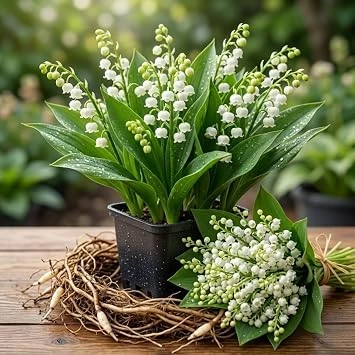
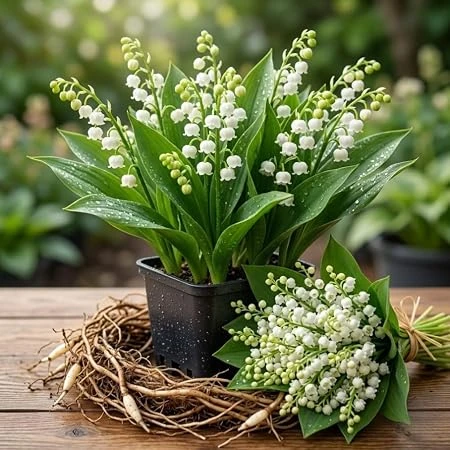
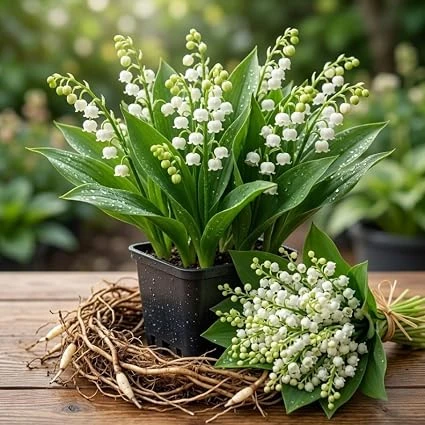
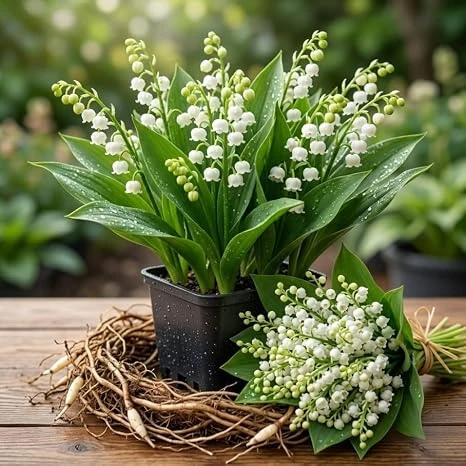
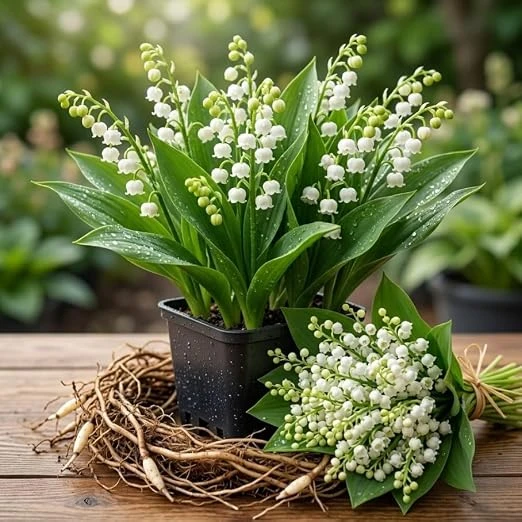
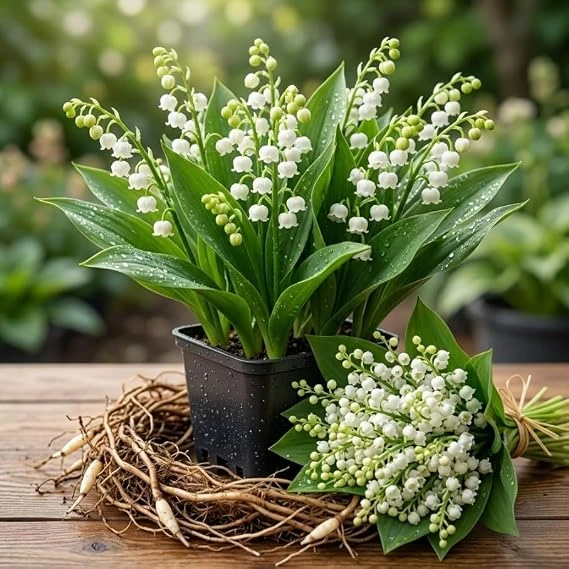
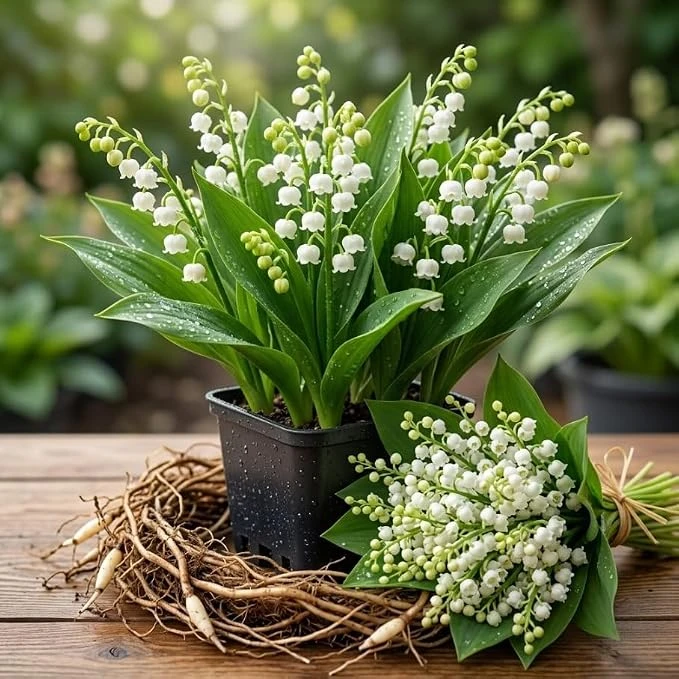
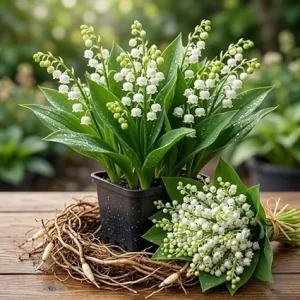
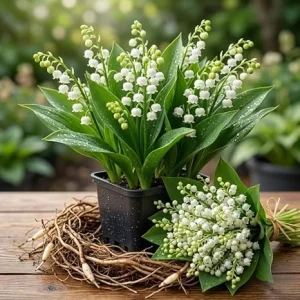
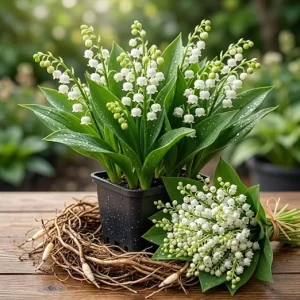
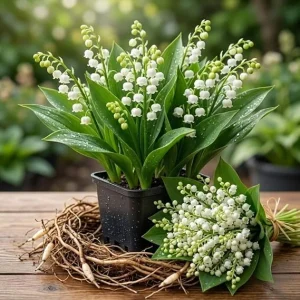
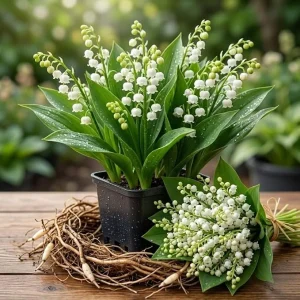
Transform your garden into a fragrant spring paradise with our premium Lily of the Valley bare root rhizomes. This set includes 5 healthy, 4-6 inch long rhizomes, ready to plant and establish in your outdoor space. Known scientifically as Convallaria majalis, Lily of the Valley is celebrated for its exquisite, delicate white bell-shaped flowers and intoxicating sweet fragrance. These charming plants, often referred to as May Bells, emerge in spring, adding a touch of classic elegance and lush green foliage to shaded and partially shaded areas. They are an ideal choice for woodland gardens, cottage garden borders, or even containers, providing a captivating display and aroma.
Our bare root rhizomes offer a robust start, ensuring vigorous growth and abundant blooms. They are carefully harvested and packaged to maintain their vitality during transit, arriving ready for immediate planting. Whether you’re a seasoned gardener or just starting, planting Convallaria majalis plants is a rewarding experience, leading to a stunning carpet of white flowers that symbolize purity and renewal each spring.
Key Benefits
Adding Lily of the Valley bare root rhizomes to your garden offers numerous advantages, from their captivating beauty to their ease of care. These popular plants provide delightful sensory experiences and enhance the aesthetic appeal of any shaded landscape.
- Enchanting Fragrance: Enjoy the classic, sweet, and powerful fragrance that emanates from the delicate white bell-shaped flowers, creating a truly sensory garden experience.
- Beautiful Spring Blooms: Witness a stunning display of pure white May Bells that emerge in spring, bringing a fresh and elegant look to your garden beds and borders.
- Low Maintenance: Once established, these plants require minimal care, thriving with little intervention, making them perfect for busy gardeners.
- Shade Tolerant: Ideal for those challenging shaded spots where other plants struggle, Lily of the Valley flourishes in partial to full shade, brightening dark corners.
- Excellent Groundcover: With their lush green foliage and spreading habit, they make an excellent groundcover, suppressing weeds and providing year-round greenery in suitable climates.
- Easy to Establish: Arriving as bare root rhizomes, they are straightforward to plant and quickly establish themselves, ensuring a healthy start for your garden.
- Versatile Use: Perfect for woodland gardens, under trees, along pathways, in borders, or even in containers, offering flexible planting options.
Plant Care & Growing Tips
Caring for your Lily of the Valley bare root rhizomes is relatively simple, as these plants are quite resilient and adaptable, especially when their basic needs are met. For successful establishment and abundant blooms, understanding their preferred growing conditions is key. These plants thrive in cooler, shaded environments, making them a superb choice for areas of your garden that receive limited direct sunlight.
Sunlight Requirements:Lily of the Valley prefers shaded to partially shaded conditions. Morning sun with afternoon shade is ideal, or dappled light throughout the day. Avoid full, intense afternoon sun, which can scorch the leaves. For optimal growth and flowering, ensure they are protected from harsh direct sunlight. A woodland setting or under the canopy of deciduous trees is often perfect for planting Lily of the Valley.
Watering Schedule and Soil Moisture: Keep the soil consistently moist, especially during dry spells and the plant’s active growing season in spring. However, ensure good drainage to prevent waterlogging, which can lead to rhizome rot. Once established, they are somewhat drought-tolerant but will perform best with regular moisture. In containers, monitor soil moisture more closely, as pots tend to dry out faster.
Soil Type and Drainage:Lily of the Valley prefers rich, well-draining soil that is high in organic matter. A slightly acidic to neutral pH (6.0-7.0) is ideal. Amend heavy clay soils with compost or peat moss to improve drainage and fertility. Good drainage is crucial to prevent root diseases. The rhizomes are quite robust and will spread readily in favorable conditions.
Temperature Range and USDA Hardiness Zone: These plants are very cold hardy, typically thriving in USDA Zones 2-7. They require a cold dormancy period to produce flowers effectively. In warmer climates (Zone 8+), they may struggle with consistent flowering and can be less vigorous. They tolerate a wide range of temperatures as long as they get their winter chill.
Fertilization Schedule and Type: Fertilize lightly in early spring with a balanced, all-purpose granular fertilizer or a slow-release organic option. Over-fertilization is usually not necessary for these naturally vigorous plants. A layer of compost applied around the base in spring can also provide adequate nutrients.
Common Problems and Solutions:Lily of the Valley is generally pest and disease resistant. Slugs and snails can occasionally be an issue; use organic slug bait or traps if necessary. Fungal diseases are rare if proper drainage is maintained. The primary concern is its vigorous spreading habit; if you wish to contain it, consider planting it in areas bordered by concrete or in containers, or use root barriers to prevent unwanted spread. These fragrant May Bells are truly a joy to grow.
Size & Details
This offering includes 5 individual Lily of the Valley bare root rhizomes, each measuring approximately 4 to 6 inches in length. These rhizomes are the underground stems from which the new plants will emerge, featuring dormant buds that will sprout into leaves and eventually the charming white spring flowers. Bare root plants are an economical and effective way to establish a large patch of Convallaria majalis plants, as they adapt quickly to their new environment once planted.
When mature, Lily of the Valley typically grows to a height of 6-12 inches and spreads indefinitely through its rhizomatous growth. The delicate white bell-shaped flowers usually appear in mid to late spring, offering their delightful fragrance for several weeks. These rhizomes are ready for immediate planting upon arrival, and with proper care, you can expect to see foliage emerge within the first growing season, followed by blooms in the subsequent spring. The plant’s vigorous growth makes it an excellent choice for creating a naturalized look or for filling in shaded areas quickly.
Frequently Asked Questions
- Q: How big does this plant get? A: Lily of the Valley typically grows to a height of 6-12 inches (15-30 cm) and spreads readily to form a dense groundcover. Its width is indefinite as it will expand through its rhizomes.
- Q: What size pot does it come in? A: This product consists of 5 bare root rhizomes, not potted plants. Each rhizome measures 4-6 inches long and is ready for direct planting into your garden or preferred container.
- Q: Is this an indoor or outdoor plant? A: Lily of the Valley is primarily an outdoor plant, thriving in garden beds, borders, and woodland settings. It requires a cold dormancy period to bloom effectively and is best suited for USDA Zones 2-7.
- Q: How much sunlight does it need? A: These plants prefer partial to full shade. They do best with morning sun and afternoon shade or dappled light throughout the day. Avoid intense direct sunlight, especially in warmer climates.
- Q: Is this plant easy to care for? Is it good for beginners? A: Yes, Lily of the Valley is considered an easy-to-care-for plant, especially once established. It’s an excellent choice for beginner gardeners looking for reliable, fragrant spring flowers.
- Q: What condition will it arrive in? Is it shipped in soil? A: Your order will arrive as 5 bare root rhizomes, meaning they are shipped without soil or a pot. They are carefully packaged to ensure they remain healthy and viable for planting upon arrival.
- Q: Can I use fragrant May Bells for cut flowers? A: Absolutely! The delicate, fragrant stems of Lily of the Valley make beautiful and aromatic cut flowers. They are often used in small bouquets or as accents in larger arrangements.
- Q: How long until it blooms? When is the best time to plant? A: With proper care, you can expect foliage to emerge in the first growing season. Flowers typically appear in the spring of the second year after planting. The best time for planting Lily of the Valley bare root rhizomes is in early spring or fall.
- Q: Will it survive winter in my zone? What’s the minimum temperature? A: Lily of the Valley is extremely cold hardy, typically surviving winters in USDA Zones 2-7. It can tolerate temperatures well below freezing, as it requires a period of cold dormancy.
- Q: Is Convallaria majalis plants poisonous? A: Yes, it is important to note that all parts of the Lily of the Valley plant are poisonous if ingested. Keep away from pets and children, and wash hands after handling.


Reviews
There are no reviews yet.