



Overview
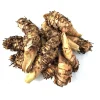
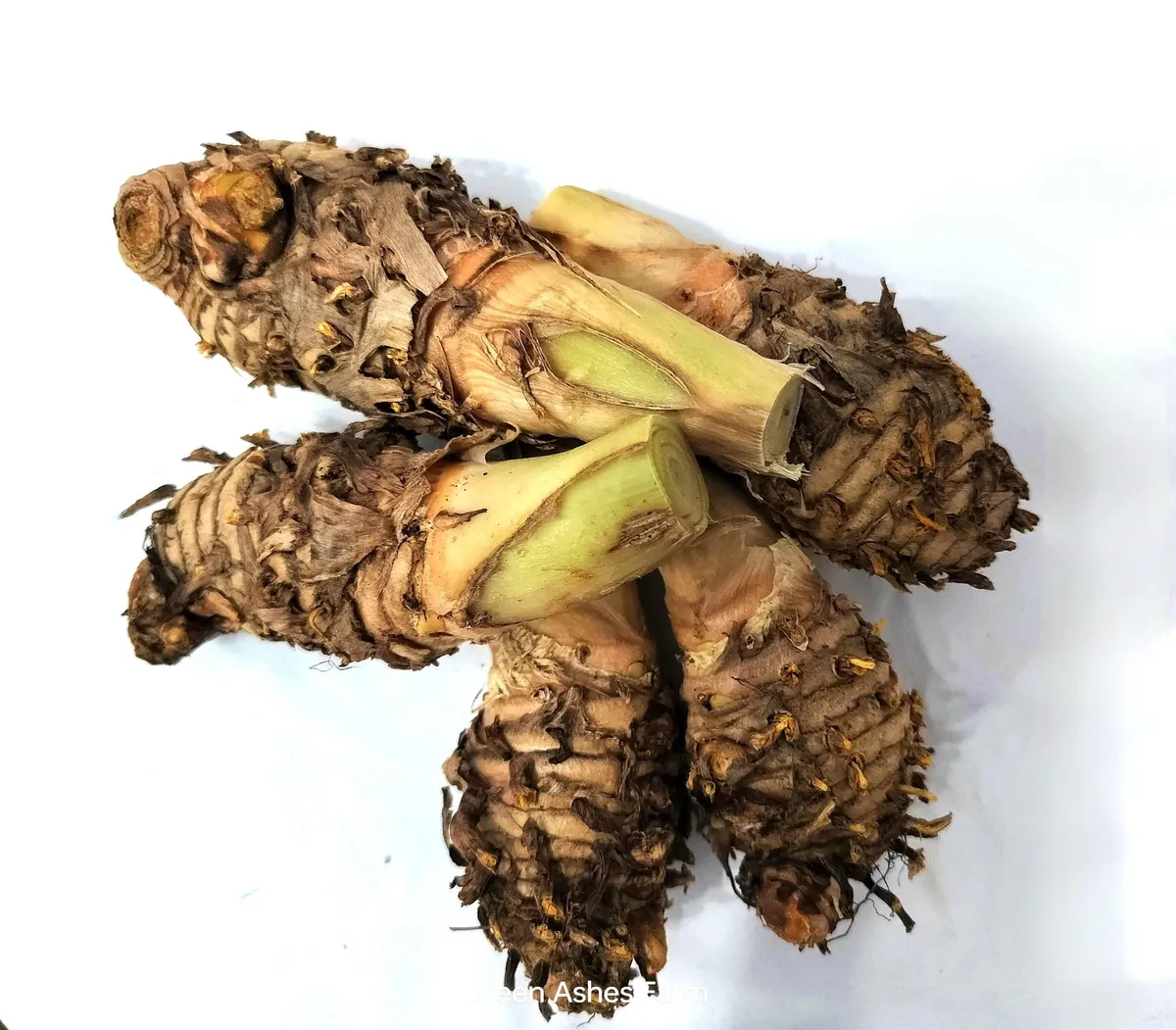
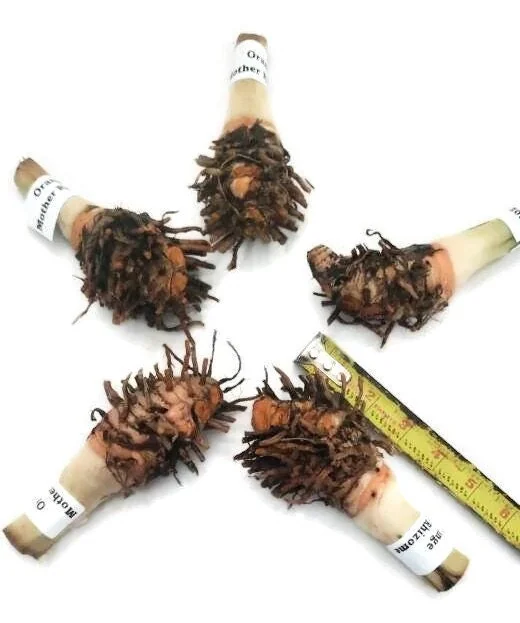
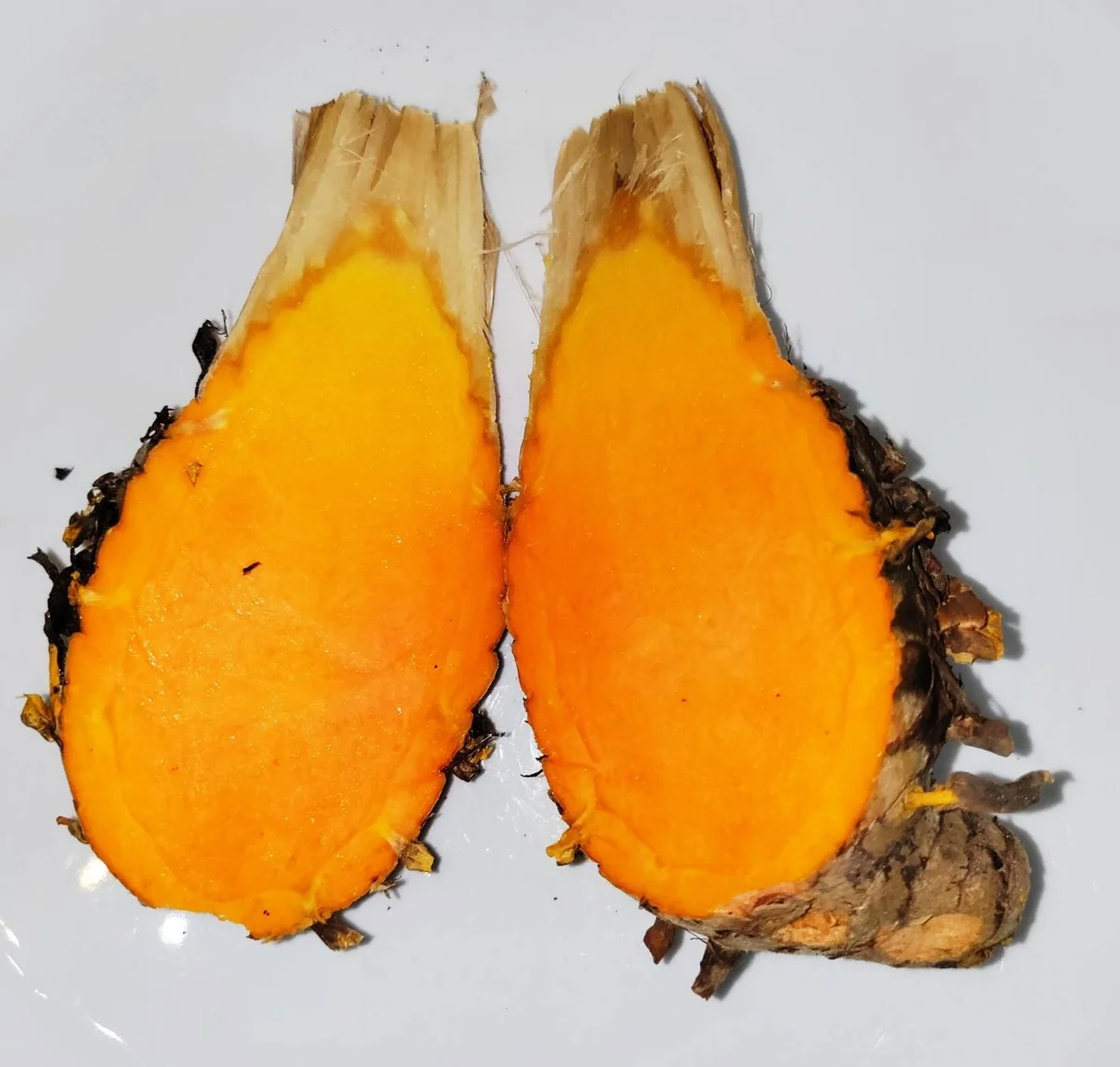
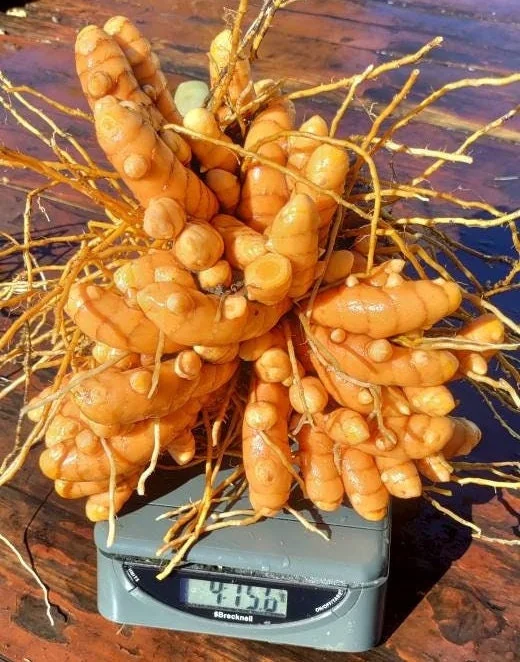
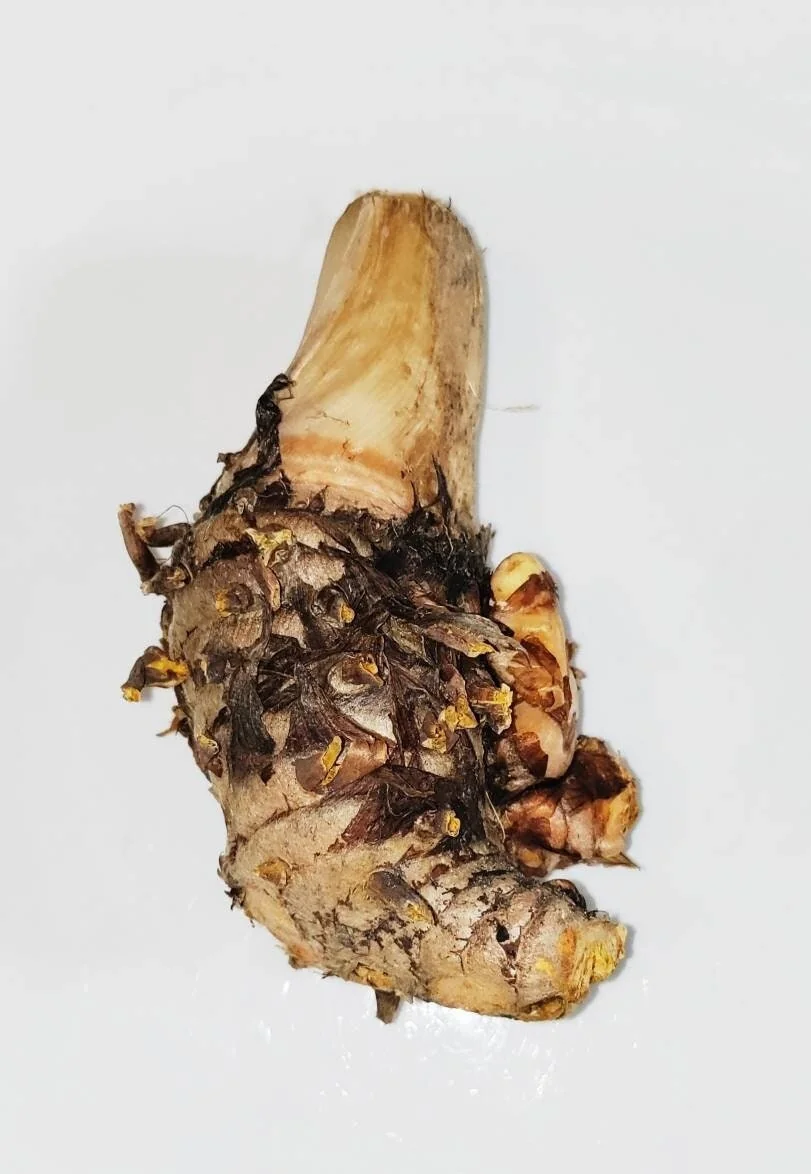
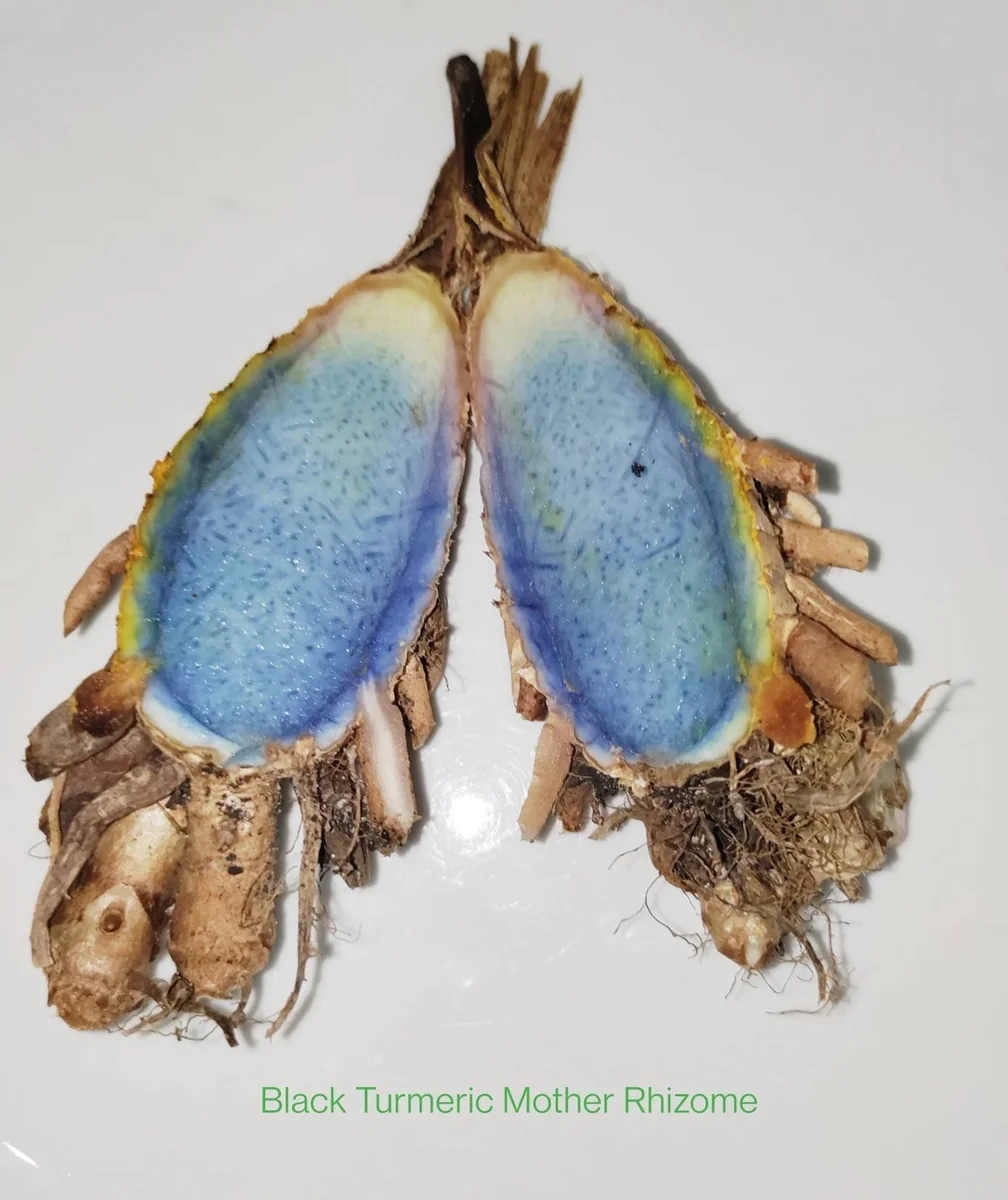
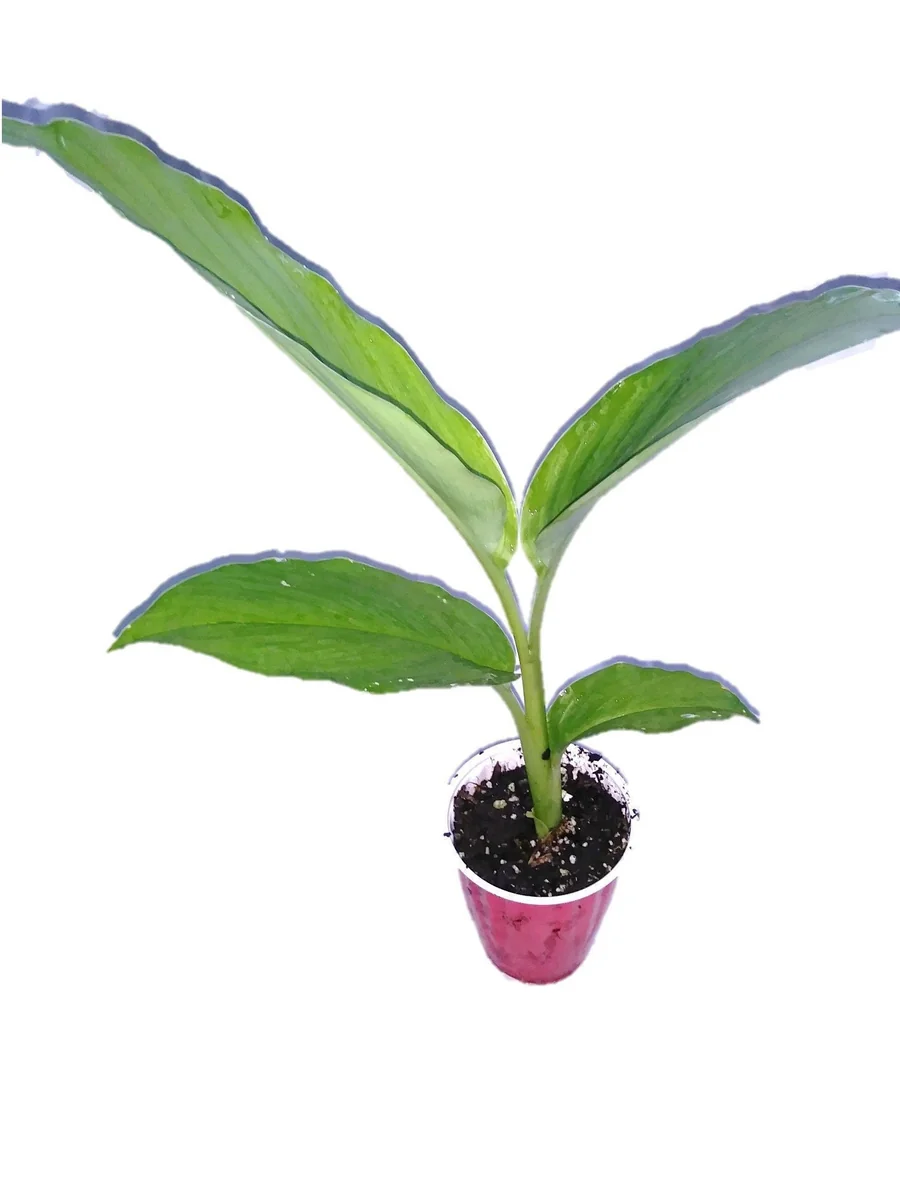
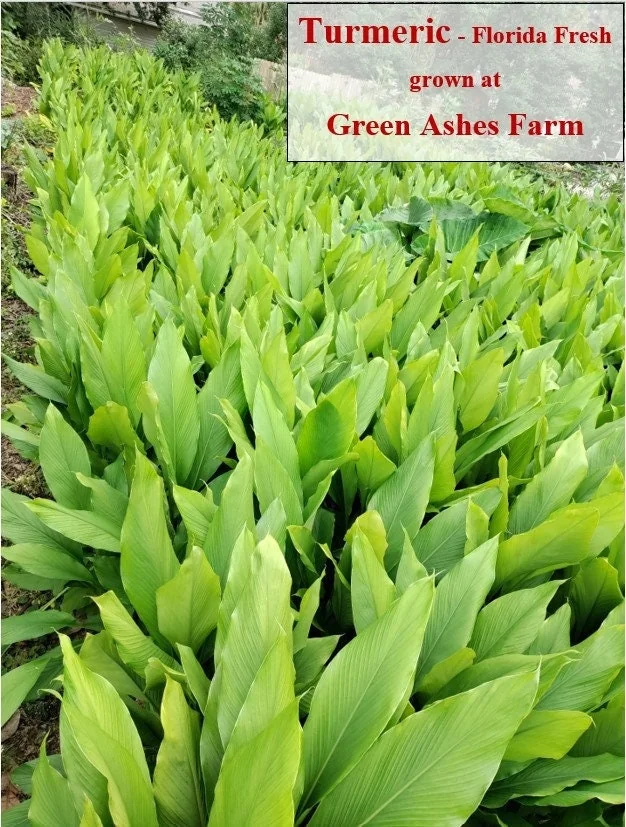
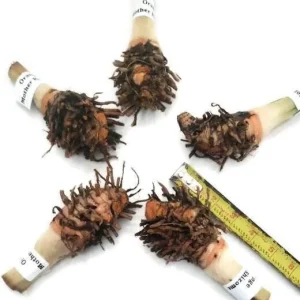
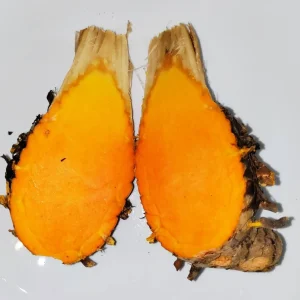
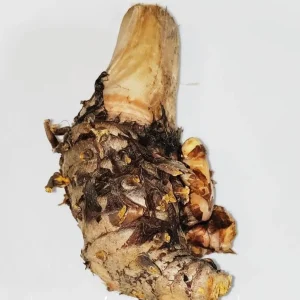
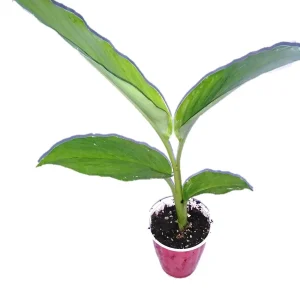
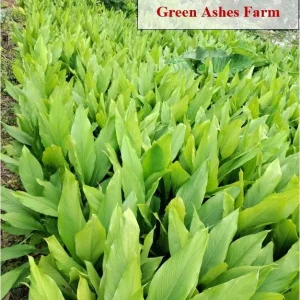
Embark on a rewarding gardening journey by cultivating your own flavorful spice with these orange turmeric mother rhizomes. Each order provides 5 premium, live rhizomes of Curcuma longa, the plant renowned for its vibrant color and earthy flavor. Unlike smaller finger rhizomes, these mother rhizomes are selected for their robust nature, offering a significantly more vigorous start and a potentially more abundant harvest of edible roots. Whether you’re a seasoned gardener or just starting, these organic turmeric roots provide an excellent foundation for a thriving turmeric patch, allowing you to grow your own turmeric for culinary or health benefits. Turmeric (Curcuma longa) is a tropical perennial herb in the ginger family, known for its underground stems (rhizomes) which are widely used as a spice and for their medicinal properties.
Key Benefits
Growing your own turmeric offers a multitude of advantages, from fresh culinary ingredients to engaging gardening experience:
- Superior Growth and Yield: These orange turmeric mother rhizomes are known to produce a more vigorous plant and a greater yield of edible roots compared to planting finger rhizomes, ensuring a bountiful harvest for your efforts.
- Fresh, Organic Produce: Enjoy the unparalleled freshness and quality of home-grown, organic turmeric. You’ll have complete control over its cultivation, free from unwanted chemicals.
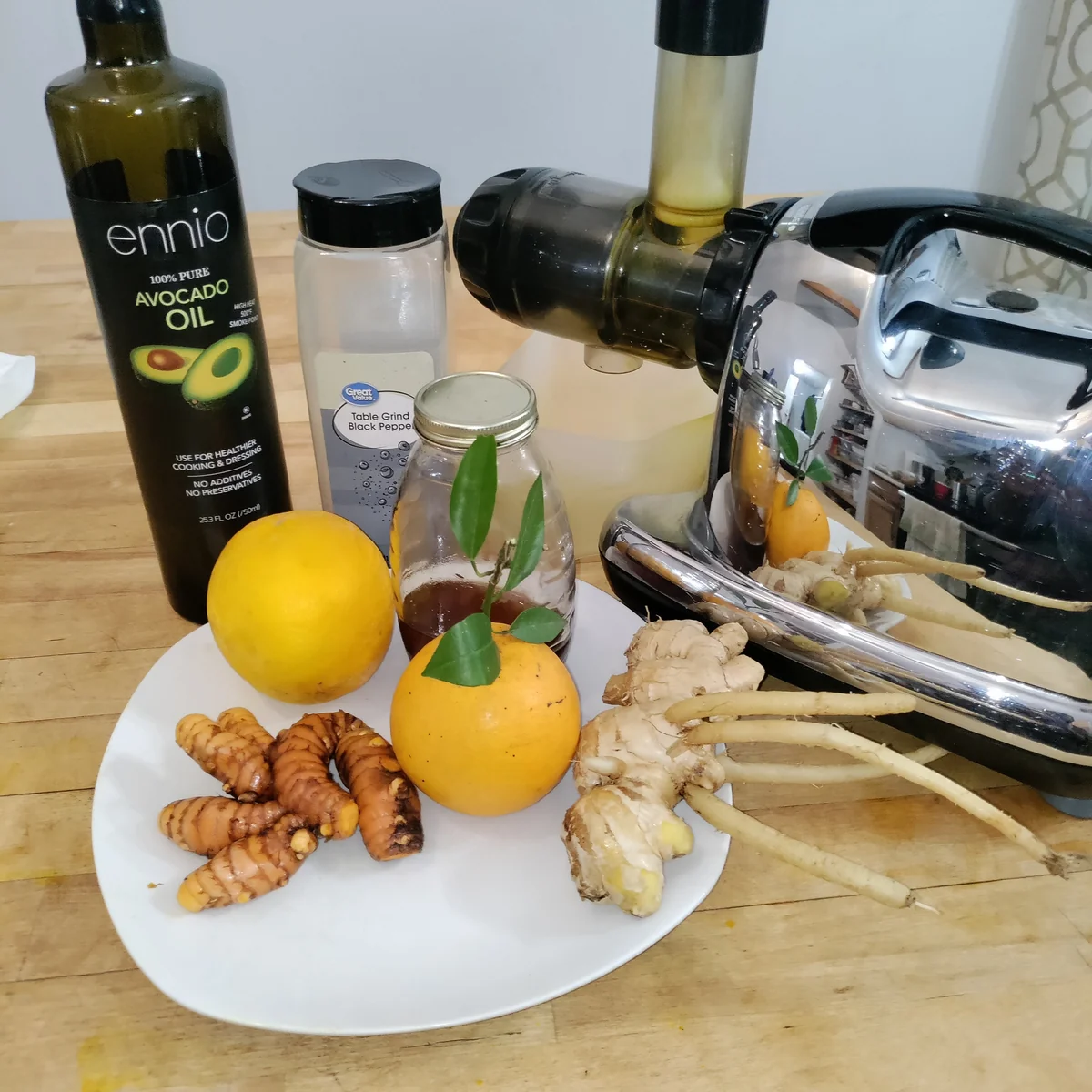
- Culinary Versatility: Harvest your own turmeric roots to use in daily fresh juices, curries, stews, and a variety of other recipes, adding a distinctive flavor and color to your dishes.
- Health Benefits: Turmeric is celebrated for its natural anti-inflammatory and antioxidant properties, making your home-grown supply a valuable addition to a healthy lifestyle.
- Rewarding Gardening Experience: Witnessing the growth of a tropical plant like Curcuma longa from a dormant rhizome to a lush, productive herb is immensely satisfying.
- Adaptable Growing: While ideal for warm climates, turmeric root for planting can also be successfully grown in containers, allowing you to bring it indoors during colder months.
- Sustainable Supply: Once established, your turmeric plants can provide a continuous supply of roots, with mother rhizomes often saved for replanting to ensure future harvests.
Plant Care & Growing Tips
Cultivating curcuma longa plant requires attention to its tropical origins, but with the right care, it’s a straightforward process. Upon arrival, your rhizomes will be dormant. If you’re not planting immediately, store them by burying them in a bucket of sand to maintain viability until spring. For optimal growth, turmeric thrives in rich, organic soil with excellent drainage. A potting mix amended with compost or well-rotted manure is ideal. Turmeric prefers full sun to partial shade; aim for at least 6-8 hours of direct sunlight daily if growing outdoors. In warmer climates, it can tolerate some afternoon shade to prevent scorching.
Watering is crucial for turmeric. Maintain uniform moisture throughout the growing season, ensuring the soil never dries out completely but also avoiding waterlogging. Good drainage is paramount to prevent rhizome rot. If growing in pots, choose the largest container possible and ensure it has drainage holes. A thick layer of mulch can help retain soil moisture and regulate temperature. Turmeric is a tropical plant and is not cold-hardy. If you live in an area with cold winters, plant your organic turmeric rhizomes in containers that can be moved indoors when temperatures drop below 50°F (10°C). Indoors, provide plenty of light, either from a sunny window or supplemental artificial grow lights. The plant can reach about 4 feet tall and 2-3 feet wide under optimal conditions. Fertilize every few weeks during the growing season with a balanced, organic liquid fertilizer to support vigorous growth and root development.
Size & Details
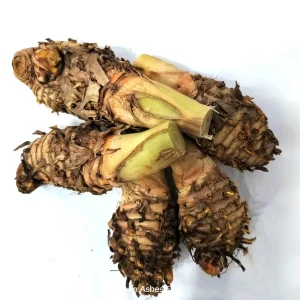
This offering includes 5 orange turmeric mother rhizomes, selected for their quality and potential for robust growth. These are live rhizomes, recently harvested and prepared for planting. Mother rhizomes are larger and more mature than finger rhizomes, providing a stronger start for your plant. Each rhizome has the potential to develop into a fully grown plant, reaching approximately 4 feet in height and 2-3 feet in width, given optimal growing conditions. They will arrive in a dormant state, ready to be planted when conditions are right. Simple instructions for planting and care will be included to help you successfully grow your own turmeric. Expect growth to commence in spring, with harvests typically available in late fall or early winter, allowing you to enjoy fresh, organic turmeric straight from your garden.
Frequently Asked Questions
- Q: How big will the curcuma longa plant get? A: Under optimal growing conditions, a fully grown turmeric plant can reach approximately 4 feet tall and 2-3 feet wide. The size can vary based on growing space and care.
- Q: Is this an indoor or outdoor plant? A: Turmeric is a tropical plant that thrives outdoors in warm climates (USDA zones 9-11). In colder regions, it can be grown outdoors during the warm season and brought indoors before temperatures drop, or cultivated year-round indoors in containers.
- Q: How much sunlight does turmeric root for planting need? A: Turmeric prefers full sun to partial shade, ideally receiving 6-8 hours of direct sunlight per day. In very hot climates, some afternoon shade can be beneficial.
- Q: What condition will the rhizomes arrive in? A: The orange turmeric mother rhizomes will arrive dormant, which is their natural state for planting. They are live and ready to sprout when planted in appropriate conditions.
- Q: Is this plant easy to care for? A: Turmeric is relatively easy to care for, especially if you can provide its preferred warm, moist, and sunny conditions. The main challenges are protecting it from cold and ensuring consistent moisture without waterlogging.
- Q: When is the best time to plant these organic turmeric rhizomes? A: The best time to plant turmeric rhizomes is in late winter or early spring, after the danger of frost has passed and soil temperatures have warmed up.
- Q: What’s the minimum temperature this plant can tolerate? A: Being a tropical plant, turmeric will not do well in cold temperatures. It needs to be protected when temperatures consistently fall below 50°F (10°C) to prevent damage or death.


Reviews
There are no reviews yet.