Overview
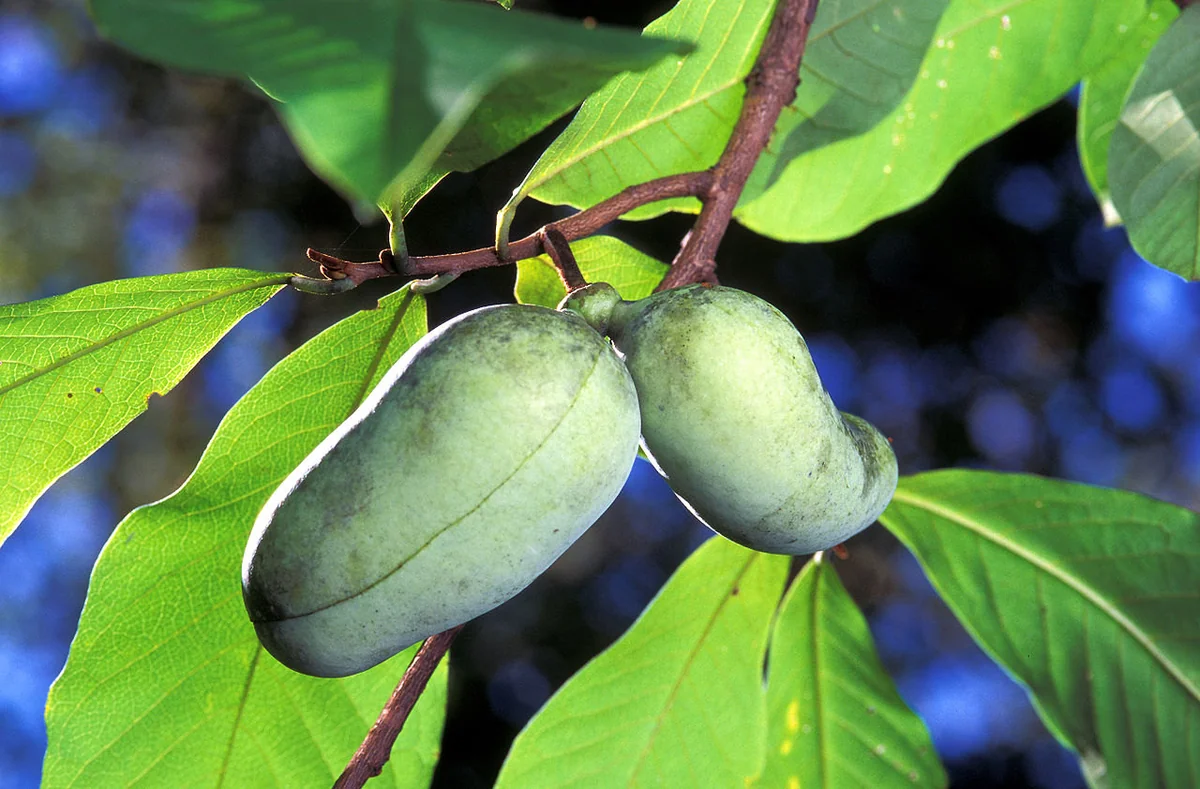
Discover the joy of growing your own native fruit with this offering of paw paw plants. This package includes 5 healthy Asimina Triloba bareroot specimens, each carefully prepared for planting and measuring 8-10 inches in height. The paw paw, scientifically known as Asimina Triloba, is a fascinating deciduous tree native to the eastern United States, renowned for its unique, custard-like fruit. These plants are an excellent choice for gardeners looking to add an interesting, edible, and low-maintenance tree to their landscape. They present a semi-tropical appearance with large leaves and can be grown as a multi-stemmed shrub or a small tree, forming a dense pyramidal or round-topped head. The fruit is a sweet, banana-like flavor and is edible, enjoyed by both humans and wildlife. A greenish-yellow berry that eventually turns brownish-black, it can reach about 2.5 inches and comes in various shapes. These trees are known for their resilience and ability to thrive in a range of conditions, making them a rewarding addition to many gardens. If you’re looking for edible paw paw trees that are both beautiful and productive, these bareroot plants are an ideal starting point.
Key Benefits
Bringing paw paw plants into your garden offers a multitude of advantages, from their unique aesthetic to their delicious fruit. Here are some of the key benefits you can expect from these remarkable trees:
- Unique Edible Fruit: Enjoy the sweet, custardy flavor of paw paw fruit, often described as a blend of banana, mango, and pineapple. This native fruit is a rare treat not commonly found in grocery stores. Growing your own ensures a fresh supply of this delicious and nutritious delicacy.
- Native Plant Benefits: As a native species, Asimina Triloba bareroot plants are well-adapted to local conditions, requiring less intervention once established. They support local ecosystems and provide food for native wildlife, contributing to biodiversity.
- Attractive Landscape Addition: With their large, tropical-looking leaves and dense growth habit, paw paw trees add an exotic touch to any garden. They can be a focal point or a beautiful addition to a naturalized area, offering visual interest throughout the growing season.
- Low Maintenance: Once established, these paw paw plants are relatively low maintenance. They are generally resistant to most pests and diseases, making them a fuss-free choice for busy gardeners. Their natural hardiness reduces the need for extensive care.
- Hardy and Resilient: These trees are suitable for USDA zones 5-8, demonstrating excellent cold hardiness. They can withstand a range of environmental conditions, making them a reliable choice for many regions.
- Naturalizing Potential: Paw paws can be used for naturalizing in moist, deep soils along streams or in woodland edges. They spread naturally, forming groves and creating a lush, forest-like environment, enhancing the natural beauty of your property.
- Wildlife Attractor: Beyond human consumption, the fruit is a favorite food source for various wildlife, including birds, squirrels, and raccoons, adding to the vibrancy of your garden’s ecosystem.
Plant Care & Growing Tips
Caring for your paw paw plants (Asimina Triloba) is a rewarding experience, leading to delicious fruit and a beautiful landscape. These bareroot plants are generally robust, but understanding their specific needs will ensure strong growth and abundant yields. For optimal growth, pawpaw tree care focuses on proper planting, watering, and light conditions. When your bareroot plants arrive, it’s crucial to plant them as soon as possible. Dig a hole wide enough to accommodate the roots without bending them, and deep enough so that the crown of the plant is at soil level. Backfill with soil, gently tamping down to remove air pockets, and water thoroughly.
Sunlight Requirements: While mature paw paw trees prefer full sun to partial shade for best fruit production, young Asimina Triloba bareroot plants, especially in their first year, benefit from some protection from intense afternoon sun. Partial shade is ideal for young plants, gradually exposing them to more sun as they mature. Aim for at least 6 hours of direct sunlight for fruiting trees.
Watering Schedule and Soil Moisture: Paw paw trees thrive in moist, deep soils, especially when young. Water regularly, ensuring the soil remains consistently damp but not waterlogged. Once established, they are more tolerant of drier conditions but will still benefit from irrigation during prolonged dry spells. Along with proper watering, a key aspect of pawpaw tree care is ensuring good drainage to prevent root rot.
Soil Type and Drainage: These trees prefer rich, well-draining, slightly acidic to neutral soil (pH 5.5-7.0). Amend heavy clay soils with organic matter to improve drainage and aeration. Paw paws are often found naturally in floodplains and along stream banks, indicating their preference for fertile, moist environments.
Temperature Range and USDA Hardiness Zone: These native fruit plants are hardy in USDA zones 5-8. They are quite cold-tolerant and can withstand winter temperatures within this range. Protection for very young plants during their first winter in colder zones may be beneficial.
Fertilization: Fertilize young trees sparingly, perhaps once a year in early spring with a balanced, slow-release fertilizer or organic compost. Avoid over-fertilizing, which can burn young roots. As the trees mature and begin to fruit, a light application of a balanced fertilizer in spring can support fruit development.
Common Problems and Solutions: Paw paws are generally pest and disease resistant. The paw paw sphinx moth caterpillar is a specialist feeder on paw paw leaves but rarely causes significant damage. Ensure good air circulation to prevent fungal issues. Proper watering and siting are the best defenses against most problems, contributing to robust paw paw plants.
Size & Details
This offering includes 5 individual paw paw plants, specifically Asimina Triloba bareroot specimens. Each plant measures between 8-10 inches in height, providing a solid foundation for growth. These plants are shipped in a bareroot state, meaning they are dormant and without soil around their roots, which is the ideal way to transport and establish many deciduous trees and shrubs. The bareroot form allows for easier shipping and typically results in a quick establishment once planted. Paw paw trees are known for their medium growth rate. While these young plants start at 8-10 inches, mature edible paw paw trees can reach heights of 15-20 feet, and sometimes even up to 30 feet, with a spread of 15-20 feet, forming a dense canopy. They are multi-stemmed and can develop a short trunk with spreading branches. Expect these native fruit plants to begin fruiting within 3-5 years after planting, depending on growing conditions and care. Planting instructions will be included to guide you through the process of successfully establishing your new trees.
Frequently Asked Questions
- Q: How big do these paw paw plants get? A: These bareroot plants are 8-10 inches tall upon arrival. Mature paw paw trees can reach heights of 15-20 feet, sometimes up to 30 feet, with a spread of 15-20 feet, forming a dense, rounded crown.
- Q: Are these an indoor or outdoor plant? A: These are outdoor plants, specifically deciduous trees. They are not suitable for indoor cultivation and require outdoor conditions to thrive and produce fruit.
- Q: How much sunlight do these paw paw plants need? A: Young Asimina Triloba bareroot plants prefer partial shade, especially from harsh afternoon sun. Once established and mature, they require at least 6 hours of full sun for optimal fruit production.
- Q: Is this plant easy to care for? Is it good for beginners? A: Yes, paw paw trees are relatively easy to care for once established and are a good choice for beginners. They are native, hardy, and generally resistant to pests and diseases, requiring minimal ongoing maintenance. Basic pawpaw tree care involves proper watering and siting.
- Q: What condition will the paw paw plants arrive in? A: The plants will arrive as Asimina Triloba bareroot specimens, meaning they are dormant and shipped without soil around their roots. This is a common and effective method for shipping deciduous plants.
- Q: When is the best time to plant these paw paw plants? A: Bareroot plants are best planted in early spring, as soon as the soil can be worked, before they break dormancy. This allows them to establish their root system before the heat of summer.
- Q: Can I use the paw paw fruit in cooking? A: Yes, the fruit of edible paw paw trees is delicious and versatile! It has a unique, sweet, tropical flavor and can be eaten fresh, used in desserts like custards, pies, and ice cream, or made into jams and jellies.
- Q: Will these paw paw plants survive winter in my zone? A: These paw paw plants are hardy in USDA zones 5-8, meaning they are well-adapted to survive winter temperatures within this range. They are deciduous and will lose their leaves in the fall.
- Q: Do I need more than one paw paw plant for fruit production? A: While some paw paw varieties are self-pollinating, most benefit greatly from cross-pollination with a different genetic strain to ensure good fruit set. Having multiple plants, or even better, multiple varieties, will significantly increase your fruit yield.
- Q: What does the fruit taste like? A: The paw paw fruit has a distinct, sweet, creamy flavor often compared to a blend of banana, mango, and pineapple. It’s a unique taste that many find delightful, making these native fruit plants highly sought after.


Reviews
There are no reviews yet.