Overview
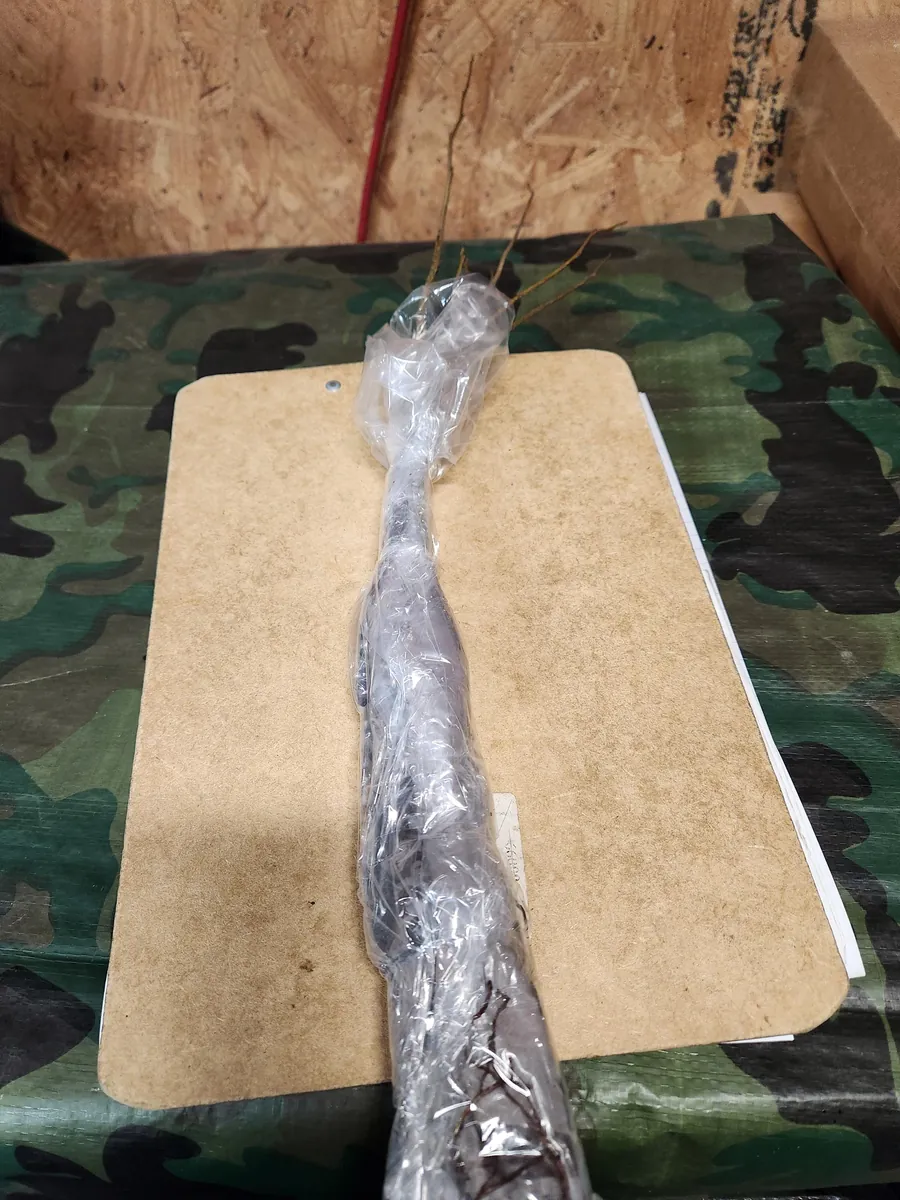
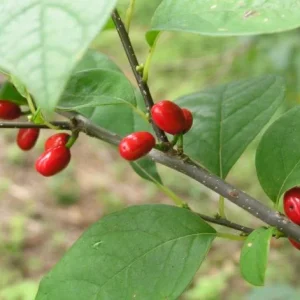
Introduce a touch of native American beauty to your garden with this offering of 5 Spicebush Plants (Lindera Benzoin). These resilient and charming deciduous shrubs are cherished for their early spring blooms, aromatic foliage, and bright red berries that attract various wildlife. Each plant is approximately 12 inches in height and shipped as a bare root spicebush, ready for planting upon arrival. Lindera Benzoin, commonly known as Spicebush, is a versatile and valuable addition to any landscape, providing ecological benefits and seasonal interest. This native shrub is an excellent choice for naturalizing areas, woodland gardens, or as a distinctive border plant, bringing a subtle elegance and vibrant life to your outdoor space.
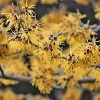
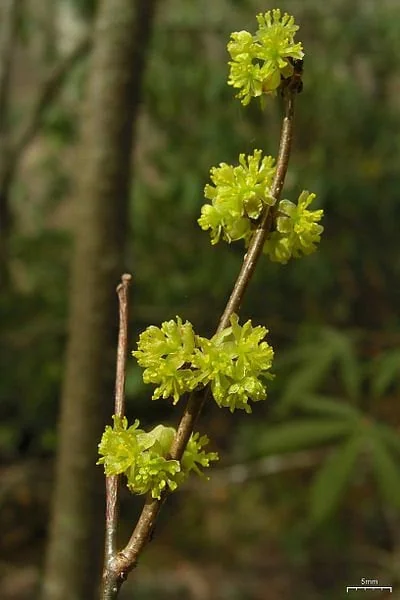
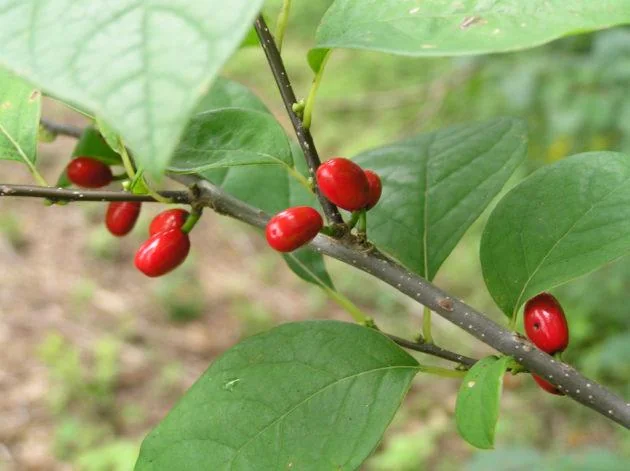
The spicebush live plant is renowned for its low-maintenance nature and adaptability to a range of growing conditions. Its unique greenish-yellow flowers emerge in early to mid-April, often before the leaves, signaling the arrival of spring. The foliage, when crushed, releases a pleasant, spicy aroma, adding another sensory dimension to your garden experience. As the seasons progress, the leaves transition to a brilliant golden-yellow in autumn, providing a spectacular display of fall color. The bright red drupes that follow the flowers are a vital food source for many bird species, making the lindera benzoin shrub a fantastic choice for wildlife enthusiasts.
Key Benefits
The spicebush live plant offers a multitude of benefits for both gardeners and the environment, making it a highly desirable addition to landscapes:
- Early Spring Interest: Be among the first to welcome spring with the delicate, greenish-yellow flowers of the Spicebush, blooming before most other plants leaf out. These blossoms provide an essential early nectar source for pollinators.
- Vibrant Fall Foliage: Enjoy a breathtaking display of golden-yellow leaves in autumn, adding significant seasonal color to your garden when many other plants are fading.
- Wildlife Attraction: The bright red berries are a crucial food source for various bird species, and the leaves serve as a host plant for the Spicebush Swallowtail butterfly, supporting local ecosystems.
- Aromatic Qualities: The leaves and twigs of the lindera benzoin shrub release a delightful spicy fragrance when bruised, providing a unique sensory experience in your garden.
- Adaptable & Low Maintenance: This robust native shrub thrives in a range of conditions, from moist, semi-shady spots to full sun, and requires minimal care once established, making it perfect for busy gardeners.
- Naturalizing & Border Plant: Its natural growth habit and moderate size make it an excellent choice for naturalizing areas, creating informal hedges, or as an understory plant in woodland settings.
- Moisture Tolerance: The spicebush plant care is relatively easy, especially for those with moist soil areas, as it tolerates damp conditions well, unlike many other shrubs.
Plant Care & Growing Tips
Caring for your spicebush live plant is straightforward, ensuring it thrives and provides years of beauty. For optimal growth, Spicebush prefers a location with partial shade to full sun. While it can tolerate full sun, it performs best and exhibits more vibrant fall color in sites that receive some afternoon shade, especially in hotter climates. It is particularly well-suited for moist soil areas, making it an excellent choice for rain gardens or near water features. The plant is adaptable to various soil types, but thrives in rich, well-drained loamy soil with a slightly acidic to neutral pH. When planting your bare root spicebush, ensure the roots are spread out and the plant is set at the same level it was growing previously, then water thoroughly.
Watering is crucial during the establishment phase. Keep the soil consistently moist but not waterlogged. Once established, Spicebush is fairly drought-tolerant but will benefit from supplemental watering during prolonged dry spells, especially if planted in full sun. Fertilization is generally not necessary in rich soils, but if your soil is poor, a balanced, slow-release granular fertilizer applied in early spring can be beneficial. Pruning is seldom required beyond removing dead or damaged branches. If shaping is desired, prune in late winter or early spring before new growth emerges. The native spicebush is remarkably resilient and generally pest and disease-free. It’s a hardy plant, typically thriving in USDA Zones 4-9.
Size & Details
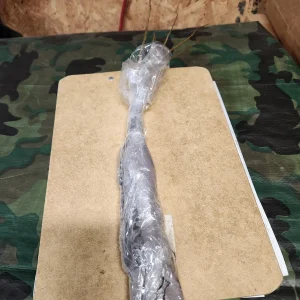
This offering includes 5 Spicebush Plants (Lindera Benzoin), each standing approximately 12 inches tall. They are shipped in a bare root spicebush condition, meaning they are dormant and ready for planting, which minimizes transplant shock and allows for easy establishment. At maturity, these shrubs typically reach a height of 6 to 12 feet with a similar spread, forming a handsome, multi-stemmed plant. The growth rate is considered slow to medium, allowing for controlled integration into your landscape. The Spicebush is dioecious, meaning individual plants are either male or female; both are needed for berry production. With proper spicebush plant care, you can expect these plants to establish well and begin producing flowers and foliage within their first few seasons.
The mature size of the lindera benzoin shrub makes it suitable for various garden applications, from specimen planting to use as a natural screen or hedge. Its ability to tolerate moist conditions makes it an excellent choice for areas where other plants might struggle. The transition from delicate spring flowers to vibrant fall color and then to bright red berries ensures continuous visual interest throughout the growing season. These plants are grown with care to ensure they are healthy and ready to flourish in your garden, providing a valuable habitat for local wildlife.
Frequently Asked Questions
- Q: How big does this spicebush live plant get? A: At maturity, the Spicebush typically grows 6 to 12 feet tall with a similar spread. Its slow to medium growth rate allows for a manageable addition to your landscape.
- Q: Is this an indoor or outdoor plant? A: The spicebush live plant is an outdoor shrub, perfectly suited for garden beds, naturalizing areas, or woodland settings. It is not suitable for indoor cultivation.
- Q: How much sunlight does the native spicebush need? A: Spicebush thrives in partial shade to full sun. While it can tolerate full sun, it often prefers some afternoon shade, especially in warmer climates, for best performance and fall color.
- Q: Is this plant easy to care for? A: Yes, the lindera benzoin shrub is known for being low-maintenance and adaptable. Once established, it requires minimal care, making it a good choice for both beginner and experienced gardeners.
- Q: What condition will the bare root spicebush arrive in? A: The plants will arrive dormant and bare root, meaning they are shipped without soil around their roots. This is a common and effective method for shipping deciduous trees and shrubs.
- Q: When is the best time to plant a spicebush live plant? A: The best time to plant bare root shrubs like Spicebush is in early spring, after the last hard frost but before the heat of summer, or in the fall after temperatures cool down.
- Q: Will the spicebush live plant survive winter in my zone? A: Spicebush is very hardy and is typically hardy in USDA Zones 4 through 9, meaning it can tolerate a wide range of winter temperatures.
- Q: What kind of soil does the spicebush live plant prefer? A: Spicebush prefers moist, well-draining loamy soil. It can tolerate a range of soil types but thrives in rich, organic conditions and is particularly well-suited for areas with consistent moisture.


Reviews
There are no reviews yet.