





Overview
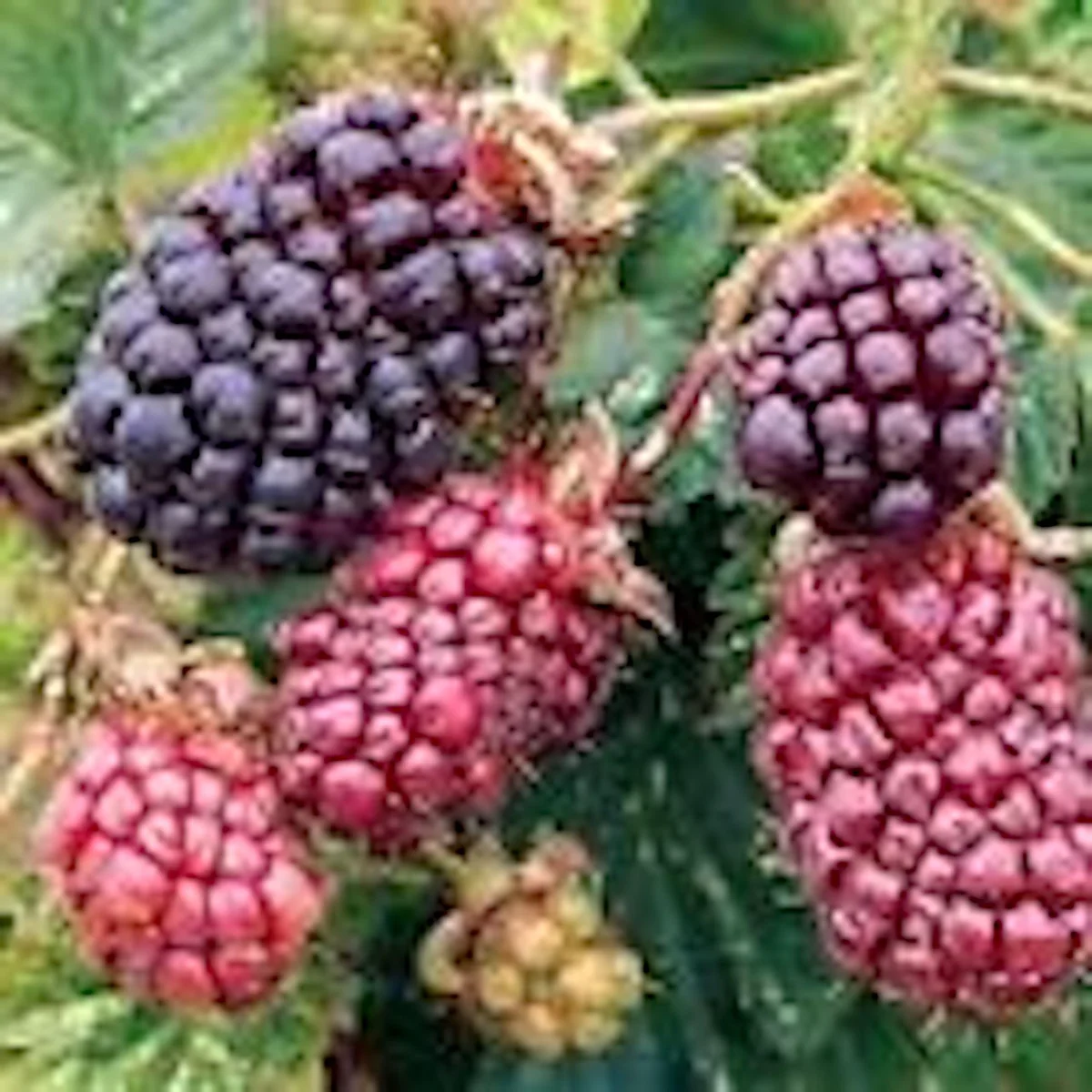
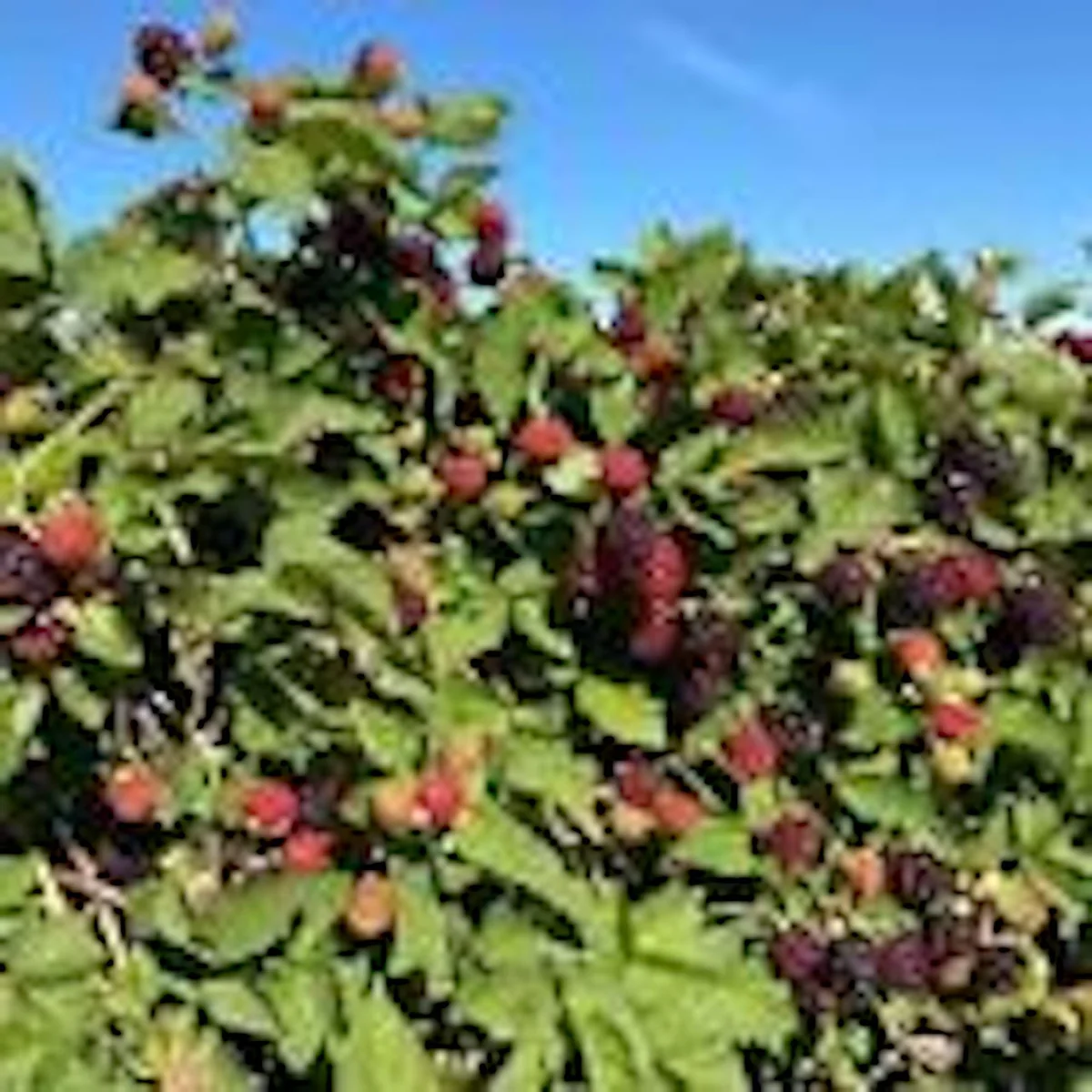
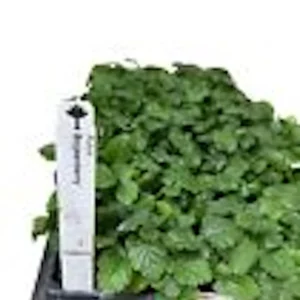
Embark on a rewarding gardening journey with our 5 Thornless Boysenberry Plant Starters. These robust perennial fruit bushes provide a unique opportunity to grow your own succulent boysenberries right in your backyard. The boysenberry (Rubus ursinus × Rubus idaeus) is a fascinating hybrid fruit, a delightful cross between the European raspberry, American blackberry, and loganberry. Renowned for its large, dark purple to reddish-black berries, this plant produces fruit celebrated for its distinctive sweet-tart flavor, making it a culinary favorite for jams, jellies, pies, and an array of other desserts. Growing your own thornless boysenberry plant ensures a fresh, abundant supply of these versatile berries, free from the hassle of thorns, simplifying harvesting and care. Imagine the satisfaction of picking your own fruit, rich in flavor and perfect for a multitude of culinary creations.
Each order includes 5 healthy starter plants, ready to establish themselves and become productive members of your garden. These plants are ideal for both novice and experienced gardeners looking to expand their edible landscape. The thornless nature of this variety is a significant advantage, offering a more enjoyable gardening and harvesting experience. As a perennial fruit bush, it will return year after year, providing a consistent bounty of delicious fruit with proper care. The boysenberry plant is not only productive but also adds a touch of natural beauty to your garden with its lush foliage and eventual fruit clusters. Get ready to enjoy the unparalleled taste of homegrown boysenberries!
Key Benefits
Adding a thornless boysenberry plant to your garden offers numerous advantages, from delightful harvests to ease of maintenance. These benefits make it an excellent choice for any home gardener:
- Abundant, Delicious Fruit: Enjoy a prolific yield of large, flavorful boysenberries known for their sweet-tart taste. These berries are perfect for fresh eating, baking, making preserves, or freezing for later use. You’ll have a constant supply of fresh fruit throughout the harvest season.
- Thornless Variety: The absence of thorns makes harvesting significantly easier and more enjoyable, reducing the risk of scratches. This feature also makes the plant more accessible for children and less of a hazard in high-traffic garden areas, enhancing your overall gardening experience.
- Perennial Growth: As a perennial fruit bush, your boysenberry plants will return year after year, providing continuous harvests without the need for annual replanting. This saves time and effort, establishing a long-term source of fresh fruit in your garden.
- Versatile Culinary Use: Boysenberries are incredibly versatile in the kitchen. Use them to create homemade jams, jellies, pies, cobblers, smoothies, or simply enjoy them fresh from the bush. Their unique flavor profile enhances a wide range of dishes.
- Vigorous Growth: These plants are known for their strong, sprawling growth habit, quickly establishing themselves in your garden. With proper support, they can form an attractive and productive addition to your landscape, offering both aesthetic appeal and edible bounty.
- Hybrid Vigor: As a hybrid of raspberry, blackberry, and loganberry, the boysenberry combines the best characteristics of its parent plants, resulting in a robust and productive fruit bearer. This genetic advantage contributes to its resilience and fruit quality.
- Easy to Grow: While specific care is beneficial, the boysenberry plant care requirements are generally straightforward, making it suitable for gardeners of various skill levels. With adequate sunlight and water, these plants thrive and produce bountiful harvests.
Plant Care & Growing Tips
Proper boysenberry plant care is essential for a healthy, productive harvest of your thornless boysenberry plant. These plants are relatively low-maintenance once established, but a few key practices will ensure optimal growth and fruit production. Boysenberries thrive in full sun, meaning they need at least 6-8 hours of direct sunlight per day. Choose a location in your garden that receives ample sun exposure to encourage vigorous growth and maximum fruit yield. Good air circulation is also beneficial to prevent fungal diseases, so avoid overcrowding.
Boysenberries prefer well-draining, slightly acidic soil with a pH between 6.0 and 6.5. Amend heavy clay soils with organic matter like compost or aged manure to improve drainage and fertility. Consistent moisture is crucial, especially during flowering and fruiting periods. Water deeply and regularly, aiming for about 1 inch of water per week, either from rainfall or irrigation. Avoid overhead watering to minimize leaf wetness, which can lead to disease. Mulching around the base of the plants with straw or wood chips can help retain soil moisture, suppress weeds, and regulate soil temperature. Fertilize in early spring with a balanced slow-release fertilizer or compost to support healthy growth. Pruning is vital for managing the sprawling vine or shrub; remove old, fruited canes after harvest and thin new canes to maintain an open structure. Training canes on a trellis or wire system will also make harvesting easier and keep the plants tidy. Understanding how to grow boysenberries successfully will lead to years of delicious fruit.
The boysenberry is a hardy plant, generally thriving in USDA zones 5-9. In colder climates, some winter protection may be beneficial, such as mulching heavily around the base or covering the canes. Watch out for common pests like aphids or spider mites, and treat them with organic insecticidal soaps if necessary. Fungal diseases like powdery mildew can be managed by ensuring good air circulation and, if needed, applying appropriate organic fungicides. By following these care guidelines, your perennial fruit bush will flourish, providing you with an abundance of sweet-tart boysenberries.
Size & Details
These 5 Thornless Boysenberry Plant Starters are shipped as bare root plants, carefully prepared for transplanting into your garden. As a perennial shrub, the boysenberry plant can grow into a sprawling vine or shrub, typically reaching heights of 4 to 6 feet (1.2 to 1.8 meters) and spreading widely up to 6 to 8 feet (1.8 to 2.4 meters) when left unpruned. However, with proper trellising and pruning, you can manage its size to fit your garden space. These starter plants are young and will require a growing season to establish a strong root system before they begin to produce significant fruit. Expect your first substantial harvest in the second year after planting.
The vigorous growth rate of this hybrid fruit ensures that it will quickly fill out its designated area. The thornless nature is a major benefit, making cultivation and harvesting a much more pleasant experience compared to traditional thorny varieties. Each plant is a robust starter, ready to be planted directly into your prepared garden bed or a large container. With consistent care, these plants will mature into productive fruit-bearing bushes, providing you with fresh, homegrown boysenberries for many years to come. Knowing how to grow boysenberries effectively will ensure a bountiful yield.
Frequently Asked Questions
- Q: How big do these boysenberry plants get? A: When mature and left unpruned, a thornless boysenberry plant can reach heights of 4 to 6 feet and spread up to 6 to 8 feet. With proper pruning and trellising, you can manage its size to fit your garden space.
- Q: Are these an indoor or outdoor plant? A: Boysenberry plants are primarily outdoor plants, thriving in full sun and requiring sufficient space to grow. They are not suitable for long-term indoor cultivation, as they need outdoor conditions to fruit properly.
- Q: How much sunlight do boysenberries need? A: Boysenberries require full sun, meaning at least 6-8 hours of direct sunlight daily, to produce the best fruit. Choose a sunny spot in your garden for planting.
- Q: Is this plant easy to care for? A: Yes, with consistent boysenberry plant care, they are relatively easy to grow. Key aspects include regular watering, good drainage, full sun, and annual pruning to maintain health and productivity.
- Q: What condition will the plants arrive in? A: The plants will arrive as bare root starters, meaning they will not be in pots or have soil around their roots. This is a common and effective way to ship dormant perennial plants.
- Q: When is the best time to plant boysenberries? A: The ideal time to plant bare root boysenberry plants is in early spring, after the last frost, to allow them to establish before the summer heat.
- Q: Will these boysenberry plants survive winter in my zone? A: Boysenberries are generally hardy in USDA Zones 5-9. In colder zones, providing winter protection such as heavy mulching or covering the canes can help them survive.
- Q: Can I use these boysenberries for baking and jams? A: Absolutely! The large, sweet-tart fruit from your perennial fruit bush is highly valued in the culinary world and perfect for making delicious jams, jellies, pies, cobblers, and other desserts.
- Q: How long until the plants produce fruit? A: Boysenberry plants typically start producing a small amount of fruit in their second year after planting, with full production usually beginning in the third year.
- Q: What type of soil is best for growing boysenberries? A: Boysenberries prefer well-draining, slightly acidic soil with a pH between 6.0 and 6.5. Amending with organic matter can improve soil structure and fertility for optimal growth.


Reviews
There are no reviews yet.