Overview
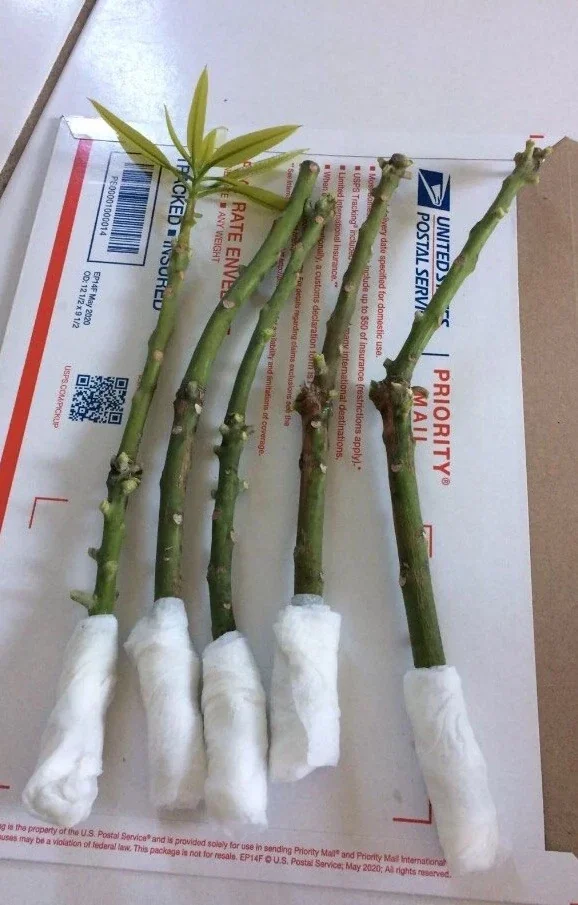
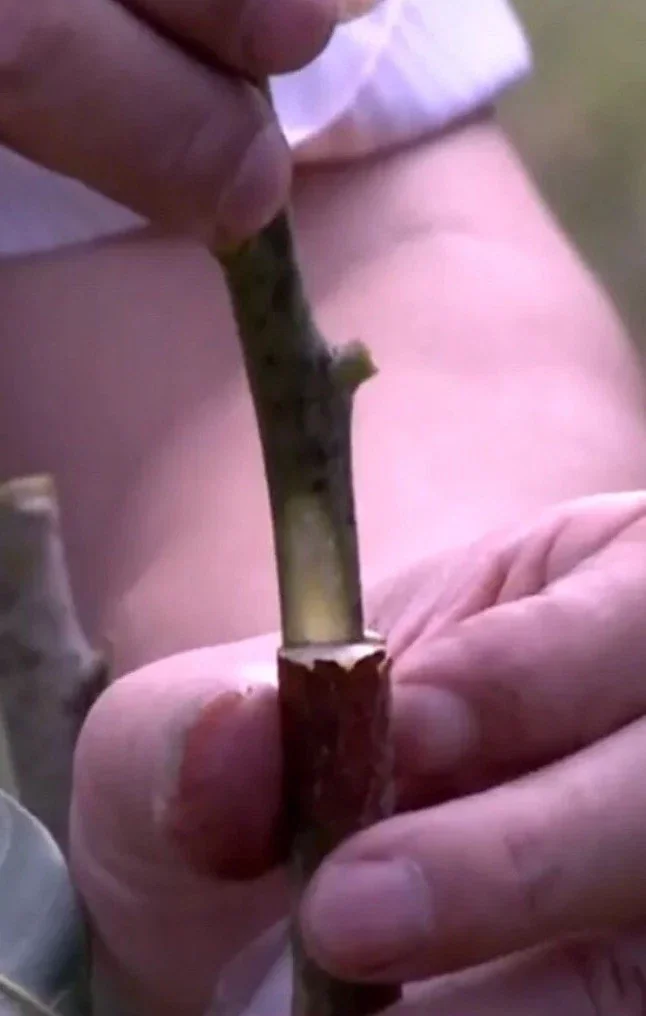
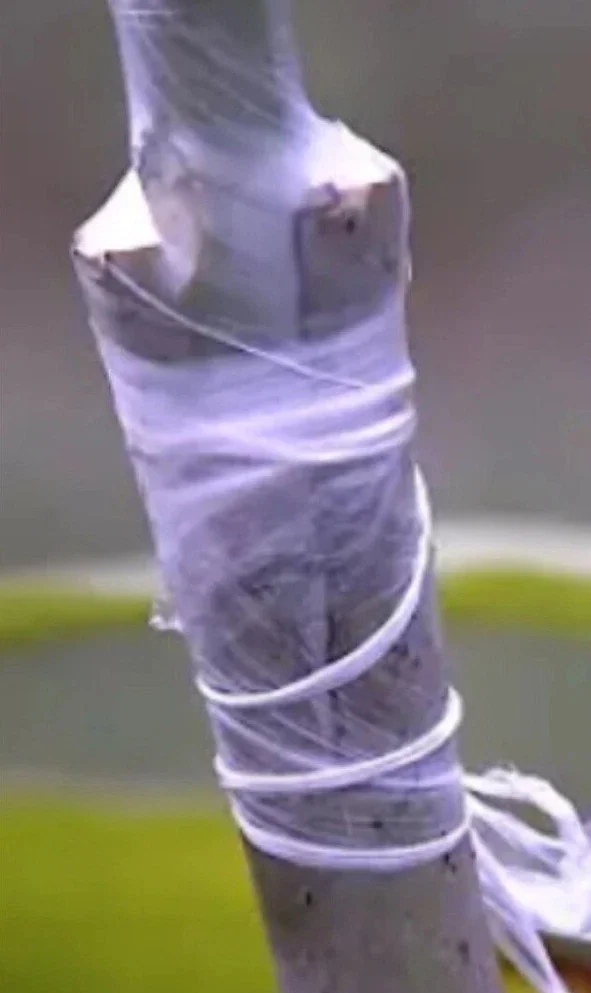
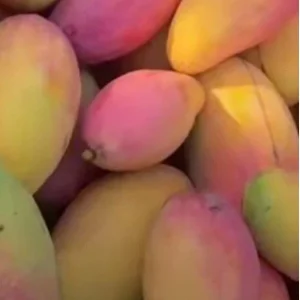
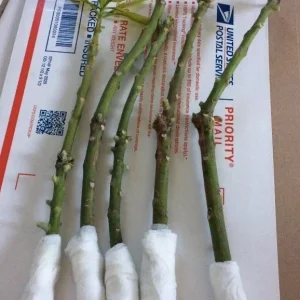
Embark on your journey to a backyard filled with tropical delights with these premium valencia mango scions. This offering includes 5 high-quality cuttings, specifically selected for successful grafting. Valencia mangoes are renowned for their sweet, juicy, and fiber-free flesh, making them a highly sought-after variety for both fresh eating and culinary applications. By using these scions, you can create your own grafted mango trees, ensuring the consistent quality and characteristics of the desired fruit. Grafting is an ancient horticultural technique that allows you to combine the desirable fruiting traits of one plant (the scion) with the robust root system of another (the rootstock), leading to faster fruiting and improved hardiness. These mango grafting cuttings provide an exciting opportunity for enthusiasts to expand their fruit tree collection.
Whether you’re an experienced grafter or a curious beginner, these scions offer a fantastic starting point for propagating your own fruit trees. Imagine harvesting your own sweet, homegrown Valencia mangoes right from your garden. The process of grafting, while requiring some skill, is incredibly rewarding, allowing you to connect directly with the plant’s growth cycle. These cuttings are sourced to provide the best chance for successful integration with a suitable rootstock, helping you to grow mango tree varieties that thrive in your climate.
Key Benefits
Investing in valencia mango scions offers numerous advantages for the home gardener and fruit enthusiast alike. These cuttings are a gateway to cultivating a specific and desirable mango variety with known characteristics.
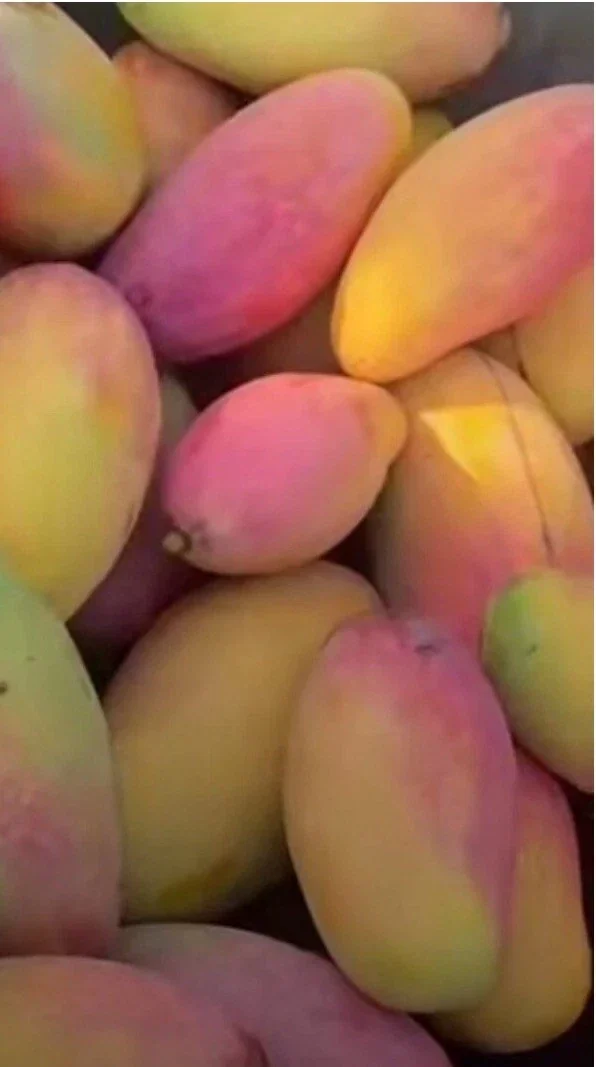
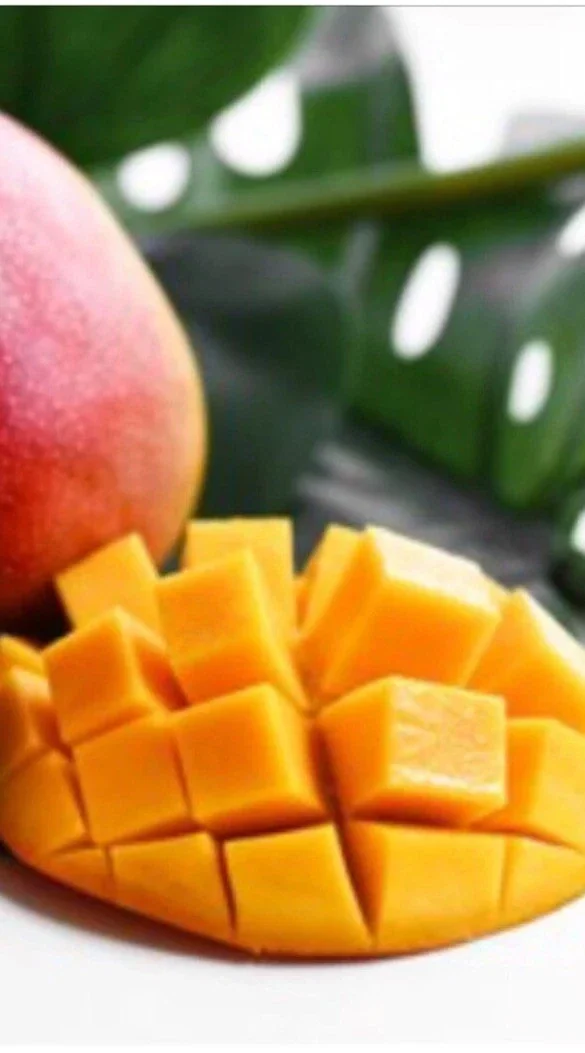
- Authentic Valencia Mangoes: Ensure you are propagating the true Valencia variety, celebrated for its excellent flavor, smooth texture, and vibrant color. This means you can enjoy the consistent, high-quality fruit you expect from a premium mango.
- Accelerated Fruiting: Grafted trees typically bear fruit much faster than those grown from seed, often within a few years. This allows you to enjoy your homegrown mangoes sooner, bypassing the long wait associated with seedling trees.
- Disease Resistance & Vigor: Grafting allows you to combine the desirable fruit characteristics of the scion with a robust, disease-resistant, or climate-adapted rootstock. This can lead to a healthier and more resilient valencia mango plant.
- Space Efficiency: By grafting onto dwarf or semi-dwarf rootstock, you can create a more compact tree, suitable for smaller gardens or even large containers. This is especially beneficial for those with limited outdoor space.
- Horticultural Experience: Engaging in mango grafting cuttings provides a fulfilling hands-on gardening experience, deepening your understanding of plant propagation and cultivation. It’s a rewarding skill to master for any serious gardener.
- Cost-Effective Expansion: Propagating your own trees from scions can be a more economical way to expand your orchard compared to purchasing mature grafted trees, especially when looking to grow mango tree varieties.
- Fresh, Homegrown Produce: Enjoy the unparalleled taste and freshness of mangoes picked directly from your own tree. You’ll have control over cultivation methods, ensuring organic or preferred growing practices for delicious, healthy fruit.
Plant Care & Growing Tips
Successful grafting and subsequent growth of your valencia mango scions require careful attention to specific environmental and care factors. Mangoes thrive in warm, tropical, and subtropical climates. They need abundant sunlight, preferably full sun for at least 6-8 hours daily, to produce sweet and flavorful fruit. If you’re in a cooler climate, consider growing your grafted tree in a large container that can be moved indoors during colder months. The USDA Hardiness Zone for mangoes is typically 9-11, indicating their preference for frost-free conditions. Protection from cold snaps is crucial for young trees.
The ideal soil for your valencia mango plant should be well-draining, slightly acidic to neutral (pH 6.0-7.0), and rich in organic matter. Avoid heavy clay soils that retain too much moisture, as this can lead to root rot. When watering, ensure the soil dries out slightly between waterings, especially for young trees. Established trees are more drought-tolerant but benefit from regular watering during dry periods and fruit development. Fertilize your grafted mango tree with a balanced fertilizer formulated for fruit trees, following package instructions, typically starting after new growth appears post-grafting. Reduce fertilization during dormancy. Look out for common pests like aphids or scale and treat them promptly with appropriate organic or chemical solutions to ensure your grow mango tree project is successful.
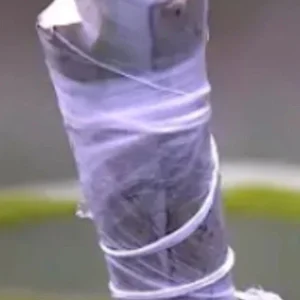
Pruning is essential for shaping the tree, promoting air circulation, and encouraging fruit production. Remove any dead, diseased, or crossing branches. After grafting, carefully monitor the graft union for signs of successful healing and new growth. Protect the young graft from strong winds and intense sun initially. With proper care and attention, your fruit tree propagation efforts will yield rewarding results, allowing you to enjoy delicious Valencia mangoes for years to come.
Size & Details
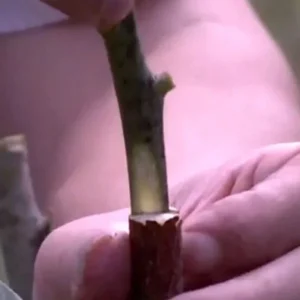
This product includes 5 Valencia Mango Cuttings Scions, specifically prepared for grafting. The exact length and diameter of each scion can vary slightly but are typically selected to be suitable for common grafting techniques. These scions are essentially dormant wood segments from a mature Valencia mango tree, containing several healthy buds ready to sprout once successfully grafted onto a compatible rootstock. The goal of using mango grafting cuttings is to ensure genetic purity and fruit consistency, unlike growing from seed which can produce variable results.
These scions are intended for outdoor cultivation in suitable climates or for container growing in regions with colder winters. They represent the initial stage of fruit tree propagation, requiring a rootstock and grafting expertise to develop into a mature tree. Expected growth rates for a grafted Valencia mango tree can vary depending on the rootstock, climate, and care, but typically, they can reach a mature height of 10-20 feet if allowed, or be maintained at a smaller size with pruning. Fruiting can begin within 2-4 years after successful grafting and establishment.
Frequently Asked Questions
- Q: How big does a Valencia mango tree get after grafting? A: A grafted valencia mango plant can typically grow to 10-20 feet tall, depending on the rootstock used and whether it’s pruned for size management. It can be kept smaller with regular trimming, especially if grown in a container.
- Q: Is this an indoor or outdoor plant? A: Valencia mangoes are tropical fruit trees best suited for outdoor cultivation in USDA Zones 9-11. In colder climates, they can be grown in large containers and moved indoors during winter to protect them from frost.
- Q: How much sunlight does a grafted mango tree need? A: For optimal health and fruit production, a grafted mango tree requires at least 6-8 hours of direct full sun daily. Insufficient light can lead to poor growth and reduced fruiting.
- Q: What condition will the valencia mango scions arrive in? A: The scions are typically harvested fresh and shipped dormant, carefully packaged to maintain viability during transit. They should be firm and healthy upon arrival, ready for immediate grafting.
- Q: How do I choose a rootstock for these mango grafting cuttings? A: Choose a healthy, vigorous mango seedling or a known compatible rootstock variety that is adapted to your local climate and soil conditions. Common rootstocks include Turpentine or Gomera-1.
- Q: When is the best time to graft these scions? A: The ideal time for grafting mangoes is typically during the warmer months when the rootstock is actively growing, usually late spring to early summer. This allows for faster healing of the graft union.
- Q: Is fruit tree propagation difficult for beginners? A: While grafting requires some practice and specific tools, it is a skill that can be learned by beginners. Many online tutorials and resources are available to guide you through the process, helping you to confidently grow mango tree varieties.
- Q: What kind of soil is best for a grafted mango tree? A: A well-draining, slightly acidic to neutral soil (pH 6.0-7.0) is ideal. Amending with organic matter can improve soil structure and fertility, which is crucial for a healthy valencia mango plant.
- Q: How long until I can expect fruit from a grafted tree? A: With successful grafting and proper care, you can typically expect your grafted Valencia mango tree to start bearing fruit within 2 to 4 years. This is significantly faster than trees grown from seed.
- Q: Will these scions help me grow mango tree with specific traits? A: Yes, grafting ensures that the new tree will produce fruit with the exact characteristics (flavor, texture, size) of the parent Valencia mango tree from which the scions were taken, unlike open-pollinated seeds.


Reviews
There are no reviews yet.