Overview
Transform your outdoor space with the timeless beauty of white althea trees bare root. This offering includes five high-quality bare root specimens of Hibiscus syriacus, commonly known as Rose of Sharon or Althea. Each plant has been meticulously trimmed and trained to develop into an elegant tree form, ready to bring a sophisticated touch to your garden. The white althea trees bare root are a popular choice for their late summer blooms, providing a burst of pristine white flowers when many other plants are beginning to fade. These resilient plants are ideal for creating stunning visual impact in various landscape designs, from formal gardens to more naturalized settings. Their ability to thrive in a range of conditions makes them a versatile and rewarding addition for gardeners looking for reliable, long-lasting beauty.
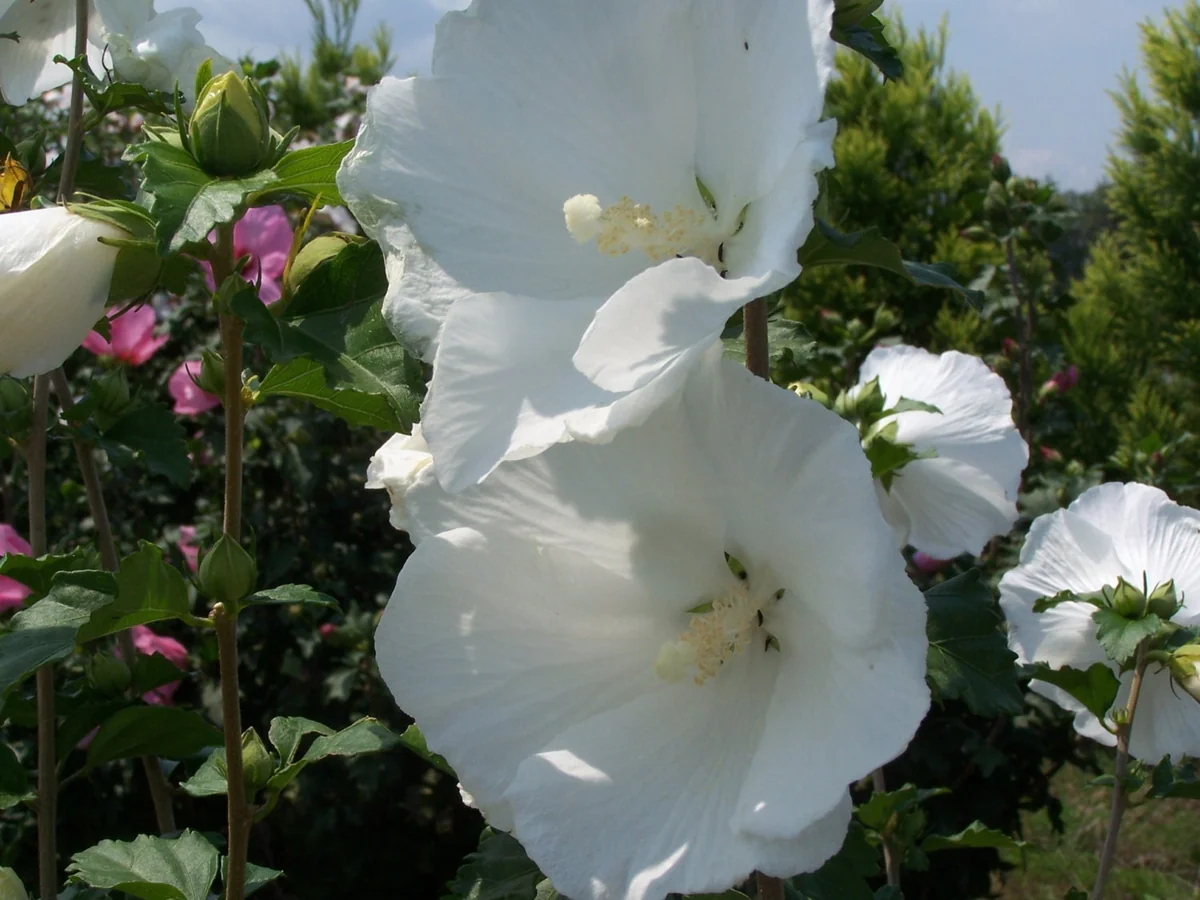
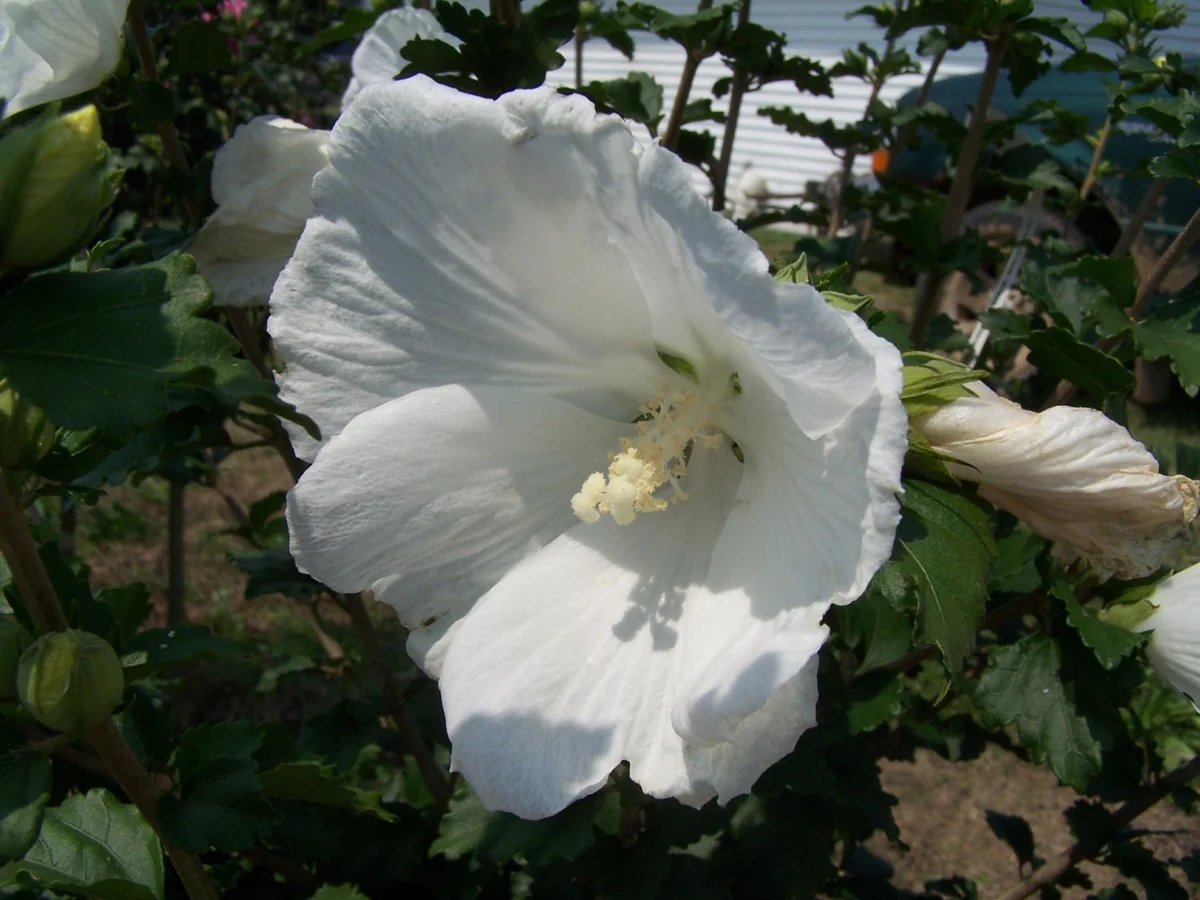
The hibiscus syriacus plant is celebrated for its vigorous growth and abundant flowering. Our bare root trees are an economical and efficient way to establish these magnificent plants in your garden. They are ready to be planted upon arrival, allowing for quick establishment and growth. With their erect yet occasionally spreading habit, these trees develop numerous upright branches that will soon be adorned with perfect, five-pleated white blossoms. The delicate appearance of the flowers belies the plant’s robust nature, making it a favorite among both novice and experienced gardeners. Discover the joy of cultivating these exquisite flowering trees and enjoy their captivating presence for years to come.
Key Benefits
Investing in these white althea trees bare root offers numerous advantages for your landscape design and gardening enjoyment. Their ease of care combined with their striking aesthetics makes them a highly desirable plant. Here are some of the key benefits you can expect from these beautiful trees:
- Extended Bloom Season: Enjoy a prolonged period of beautiful white flowers from July through September, adding vibrant color to your garden when many other plants have finished blooming. This makes the hibiscus syriacus plant a standout in the late summer landscape.
- Versatile Landscape Use: These trees are incredibly adaptable and can be used in various ways, including as elegant specimen trees, in groupings, for mass plantings, as part of shrub borders, or even to create effective screens and hedges. Their tree form provides structural interest.
- Moderate Growth Rate: With a medium growth rate, these Althea trees establish themselves well without becoming overly aggressive, allowing for manageable integration into your existing garden plan.
- Hardy and Resilient: Suitable for USDA Zones 5-8, these Althea trees are known for their hardiness and ability to withstand a range of environmental conditions, making them a reliable choice for many regions.
- Attractive Foliage and Form: Beyond their stunning flowers, the plants maintain a pleasing, erect form with numerous upright branches, contributing to the overall aesthetic of your garden even when not in bloom.
- Low Maintenance Flowering: Once established, the hibiscus syriacus plant requires minimal care, making it an excellent option for gardeners seeking high impact with low effort.
- Pollinator Friendly: The large, showy flowers attract pollinators such as bees and butterflies, contributing to the biodiversity and health of your garden ecosystem.
Plant Care & Growing Tips
Caring for your white althea trees bare root is relatively straightforward, ensuring they establish well and provide years of beautiful blooms. Proper planting and ongoing maintenance will help your hibiscus syriacus plant thrive in your garden. Upon arrival, soak the bare roots in water for a few hours before planting to rehydrate them. Dig a hole wide enough to accommodate the spread of the roots and deep enough so that the crown of the plant (where the roots meet the stem) is level with the soil surface. Backfill with soil, gently tamping down to remove air pockets, and water thoroughly.
These Althea trees prefer a location with full sun to partial shade. Full sun (at least 6 hours of direct sunlight per day) will promote the most abundant flowering. While they can tolerate partial shade, flowering may be less prolific. They are adaptable to a variety of soil types but perform best in moist, well-drained soils. Avoid extremely wet or excessively dry conditions, as these can hinder growth. Regular watering is crucial during the first growing season to help the young trees establish strong root systems. Once established, they are moderately drought-tolerant but will benefit from watering during prolonged dry spells. For optimal growth and flowering, a balanced slow-release fertilizer can be applied in early spring.
Pruning is best done in late winter or early spring before new growth begins. This helps maintain the desired tree form, encourages more branching, and promotes larger blooms. Remove any dead, damaged, or crossing branches. You can also lightly prune to shape the tree or control its size. The althea tree care routine is minimal, making them an excellent choice for a low-maintenance yet high-impact garden. Keep an eye out for common pests like aphids, which can typically be managed with insecticidal soap or a strong spray of water. With proper care, your growing althea trees will become a cherished feature in your landscape.
Size & Details
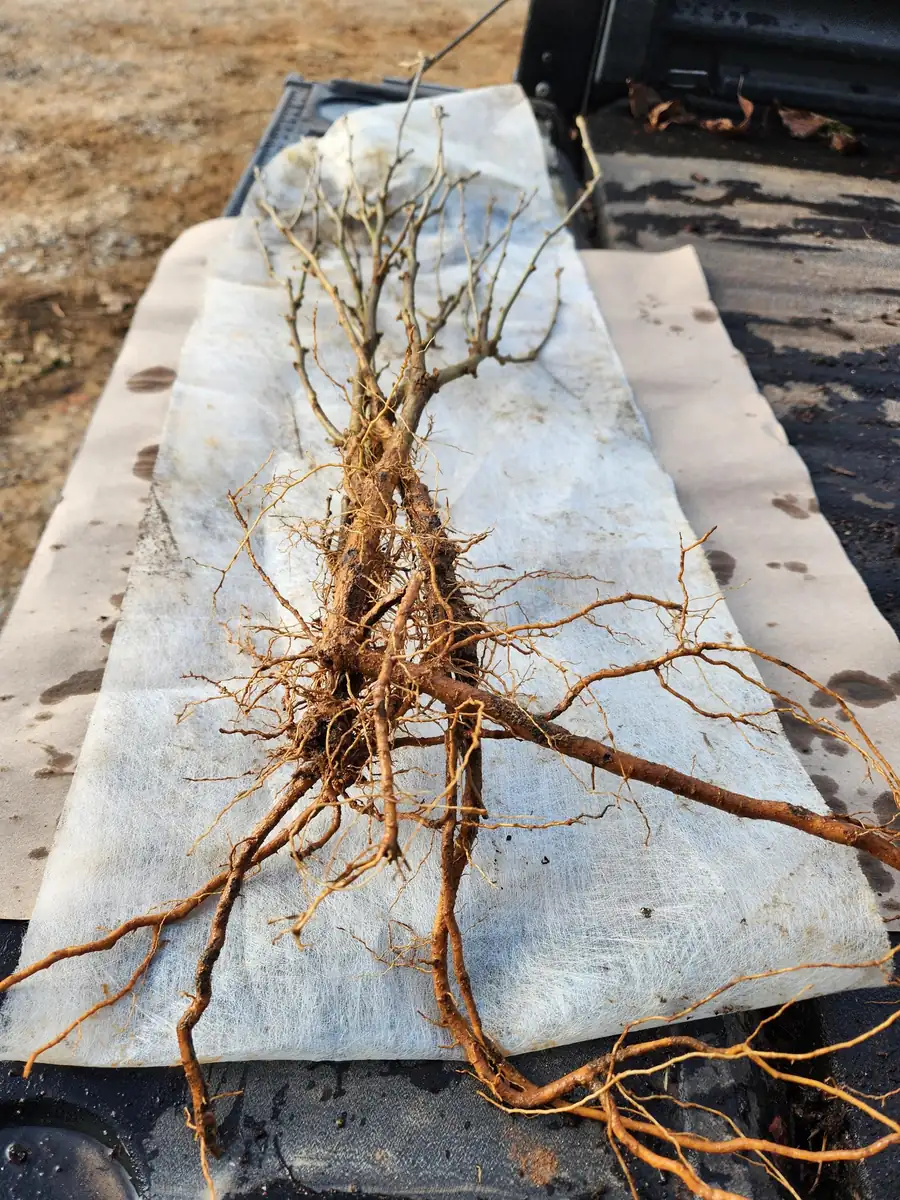
This offering includes 5 White Althea Trees bare root, ready for planting to establish quickly in your garden. These bare root plants are typically shipped dormant and without soil, making them easy to transport and plant upon arrival. At maturity, these vigorous trees can reach an impressive height of 8-12 feet and spread 6-10 feet wide, creating a substantial and impactful presence in your landscape. The medium growth rate ensures a steady development into a mature, flowering tree. The characteristic white blossoms, which are 2-4 inches across, will grace your garden from July through September, providing continuous late-season interest.
The plants are supplied in a bare root form, which is an efficient and cost-effective way to acquire multiple trees for mass plantings or creating a hedge. Planting instructions are included with each purchase to guide you through the process of establishing your new Althea trees successfully. These trees are well-suited for USDA Hardiness Zones 5-8, indicating their resilience in a wide range of climates. Their mature size and spreading nature make them ideal for various applications, including screens, hedges, or as beautiful standalone specimens in your garden. The training to tree form ensures a structured and elegant appearance as they grow, contributing to the overall beauty of your outdoor space and making growing althea trees a rewarding experience.
Frequently Asked Questions
- Q: How big do these white althea trees bare root get? A: At maturity, these Althea trees typically reach a height of 8-12 feet with a spread of 6-10 feet. Their growth rate is medium, allowing them to establish well in your garden.
- Q: Is this an indoor or outdoor plant? A: These hibiscus syriacus plant specimens are outdoor plants, best suited for planting in garden beds, as hedges, or as landscape trees. They are hardy in USDA Zones 5-8.
- Q: How much sunlight does it need? A: For the best flowering performance, these Althea trees prefer full sun exposure, meaning at least 6 hours of direct sunlight per day. They can tolerate partial shade, but blooming may be reduced.
- Q: Is this plant easy to care for? A: Yes, althea tree care is generally considered easy. Once established, they are quite low-maintenance, requiring well-drained soil, moderate watering, and occasional pruning. They are a good choice for both beginner and experienced gardeners.
- Q: What condition will the bare root trees arrive in? A: The bare root trees will arrive dormant, without soil, and carefully packaged to ensure their health during transit. Planting instructions will be included to guide you on proper rehydration and planting.
- Q: When is the best time to plant these bare root trees? A: The ideal time for planting bare root Althea trees is in early spring, after the last frost, or in the fall before the ground freezes. This allows them to establish their root systems before extreme temperatures.
- Q: Will these Althea trees survive winter in my zone? A: Yes, these white althea trees bare root are hardy in USDA Zones 5-8, meaning they are well-equipped to survive winter temperatures within this range. Proper mulching can provide additional protection in colder parts of their zone.
- Q: Can these trees be used for hedges or privacy screens? A: Absolutely! Their mature size and upright growth make them an excellent choice for creating dense hedges or privacy screens. Planting multiple growing althea trees in a row will quickly form an effective barrier.
- Q: What type of soil do they prefer? A: These trees thrive in moist, well-drained soil. They are adaptable to various soil types but will not perform well in overly wet or extremely dry conditions.
- Q: Do these trees attract pollinators? A: Yes, the large, showy white flowers of the hibiscus syriacus plant are very attractive to various pollinators, including bees and butterflies, contributing to a healthy garden ecosystem.


Reviews
There are no reviews yet.