Overview
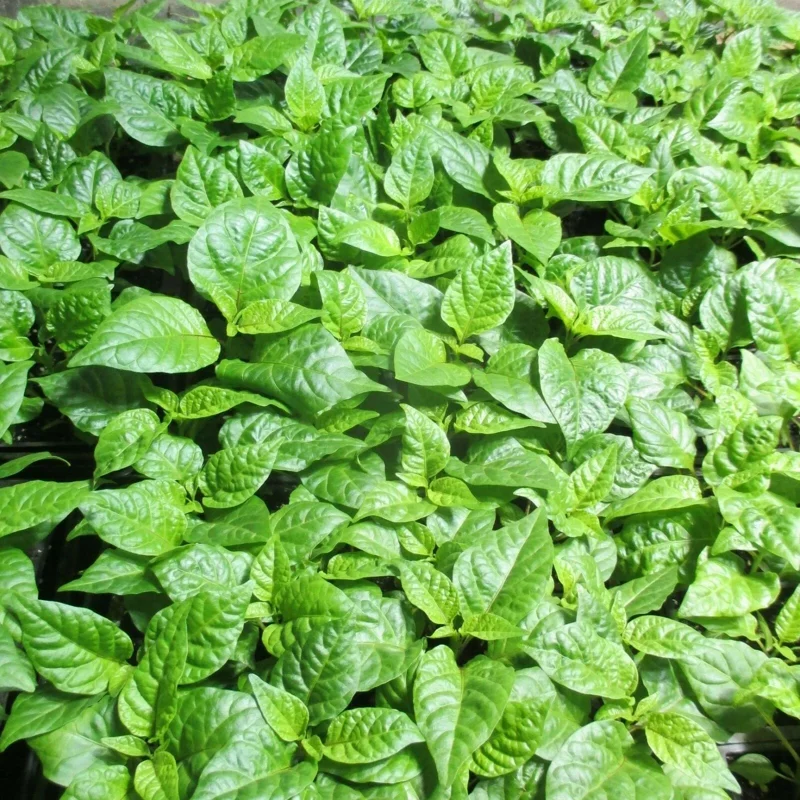
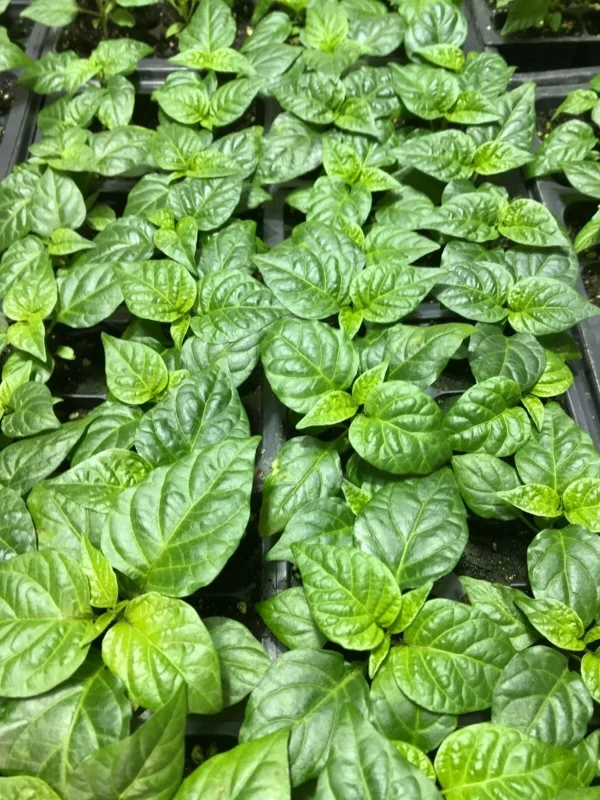
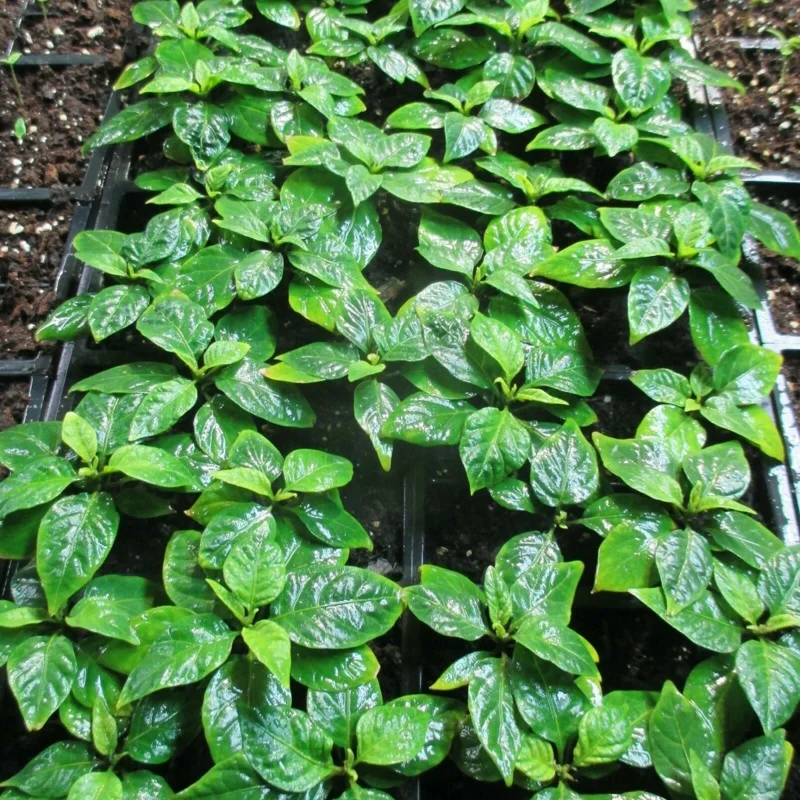
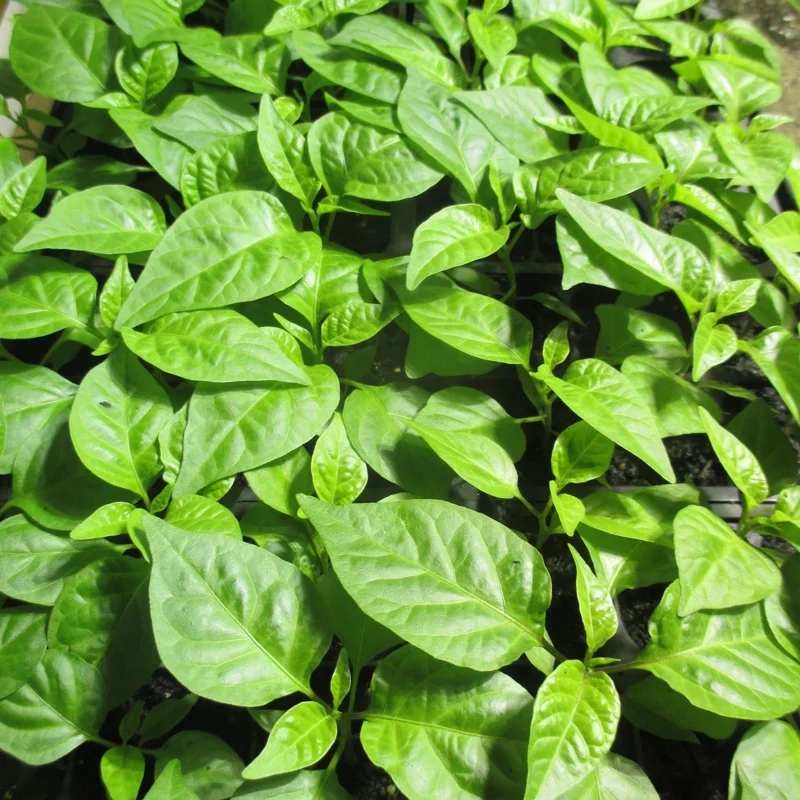
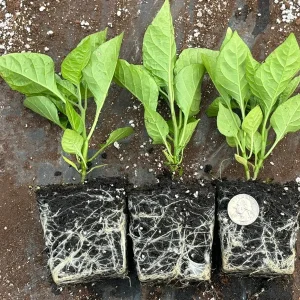
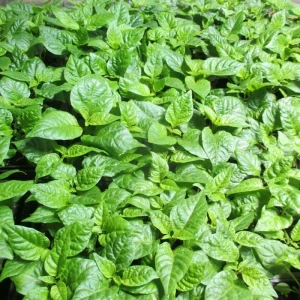
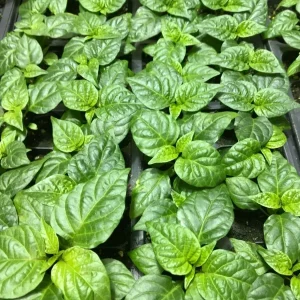
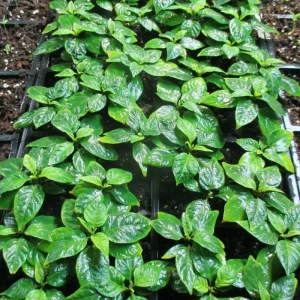
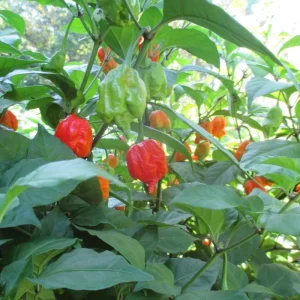
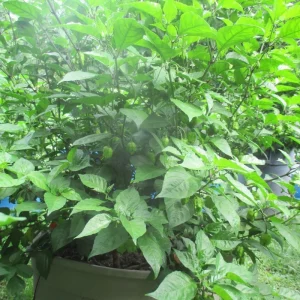
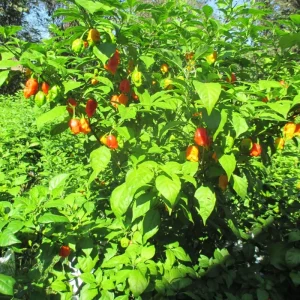
Ignite your garden and your taste buds with this incredible lot of 6 Carolina Reaper live plant starts. The Carolina Reaper live plant is globally recognized as one of the world’s hottest chili peppers, delivering an unparalleled level of heat that will thrill any spice enthusiast. Each of these robust plants is at least 75+ days old, ensuring they are well-established and ready for successful transplanting into your garden, raised beds, or large containers. Cultivating a super hot pepper plant like the Carolina Reaper is a rewarding experience, offering both ornamental beauty with its vibrant green foliage and the exciting prospect of harvesting your own record-breaking peppers. Whether you’re a seasoned chili head or an adventurous gardener, these Carolina Reaper live plant starts provide an excellent foundation for a fiery harvest, allowing you to master growing Carolina Reaper peppers.
These well-rooted starts are past the delicate seedling stage, giving you a significant head start on producing your own fiery peppers. Experience the satisfaction of cultivating one of the most famous chili varieties right in your backyard or patio. Each Carolina Reaper live plant is carefully nurtured to ensure vigor and readiness for its new home, making it easier to begin your journey of growing Carolina Reaper.
Key Benefits
Growing your own Carolina Reaper live plant offers numerous advantages, from fresh ingredients to a unique gardening experience. These benefits contribute to a successful and satisfying cultivation journey for your super hot pepper plant.
- Extreme Heat & Flavor: Harvest your own Carolina Reapers, known for their incredible heat and distinct fruity, smoky flavor, adding a potent kick to culinary creations. This is truly the hottest pepper plant you can grow.
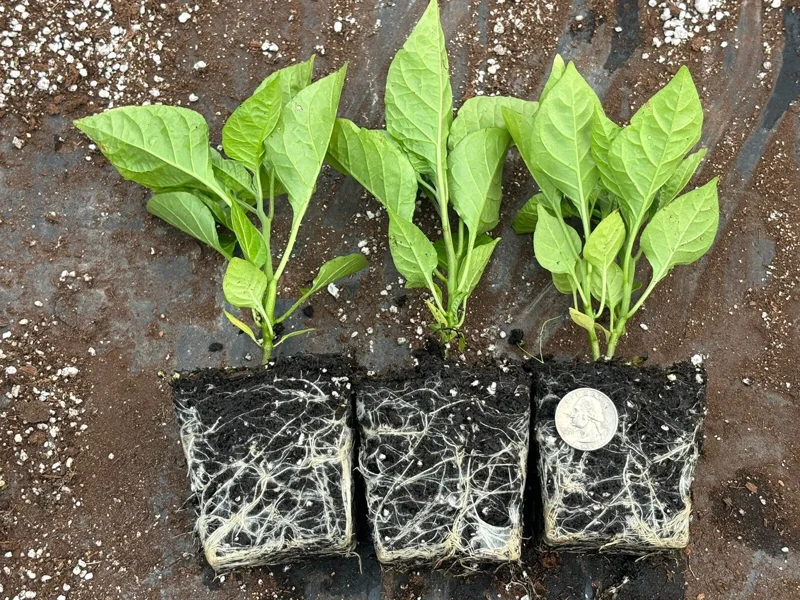
- Robust Starts: Each plant is 75+ days old, ensuring a strong root system and better resilience, making them easier to establish in your garden. This provides an excellent foundation for growing Carolina Reaper.
- Abundant Yield: With proper care, these plants are capable of producing a generous harvest of peppers throughout the growing season, providing plenty of chilies for sauces, drying, or fresh use from your Carolina Reaper live plant.
- Gardening Challenge: For those who love a challenge, successfully cultivating a Carolina Reaper live plant is a satisfying accomplishment, showcasing your gardening prowess.
- Freshness & Quality: Enjoy the superior taste and heat of freshly picked peppers, free from preservatives and chemicals often found in store-bought varieties.
- Educational Experience: Learn about the unique growth habits and care requirements of one of the world’s most famous peppers, enhancing your overall gardening knowledge and understanding of Carolina Reaper plant care.
- Conversation Starter: These distinctive plants and their scorching fruits are sure to be a talking point among friends and family, making your garden stand out.
Plant Care & Growing Tips
To ensure your Carolina Reaper live plant thrives and produces a bountiful harvest, understanding its specific care requirements is crucial. These hottest pepper plant varieties flourish under certain conditions. Carolina Reapers require a significant amount of warmth and sunlight. They thrive in full sun, meaning at least 6-8 hours of direct sunlight per day. If you live in a region with extremely hot summers, some afternoon shade can prevent scorching, but generally, more sun equals more peppers. For optimal growth, maintain consistent soil moisture, but avoid overwatering, which can lead to root rot. The soil should be well-draining; a sandy loam enriched with compost is ideal. Allow the top inch of soil to dry out slightly between waterings.
Temperature is a critical factor for growing Carolina Reaper. They prefer temperatures between 70-90°F (21-32°C) and are very sensitive to frost. Plant them outdoors only after all danger of frost has passed in spring. For cooler climates, consider growing them in containers that can be moved indoors or in a greenhouse. Fertilize your super hot pepper plant with a balanced fertilizer during the vegetative growth phase, then switch to a fertilizer higher in phosphorus and potassium once flowering begins to encourage fruit production. Common problems include pests like aphids and spider mites, which can be managed with insecticidal soap, and diseases like powdery mildew, preventable with good air circulation and proper watering. Regularly inspect your plants for any signs of distress to address issues promptly, ensuring proper Carolina Reaper plant care.
Size & Details
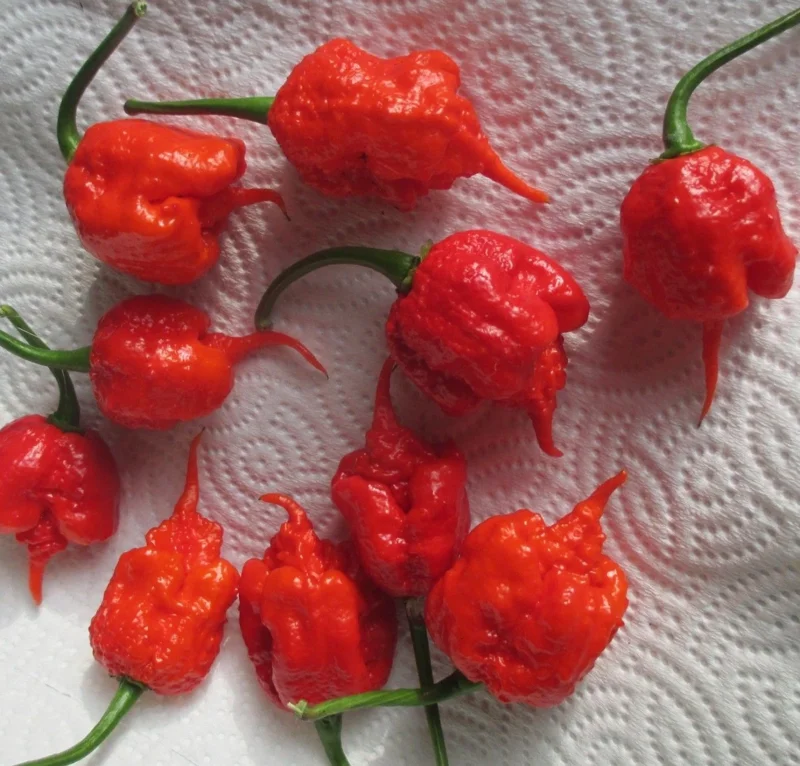
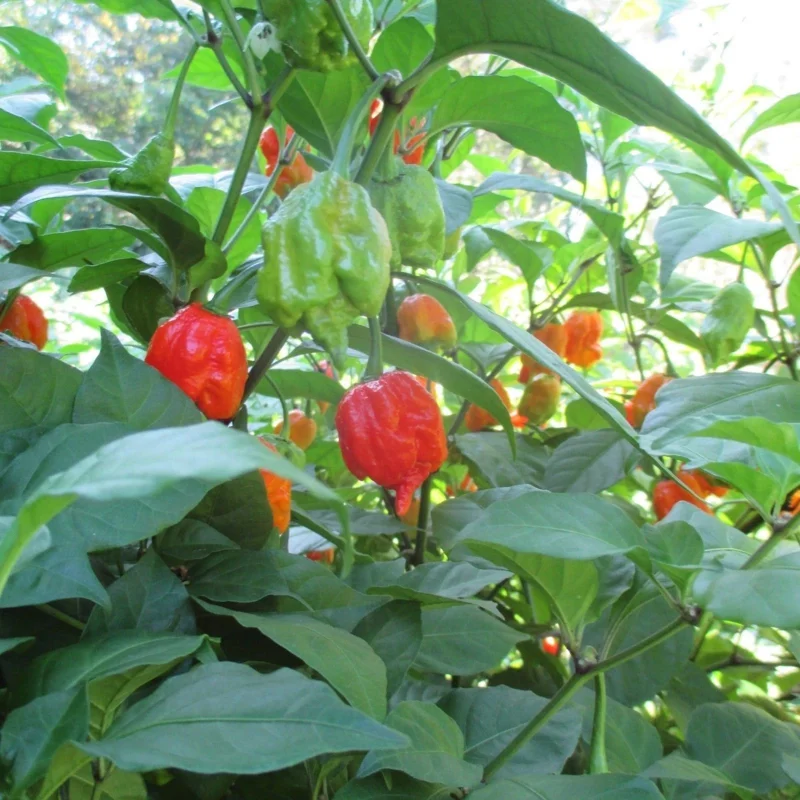
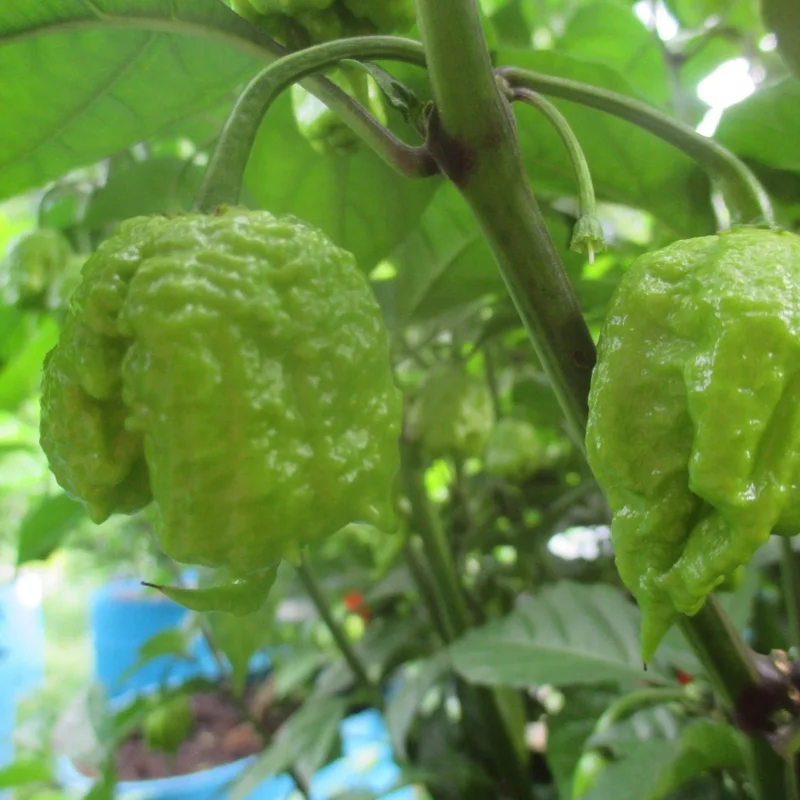
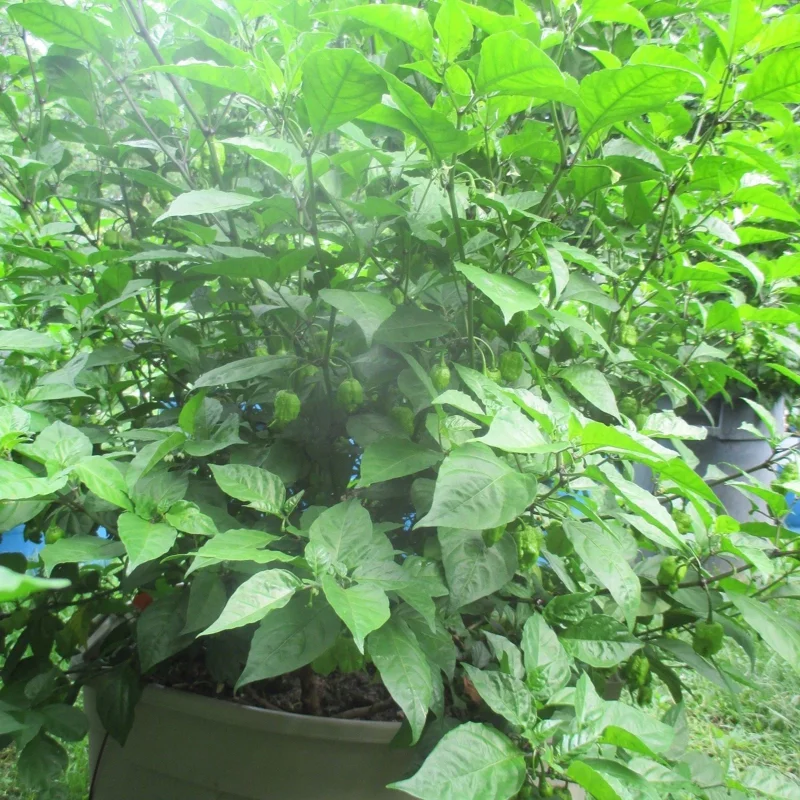
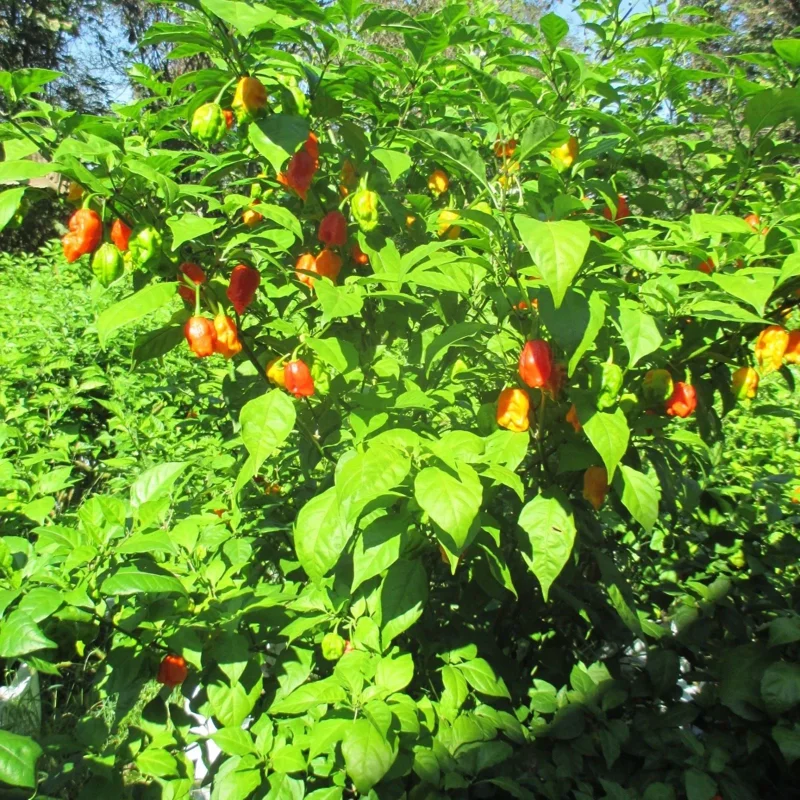
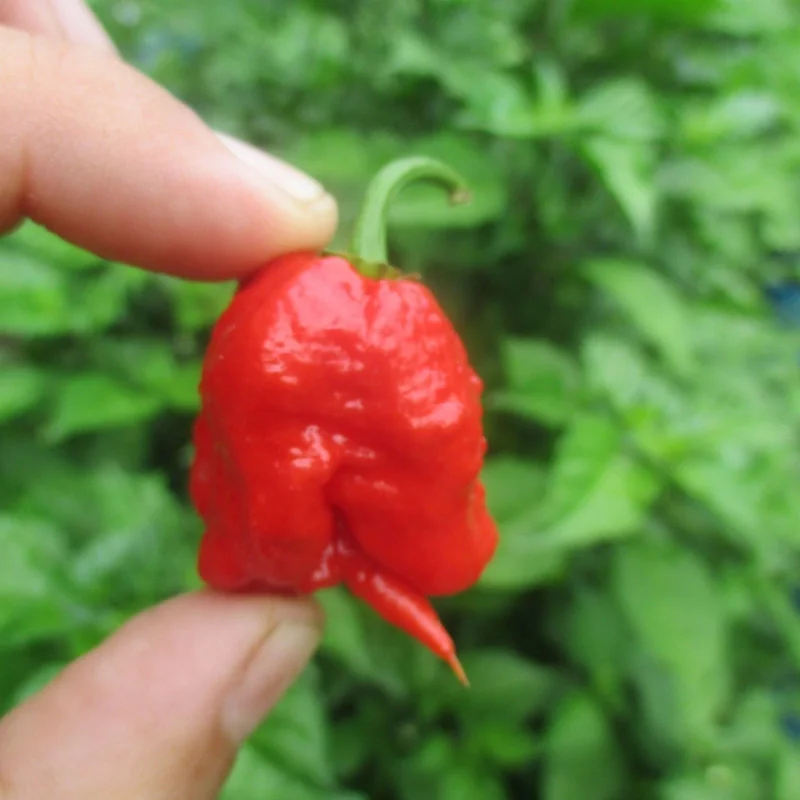
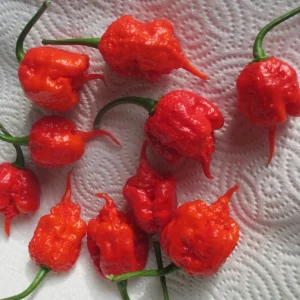
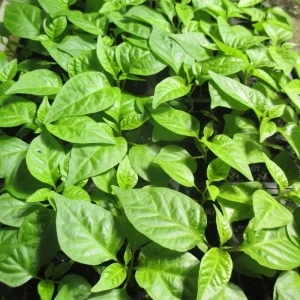
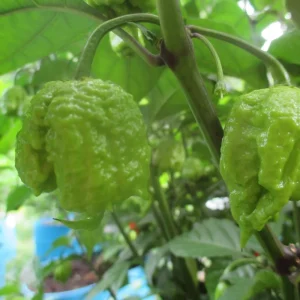
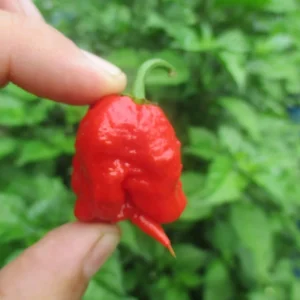
This offering includes a lot of 6 Carolina Reaper live plant starts, each meticulously nurtured to be at least 75 days old. This age indicates a well-developed root system and sturdy growth, providing a significant head start compared to younger seedlings or seeds. While specific dimensions can vary based on growing conditions and individual plant vigor, these plants are typically in a vegetative growth stage, ready to be transplanted into larger pots or directly into your garden. They are shipped as live plants, carefully packaged to ensure their health upon arrival. With optimal growing conditions, these plants will mature to produce their famously wrinkled, red fruits, signaling their extreme heat. Expect your plants to continue growing in size and productivity, with fruits typically appearing several weeks after transplanting and continuing throughout the warm season. This robust start is ideal for anyone interested in growing Carolina Reaper peppers successfully.
Frequently Asked Questions
- Q: How big does this plant get? A: A mature Carolina Reaper live plant typically reaches 3-5 feet tall and 2-3 feet wide, depending on growing conditions, pot size, and climate. Consistent pruning can help manage its size, and proper Carolina Reaper plant care can influence its overall size.
- Q: What size pot does it come in? A: The plants are typically shipped in small nursery pots or plugs appropriate for their 75+ day old size, designed for safe transport and immediate transplanting into larger containers or your garden.
- Q: Is this an indoor or outdoor plant? A: While they thrive outdoors in warm, sunny conditions, Carolina Reapers can be grown indoors with adequate light (such as grow lights) and warmth, especially in cooler climates or during winter. This makes it a versatile super hot pepper plant.
- Q: How much sunlight does it need? A: For the best fruit production and plant health, your hottest pepper plant needs a minimum of 6-8 hours of direct sunlight per day. More sun generally leads to spicier peppers.
- Q: Is this plant easy to care for? A: Growing Carolina Reaper peppers requires attention to warmth, sunlight, and watering. While not difficult for experienced gardeners, beginners should be prepared to monitor conditions closely for optimal results.
- Q: What condition will it arrive in? A: Your plants are carefully packaged to ensure they arrive healthy and ready for transplanting. Some minor leaf yellowing or stress from transit is normal and they should recover quickly once planted and watered.
- Q: Can I use Carolina Reapers in cooking? A: Absolutely! Carolina Reapers are used to make extremely hot sauces, salsas, chili powders, and can be added to dishes for an intense heat. Handle them with extreme caution and wear gloves.
- Q: How long until it blooms? A: Given these plants are 75+ days old, they are already mature and should begin flowering and setting fruit within a few weeks of transplanting into their permanent location, provided conditions are favorable.
- Q: When is the best time to plant? A: The best time to plant these Carolina Reaper live plant starts outdoors is after all danger of frost has completely passed and nighttime temperatures consistently stay above 50°F (10°C).
- Q: Will it survive winter in my zone? A: Carolina Reapers are sensitive to cold. In USDA zones below 9-11, they are typically grown as annuals or overwintered indoors to protect them from frost. This is a key aspect of Carolina Reaper plant care in cooler climates.
- Q: What’s the minimum temperature? A: These plants prefer temperatures above 60°F (15°C) and cannot tolerate frost. Prolonged exposure to temperatures below 50°F (10°C) can severely damage or kill the plant.


Reviews
There are no reviews yet.