

Overview
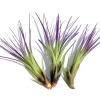
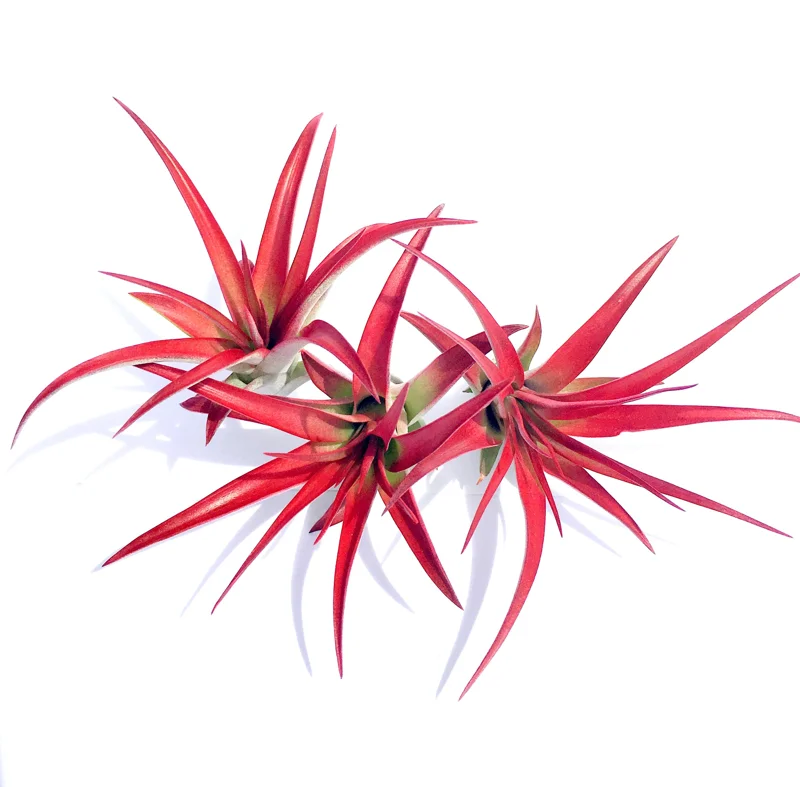
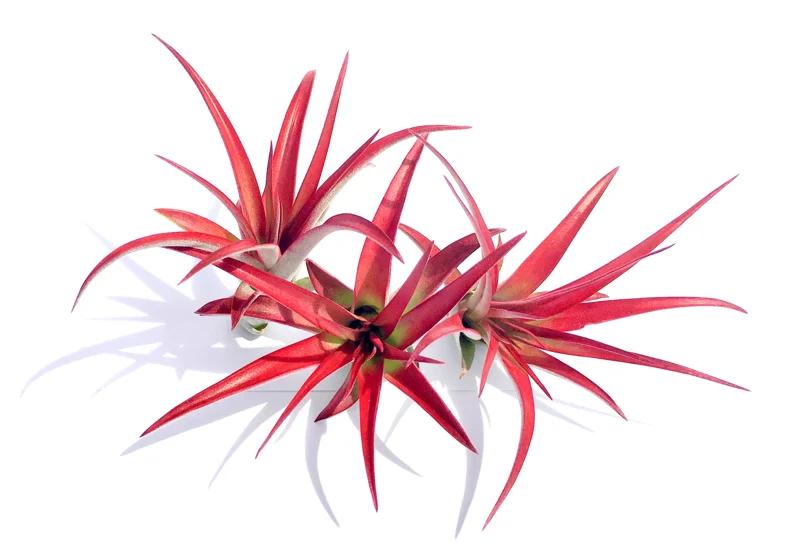
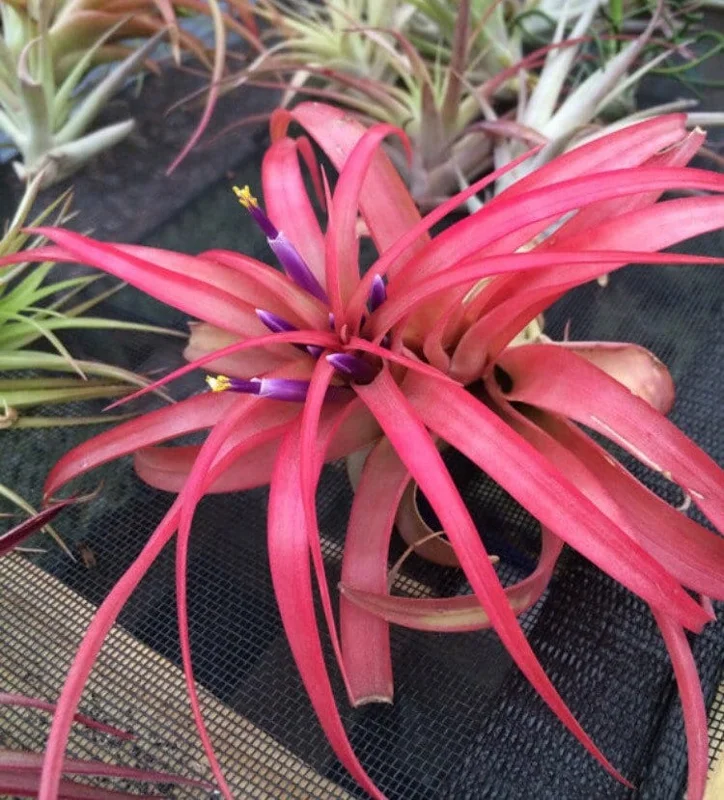
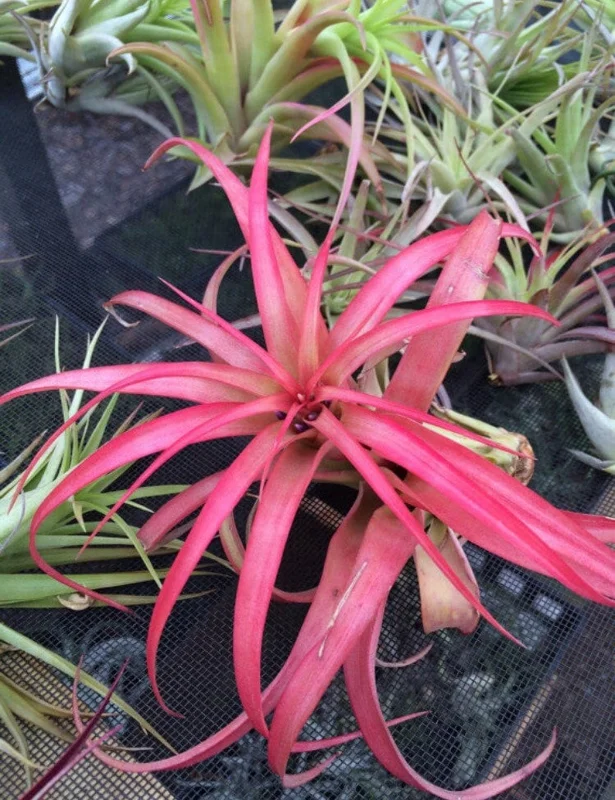
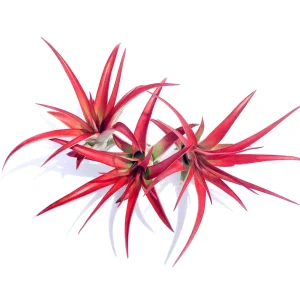
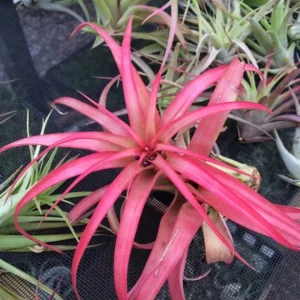
Introducing the exquisite Abdita air plant, a captivating variety of Tillandsia known for its striking coloration and charming blooms. This offering includes a set of 3 Abdita air plants, each a unique living sculpture that transforms with its environment. Belonging to the Tillandsia genus, these epiphytic plants are native to Central and South America, thriving by absorbing moisture and nutrients from the air through specialized scales on their leaves. The Abdita is particularly prized for its ability to naturally blush a vibrant red hue, especially when exposed to bright indirect light, culminating in the emergence of beautiful purple, multiflora blooms. These multiflora air plant specimens are perfect for adding a touch of natural elegance and low-maintenance greenery to any indoor setting, making them a popular choice for both seasoned plant enthusiasts and beginners alike. Their compact size and fascinating characteristics make them ideal for terrariums, decorative displays, or simply as standalone botanical accents.
Key Benefits
The Abdita air plant offers numerous benefits, making it an excellent choice for enhancing your living or workspace. Its unique aesthetic appeal and easy-care nature contribute to a delightful plant ownership experience.
- Vibrant Color Transformation: The Abdita air plant naturally blushes a stunning red, especially when preparing to bloom or when exposed to optimal light conditions. This dynamic color change adds visual interest and a unique decorative element to your home.
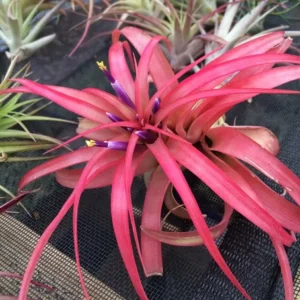
- Beautiful Purple Blooms: Each plant produces delicate and intricate purple, multiflora flowers, offering a beautiful contrast to its red foliage. These blooms are a rewarding sight and signify a healthy, thriving plant.
- Low Maintenance: As an air plant, the Abdita requires no soil, making it incredibly easy to care for. Regular misting and occasional soaking are typically all that’s needed, ideal for busy individuals or novice plant parents.
- Versatile Decor: Their compact size and unique form allow these red Tillandsia specimens to be displayed in countless ways – in terrariums, on shelves, in decorative bowls, or mounted on various surfaces, adding a touch of natural beauty anywhere.
- Air Purifying Qualities: Like many houseplants, air plants contribute to better indoor air quality by absorbing carbon dioxide and releasing oxygen, promoting a healthier living environment.
- Pet-Friendly: Air plants are generally considered non-toxic to pets, offering peace of mind for households with curious animals.
- Unique Botanical Interest: The Abdita’s epiphytic nature and captivating growth habit provide a fascinating point of interest, sparking conversations and appreciation for the wonders of the plant kingdom. This multiflora air plant is truly a conversation starter.
Plant Care & Growing Tips
Caring for your Abdita air plant is straightforward, ensuring these unique plants thrive with minimal effort. Understanding their basic needs will help maintain their vibrant color and encourage blooming. First and foremost, proper watering is crucial. Air plants absorb all their water and nutrients through their leaves, so they cannot be watered like traditional potted plants. The most effective method is a weekly soak: submerge the entire plant in room-temperature water for 20-30 minutes. After soaking, gently shake off excess water and allow the plant to dry completely in an area with good air circulation before returning it to its display spot. This prevents rot. In drier climates or during warmer months, you might consider an additional misting session between soaks.
Light is another critical factor for your red Tillandsia. These plants prefer bright, indirect light. East or west-facing windows are often ideal, providing ample light without the harshness of direct, scorching sun, which can burn their delicate leaves. If natural light is limited, artificial grow lights can be a great alternative, ensuring your Abditas receive the necessary energy. Good air circulation is also vital; stagnant air can lead to rot, especially after watering. Avoid placing them in enclosed, unventilated spaces immediately after soaking. Temperature-wise, air plants thrive in typical household temperatures, generally between 50-90°F (10-32°C). They are not frost-hardy, so protect them from cold drafts and freezing temperatures.
While air plants don’t require soil, occasional fertilization can promote vigorous growth and blooming. Use a specialized air plant fertilizer, typically a low-nitrogen, water-soluble blend, diluted to quarter strength. Apply this fertilizer during one of their monthly soaks, rather than weekly. This comprehensive approach to Tillandsia care will ensure your Abdita air plants remain healthy, vibrant, and continue to display their beautiful red blush and purple flowers, making them a delightful addition to your collection of indoor air plants.
Size & Details
This offering includes a set of 3 Abdita air plants, each carefully selected for health and vitality. While individual sizes may vary slightly due to their natural growth patterns, they typically arrive around 4 inches in height. These plants are shipped as live, healthy specimens, ready to be displayed in your preferred setting. The Abdita is a relatively slow-growing air plant, gradually expanding its rosette of leaves over time. The vibrant red blush and subsequent purple multiflora blooms are seasonal, often appearing when the plant reaches maturity and is preparing to produce pups (offsets). Expect these beautiful transformations to occur as the plant settles into its new environment and receives consistent care, enhancing the appeal of your indoor air plants collection.
Frequently Asked Questions
- Q: How big do these Abdita air plants get? A: While they arrive around 4 inches, Abdita air plants can grow slightly larger, typically reaching 5-6 inches in diameter over time. Their size can vary based on growing conditions and individual plant genetics.
- Q: Is this an indoor or outdoor plant? A: The Abdita air plant is primarily an indoor plant in most climates, thriving in bright, indirect light and average household temperatures. They can be placed outdoors in shaded areas during warm, humid weather, but must be protected from direct sun and cold.
- Q: How much sunlight does it need? A: This red Tillandsia prefers bright, indirect light. An east or west-facing window is ideal. Avoid direct, intense sunlight, especially during peak afternoon hours, as it can scorch the leaves.
- Q: Is this plant easy to care for? A: Yes, Abdita air plants are considered very easy to care for, making them excellent for beginners. Their main requirements are regular watering (soaking) and bright, indirect light, along with good air circulation.
- Q: What condition will the plants arrive in? A: Your Abdita air plant set will arrive as live, healthy, and vibrant specimens, carefully packaged to ensure their safe journey. They will be ready for immediate display and enjoyment.
- Q: How long until it blooms? A: The timing of blooms can vary, but healthy, mature Abdita air plants typically bloom annually, often in spring or summer. Optimal light and occasional fertilization can encourage blooming.
- Q: What’s the minimum temperature this plant can tolerate? A: The Abdita air plant is sensitive to cold. It thrives in temperatures above 50°F (10°C) and should be protected from temperatures below 40°F (4°C) to prevent damage.
- Q: How do I get my Abdita air plant to turn red? A: The red blush of the multiflora air plant is a natural response to bright, indirect light, often intensifying as the plant prepares to bloom. Ensure it receives adequate light for the best coloration.
- Q: Do these indoor air plants need soil? A: No, air plants are epiphytes and do not require soil. They absorb all their water and nutrients through their leaves, making them perfect for unique, soil-free displays.
- Q: How often should I water my Abdita air plant? A: Generally, a 20-30 minute soak in water once a week is sufficient. In very dry environments, you might consider an additional misting a few times a week or increasing soak frequency slightly. Always ensure they dry completely afterward.


Reviews
There are no reviews yet.