

Overview
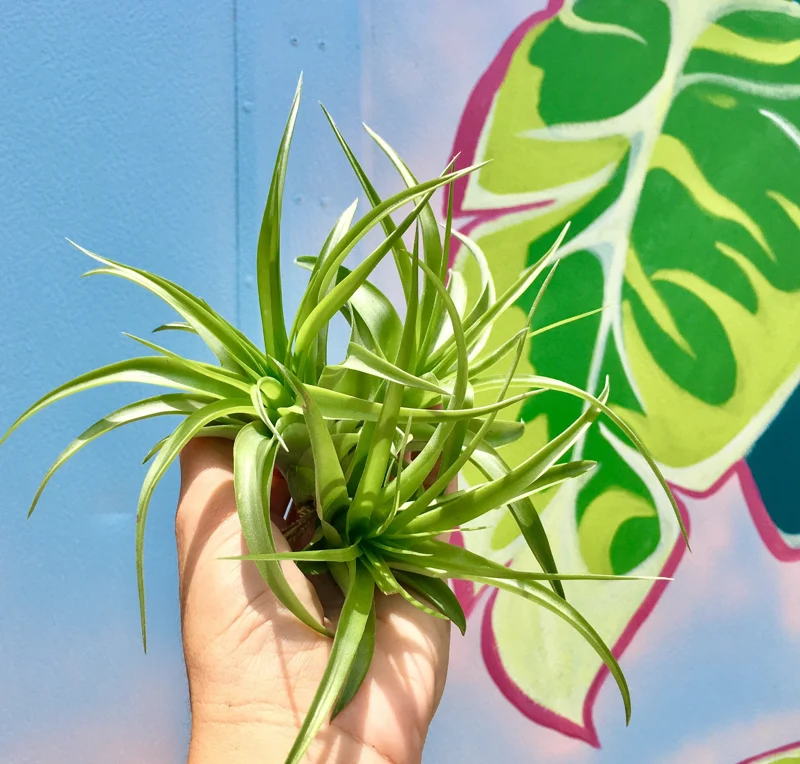
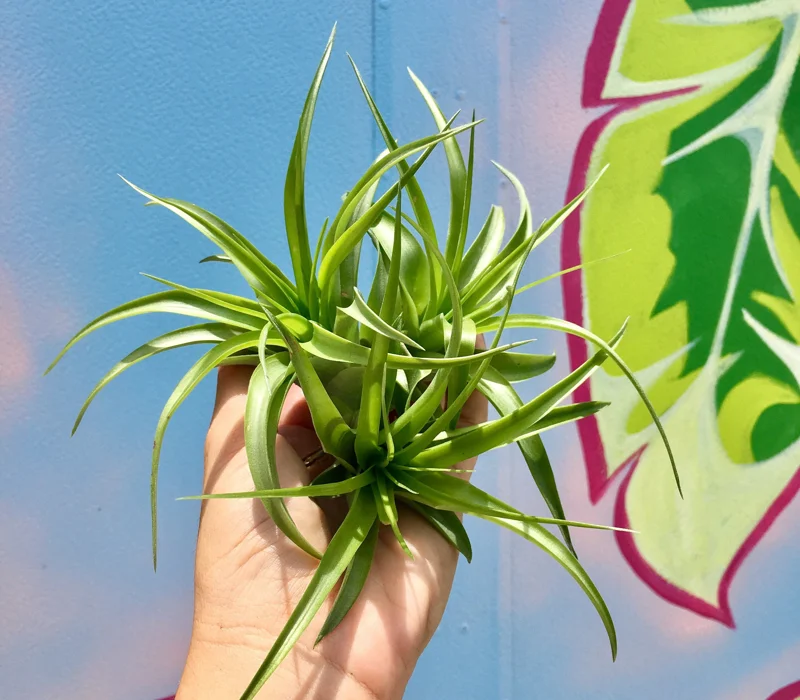
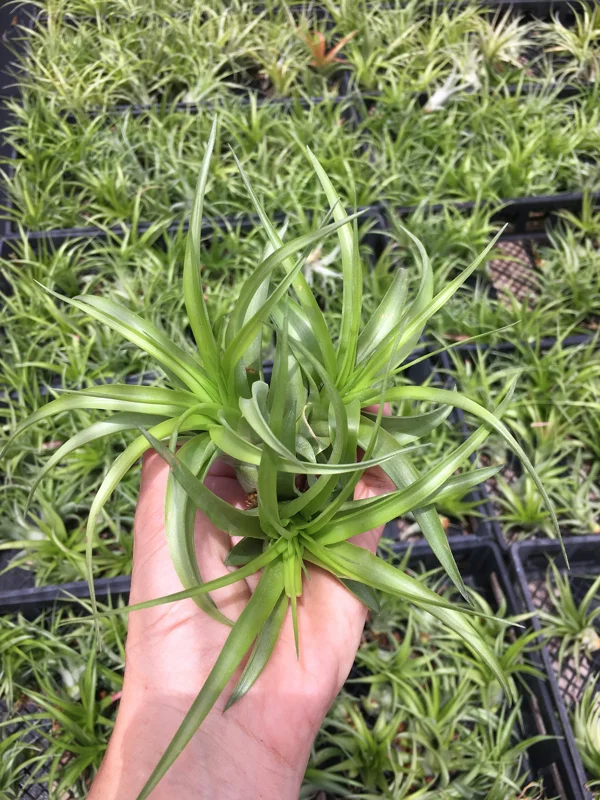
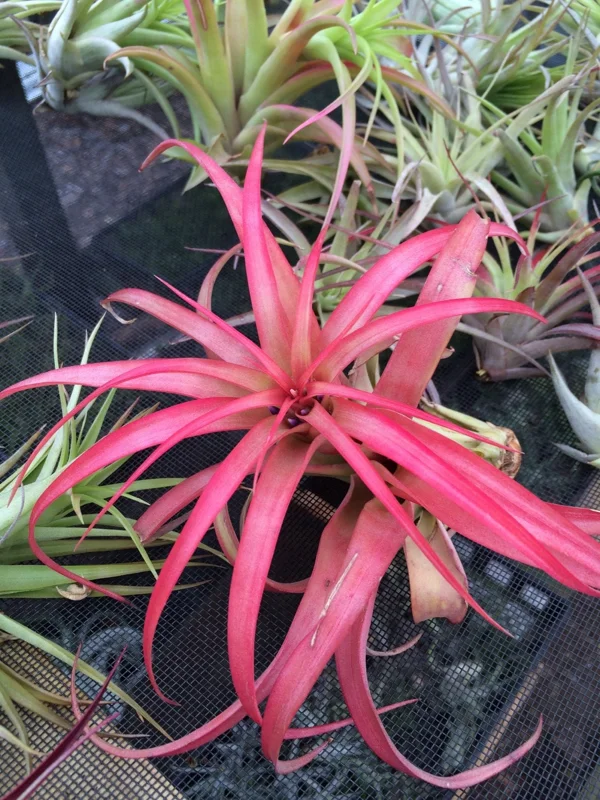
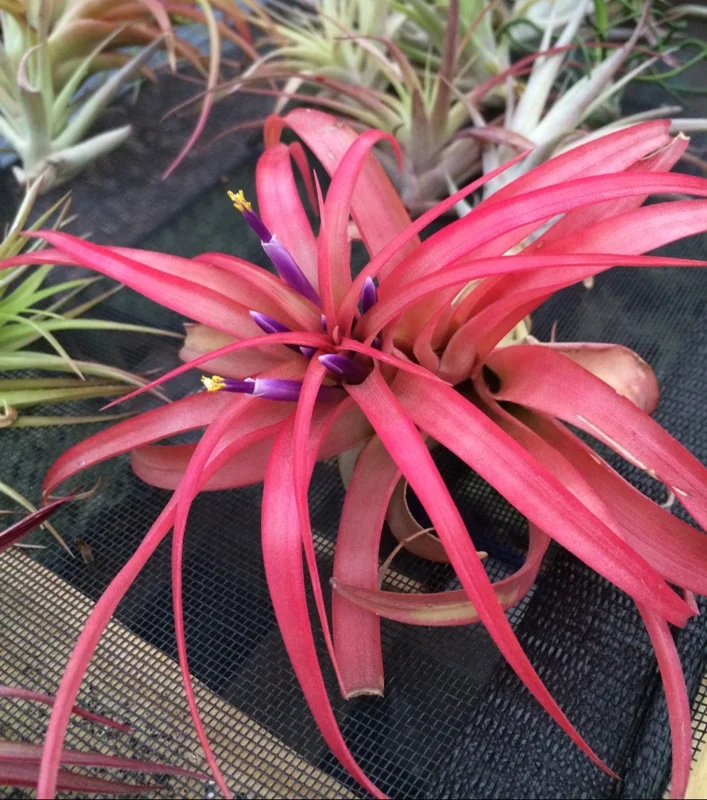
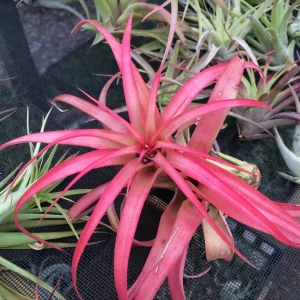
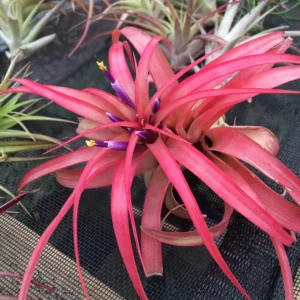
Introduce a touch of exotic beauty to your home with the captivating Abdita air plant. This unique Tillandsia species, also known as Tillandsia Abdita, is renowned for its striking transformation, where its green foliage naturally blushes a vibrant red, especially when exposed to brighter light. Following this color change, it produces beautiful, multiple purple flowers, adding an unexpected pop of color to any setting. As a live plant, it thrives without soil, making it incredibly versatile for various decorative uses, from modern terrariums to creative displays in living spaces or offices. Each Abdita air plant is a living piece of art, offering dynamic visual appeal that changes with its growth and bloom cycle. It’s an excellent choice for those seeking an easy-to-care-for plant that makes a significant visual impact.
Key Benefits
The Abdita air plant offers numerous advantages, making it a popular choice for indoor gardening and decor. Its unique characteristics contribute to a vibrant and dynamic living environment.
- Stunning Color Transformation: Witness the magic as your Abdita air plant transitions from lush green to a brilliant red, often signifying its readiness to bloom. This natural color change adds dramatic visual interest to your home.
- Beautiful Purple Blooms: Enjoy the reward of vibrant purple flowers that emerge from the plant, creating a stunning contrast against its red foliage. These blooms are a true highlight and can last for several weeks.
- Low Maintenance & Easy Care: As an easy care air plant, the Abdita requires minimal attention compared to traditional potted plants. No soil is needed, simplifying its placement and overall care routine.
- Versatile Decor Piece: Its compact size and soil-free nature make it perfect for a wide range of decorative applications. Use it in glass terrariums, on driftwood, in decorative bowls, or as part of a vertical garden.
- Air Purifying Qualities: Like many houseplants, the Tillandsia Abdita contributes to a healthier indoor environment by naturally filtering airborne particles and improving air quality.
- Unique Gift Idea: A single Abdita air plant makes a thoughtful and unique gift for plant lovers, beginners, or anyone looking to add a touch of natural elegance to their space.
- Drought Tolerant: Air plants are resilient and can withstand periods of dryness, making them forgiving for those who might occasionally forget to water.
Plant Care & Growing Tips
Caring for your Abdita air plant is straightforward, ensuring it remains healthy and vibrant. Understanding its basic needs will help it thrive and display its beautiful colors and blooms.
Sunlight Requirements: The Abdita air plant prefers bright, indirect light. Place it near a window where it can receive plenty of ambient light but avoid direct, harsh sunlight, especially during the hottest parts of the day, which can scorch its leaves. A north or east-facing window is often ideal. If you notice the plant isn’t coloring up or blooming, it might need slightly more light. Artificial grow lights can also be used if natural light is insufficient.
Watering Schedule: The most crucial aspect of air plant care is proper watering. Submerge your Tillandsia Abdita in room-temperature water for 20-30 minutes once a week. After soaking, gently shake off excess water and allow it to dry completely in a well-ventilated area within 2-3 hours to prevent rot. In dry climates or during warmer months, you may need to soak it twice a week. Misting can supplement humidity but is not a substitute for soaking.
Soil Type & Drainage: Air plants, including the Abdita air plant, do not require soil. They absorb nutrients and moisture through their leaves. Ensure good air circulation around the plant, especially after watering, to prevent any moisture from sitting and causing rot. Avoid placing them in enclosed, poorly ventilated containers immediately after watering.
Temperature Range & USDA Hardiness Zone: These plants thrive in average household temperatures, ideally between 60-80°F (15-27°C). They are not frost-tolerant and should be kept indoors in climates where temperatures drop below 50°F (10°C). While specific USDA zones don’t apply as they’re typically grown indoors, they would naturally occur in tropical and subtropical regions. Protecting your terrarium air plant from extreme temperature fluctuations is key.
Fertilization Schedule: Fertilize your Tillandsia Abdita once a month or every other month during its growing season (spring and summer) using a specialized air plant fertilizer. Dilute the fertilizer to ¼ strength and add it to the soaking water. This provides the necessary nutrients for robust growth and encourages blooming. Avoid over-fertilizing, as this can harm the plant.
Common Problems & Solutions: Yellowing or browning tips often indicate insufficient watering or too much direct sun. Increase soaking frequency or move to a shadier spot. Rot at the base is usually due to poor air circulation or not drying properly after watering – ensure complete drying. Lack of bloom or color change can be due to insufficient light or nutrients; adjust light conditions and consider fertilizing. This easy care air plant is generally resilient, but attention to these details will ensure its longevity.
Size & Details
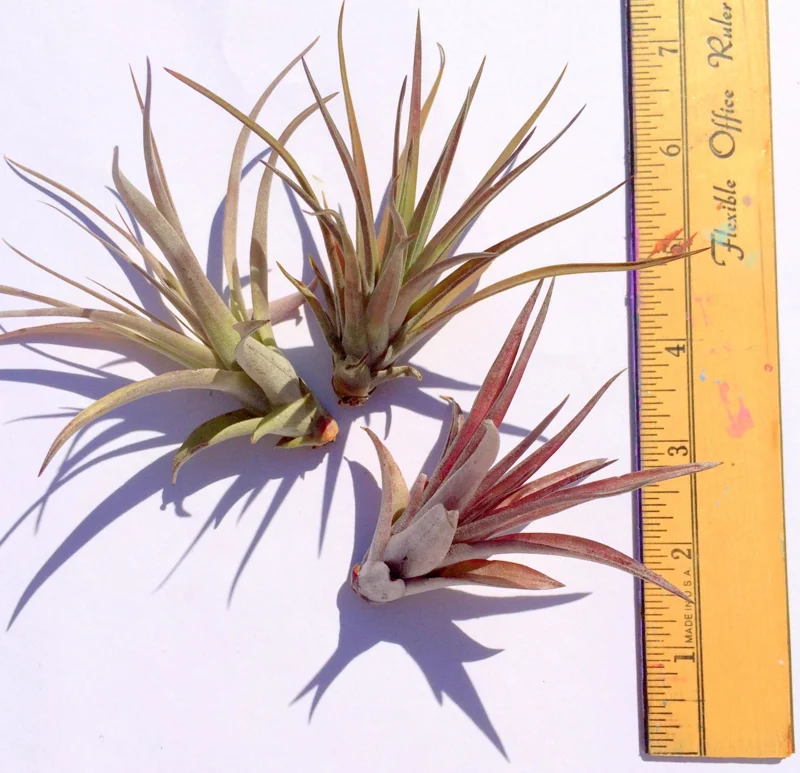
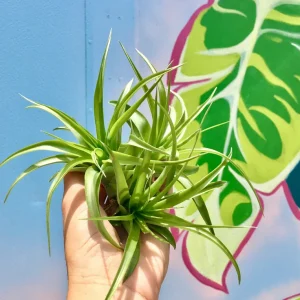
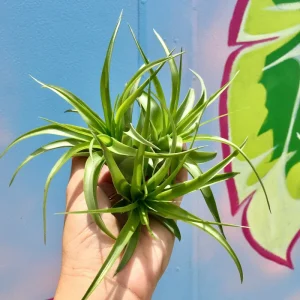
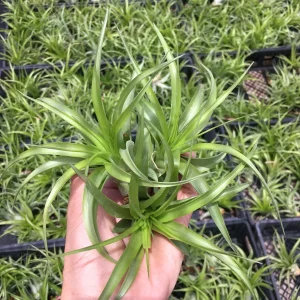
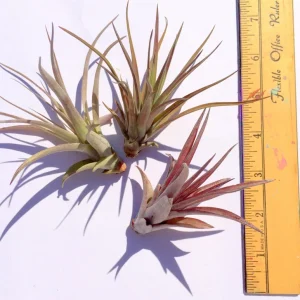
This listing includes a single, healthy Abdita air plant, carefully selected for its quality and vigor. Each plant is unique and may vary slightly in shape, size, and color from the one pictured, reflecting its natural growth. Typically, these Tillandsias grow to an approximate size of 3-5 inches tall and wide, making them ideal for small displays and terrariums. The plant will arrive in a healthy, living condition, ready to be placed in your desired location. While it may or may not be in its red blush phase or bloom upon arrival, with proper care, you can expect to see its vibrant transformation and lovely purple flowers over time. The growth rate is moderate, allowing you to enjoy its development without rapid changes. This terrarium air plant is shipped carefully to ensure it reaches you in excellent condition.
Frequently Asked Questions
- Q: How big does this plant get? A: The Abdita air plant typically grows to about 3-5 inches in height and width, making it a compact and versatile choice for various indoor displays and terrariums. Its ultimate size can be influenced by light and watering.
- Q: Is this an indoor or outdoor plant? A: While naturally found outdoors in tropical climates, the Tillandsia Abdita is best suited as an indoor plant in most US climates, especially where temperatures drop below freezing. It thrives in controlled indoor environments.
- Q: How much sunlight does it need? A: This easy care air plant prefers bright, indirect sunlight. Avoid direct, intense sun exposure which can lead to scorching. A north or east-facing window is often ideal, or it can be supplemented with artificial grow lights.
- Q: Is this plant easy to care for? A: Yes, the Abdita air plant is considered an easy-care plant, making it suitable for beginners and busy individuals. Its soil-free nature and simple watering requirements contribute to its low maintenance appeal.
- Q: What condition will it arrive in? A: Your Abdita air plant will arrive as a healthy, live plant. Due to natural variations, it may or may not be in its red blush or blooming phase upon arrival, but it will be guaranteed healthy and ready to thrive with proper care.
- Q: How long until it blooms? A: The blooming period for a Tillandsia Abdita can vary, but with optimal light and consistent care, it typically blooms once it reaches maturity. The color change to red usually precedes the emergence of its beautiful purple flowers.
- Q: Is it pet-safe? A: Air plants, including the Abdita air plant, are generally considered non-toxic to pets. However, it’s always best to prevent pets from ingesting any plant material to avoid potential digestive upset.
- Q: What’s the minimum temperature it can tolerate? A: The Abdita air plant is sensitive to cold. It should be kept in environments where temperatures consistently remain above 50°F (10°C) to ensure its health and prevent damage.
- Q: Can I put this in a closed terrarium? A: While air plants can be used in terrariums, ensure there is adequate air circulation. If using a closed terrarium, make sure to dry the plant thoroughly after soaking before placing it back inside to prevent rot, as this is crucial for good air plant care.
- Q: How do I know if my air plant needs more water? A: Signs of a thirsty Abdita air plant include leaves curling more tightly than usual, feeling dry or brittle, or appearing faded. A good soak will rehydrate it.


Reviews
There are no reviews yet.