Overview
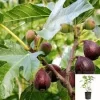
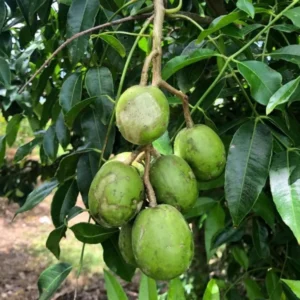
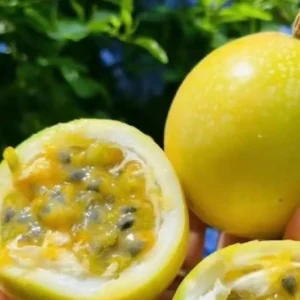
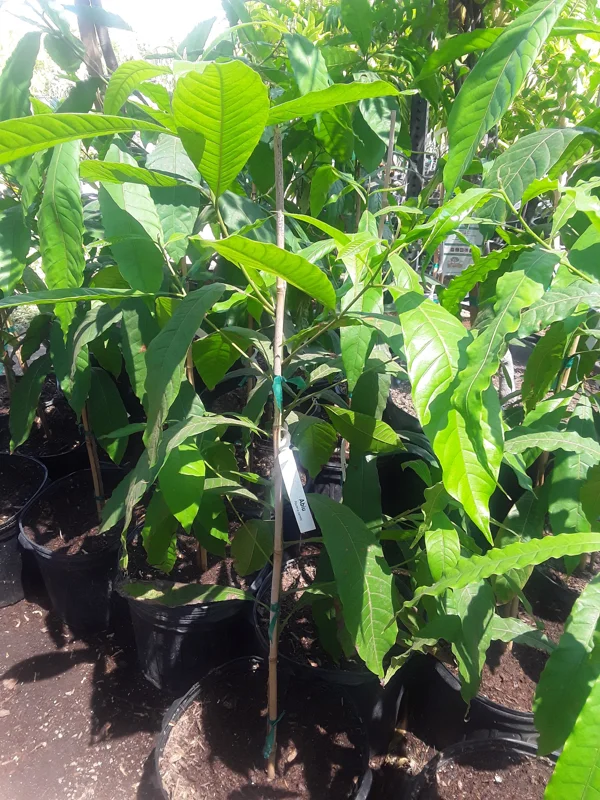
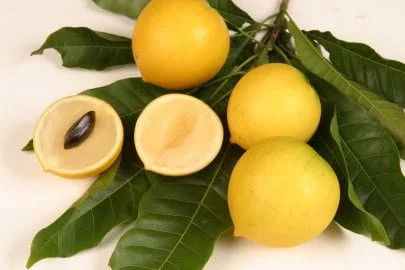
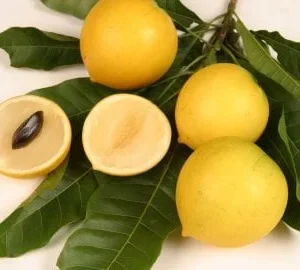
Discover the exotic delight of the Abiu live plant, a remarkable tropical fruit tree that promises to transform your garden into a culinary paradise. Originating from the Amazon region of northwest Brazil, the Abiu (botanical name: Pouteria caimito) is celebrated for its truly unique and delectable fruit. This particular offering is a healthy, vigorous specimen, measuring 2 to 3 feet tall and ready to thrive in its 3-gallon pot. The Abiu fruit is often described as having a smooth, creamy texture and a taste reminiscent of caramel flan, making it a highly sought-after delicacy. Whether you’re an experienced horticulturist or a passionate home gardener looking to expand your collection of tropical edibles, growing Abiu tree is a rewarding endeavor that yields extraordinary results. Its adaptability to coastal regions, like those in South Florida, further highlights its potential for successful cultivation in suitable warm climates.
This Abiu live plant is a fantastic addition for anyone desiring a taste of the tropics right from their backyard. With its robust growth and potential for bountiful harvests, it offers both aesthetic beauty and delicious, nutritious fruit. The Abiu is not just a plant; it’s an experience, bringing a touch of the Amazon’s rich biodiversity to your landscape. Prepare to enjoy the sweet rewards of this captivating fruit tree.
Key Benefits
Cultivating an Abiu tree offers a multitude of advantages, from its unique fruit to its ornamental appeal. This Abiu live plant provides a distinctive addition to any garden or edible landscape.
- Exotic Fruit Production: Enjoy the rare and delicious Abiu fruit, known for its smooth, creamy texture and sweet, caramel-like flavor, a true gourmet delight.
- Nutritional Value: Abiu fruit is packed with vitamins and minerals, offering a healthy and refreshing treat directly from your garden.
- Ornamental Appeal: The lush green foliage and attractive growth habit of the Pouteria caimito make it a beautiful addition to your landscape, providing both shade and beauty.
- Suitable for Warm Climates: Thrives in tropical and subtropical regions, particularly well-suited for areas like coastal South Florida, expanding your options for growing Abiu tree.
- Unique Culinary Ingredient: The fruit can be enjoyed fresh, used in desserts, or blended into smoothies, offering versatile culinary applications.
- Rewarding Growing Experience: Witnessing the development of this unique fruit from flower to harvest provides immense satisfaction for any gardener.
- Long-lived Tree: With proper care, an Abiu tree can provide delicious fruit for many years, becoming a lasting investment in your edible garden.
Plant Care & Growing Tips
Caring for your Abiu live plant requires attention to its specific tropical needs to ensure optimal growth and fruit production. The Abiu thrives in warm, humid environments, making climate a crucial factor. It prefers a location with full sun to partial shade, ideally receiving at least 6-8 hours of direct sunlight daily for best fruiting. While tolerant of some shade, too little sun can reduce its yield. When considering Abiu fruit care, proper watering is key. The soil should be kept consistently moist but not waterlogged, especially during dry periods and when the tree is young. Good drainage is essential to prevent root rot, so avoid heavy, compacted soils.
For soil, the Abiu prefers rich, well-draining soil with a slightly acidic to neutral pH (6.0-7.0). Amending heavy clay soils with organic matter like compost or aged manure can improve drainage and fertility. Fertilize your Pouteria caimito regularly during the growing season with a balanced fertilizer formulated for tropical fruit trees. Young trees benefit from monthly feedings, while mature trees can be fertilized every 2-3 months. The Abiu is sensitive to cold temperatures, with damage occurring below 30°F. If you live in an area prone to frost, consider planting it in a protected location or growing it in a large container that can be moved indoors during winter. Pruning is generally minimal, focusing on removing dead or diseased branches and shaping the tree for structure and air circulation. Regular monitoring for pests and diseases is also important for healthy growth and prolific fruit production, contributing to successful growing Abiu tree.
Size & Details
This offering is for one robust Abiu live plant, which stands approximately 2 to 3 feet tall from the base of the plant to the tip of its highest leaf. It is shipped securely in a 3-gallon nursery pot, providing ample space for its root system to establish before transplanting. The average mature size of an Abiu tree can reach 20 feet in height and 25 feet in width, creating a substantial canopy perfect for shade and fruit production. While this young plant will take some time to reach its full mature size, it is already at a stage where it can quickly adapt to a new environment and begin its journey towards fruit bearing. Expect the first fruits when the tree is a few years old, typically in the September-October season, depending on growing conditions and climate. The ‘Caribou’ variety is known for its excellent fruit quality.
Frequently Asked Questions
- Q: How big does this Abiu live plant get? A: This particular Abiu live plant is 2-3 feet tall when shipped. Mature Abiu trees can reach an average height of 20 feet and a width of 25 feet, becoming a significant presence in your landscape.
- Q: Is this an indoor or outdoor plant? A: The Abiu is a tropical fruit tree best grown outdoors in USDA Zones 9-11. In colder climates, it can be grown in a large container and moved indoors during the winter months to protect it from frost, which is crucial for Abiu fruit care.
- Q: How much sunlight does the Pouteria caimito need? A: Your Pouteria caimito thrives in full sun to partial shade, requiring at least 6-8 hours of direct sunlight daily for optimal growth and fruit production. More sun generally leads to more fruit.
- Q: What condition will the Abiu live plant arrive in? A: Your Abiu live plant will arrive well-packaged in its 3-gallon nursery pot, with its roots and soil intact, ready for planting or continued growth in its current container. We take great care to ensure healthy delivery.
- Q: Is this plant easy to care for? A: While tropical, the Abiu is relatively easy to care for if its basic needs for warmth, sunlight, and consistent moisture are met. It’s a rewarding plant for those interested in growing Abiu tree.
- Q: When can I expect fruit from my Abiu tree? A: Abiu trees typically start producing fruit within a few years of planting, once they are well-established. The fruiting season is generally from September to October.
- Q: What is the minimum temperature this tropical fruit tree can tolerate? A: The tropical fruit tree is sensitive to cold. It can sustain damage at temperatures around 30°F, so protection from frost is essential in colder regions.
- Q: What kind of soil is best for Abiu fruit care? A: For the best Abiu fruit care, plant your tree in rich, well-draining soil with a slightly acidic to neutral pH. Avoid heavy, waterlogged soils.
- Q: Can I grow the Abiu in a container? A: Yes, the Abiu can be successfully grown in a large container, which is ideal if you need to move it indoors to protect it from cold temperatures, especially for those outside its optimal USDA zones.
- Q: Are there different varieties of Abiu? A: Yes, there are different varieties. This particular plant is noted to be of the ‘Caribou’ variety, known for its quality fruit, enhancing your growing Abiu tree experience.


Reviews
There are no reviews yet.