Overview
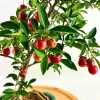
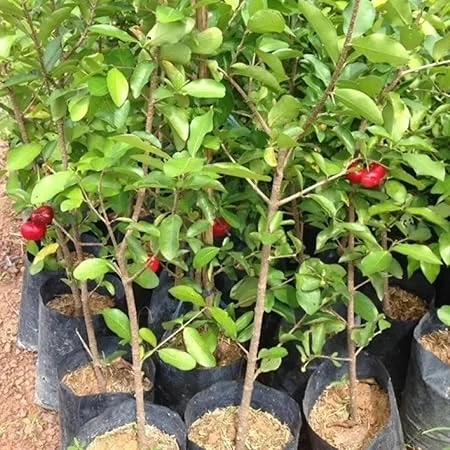
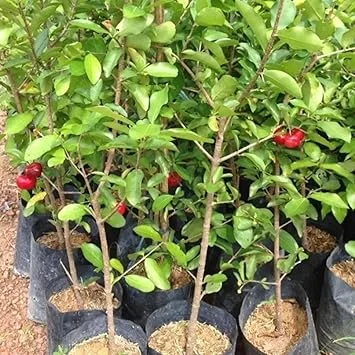
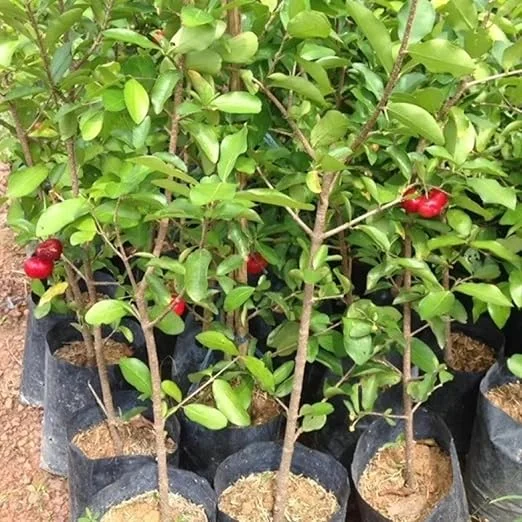
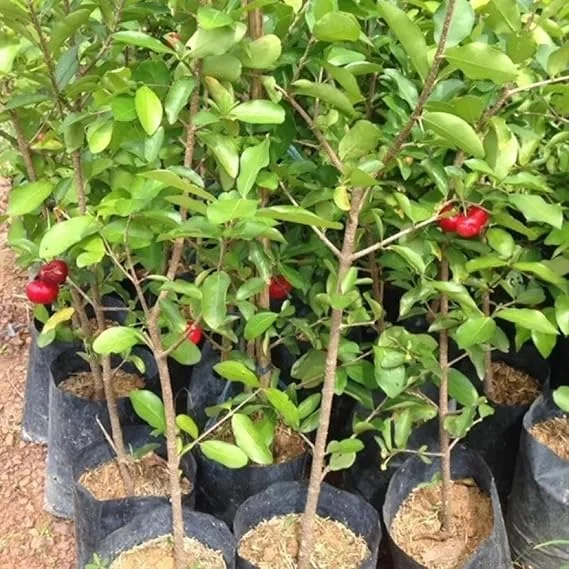
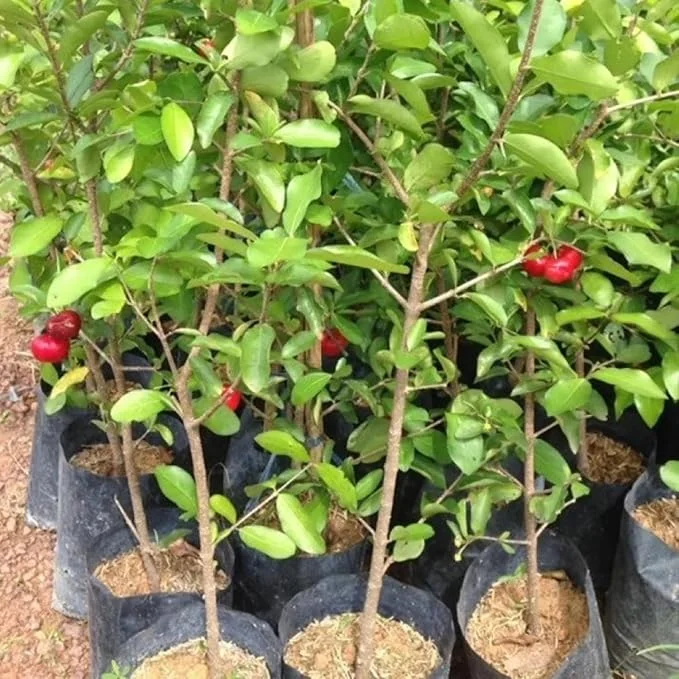
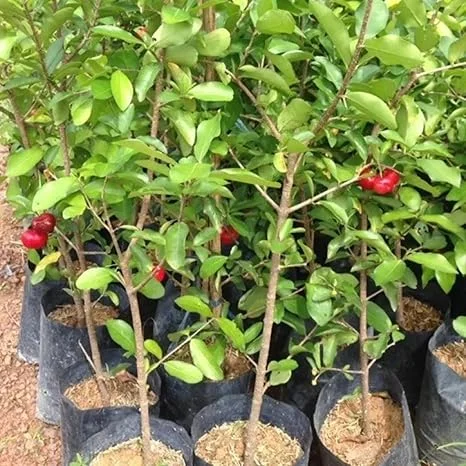
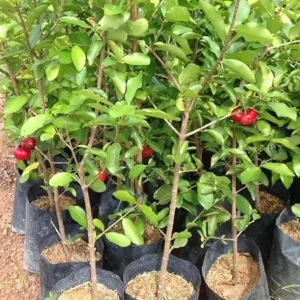
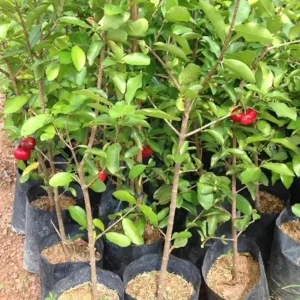
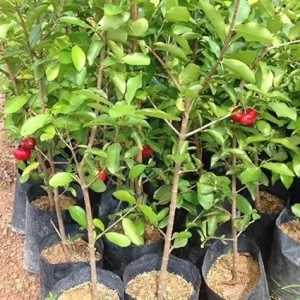
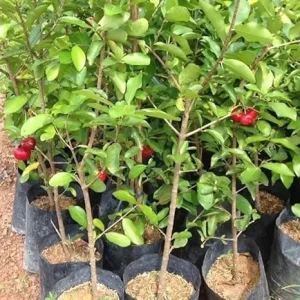
Discover the joy of growing your own nutrient-packed fruit with this vibrant acerola cherry live plant. Also widely known as the barbados cherry seedling, this offering is a healthy, young plant, typically measuring 5-9 inches tall, ready for planting. The Acerola cherry, scientifically known as Malpighia emarginata, is celebrated for its exceptionally high vitamin C content, often surpassing that of oranges. Originating from tropical regions, this fast-growing shrub or small tree produces small, bright red, tart fruits that are not only delicious but also incredibly beneficial for health. Whether you’re an experienced gardener or just starting, bringing this fruiting plant into your home or garden promises a rewarding experience. It’s an excellent choice for edible landscaping, container gardening, or as a unique addition to your fruit collection.
Our acerola cherry live plant is carefully nurtured to ensure it arrives in optimal condition, ready to adapt to its new environment. These young plants are robust and resilient, offering a fantastic opportunity to cultivate a unique fruit-bearing specimen. The barbados cherry seedling develops quickly, and with proper care, you can look forward to its beautiful pink flowers and abundant fruit production. Its attractive foliage and prolific bearing make it a valuable asset for any gardener seeking both ornamental beauty and practical yields.
Key Benefits
Cultivating an acerola cherry live plant offers a multitude of advantages beyond just its delicious fruit. This plant is a powerhouse of benefits for both your garden and your well-being:
- Rich in Vitamin C: The primary draw of the acerola cherry live plant is its fruit’s extraordinary vitamin C content. Incorporating these cherries into your diet can significantly boost your immune system and overall health, making it a valuable addition to any health-conscious household.
- Ornamental Appeal: Beyond its fruit, the Acerola cherry boasts attractive glossy green leaves and delicate pink to lavender flowers. These blooms are often followed by the vibrant red cherries, adding year-round visual interest to your patio, garden, or indoor space.
- Adaptable Growth: This plant is surprisingly versatile. While thriving outdoors in warmer climates (USDA Zones 9-11), it can also be successfully grown in pots indoors in colder regions, allowing nearly anyone to enjoy fresh Acerola cherries.
- Fast Fruiting: Unlike some fruit trees that take years to produce, the barbados cherry seedling can begin fruiting relatively quickly, often within a year or two of planting, providing a quicker return on your gardening investment.
- Low Maintenance: Once established, the Acerola cherry requires minimal care, making it an ideal choice for busy gardeners. Its resilience and moderate water needs contribute to its ease of cultivation, especially for those learning how to grow acerola cherry.
- Culinary Versatility: The tart and juicy fruits are perfect for fresh eating, smoothies, jams, jellies, and juices. Their unique flavor adds a delicious twist to many recipes, and the ability to harvest your own ensures maximum freshness.
Plant Care & Growing Tips
Ensuring your acerola cherry live plant thrives involves understanding its basic needs for sunlight, water, and soil. These plants are relatively low-maintenance, especially once established, making them a great choice for various gardening skill levels. For optimal growth and fruit production, aim to provide the conditions that mimic its native tropical environment.
Sunlight Requirements: The acerola cherry live plant thrives in full sun, requiring at least 6-8 hours of direct sunlight daily. If growing indoors, place it near a south-facing window or supplement with a grow light to ensure it receives adequate light. Insufficient light can lead to sparse foliage and reduced fruit yields. Proper light exposure is crucial for learning how to successfully grow acerola cherry.
Watering Schedule: This plant prefers consistent moisture but dislikes soggy roots. Water thoroughly when the top inch or two of soil feels dry to the touch. During hot, dry periods, it may require more frequent watering. Reduce watering in cooler months or when the plant is dormant. Established plants show some drought tolerance, but regular watering promotes better fruiting. Understanding the right balance is key to healthy plant development.
Soil Type and Drainage: The barbados cherry seedling prefers well-draining soil. A rich, loamy potting mix amended with organic matter is ideal. For outdoor planting, ensure your garden soil drains well; if not, consider amending it with compost or planting in raised beds. Good drainage prevents root rot, a common issue for many fruit-bearing plants.
Temperature Range and USDA Hardiness Zone: The Acerola cherry is a tropical plant, hardy in USDA Zones 9-11. In these zones, it can be grown outdoors year-round. In colder climates, it must be protected from frost. This typically means growing it in a container that can be moved indoors during winter. It prefers temperatures above 50°F (10°C). Consistent warmth is essential for thriving and for the plant to properly set fruit.
Fertilization: Fertilize your acerola cherry live plant with a balanced, slow-release fertilizer in spring and mid-summer, or use a liquid feed every 4-6 weeks during the growing season. A fertilizer formulated for fruit trees or general purpose plants will work well. Avoid over-fertilizing, as this can lead to excessive foliage growth at the expense of fruit production.
Pruning: Prune your Acerola cherry to maintain its shape, control size, and encourage bushier growth and better fruit production. Light pruning can be done after fruiting. Remove any dead, diseased, or crossing branches to improve air circulation and plant health. This also helps improve light penetration to inner branches, which is important for fruit development.
Size & Details
This offering is for one acerola cherry live plant, a vigorous barbados cherry seedling, typically supplied at a height of 5-9 inches tall from the base of the soil to the top of the foliage. These young plants are shipped in a nursery pot, ensuring the root system is well-protected and established for a smooth transition to your garden or larger container. The Acerola cherry is a relatively fast grower, and while its initial height is modest, it can reach mature heights of 10-20 feet if planted in the ground in suitable climates. When grown in containers, its size can be easily managed through pruning, typically keeping it between 4-8 feet tall, making it an excellent choice for patios or indoor spaces. Expect your plant to begin producing fruit within 1-2 years under ideal growing conditions, offering a delightful reward for your efforts to grow acerola cherry.
Frequently Asked Questions
- Q: How big does this acerola cherry live plant get? A: When planted in the ground in suitable climates (USDA Zones 9-11), an Acerola cherry can reach heights of 10-20 feet. If grown in a container, its size can be easily maintained at 4-8 feet with regular pruning, making it versatile for various spaces.
- Q: What size pot does the barbados cherry seedling come in? A: The 5-9 inch tall seedling typically arrives in a small nursery pot, which is adequate for its initial growth. We recommend transplanting it into a larger pot (e.g., 1-gallon to 3-gallon) shortly after arrival to allow for root expansion and robust growth.
- Q: Is this an indoor or outdoor plant? A: This plant can be grown both indoors and outdoors. It thrives outdoors in USDA Zones 9-11 where it can handle mild winters. In colder zones, it must be grown in a container and brought indoors during the winter months to protect it from frost.
- Q: How much sunlight does the acerola cherry live plant need? A: The Acerola cherry requires full sun, meaning at least 6-8 hours of direct sunlight per day for optimal growth and fruit production. If growing indoors, place it in your brightest window or use supplemental grow lighting.
- Q: Is this plant easy to care for? Is it good for beginners? A: Yes, the Acerola cherry is considered relatively easy to care for, especially once established. Its resilience and moderate needs make it a good choice for beginners interested in growing fruit trees, particularly if you follow basic instructions on how to grow acerola cherry.
- Q: What condition will the plant arrive in? A: Your plant will arrive healthy and well-packaged, carefully protected during transit. It will be a live, actively growing seedling, ready for transplanting. We take great care to ensure its safe journey to your home.
- Q: Can I use Acerola cherries in cooking? A: Absolutely! Acerola cherries are highly versatile in the kitchen. Their tart flavor is excellent for fresh eating, adding to smoothies, making jams, jellies, juices, and even sauces. They are a fantastic source of natural vitamin C.
- Q: How long until it blooms and fruits? A: With proper care, your barbados cherry seedling can typically begin to bloom and produce fruit within 1-2 years of planting. Fruiting can occur multiple times a year in warm climates.
- Q: What’s the minimum temperature this plant can tolerate? A: As a tropical plant, the Acerola cherry is sensitive to cold. It prefers temperatures above 50°F (10°C) and should be protected from frost. Extended exposure to temperatures below freezing can cause significant damage or even kill the plant.
- Q: What kind of soil does it prefer? A: This plant thrives in well-draining soil rich in organic matter. A good quality potting mix for fruit trees or a balanced blend of garden soil, compost, and perlite will provide the ideal growing medium.


Reviews
There are no reviews yet.