Overview
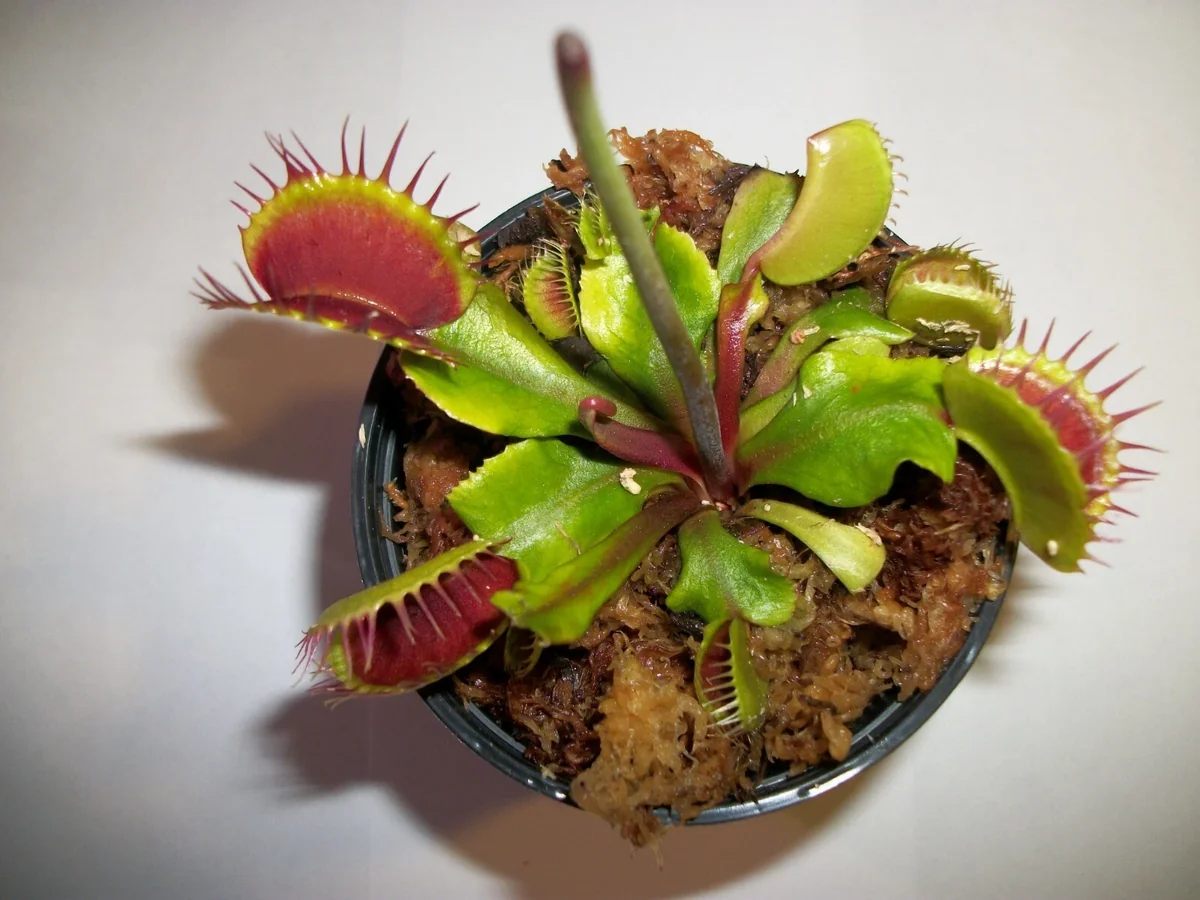
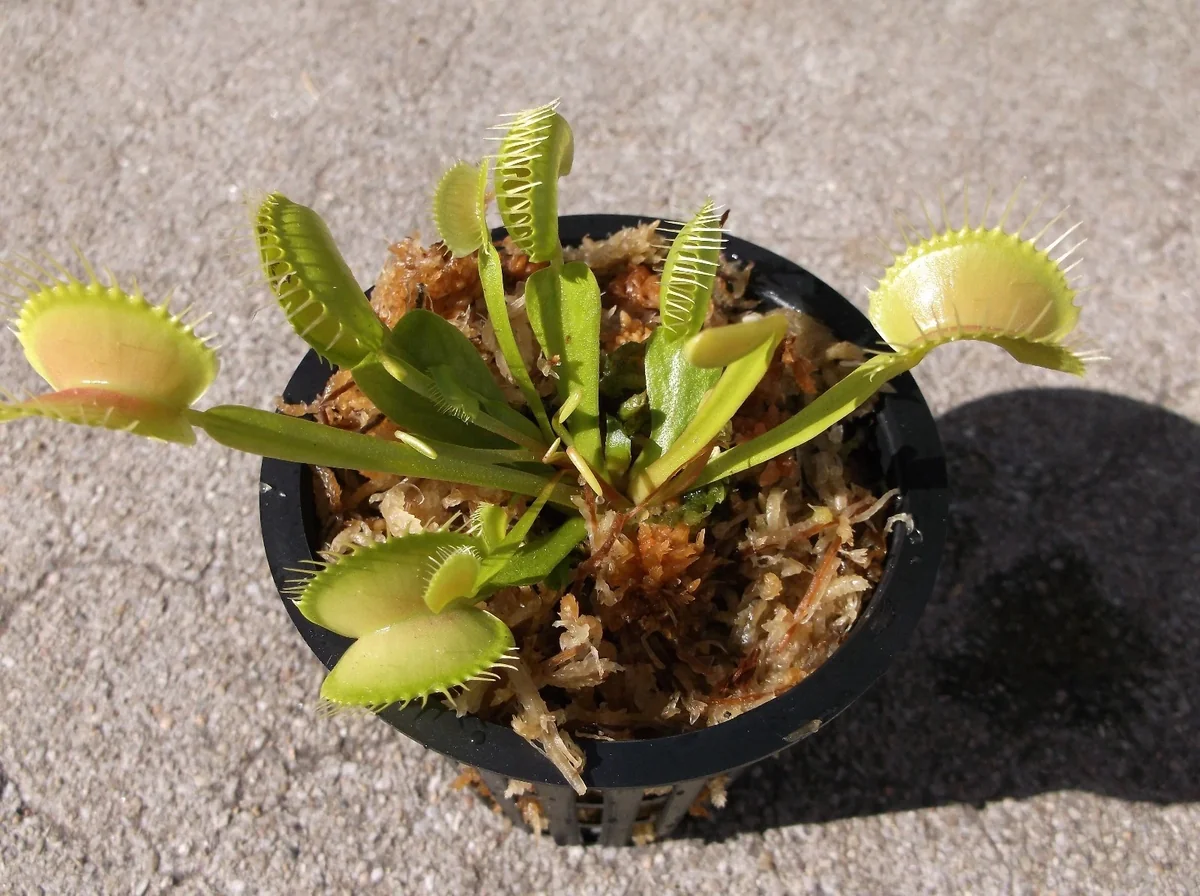
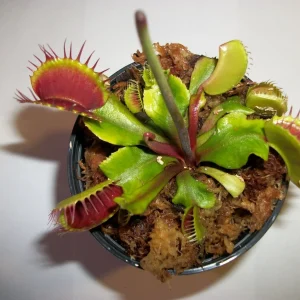
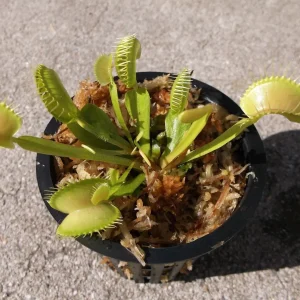
Introduce an extraordinary botanical marvel into your home with this Venus Flytrap live plant, scientifically known as Dionaea Muscipula. Originating from the subtropical wetlands of North and South Carolina, this iconic carnivorous plant is famous for its distinctive, hinged traps that snap shut to capture unsuspecting insects. Each plant arrives as a healthy, mature specimen, ready to display its fascinating predatory behavior. The Venus Flytrap live plant is not just a conversation starter; it’s a living, breathing example of nature’s ingenious adaptations, offering both educational value and unique aesthetic appeal. Perfect for enthusiasts and curious gardeners alike, this plant promises to be a captivating addition to any indoor garden or terrarium setup. The vibrant green leaves often develop reddish interiors when exposed to sufficient light, adding to its visual charm.
Key Benefits
Owning a Venus Flytrap live plant offers a multitude of benefits, from natural pest control to enriching your horticultural experience. These unique plants are more than just decorative; they actively contribute to their environment in remarkable ways. Embrace the joy of cultivating this extraordinary species and witness nature’s wonders firsthand.
- Natural Pest Control: The primary and most exciting benefit of the Venus Flytrap live plant is its ability to naturally control small insect populations in your home. It effectively traps and digests flies, gnats, and other crawling or flying insects, reducing the need for chemical pesticides.
- Educational & Fascination: Observing the intricate trapping mechanism of the Dionaea Muscipula is a truly mesmerizing experience. It provides a unique educational opportunity for all ages to learn about carnivorous plants and their ecological roles.
- Unique Aesthetic Appeal: With its striking green and often red-tinged traps, the Venus Flytrap adds an exotic and intriguing element to any plant collection. It stands out from traditional houseplants, offering a distinctive visual interest.
- Compact Size: This carnivorous plant for beginners comes in a convenient 3-inch pot, making it ideal for windowsills, desks, or terrariums where space is limited. Its compact growth habit ensures it fits well in various indoor settings.
- Engaging Hobby: Caring for a Venus Flytrap can be a highly rewarding hobby. Learning about its specific needs, such as proper watering and lighting, connects you more deeply with the natural world and the delicate balance of ecosystems.
- Air Purification: While not as prominent as some foliage plants, any live plant contributes to improving indoor air quality by absorbing carbon dioxide and releasing oxygen.
- Drought Tolerance: While requiring consistent moisture, the plant can tolerate short periods of dryness better than some other carnivorous plants, making Venus Flytrap maintenance manageable.
Plant Care & Growing Tips
To ensure your Venus Flytrap live plant thrives, understanding its specific care requirements is crucial. These plants are native to boggy environments, which dictates their needs for light, water, and soil. Providing the right conditions will lead to a healthy, active plant with numerous traps.
Sunlight requirements: The Venus Flytrap needs abundant sunlight to flourish. Aim for at least 4-6 hours of direct sunlight per day. A south-facing window is often ideal indoors. If natural light is insufficient, consider using a grow light for 12-16 hours daily to ensure the traps develop their vibrant red coloration and remain active. Insufficient light can lead to weak, elongated growth and a lack of trap coloration.
Watering schedule and soil moisture: This plant requires consistently moist soil, mimicking its natural bog habitat. Use only distilled water, reverse osmosis water, or rainwater; tap water contains minerals that can harm the plant over time. The tray method is highly recommended: keep the pot in a tray filled with about 1 inch of purified water. Allow the tray to dry out completely for a day or two before refilling. Never let the plant completely dry out. Dionaea muscipula care emphasizes avoiding overhead watering as it can disturb the delicate soil.
Soil type and drainage: The Venus Flytrap needs a nutrient-poor, acidic soil mix. A common and effective blend is a 1:1 ratio of peat moss (sphagnum peat, not enriched garden peat) and perlite or horticultural sand. Avoid using regular potting soil, which is too rich in nutrients and will kill the plant. Excellent drainage is not a primary concern as the plant prefers consistently wet conditions, but the mix should not be overly compacted.
Temperature range and USDA hardiness zone: These plants prefer warm temperatures during their growing season (65-95°F / 18-35°C) but require a dormancy period in winter (35-50°F / 2-10°C). During dormancy, the plant’s growth slows significantly, and some traps may die back. This period is essential for the plant’s long-term health. The Venus Flytrap live plant is hardy in USDA zones 7-10 for outdoor cultivation, although indoor growing is more common for consistent temperature control.
Fertilization: Do not fertilize your Venus Flytrap through the soil. They obtain all necessary nutrients from the insects they catch. Fertilizing will burn their roots and kill the plant. If grown indoors and insects are scarce, you can occasionally feed them a small insect (like a housefly) every 2-4 weeks, ensuring the insect is small enough to be fully enclosed by the trap. This is a key aspect when learning how to grow Venus Flytrap successfully.
Common problems and solutions: Yellowing leaves often indicate overwatering with tap water or insufficient light. Ensure you use purified water and provide ample sunlight. If traps are not closing, it might be due to low light, over-triggering (don’t manually trigger traps unnecessarily as each trap has a limited number of closures), or a lack of moisture. Blackening traps are normal as old traps die off; simply trim them away to encourage new growth. Proper Venus Flytrap maintenance involves vigilance and adherence to these specific conditions.
Size & Details
This offering features an adult-sized Venus Flytrap live plant, specifically the Dionaea Muscipula species, cultivated in a standard 3-inch nursery pot. The plant’s size can vary slightly but typically presents with several active traps, each measuring approximately 0.5 to 1.5 inches across. The overall plant height usually ranges from 3 to 5 inches, making it a robust specimen ready for display. Your carnivorous plant for beginners will arrive securely packaged, typically dormant or semi-dormant during cooler months, which is a natural and healthy state for the plant. Its growth rate is moderate, and with optimal conditions, it will continue to produce new traps and expand its clump over time. The 3-inch pot provides ample space for the plant to establish its root system upon arrival, and it can remain in this pot for a significant period before requiring repotting.
Frequently Asked Questions
- Q: How big does this Venus Flytrap live plant get? A: This adult Venus Flytrap typically arrives in a 3-inch pot with an overall height of 3-5 inches. Individual traps can reach up to 1.5 inches in size. With proper care, the plant will continue to grow and produce more leaves and traps.
- Q: Is this an indoor or outdoor plant? A: While Dionaea muscipula care allows for outdoor placement in USDA zones 7-10, it is commonly grown indoors on a sunny windowsill or under grow lights to ensure consistent conditions and protection from harsh elements. It requires a dormancy period regardless of location.
- Q: How much sunlight does it need? A: The Venus Flytrap requires at least 4-6 hours of direct sunlight daily to thrive and develop healthy, red-tinged traps. If grown indoors, a south-facing window is best, or supplement with a strong grow light for 12-16 hours.
- Q: Is this plant easy to care for? Is it good for beginners? A: With specific care requirements for water quality and light, the Venus Flytrap can be considered a moderate-difficulty plant. However, with good adherence to guidelines, it can be a rewarding carnivorous plant for beginners. Understanding how to grow Venus Flytrap successfully involves learning its unique needs.
- Q: What condition will it arrive in? Is it shipped in soil? A: Your Venus Flytrap will arrive as a live, healthy plant, securely packaged in its 3-inch nursery pot with the appropriate peat/perlite soil mix. It will be ready to display or place in its new environment.
- Q: How often should I water my Venus Flytrap? A: The plant requires consistently moist soil. Use only distilled water, rainwater, or reverse osmosis water. The tray method (keeping the pot in a tray with 1 inch of water) is recommended, allowing the tray to dry out briefly before refilling.
- Q: What’s the best time to plant or repot a Venus Flytrap? A: The best time to repot a Venus Flytrap is during its dormant period, typically late winter to early spring, before new growth begins. This minimizes stress on the plant.
- Q: Can I feed my Venus Flytrap hamburger or other meats? A: No, only live insects should be fed to your Venus Flytrap. Meats and dead insects can rot in the trap and cause it to die, as they lack the necessary enzymes to digest non-living matter efficiently.
- Q: Why are my Venus Flytrap’s traps turning black? A: It’s natural for older traps to turn black and die off as new ones grow. Simply trim away the dead traps. If many traps are turning black rapidly, it could indicate issues with water quality, light, or insufficient dormancy. Consistent Venus Flytrap maintenance helps prevent widespread issues.
- Q: Does this plant require a dormancy period? A: Yes, the Venus Flytrap absolutely requires a dormancy period during winter, typically for 3-4 months, with cooler temperatures (35-50°F) and reduced light. This is crucial for the plant’s long-term health and vigor.


Reviews
There are no reviews yet.