Overview
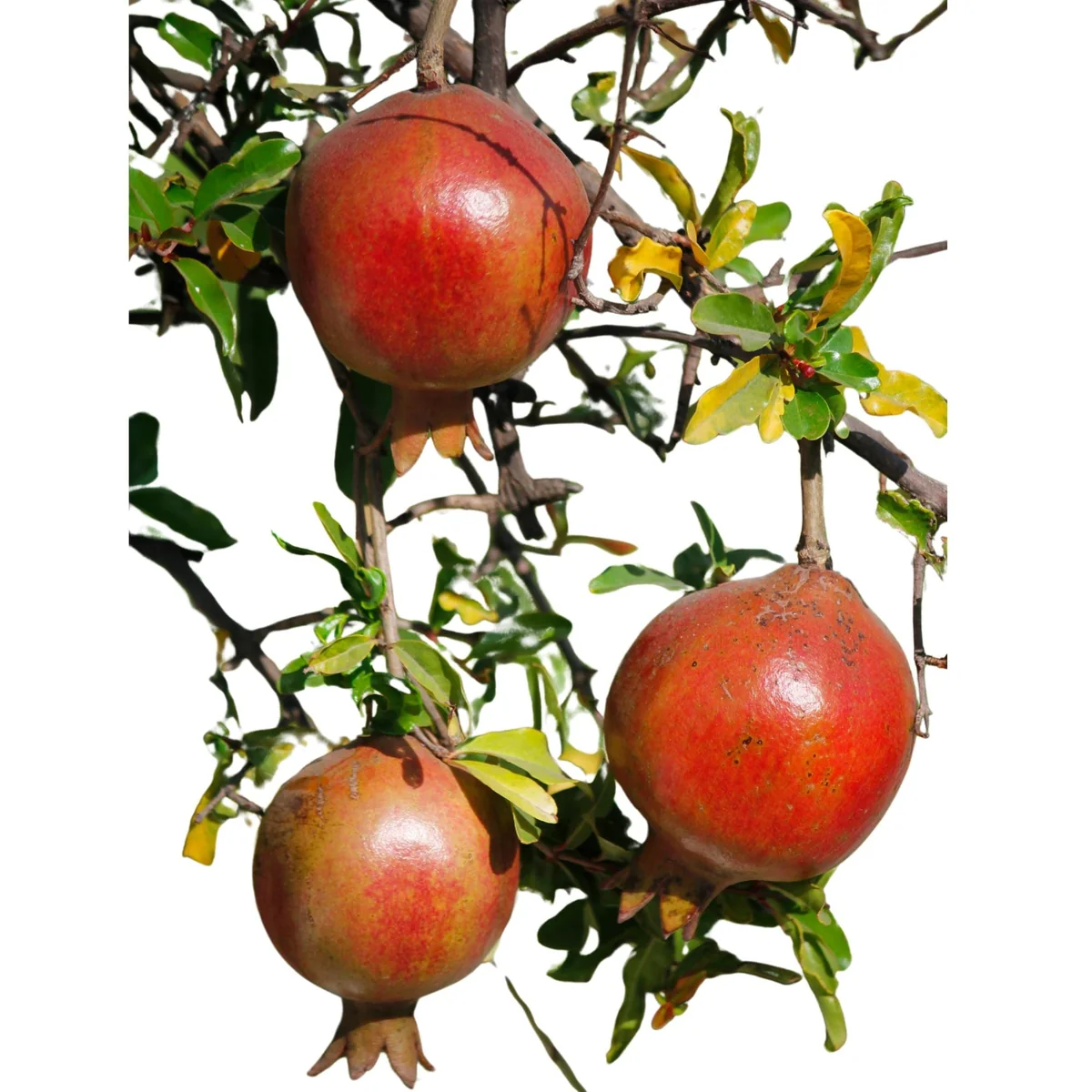
Introduce a touch of exotic beauty and delicious flavor to your garden with the Afganski pomegranate live plant. Scientifically known as Puncia Granatum ‘Afganski’, this remarkable variety is highly prized for its resilience and ability to produce an abundance of juicy, sweet-tart fruits. Unlike many delicate fruiting plants, the Puncia Granatum Afganski is a robust and adaptable shrub, making it an excellent choice for gardeners across a wide range of climates. Beyond its delectable fruit, this plant also boasts stunning red flowers that add a vibrant splash of color to your landscape. Whether you’re an experienced horticulturist or a budding enthusiast, the Afganski pomegranate live plant promises a rewarding and beautiful addition to your outdoor space, providing both visual appeal and a source of fresh, homegrown produce.
This particular fruiting pomegranate shrub is celebrated for its medium-sized fruits, packed with flavorful seeds that are perfect for fresh eating, juicing, or adding to culinary creations. The ‘Afganski’ cultivar is particularly noted for its hardiness and vigorous growth, ensuring that your efforts in cultivation will be met with a generous yield. Embrace the joy of nurturing a plant that not only enhances your garden’s aesthetic but also provides a continuous supply of healthy and delicious fruit. It’s a fantastic investment for anyone looking to combine ornamental value with practical benefits in their home garden.
Key Benefits
The Afganski pomegranate live plant offers a multitude of benefits for any gardener, making it a highly desirable addition to your landscape. Its combination of ornamental appeal and productive yield sets it apart:
- Delicious Sweet-Tart Fruit: Enjoy a bountiful harvest of medium-sized pomegranates, renowned for their juicy, sweet-tart flavor. These fruits are perfect for snacking, juicing, or incorporating into a variety of dishes and desserts.
- Stunning Ornamental Value: Beyond its fruit, the Puncia Granatum Afganski produces vibrant red flowers that are incredibly eye-catching, adding a tropical and beautiful aesthetic to your garden during its blooming season.
- Exceptional Hardiness: This variety is particularly valued for its resilience and ability to thrive in diverse climates, making it a reliable choice for many regions. It can withstand various environmental conditions once established.
- Versatile Culinary Use: The arils (seeds) from the sweet-tart pomegranate are highly versatile. Use them fresh in salads, blend them into refreshing juices, or cook with them to add a unique flavor to savory and sweet recipes.
- Easy to Grow: Generally considered a low-maintenance shrub, the Afganski pomegranate live plant is relatively easy to care for, requiring basic attention to sunlight, water, and soil conditions to flourish.
- Attractive Garden Addition: With its striking flowers and lush foliage, this fruiting pomegranate shrub serves as an excellent focal point or a beautiful component within a mixed border or edible landscape.
- Health Benefits: Pomegranates are well-known for their antioxidant properties and are a healthy addition to any diet, providing both flavor and nutritional value directly from your garden.
Plant Care & Growing Tips
Caring for your Afganski pomegranate live plant is straightforward, and with the right conditions, it will reward you with abundant fruit and beautiful blooms. Pomegranates are sun-loving plants, so choosing the right location is paramount. Ensure your plant receives at least 6-8 hours of direct sunlight each day. A south-facing spot in your garden is often ideal. Good drainage is crucial; pomegranates do not tolerate waterlogged roots, which can lead to root rot. If your soil is heavy clay, amend it with organic matter like compost and sand to improve aeration and drainage. The ideal soil pH for Puncia Granatum Afganski ranges from 6.0 to 7.5, which is slightly acidic to neutral.
When planting, dig a hole that is twice as wide as the root ball and about the same depth. Gently remove the plant from its pot and loosen any circling roots before placing it in the hole. The top of the root ball should be level with the surrounding soil. Backfill with your prepared soil, gently firming it around the base to remove air pockets, and water thoroughly. Consistent watering is important during the plant’s establishment phase and during dry spells, especially when the fruit is developing. However, allow the top few inches of soil to dry out between waterings. Fertilize your fruiting pomegranate shrub in early spring with a balanced slow-release fertilizer. Pruning should be done in late winter or early spring to remove dead or weak branches and to shape the plant, encouraging better air circulation and fruit production. Protect young plants from frost in colder climates or consider growing them in containers that can be moved indoors.
For optimal growth and fruit yield, understanding the specific needs of your growing pomegranate is key. While generally hardy, they benefit from protection during extreme cold spells. Mulching around the base of the plant can help retain soil moisture and regulate soil temperature. Watch out for common pests like aphids or whiteflies, and treat them with organic insecticidal soaps if necessary. With proper care, your sweet-tart pomegranate will become a cherished and productive part of your garden for many years.
Size & Details
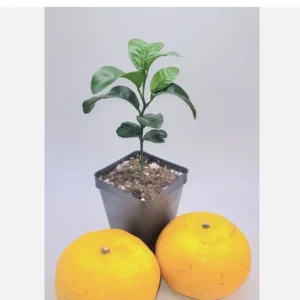
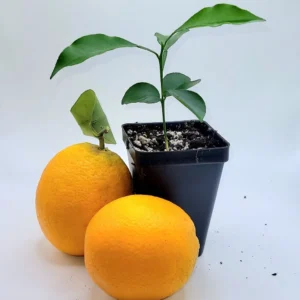
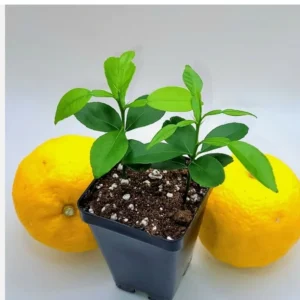
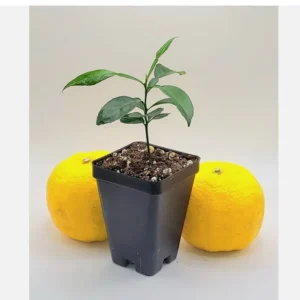
This offering is for one Afganski pomegranate live plant, typically shipped as a well-rooted, potted specimen ready for transplanting. Specific dimensions such as height and pot size will vary depending on the growing stage and season, but plants are generally presented at a healthy, manageable size suitable for immediate planting in your garden or a larger container. Pomegranate shrubs can grow to be quite substantial, often reaching heights of 10-15 feet and a similar spread if left unpruned, though they can be maintained at a smaller size with regular pruning. This particular Puncia Granatum Afganski variety exhibits a moderate to fast growth rate under ideal conditions, allowing you to enjoy its beauty and fruit relatively quickly.
The plant will arrive carefully packaged to ensure its health during transit. Expect to see initial blooms and fruit production within a few years of planting, with increasing yields as the plant matures. This fruiting pomegranate shrub is a long-lived plant, providing many seasons of enjoyment and harvest. It is an excellent choice for those looking for a productive and visually appealing plant that will grow and thrive, becoming a significant feature in their outdoor living space.
Frequently Asked Questions
- Q: How big does this plant get? A: The Afganski pomegranate live plant can typically grow to a height of 10-15 feet and a similar spread if left unpruned. However, it can be maintained at a smaller, more manageable size with regular pruning, making it suitable for various garden spaces.
- Q: What size pot does it come in? A: The plant is typically shipped as a single potted plant. The exact pot size can vary depending on the nursery stock and time of year, but it will be a size appropriate for the young plant to thrive during transit and initial establishment.
- Q: Is this an indoor or outdoor plant? A: The Puncia Granatum Afganski is primarily an outdoor plant, thriving in full sun. While young plants can be overwintered indoors in colder climates, it requires significant light and space to fruit successfully.
- Q: How much sunlight does it need? A: This fruiting pomegranate shrub requires at least 6-8 hours of direct sunlight daily to produce the best fruit and maintain vigorous growth. Full sun exposure is crucial for optimal health.
- Q: Is this plant easy to care for? A: Yes, the Afganski pomegranate live plant is considered relatively easy to care for once established. It is known for its hardiness and drought tolerance, making it a good choice for both experienced and novice gardeners.
- Q: What condition will it arrive in? A: Your sweet-tart pomegranate will arrive as a healthy, live plant, carefully inspected and packaged to ensure it reaches you in the best possible condition, ready for planting.
- Q: How long until it blooms and fruits? A: You can typically expect your growing pomegranate to begin blooming and setting fruit within 2-3 years of planting, with yields increasing significantly as the plant matures.
- Q: When is the best time to plant? A: The best time to plant the Afganski pomegranate live plant is in early spring after the last frost, allowing it ample time to establish before the heat of summer or the cold of winter.
- Q: Will it survive winter in my zone? A: The ‘Afganski’ variety is known for its hardiness. Pomegranates generally thrive in USDA zones 7-10. If you are in a colder zone, consider providing winter protection or growing it in a container that can be moved indoors.
- Q: What type of soil does it prefer? A: This plant prefers well-draining soil, ideally sandy or loamy, with a pH between 6.0 and 7.5. Good drainage is essential to prevent root issues.


Reviews
There are no reviews yet.