Overview
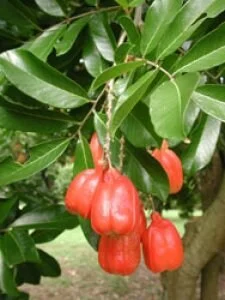
Bring the taste of the tropics to your garden with this vibrant akee fruit live plant. Known botanically as Blighia sapida, the Akee tree is a handsome, fast-growing evergreen that can reach impressive sizes but can be maintained with regular pruning. Originating from West Africa, it’s widely cultivated in tropical and subtropical regions, particularly in the Caribbean, where its fruit is a culinary staple. The Akee fruit is distinct, opening naturally to reveal a crisp, cream-colored, glossy aril that offers a unique, somewhat nutty flavor. This particular plant is a young specimen, typically 1 to 2 feet tall, shipped securely in a 3-gallon pot, making it an excellent choice for those looking to establish a rewarding tropical fruit tree in their landscape or as a container plant in warmer climates. Growing your own akee fruit live plant offers the immense satisfaction of harvesting fresh, exotic produce right from your home.
The Akee tree is not only prized for its fruit but also for its ornamental value. Its lush, evergreen foliage provides year-round beauty, making it a focal point in any garden. While the fruit is a delicacy, it’s crucial to understand its preparation. The arils are edible only when the fruit has naturally opened and ripened; consuming unripe or unopened fruit can be toxic. This makes growing your own akee fruit live plant even more rewarding, as you can ensure proper harvesting and preparation for a safe and delicious culinary experience.
Key Benefits
The akee fruit live plant offers a multitude of benefits, from its unique culinary contributions to its aesthetic appeal in the garden. Cultivating this tropical tree can be a deeply satisfying experience for any plant enthusiast.
- Exotic Fruit Production: Enjoy the unique, nutty-flavored arils of the Akee fruit, a rare delicacy often used in traditional Caribbean cuisine. Growing your own ensures access to fresh, properly ripened fruit.
- Ornamental Value: The Akee tree is a handsome, fast-growing evergreen with lush foliage, providing year-round beauty and shade in your garden. Its striking appearance makes it an attractive focal point.
- Fast Growth Rate: This tree is known for its relatively rapid growth, allowing you to establish a substantial plant and potentially enjoy fruit sooner than with slower-growing varieties.
- Unique Culinary Experience: The prepared arils offer a distinct flavor and texture, perfect for adventurous cooks looking to explore new ingredients. It’s an unforgettable addition to your diet.
- Educational Opportunity: Growing a tropical fruit like Akee can be a fascinating educational experience, teaching about plant cycles, tropical horticulture, and safe food preparation.
- Supports Biodiversity: Introducing diverse plant species like the akee fruit live plant to your garden can contribute to local biodiversity and create a more dynamic ecosystem.
- Potential for Container Growing: In cooler climates, the Akee tree can be grown in large containers and brought indoors during colder months, allowing more gardeners to enjoy this tropical gem.
Plant Care & Growing Tips
Caring for your akee fruit live plant involves understanding its tropical origins to provide the best possible environment for growth and fruit production. Akee trees thrive in warm, humid conditions, making them ideal for USDA zones 9-11 outdoors, or as container plants that can be protected from frost.
Sunlight Requirements: The Akee tree prefers full sun, meaning at least 6-8 hours of direct sunlight per day. When growing indoors or in a greenhouse, ensure it receives bright, consistent light. Insufficient light can lead to stunted growth and reduced fruit yield. Akee tree care also involves ensuring good air circulation, especially in humid environments, to prevent fungal issues.
Watering and Soil: This plant requires a consistently moist, but not waterlogged, soil. Water deeply when the top inch or two of soil feels dry to the touch, especially during dry spells and the growing season. Reduce watering slightly in cooler months. The ideal soil for grow akee fruit is well-draining, fertile, and slightly acidic to neutral (pH 6.0-7.0). A good quality potting mix enriched with organic matter works well for container-grown plants, while outdoor plants benefit from soil amended with compost.
Temperature and Fertilization: Akee trees are sensitive to cold and should be protected from temperatures below 40°F (4°C). They thrive in temperatures between 70-90°F (21-32°C). Fertilize your blighia sapida plant with a balanced slow-release fertilizer or a liquid feed formulated for tropical fruit trees during the growing season (spring through fall). Follow package instructions for application rates. Pruning should be done to maintain shape, remove dead or diseased branches, and encourage fruit production. Remember that the fruit is poisonous until it naturally opens, so always handle with care.
Size & Details
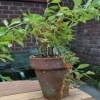
This offering is for one akee fruit live plant, typically measuring 1 to 2 feet in height from the base of the soil to the top of the foliage. It is shipped securely in a 3-gallon nursery pot, providing a robust root system ready for transplanting. The plant is a young, vigorous specimen, capable of fast growth under optimal conditions. When fully mature, an Akee tree can reach heights of 25-40 feet (7.6-12 meters) with a spread of similar size, though it can be kept smaller through regular pruning. Expect the tree to begin producing fruit within 3-5 years, depending on growing conditions and care. The tropical fruit tree is evergreen, maintaining its lush foliage year-round in frost-free environments. This size is ideal for establishing a healthy plant, whether you plan to grow it in the ground in a suitable climate or cultivate it as a container specimen.
Frequently Asked Questions
- Q: How big does this Akee plant get? A: This particular akee fruit live plant is 1 to 2 feet tall when shipped. With proper care, it can grow into a large tree of 25-40 feet, but it can be maintained at a smaller size with regular pruning, especially if grown in a container.
- Q: Is this an indoor or outdoor plant? A: The Akee tree is a tropical plant best suited for outdoor planting in USDA Zones 9-11. In cooler climates, it can be grown as a container plant and brought indoors during colder months.
- Q: How much sunlight does it need? A: Your akee fruit live plant requires full sun, meaning at least 6-8 hours of direct sunlight per day, to thrive and produce fruit.
- Q: What condition will it arrive in? A: Your Akee plant will arrive as a healthy, live specimen, securely packaged in its 3-gallon nursery pot with soil, ready for transplanting.
- Q: Is this plant easy to care for? A: While tropical, Akee trees are relatively straightforward to care for if their basic needs for warmth, sunlight, and consistent moisture are met. It’s a rewarding plant for those interested in tropical fruit tree cultivation.
- Q: When is the best time to plant an Akee tree? A: The best time to plant your blighia sapida plant is in the spring or early summer after all danger of frost has passed, allowing it ample time to establish before cooler temperatures.
- Q: How long until it produces fruit? A: An Akee tree typically begins to produce fruit within 3-5 years from planting, depending on growing conditions and overall plant health.
- Q: Can I use the fruit immediately upon harvesting? A: No, it is crucial to wait until the Akee fruit naturally opens on the tree, revealing the edible arils. Unripe or unopened fruit is poisonous and should not be consumed. Always ensure proper preparation.
- Q: What kind of soil does an Akee tree prefer? A: Akee trees thrive in well-draining, fertile soil with a slightly acidic to neutral pH. Amending with organic matter will greatly benefit its growth.
- Q: Will it survive winter in my zone? A: Akee trees are not frost-tolerant. If you are outside USDA Zones 9-11, you will need to protect your plant from cold temperatures, either by bringing it indoors or providing significant winter protection.


Reviews
There are no reviews yet.