Overview
Transform your garden’s foundation with premium alfalfa cover crop seeds. This powerful perennial is renowned for its exceptional ability to revitalize soil, making it a cornerstone for sustainable gardening practices. Alfalfa (Medicago sativa) is not just a plant; it’s a natural soil engineer, working tirelessly beneath the surface to create a healthier, more fertile environment for all your plantings. By harnessing the power of natural processes, these seeds offer an eco-friendly approach to garden maintenance, reducing the need for chemical fertilizers and promoting a balanced ecosystem. Whether you’re a seasoned farmer or a home gardener, incorporating alfalfa into your routine will yield visible and lasting improvements to your soil structure and nutrient content.
Each pack contains 20 high-quality seeds, ready to establish a robust and beneficial cover crop. Alfalfa is a versatile plant, widely utilized in vegetable gardens, raised beds, and for general farm soil restoration. Its deep root system is instrumental in breaking up compacted earth, enhancing aeration, and improving water penetration. This makes it an invaluable asset for anyone looking to cultivate a thriving and resilient garden. With its natural ability to fix nitrogen and enrich the soil with organic matter, alfalfa provides a long-term solution for maintaining fertility and promoting vigorous plant growth. Embrace the benefits of this remarkable plant and witness a significant improvement in your garden’s health and productivity.
Key Benefits
Investing in alfalfa cover crop seeds provides a multitude of advantages for your garden, contributing to both its immediate health and long-term sustainability. This simple addition can drastically improve the vitality and productivity of your planting areas.
- Natural Nitrogen Fixation: Alfalfa forms a symbiotic relationship with soil bacteria to convert atmospheric nitrogen into a usable form for plants. This process naturally enriches the soil, reducing the need for synthetic nitrogen fertilizers and promoting healthier plant growth.
- Soil Structure Improvement: The deep taproots of alfalfa penetrate compacted soil, breaking it up and improving aeration and drainage. This leads to a looser, more friable soil structure that is easier to work with and better supports root development for subsequent crops.
- Increased Organic Matter: When used as a perennial green manure, alfalfa plants are tilled back into the soil, adding a rich source of organic matter. This enhances soil fertility, improves water retention, and provides a habitat for beneficial microorganisms.
- Drought Tolerance: Once established, alfalfa exhibits impressive drought tolerance due to its extensive root system. This makes it a resilient choice for various climates and helps conserve water in your garden, especially during drier periods.
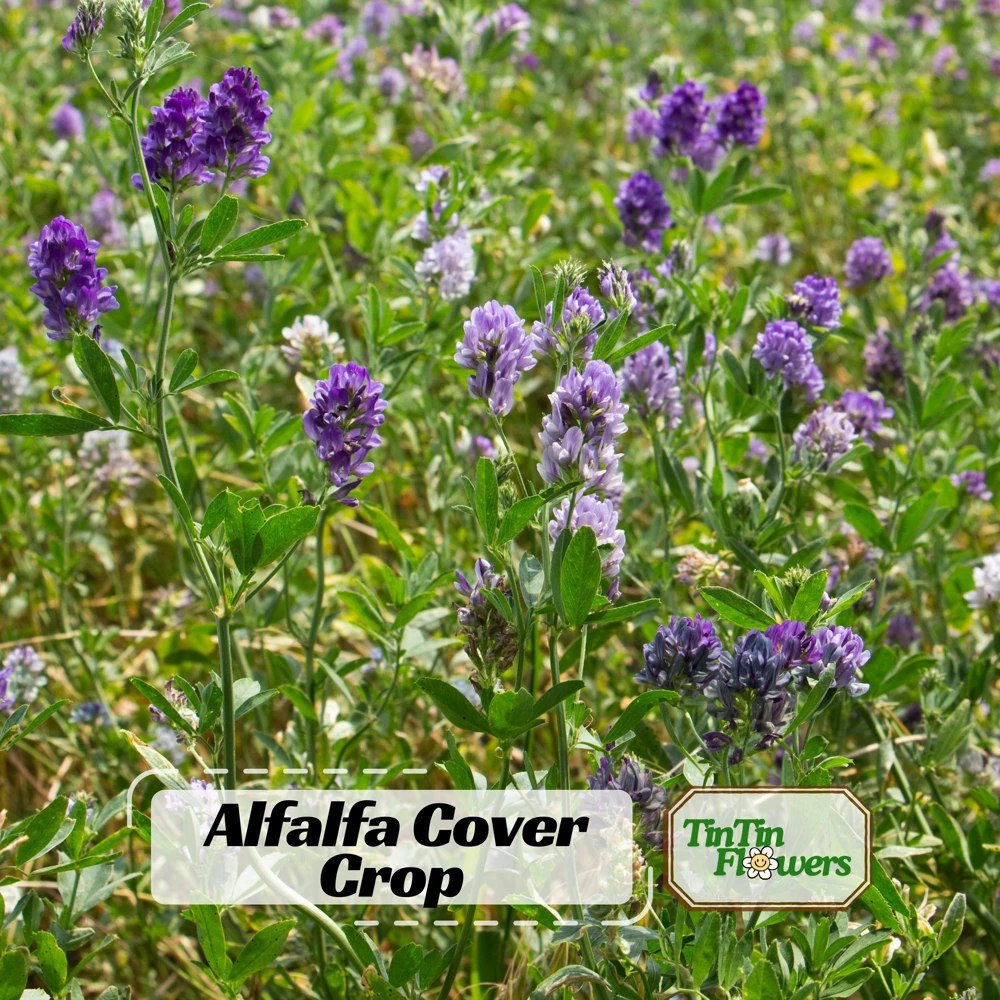
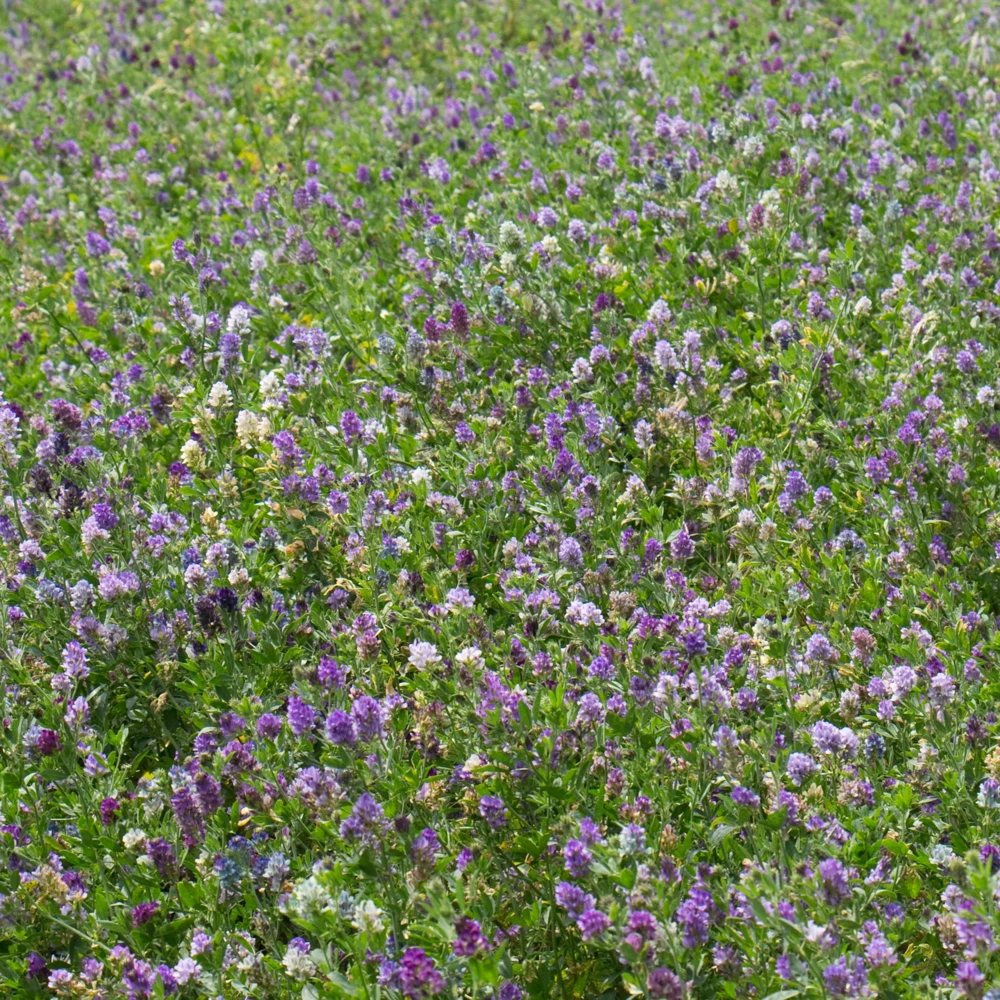
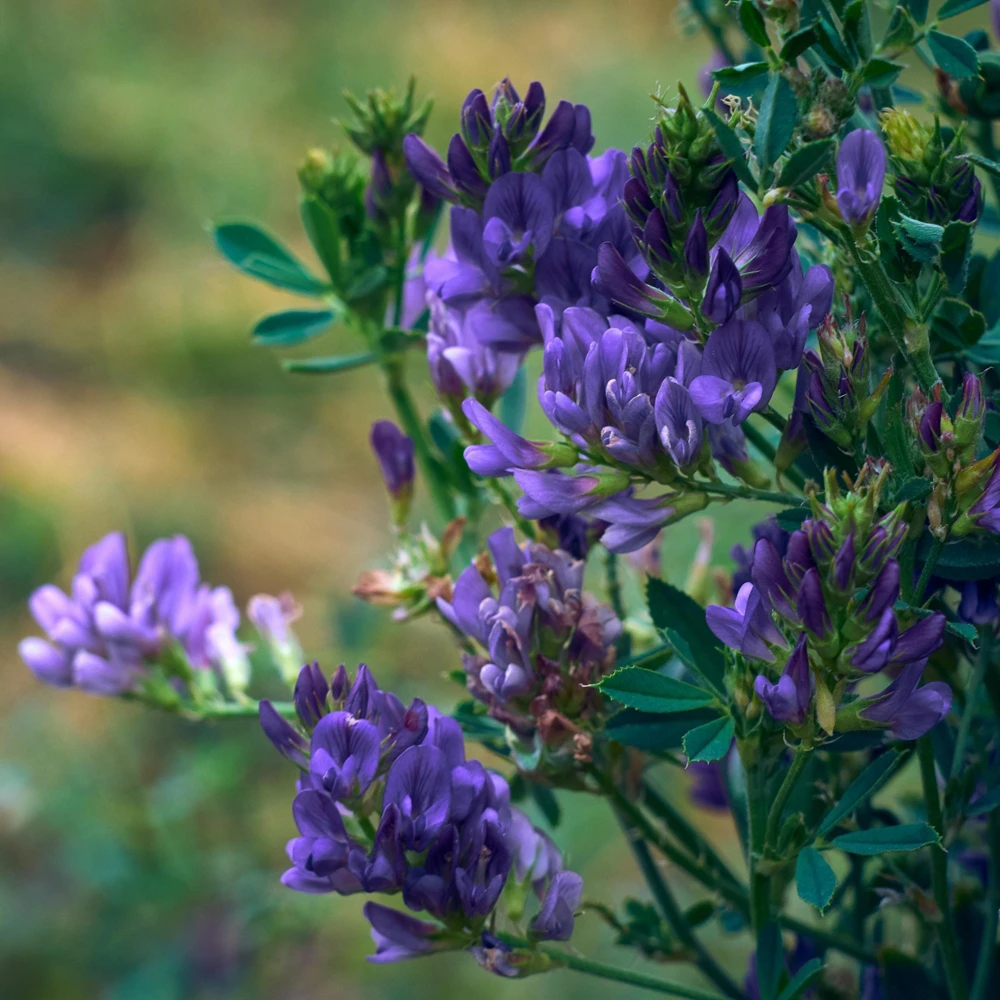
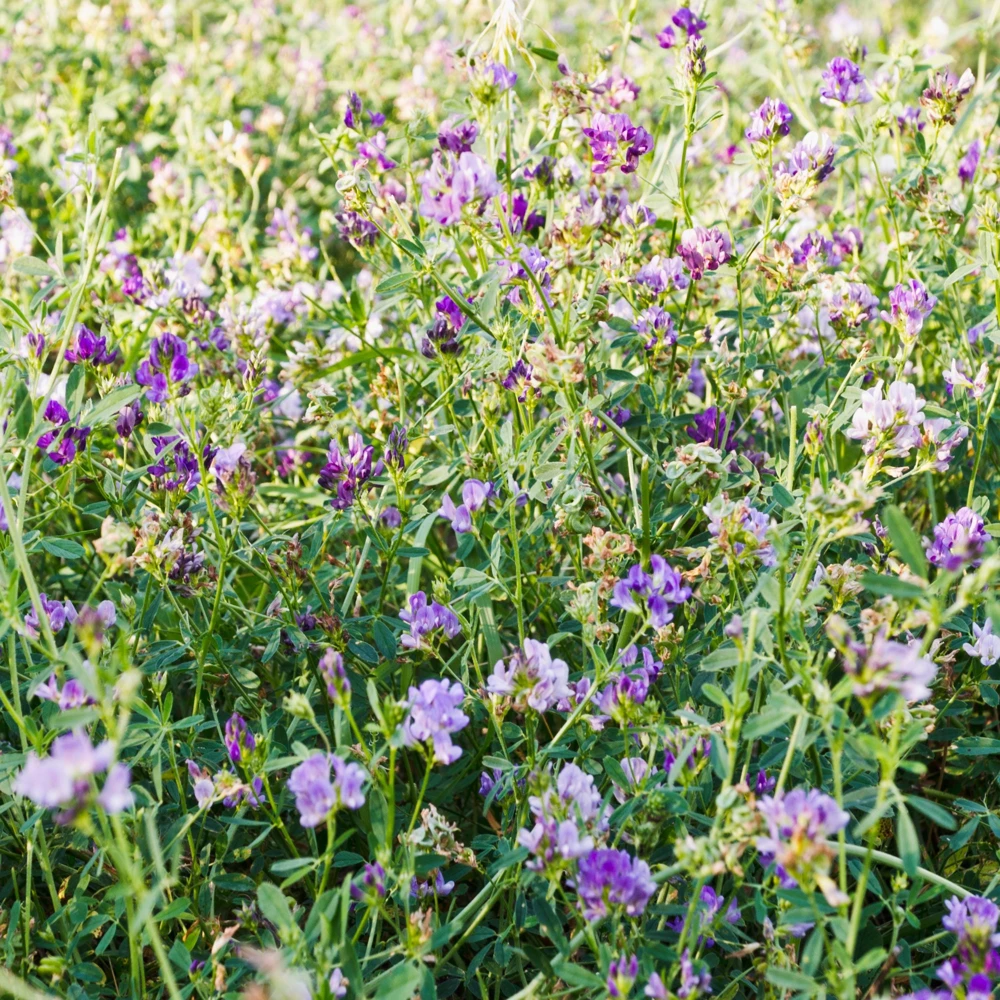
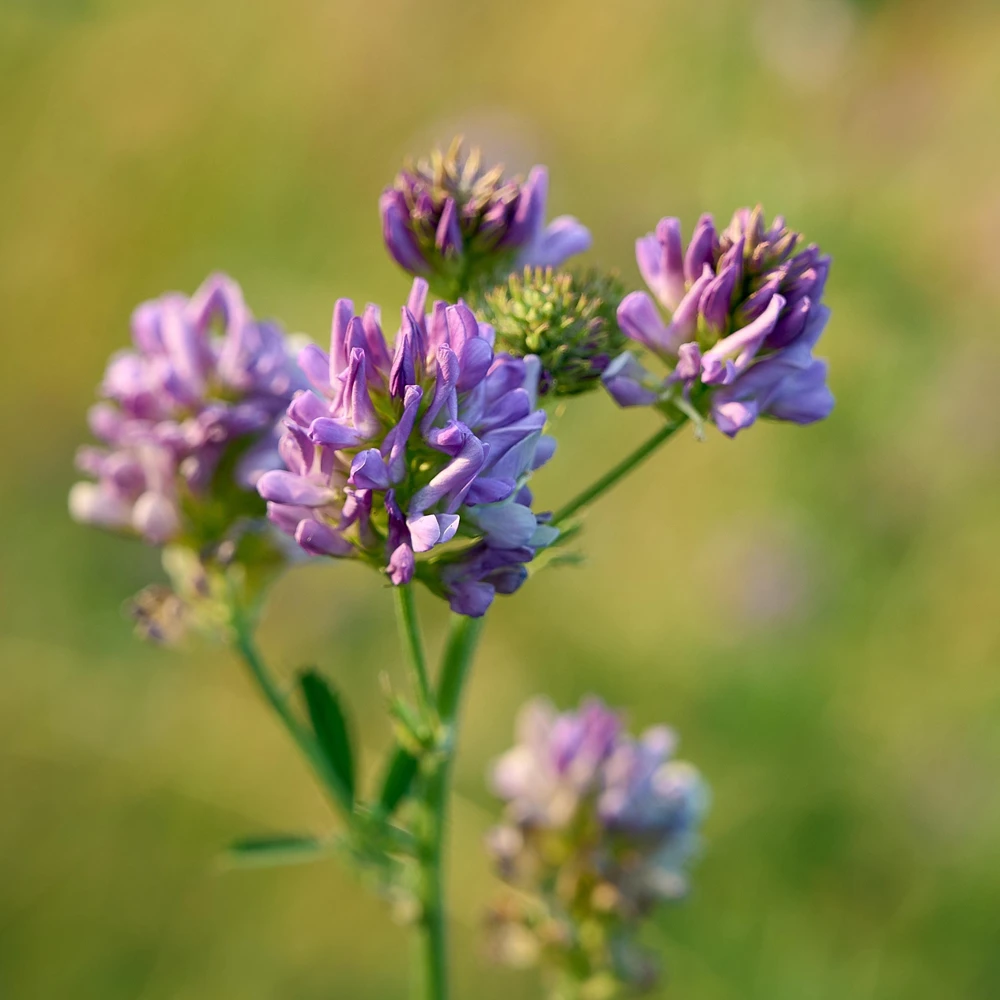
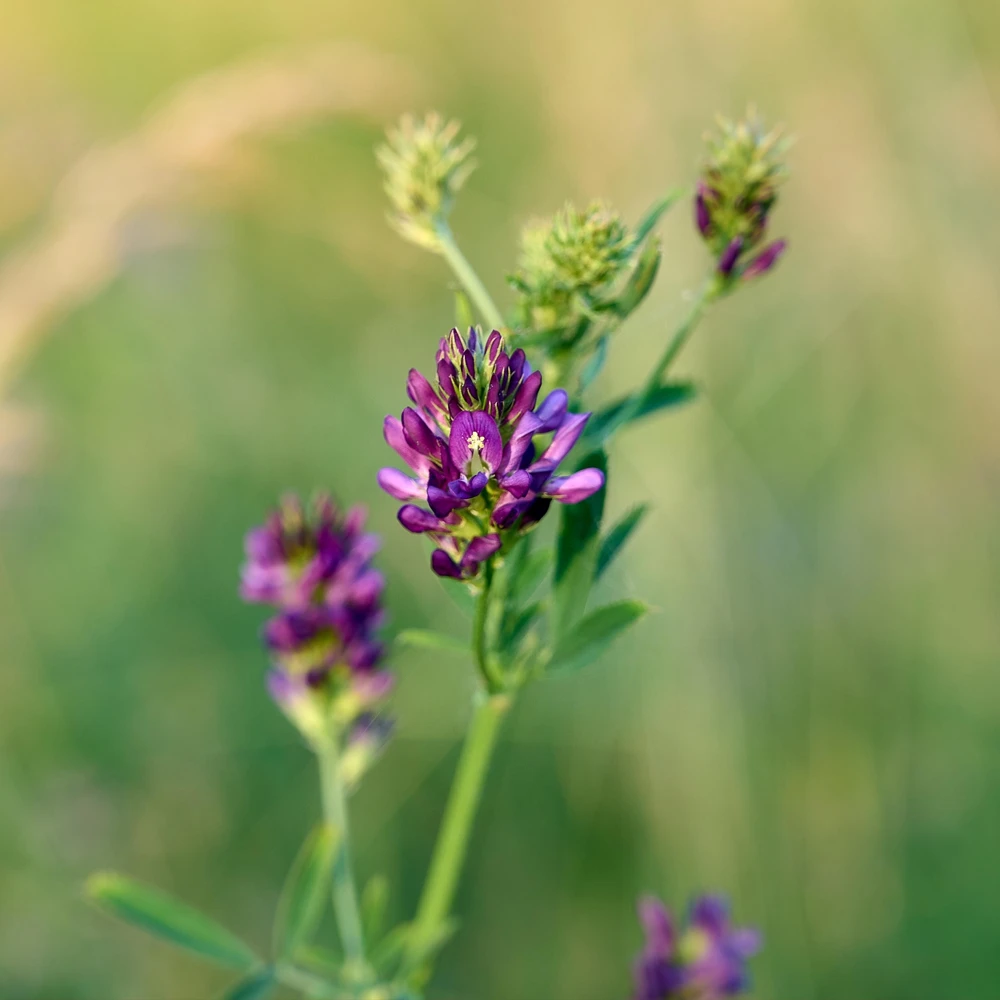
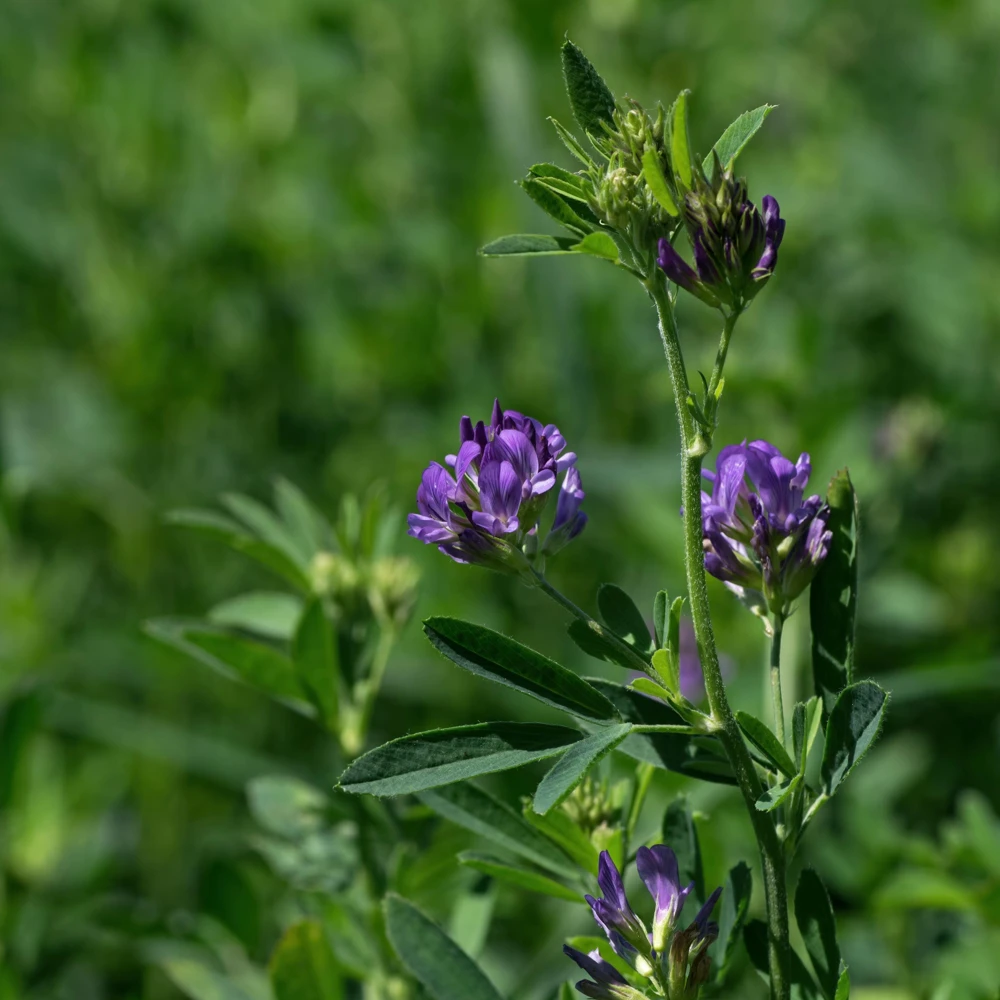
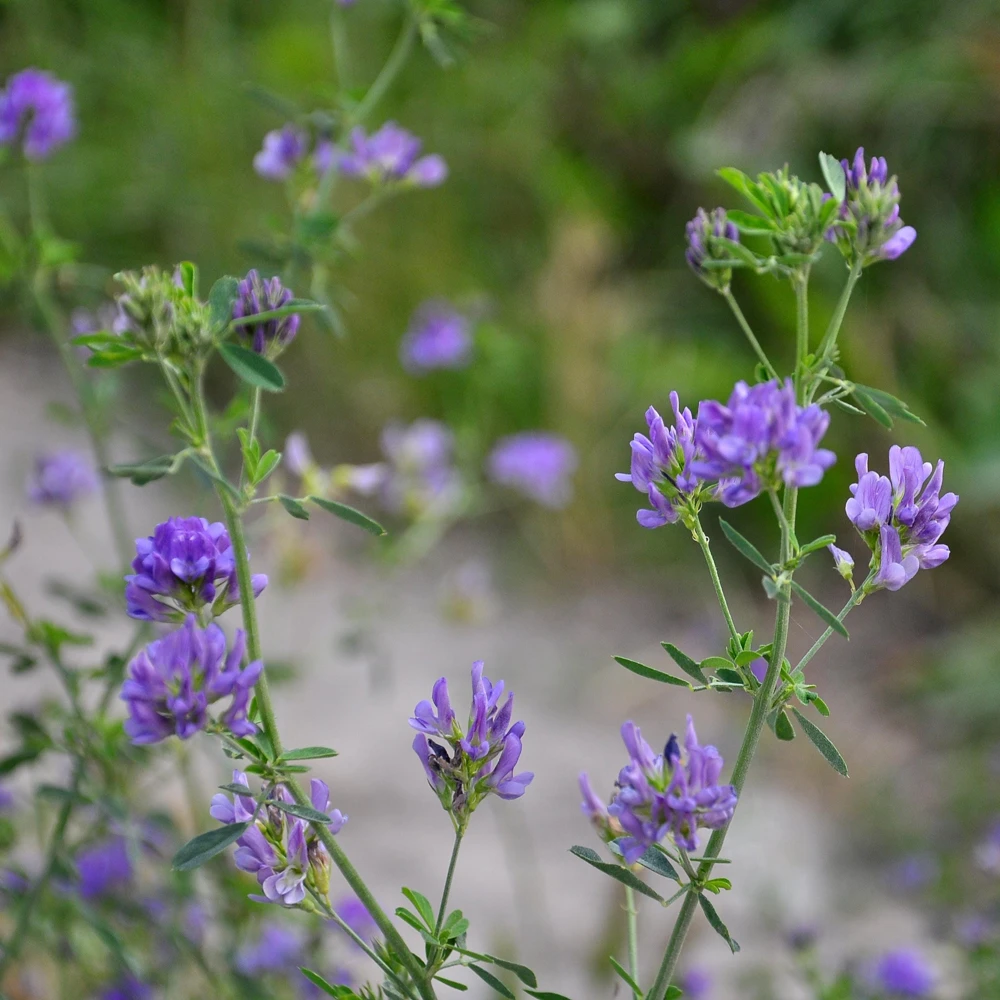
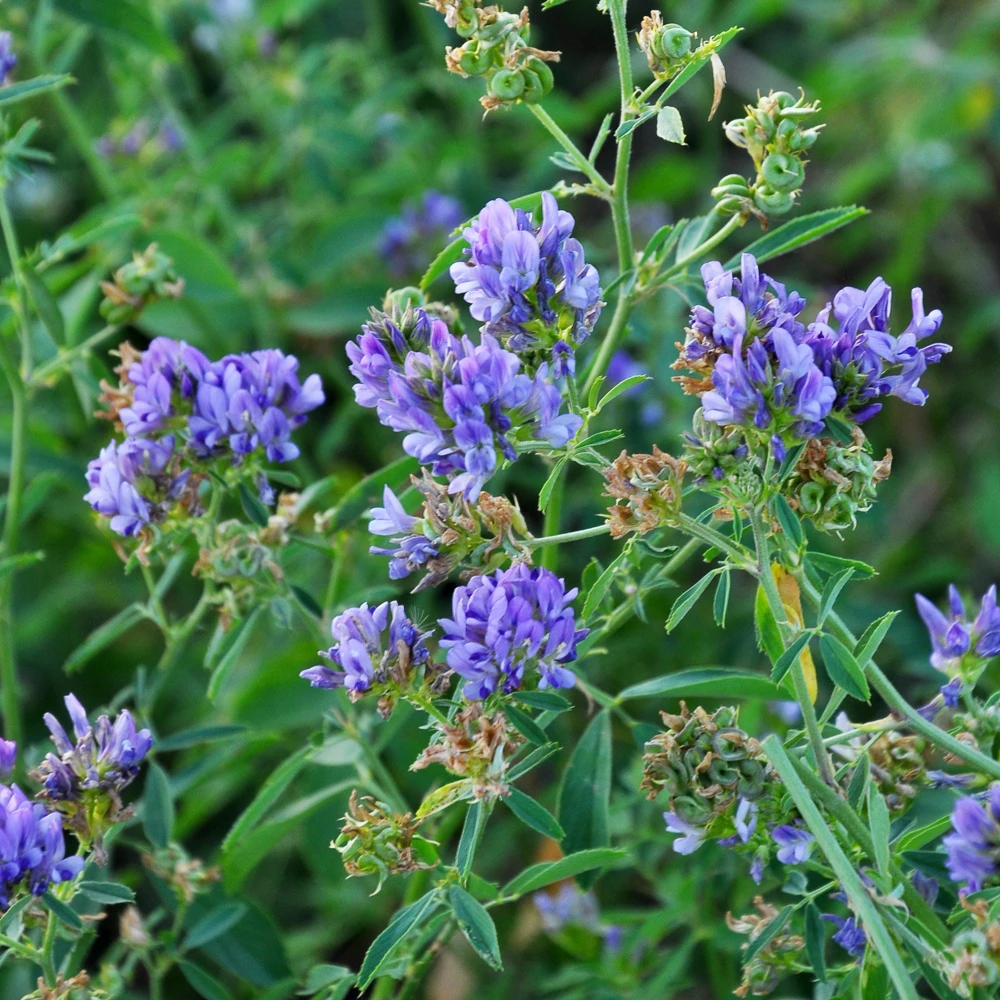
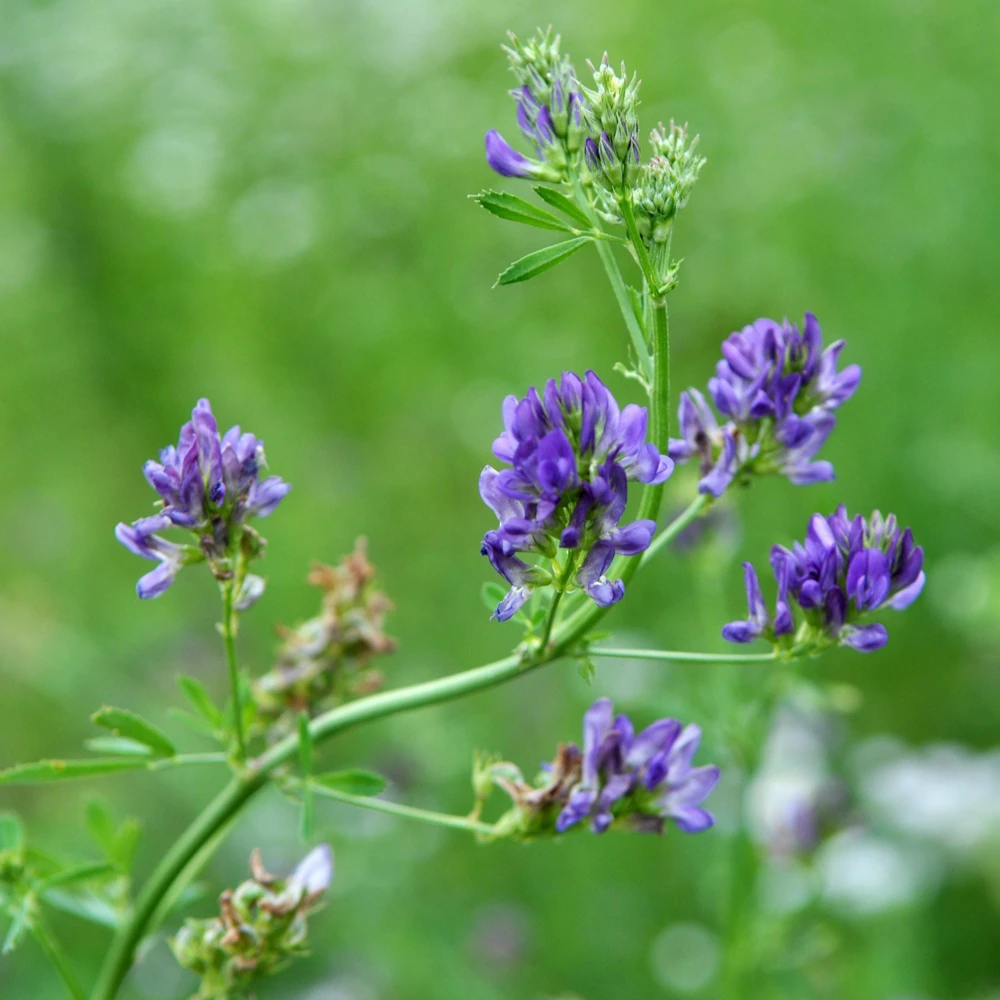
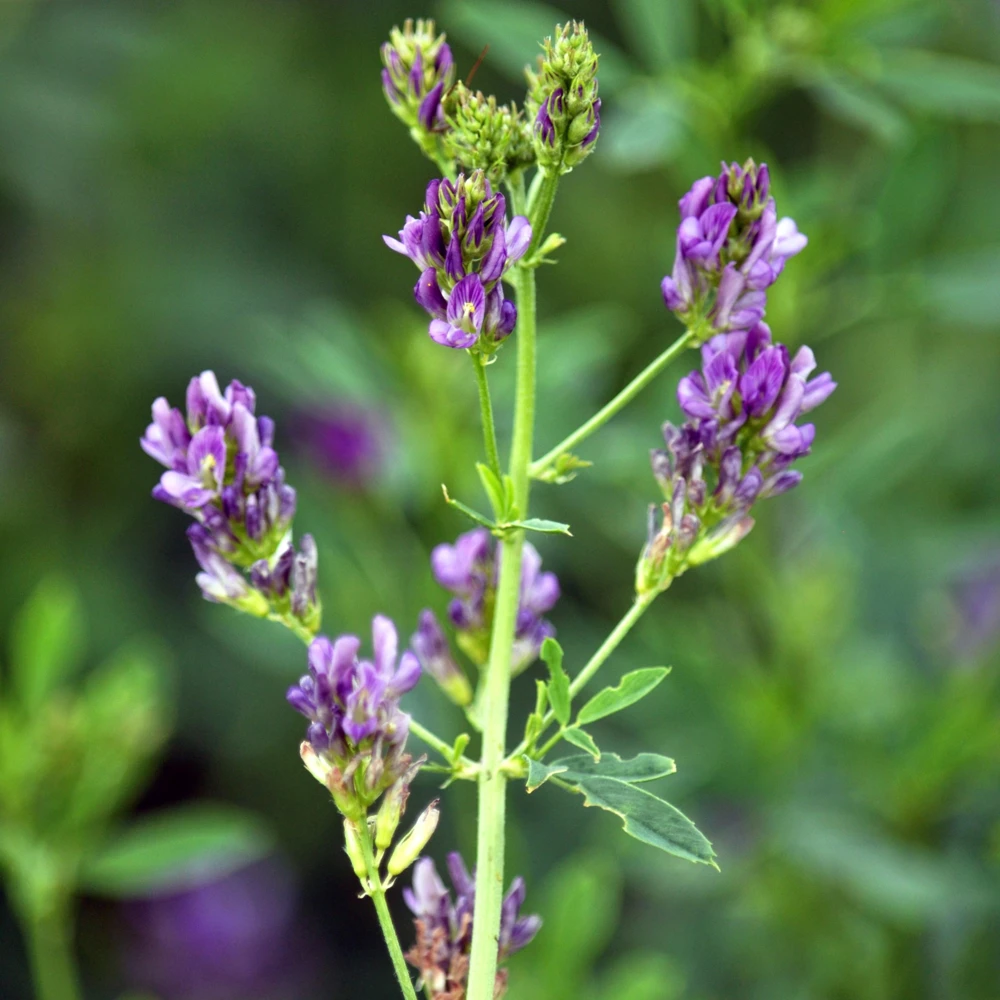
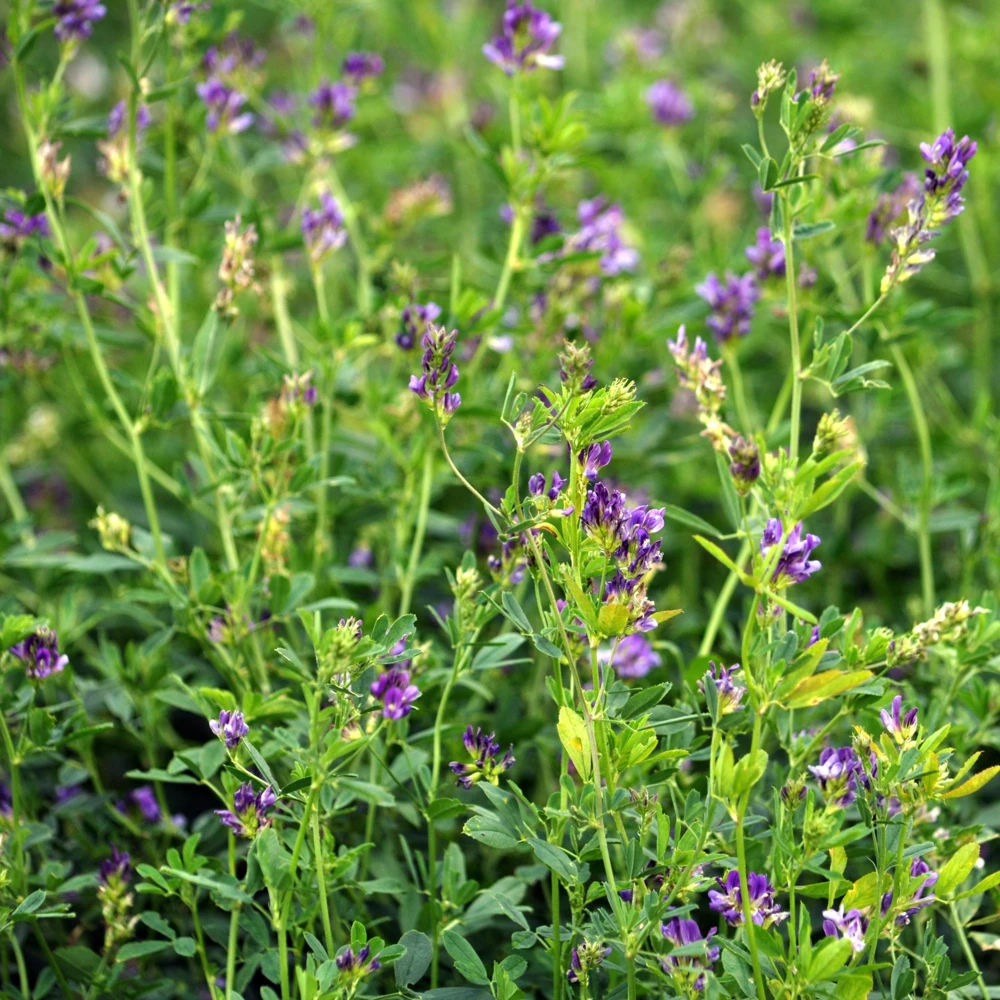
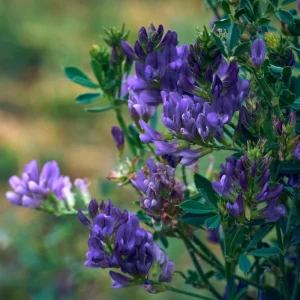
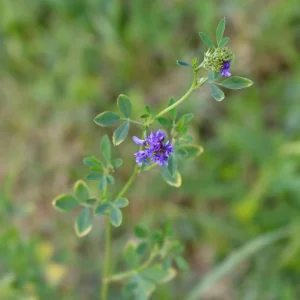
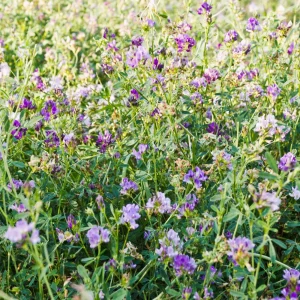
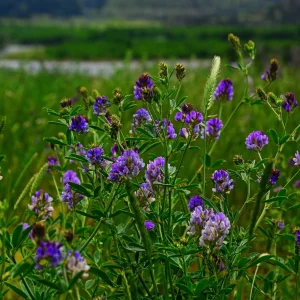
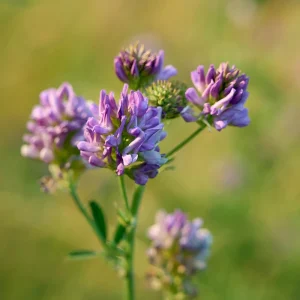
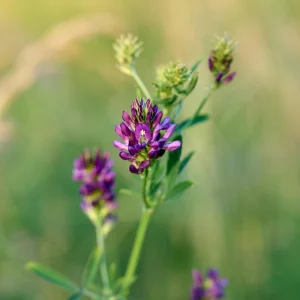
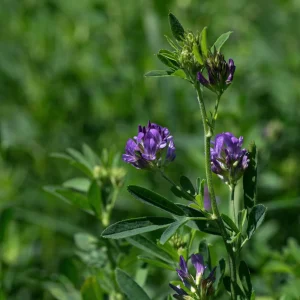
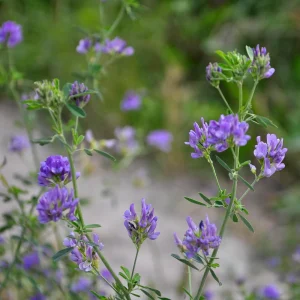
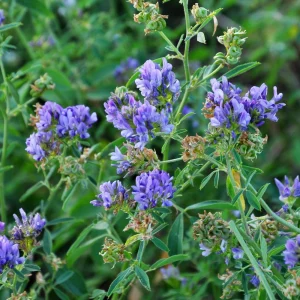
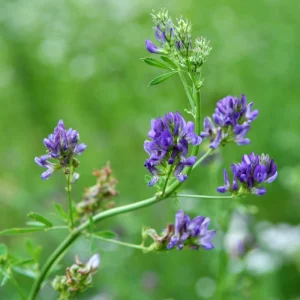
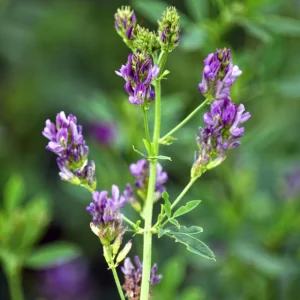
- Pollinator Support: Alfalfa produces small, attractive purple flowers that are a valuable nectar source for bees and other beneficial pollinators. By planting alfalfa, you contribute to local pollinator populations, which are crucial for the health of your entire garden and ecosystem.
- Erosion Control: The dense growth and deep roots of alfalfa help stabilize soil, preventing erosion from wind and rain. This is particularly beneficial on slopes or in areas prone to soil loss, protecting your valuable topsoil.
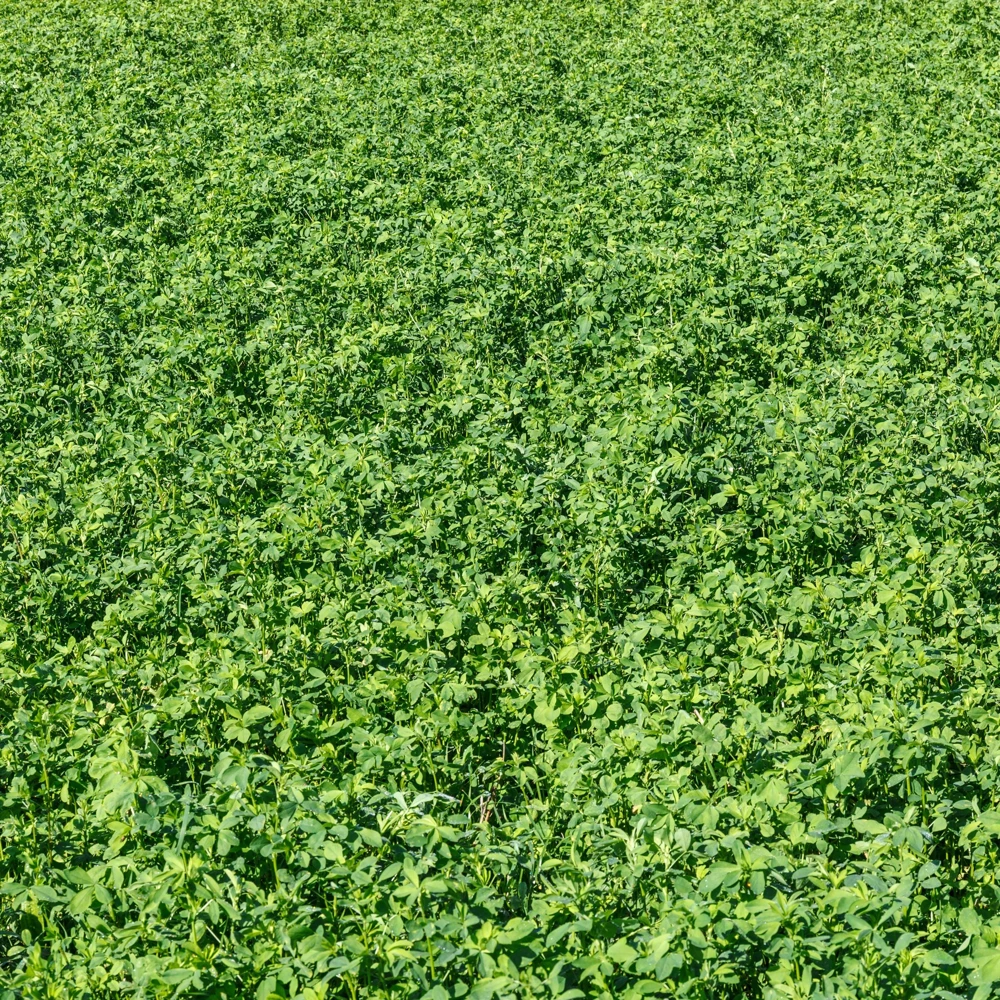
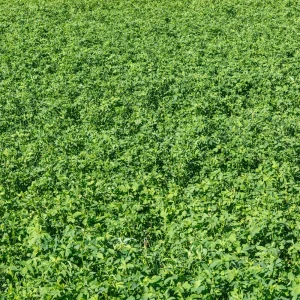
- Weed Suppression: A thick stand of alfalfa can effectively outcompete and suppress unwanted weeds, reducing the need for manual weeding or herbicides. This creates a cleaner, more manageable garden space.
Plant Care & Growing Tips
Growing alfalfa cover crop seeds is a straightforward process that yields significant rewards for your garden. To ensure optimal growth and maximum soil benefits, proper planting and care are essential. Begin by preparing a well-draining seedbed, ensuring the soil is loose and free of large debris. Alfalfa thrives in full sun, requiring at least 6-8 hours of direct sunlight per day. While it can tolerate some partial shade, full sun exposure will result in the most vigorous growth and best nitrogen-fixing capabilities. The ideal soil temperature for germination is between 60–75°F (15–24°C).
Sow the alfalfa cover crop seeds approximately 1/4 inch deep. For cover crop use, broadcast the seeds evenly across the prepared area. After sowing, lightly rake the soil to cover the seeds and gently tamp down to ensure good seed-to-soil contact. Keep the soil lightly moist during the germination period, which typically takes 7-10 days. Once established, alfalfa is relatively drought-tolerant, but consistent moisture during initial growth will encourage a strong root system. For fertilization, alfalfa is a legume and fixes its own nitrogen, so supplemental nitrogen is generally not needed. However, a balanced phosphorus and potassium fertilizer can be beneficial in deficient soils. Alfalfa is a hardy plant, generally thriving in USDA zones 3-9, though its perennial nature is strongest in cooler climates. Monitor for common pests, but alfalfa is generally robust.
The primary purpose of growing alfalfa as a perennial green manure is to enrich your soil. Allow the plants to grow to a height of 6-12 inches, or before they begin to flower extensively, then cut them down. You can then turn the plant material directly into the soil, where it will decompose and release its stored nutrients and organic matter. This process significantly improves soil fertility and structure. For continuous benefits, you can allow it to regrow and repeat the cutting and turning process multiple times throughout the growing season. This cycle ensures a continuous supply of natural nutrients, making these soil improving seeds an excellent choice for long-term garden health.
Size & Details
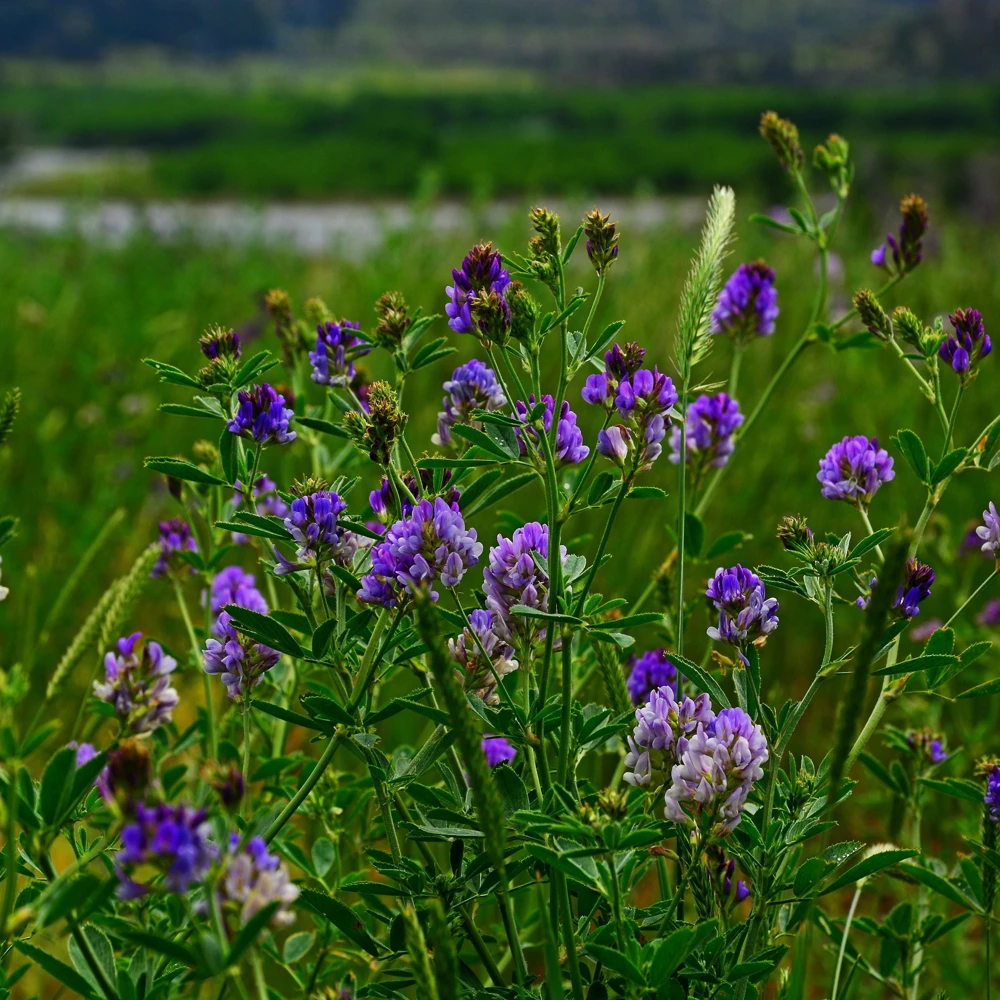
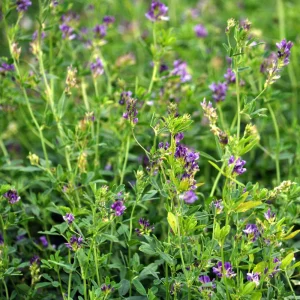
Each purchase includes one full pack containing 20 high-quality alfalfa cover crop seeds, carefully selected to ensure viability and robust growth. These seeds are ready for planting upon arrival and are suitable for a variety of garden sizes, from small raised beds to larger cultivation areas. Alfalfa plants typically grow to a height of 1 to 3 feet when mature, creating a dense canopy that helps suppress weeds and protect the soil surface. The extensive root system can penetrate several feet deep, making it highly effective for breaking up hardpan and improving subsoil structure. Expect germination within 7-10 days under ideal conditions, leading to rapid establishment of this beneficial cover crop.
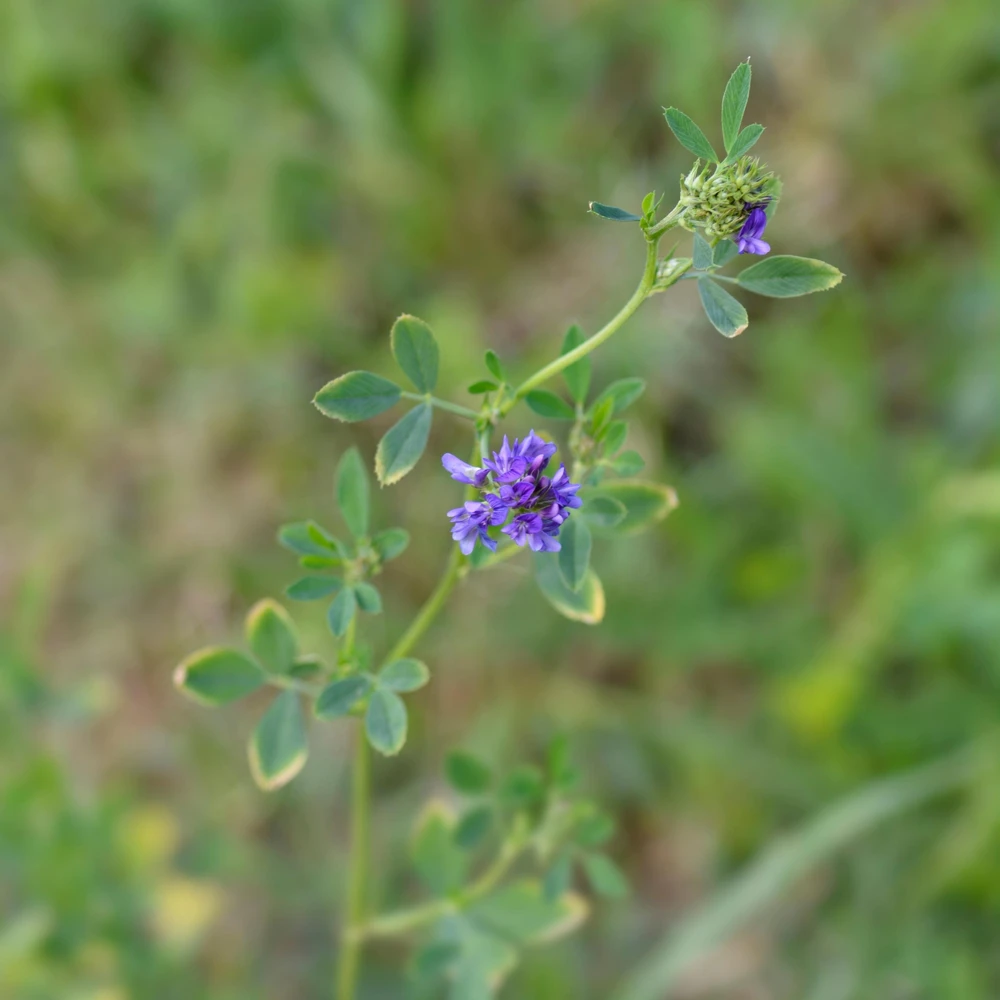
As a perennial green manure, alfalfa offers long-term benefits to your garden. Once established, it can continue to grow and replenish your soil for several years, depending on your climate and management practices. The small purple flowers, which appear once the plant matures, add a touch of color and attract essential pollinators to your garden. These nitrogen fixing seeds are delivered in a protective packet, ensuring their freshness and readiness for planting in your garden or farm. Whether you’re looking to rejuvenate depleted soil or maintain healthy garden beds, these alfalfa seeds provide a sustainable and effective solution.
Frequently Asked Questions
- Q: How many alfalfa cover crop seeds are included in one pack? A: Each pack contains 20 high-quality alfalfa cover crop seeds, providing a good quantity for starting a beneficial cover crop area in your garden or raised beds.
- Q: Is this an indoor or outdoor plant? A: Alfalfa is primarily grown as an outdoor cover crop, thriving in garden beds, fields, and raised beds where it can receive full sun and contribute to soil health.
- Q: How much sunlight does alfalfa need? A: For best growth and maximum benefit, alfalfa requires full sun, meaning at least 6-8 hours of direct sunlight per day. It can tolerate some partial shade but will be less vigorous.
- Q: Is this plant easy to care for? A: Yes, alfalfa is relatively easy to care for, especially once established. Its drought tolerance and natural nitrogen-fixing abilities make it a low-maintenance option for soil improving seeds.
- Q: How long until alfalfa starts to show benefits for the soil? A: You can expect to see benefits within a few weeks of germination as the roots begin to develop and the plants grow. For significant green manure benefits, allow plants to grow for 6-12 weeks before tilling.
- Q: When is the best time to plant alfalfa cover crop seeds? A: The best time to plant is typically in the spring after the last frost, or in late summer/early fall, allowing it to establish before winter. Ensure soil temperatures are between 60–75°F.
- Q: Will alfalfa survive winter in my zone? A: Alfalfa is a perennial and can survive winters in many USDA zones (typically 3-9), especially with a protective layer of snow. Its ability to overwinter contributes to its value as a perennial green manure.
- Q: Can these seeds also be used for sprouting or animal feed? A: While alfalfa is commonly used for animal feed and sprouting, these particular seeds are marketed and optimized for use as a nitrogen fixing seeds cover crop and green manure in garden settings.
- Q: What type of soil does alfalfa prefer? A: Alfalfa prefers well-draining soil with a pH between 6.5 and 7.5. It can tolerate a range of soil types but performs best in loamy soils that are not overly acidic or waterlogged.
- Q: How often should I water alfalfa once it’s established? A: Once established, alfalfa is quite drought-tolerant due to its deep root system. It generally requires less frequent watering than many garden plants, but consistent moisture during prolonged dry spells will help maintain its vigor.


Reviews
There are no reviews yet.