Overview
Introduce a touch of native elegance to your garden with the Allegheny Serviceberry live plant (Amelanchier laevis). This versatile deciduous shrub or small tree is a true four-season wonder, originating from the Eastern parts of North America. Known for its graceful form and ecological benefits, the Allegheny Serviceberry is an excellent choice for gardeners looking to combine beauty with functionality. It provides early spring blossoms, a valuable food source for wildlife, and spectacular fall foliage, making it a standout specimen in any landscape. This robust plant arrives well-rooted in a 1-gallon container, ready to thrive in its new home.
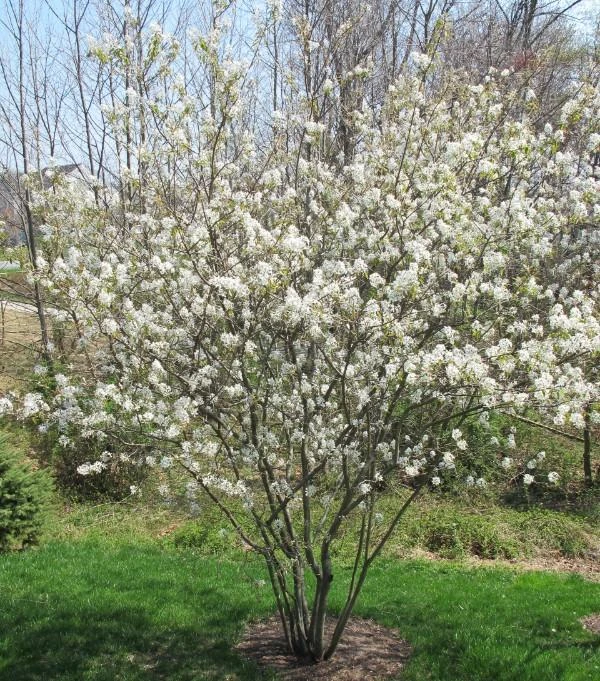
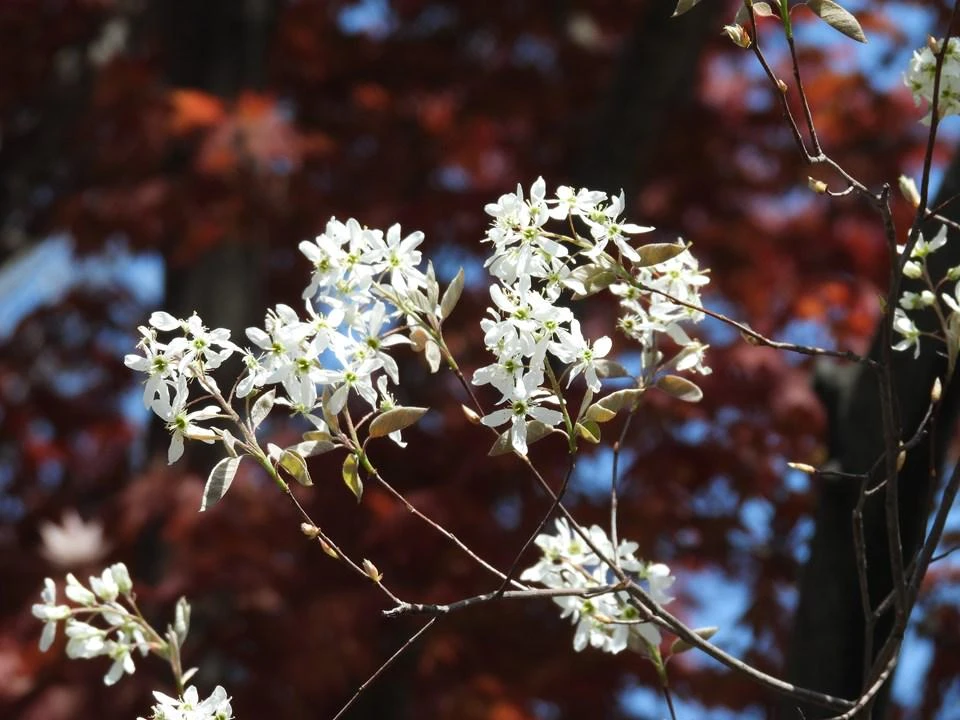
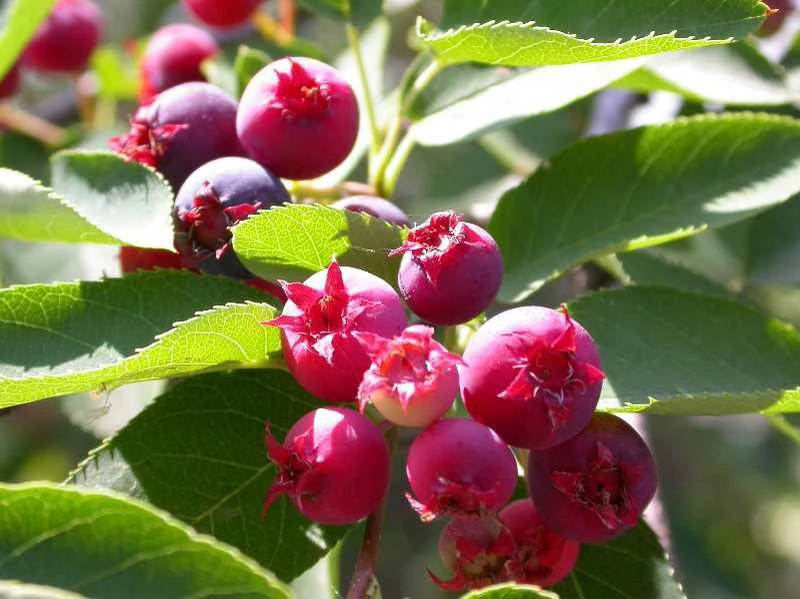
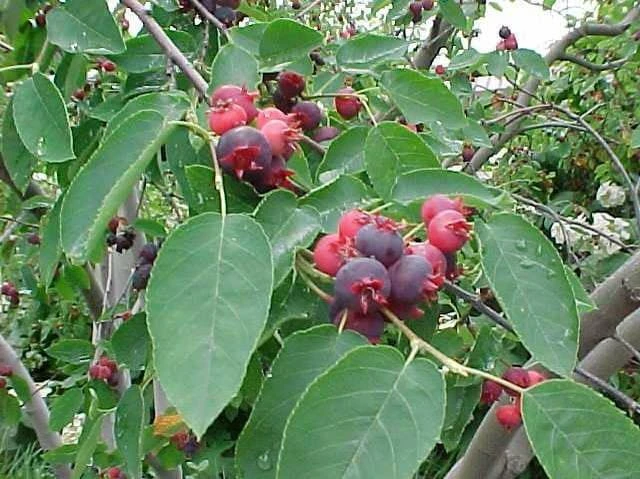
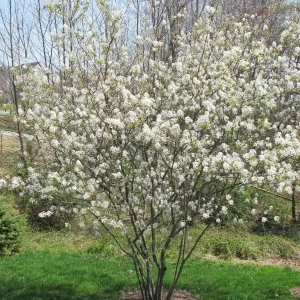
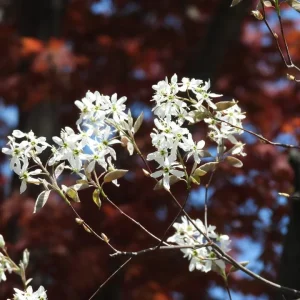
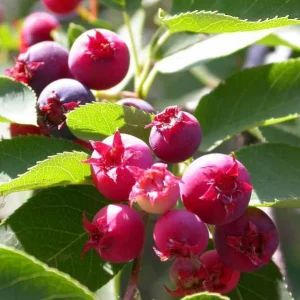
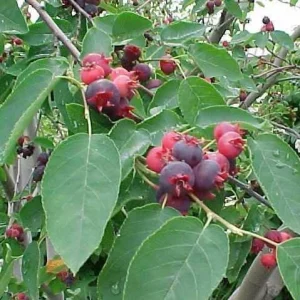
The Amelanchier laevis shrub is celebrated for its distinctive gray bark and delicate white flowers that emerge in early spring, often before its leaves fully unfurl. These showy blooms give way to delicious, purple-black edible fruit by early summer, which is highly sought after by birds and can also be enjoyed by humans in jams, jellies, and pies. As an important native serviceberry tree, it plays a vital role in local ecosystems.
Key Benefits
The Allegheny Serviceberry live plant offers a multitude of benefits for both your garden and local wildlife. It’s a fantastic addition for those seeking year-round visual appeal and ecological value. This plant is not only beautiful but also remarkably resilient.
- Stunning Seasonal Interest: Enjoy a continuous display of beauty, from delicate white spring flowers and lush green summer foliage to vibrant yellow, orange, and red fall coloration. This ensures your garden remains captivating throughout the seasons.
- Edible & Wildlife-Friendly Fruit: The sweet, purple-black berries are a delicious treat for both humans and a favorite food source for birds, contributing to local biodiversity. This makes it an ideal edible serviceberry.
- Adaptable & Resilient: The Allegheny Serviceberry live plant tolerates a wide range of soil types and is known for its medium to fast growth rate, making it a reliable choice for various garden conditions.
- Low Maintenance: Once established, this plant requires minimal care, thriving with basic watering and occasional pruning, perfect for busy gardeners.
- Versatile Landscaping Use: Whether used as a striking single specimen, integrated into a naturalized planting, or grouped to form a hedge, its adaptable nature makes it suitable for diverse garden designs.
- Native Plant Benefits: As a native species, the Amelanchier laevis shrub supports local pollinators and wildlife, fostering a healthier garden ecosystem and providing a strong, natural presence.
- Attractive Fall Foliage: Experience brilliant fall foliage plants with leaves transforming into rich shades of yellow, red, and orange, providing a spectacular autumn display.
Plant Care & Growing Tips
Caring for your Allegheny Serviceberry live plant is straightforward, making it an excellent choice for gardeners of all experience levels. This robust plant thrives with proper siting and basic attention, rewarding you with its multi-seasonal beauty. It’s crucial to understand its preferences to ensure healthy growth and abundant fruit production. The native serviceberry tree is quite forgiving, but providing optimal conditions will maximize its potential.
For sunlight, the Allegheny Serviceberry prefers full sun to partial shade, meaning it should receive at least 4-6 hours of direct sunlight per day for best flowering and fruiting. While it tolerates various soil types, it thrives in moist, well-drained conditions. Avoid overly soggy or compacted soils. Regular watering is important, especially during dry spells and in its first year of establishment. Once mature, it becomes more drought-tolerant. A layer of mulch around the base will help retain soil moisture and regulate temperature. This Allegheny Serviceberry live plant is adaptable to many environments, ensuring its place as a reliable garden staple.
The USDA hardiness zones for Amelanchier laevis shrub typically range from 4 to 8, making it suitable for a broad spectrum of climates across the US. Fertilization is generally not heavily required; a balanced, slow-release fertilizer in early spring can be beneficial, especially for young plants. Pruning can be done in late winter or early spring to remove any dead or crossing branches and to maintain its desired shape. Common problems are few, but watch for leaf spot or powdery mildew in humid conditions, which can often be managed with good air circulation and appropriate fungicides if necessary. Ensure your edible serviceberry has adequate space to grow to its mature size.
Size & Details
This Allegheny Serviceberry live plant is shipped as a well-rooted specimen, typically measuring 2-3 feet in height from the top of the soil, cultivated in a trade 1-gallon container. This size ensures a healthy root system and a strong start in your garden. The plant exhibits a medium to fast growth rate, allowing it to establish quickly and begin contributing to your landscape’s beauty within a few seasons. When mature, the native serviceberry tree can reach heights of 15-25 feet with a spread of 10-15 feet, forming an attractive, multi-stemmed shrub or small tree. It will typically begin to flower and fruit within a few years of planting.
During the dormant season (late fall through early spring), the plant will ship without foliage, which is a natural and healthy state for deciduous plants. New leaves will emerge with the arrival of warmer temperatures. This robust plant is perfect for creating a natural screen, adding a specimen tree, or enhancing a mixed border, showcasing its beautiful fall foliage plants characteristics. The 1-gallon container provides a substantial root ball, making transplanting successful and straightforward.
Frequently Asked Questions
- Q: How big does this Allegheny Serviceberry get? A: The Allegheny Serviceberry live plant typically grows to a height of 15-25 feet and a spread of 10-15 feet at maturity. Its growth rate is medium to fast, allowing it to establish quickly in your garden.
- Q: What size pot does it come in? A: This Amelanchier laevis shrub is provided in a trade 1-gallon container, ensuring a healthy and established root system ready for planting in your landscape.
- Q: Is this an indoor or outdoor plant? A: The Allegheny Serviceberry live plant is an outdoor plant, best suited for gardens and landscapes where it can receive adequate sunlight and space to grow. It is not suitable for indoor cultivation.
- Q: How much sunlight does it need? A: It thrives in full sun to partial shade, ideally receiving at least 4-6 hours of direct sunlight daily for optimal flowering and fruit production.
- Q: Is this plant easy to care for? A: Yes, the Allegheny Serviceberry is considered easy to care for. It’s adaptable to various soil types and relatively low-maintenance once established, making it suitable for beginners.
- Q: What condition will it arrive in? A: Your plant will arrive well-rooted in its 1-gallon container. During the dormant season, it will ship without foliage, which is normal for deciduous plants and does not affect its health.
- Q: Can I eat the fruit from the Allegheny Serviceberry? A: Yes, the purple-black fruit produced by the edible serviceberry is indeed edible and quite tasty. It can be enjoyed fresh or used in jams, jellies, and pies.
- Q: How long until it blooms and produces fruit? A: The Allegheny Serviceberry live plant typically begins to flower and produce fruit within a few years of planting, especially with good care and appropriate growing conditions.
- Q: Will it survive winter in my zone? A: The native serviceberry tree is hardy in USDA Zones 4-8, meaning it can tolerate cold winter temperatures within these regions. Ensure it’s planted in a suitable zone for your area.
- Q: What is the best time to plant the Allegheny Serviceberry? A: The best time to plant is in spring or early fall, allowing the plant sufficient time to establish its root system before extreme weather conditions.


Reviews
There are no reviews yet.