Overview
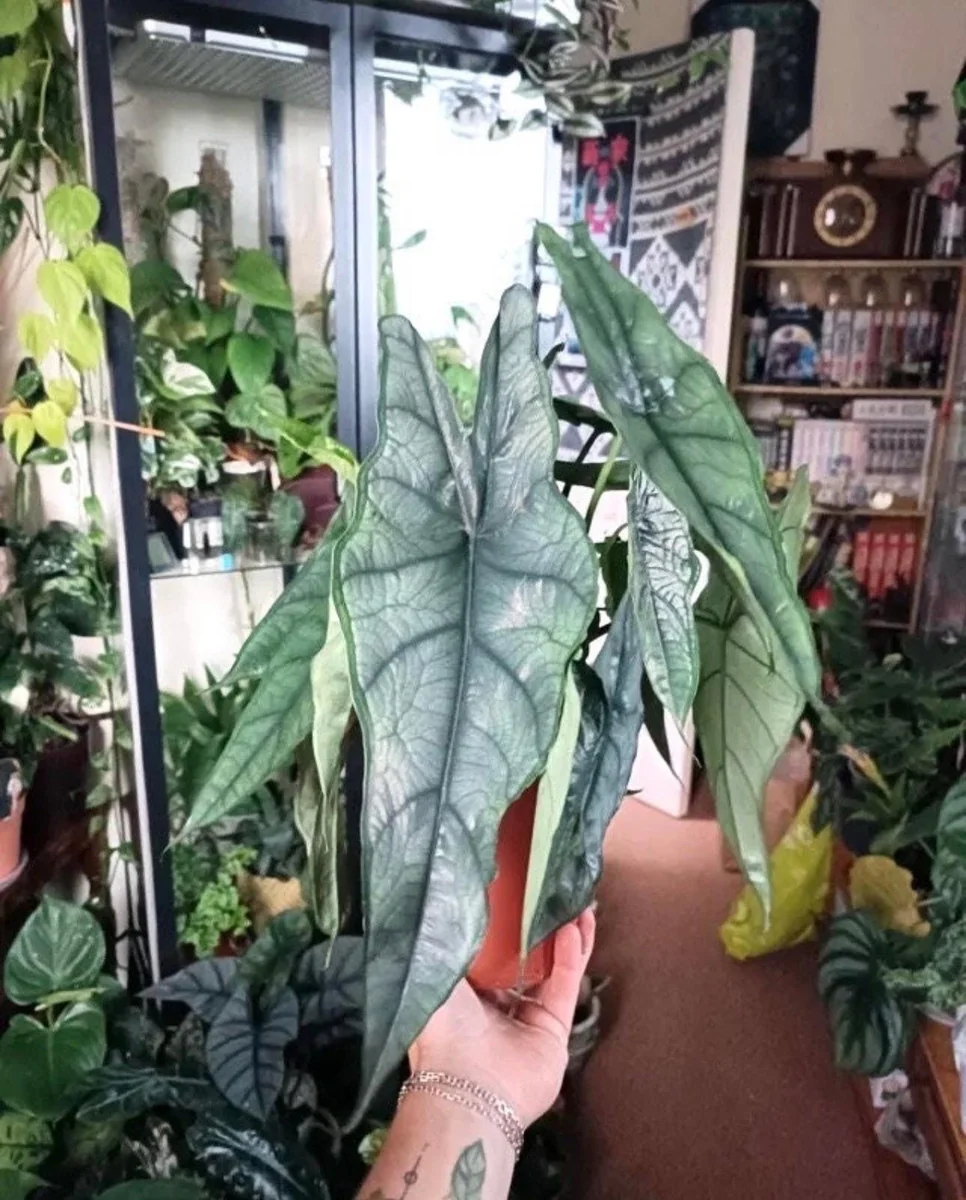
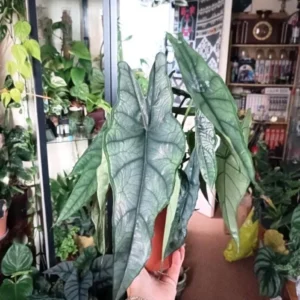
The Alocasia Heterophylla ‘Dragon’s Breath’ live plant is a highly sought-after aroid, celebrated for its extraordinary foliage that truly lives up to its mythical name. This particular variety of Alocasia Heterophylla showcases leaves with a distinctive texture and often an iridescent sheen, making it an instant conversation starter. As a tropical plant, it thrives in environments that mimic its native habitat, offering a touch of exotic jungle beauty to your indoor space. This live plant, arriving in a 4-inch nursery pot, is a perfect specimen for collectors and plant lovers looking to expand their collection with something truly unique. Its dramatic appearance and intriguing growth habit make it a captivating addition, embodying the allure of rare botanical treasures. The common name ‘Dragon’s Breath’ aptly describes the plant’s intense and captivating presence, promising to be a highlight in any indoor garden.
Known for its robust growth and striking appearance, the Alocasia Heterophylla ‘Dragon’s Breath’ live plant is not just a plant; it’s a living piece of art. Its leaves can vary in shape and color intensity, providing an ever-evolving display. The plant’s ability to adapt to indoor conditions, given the right care, makes it accessible to a wide range of plant parents, from seasoned collectors to enthusiastic beginners ready to take on a rewarding challenge. Embrace the majesty of this exotic Alocasia plant and transform your living space into a vibrant, green sanctuary.
Key Benefits
Adding an Alocasia ‘Dragon’s Breath’ to your home brings a host of benefits beyond its stunning looks. This Alocasia indoor plant enhances your living environment in multiple ways, making it a valuable addition to any decor.
- Exceptional Decorative Appeal: The primary draw of the Alocasia Heterophylla ‘Dragon’s Breath’ live plant is its unparalleled aesthetic. Its distinctive leaves, often with a metallic sheen and unique texture, provide a dramatic focal point in any room, elevating your home decor with a touch of the exotic.
- Air Purification: Like many houseplants, Alocasia plants contribute to cleaner indoor air by absorbing certain airborne toxins, creating a healthier living space for you and your family.
- Collector’s Item: Due to its unique characteristics and sometimes limited availability, the ‘Dragon’s Breath’ is considered a prized specimen among plant collectors, adding rarity and prestige to your collection.
- Enhances Well-being: Surrounding yourself with beautiful plants like this unique houseplant Alocasia has been shown to reduce stress, improve mood, and increase overall feelings of well-being.
- Engaging Growth Habit: Observing the unfurling of new leaves and the plant’s overall development is a rewarding experience, offering a continuous source of fascination and connection to nature.
- Conversation Starter: Its unusual appearance is sure to intrigue guests and spark conversations, making it a fantastic addition to social spaces.
- Versatile Styling: While dramatic, its rich green hues and unique form allow it to complement various interior design styles, from modern minimalist to bohemian chic.
Plant Care & Growing Tips
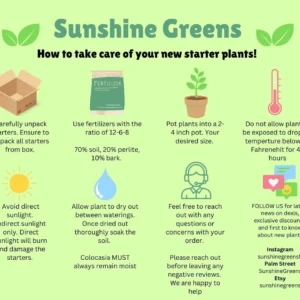
Caring for your Alocasia Heterophylla ‘Dragon’s Breath’ live plant involves understanding its specific needs to ensure its vibrant growth and health. These tropical beauties thrive in conditions that mimic their natural habitat. For optimal growth, provide bright, indirect light. Direct sunlight can scorch its delicate leaves, while too little light can lead to leggy growth and dull coloration. An east-facing window or a few feet away from a south or west-facing window is usually ideal. Rotate your plant periodically to ensure even growth and light exposure on all sides.
Watering is crucial for Alocasia Dragon’s Breath care. Allow the top 1-2 inches of soil to dry out between waterings. Alocasias do not like to sit in soggy soil, which can lead to root rot. Ensure your pot has drainage holes. During the growing season (spring and summer), they will require more frequent watering than in the dormant winter months. High humidity is also essential for this exotic plant. You can increase humidity by using a pebble tray, a humidifier, or grouping it with other humidity-loving plants. Aim for humidity levels above 60% if possible. The ideal temperature range for this Alocasia indoor plant is between 65-80°F (18-27°C). Avoid sudden temperature drops or cold drafts, which can shock the plant.
The right soil mix is vital for the health of your Alocasia Heterophylla ‘Dragon’s Breath’ live plant. A well-draining, airy potting mix that retains some moisture is best. A mix containing perlite, orchid bark, and peat moss or coco coir works well. Fertilize every 2-4 weeks during the growing season with a balanced liquid fertilizer diluted to half strength. Reduce or stop fertilizing during fall and winter. Keep an eye out for common pests such as spider mites, mealybugs, and thrips, especially on the undersides of the leaves. Regular inspection and prompt treatment with insecticidal soap or neem oil can keep your plant healthy. Understanding these aspects of Alocasia Dragon’s Breath care will ensure your plant flourishes.
Size & Details
This Alocasia Heterophylla ‘Dragon’s Breath’ live plant is supplied in a 4-inch nursery pot, providing a healthy root system ready for continued growth in your home. At the time of shipping, the plant typically stands approximately 6-10 inches tall from the base of the pot, with a spread of about 8-12 inches, though individual variations in size and leaf count are expected as each plant is unique. Its growth rate is considered moderate, and with optimal care, it can grow into a more substantial specimen over time, potentially reaching heights of 1-2 feet indoors, depending on environmental conditions and pot size. The plant will arrive carefully packaged to ensure its safe journey, though some minor leaf yellowing or stress is normal during transit. This unique houseplant Alocasia is known for its mature leaves developing a distinct texture and sometimes an arrow or shield shape, making it a continually evolving display.
Frequently Asked Questions
- Q: How big does this Alocasia Heterophylla ‘Dragon’s Breath’ live plant get? A: This Alocasia Heterophylla ‘Dragon’s Breath’ live plant is shipped in a 4-inch pot and typically stands 6-10 inches tall. With good care, it can grow to about 1-2 feet tall indoors, though individual growth varies.
- Q: Is this an indoor or outdoor plant? How much sunlight does it need? A: The ‘Dragon’s Breath’ Alocasia is primarily an Alocasia indoor plant. It thrives in bright, indirect light. Avoid direct sunlight, which can burn its leaves, and ensure it’s not placed in overly dim conditions.
- Q: Is this plant easy to care for? Is it good for beginners? A: While stunning, the Alocasia ‘Dragon’s Breath’ is considered an intermediate-level plant. It requires consistent humidity and careful watering, so it might be a bit challenging for absolute beginners, but rewarding for those willing to learn Alocasia Dragon’s Breath care.
- Q: What condition will the Alocasia Heterophylla ‘Dragon’s Breath’ live plant arrive in? Is it shipped in soil? A: Your Alocasia Heterophylla ‘Dragon’s Breath’ live plant will arrive securely packaged in its 4-inch nursery pot with soil. It’s normal for live plants to experience some stress during transit, potentially resulting in minor leaf yellowing.
- Q: Can I use a regular potting mix for my Alocasia? A: For optimal Alocasia Dragon’s Breath care, it’s best to use a well-draining, airy potting mix. A blend of perlite, orchid bark, and peat moss or coco coir is often recommended over standard potting soil to prevent root rot.
- Q: When is the best time to repot this unique houseplant Alocasia? A: The best time to repot your unique houseplant Alocasia is in the spring or early summer when it’s actively growing. Repot only when it becomes root-bound, moving up to a pot that is one size larger.
- Q: What’s the minimum temperature this Alocasia indoor plant can tolerate? A: This Alocasia indoor plant prefers warm temperatures between 65-80°F (18-27°C). It is sensitive to cold and should not be exposed to temperatures below 60°F (15°C) to prevent damage.


Reviews
There are no reviews yet.