Overview
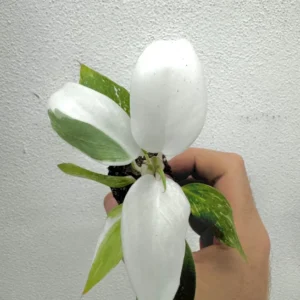
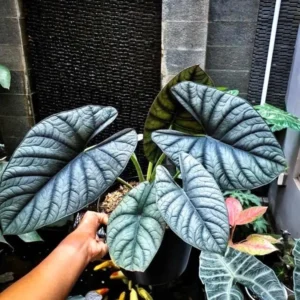
Introduce a touch of rare elegance to your home with the Alocasia Platinum Bisma live plant. This highly sought-after aroid, known for its distinctive ‘wide form’, is a true collector’s item among tropical houseplants. The Alocasia Platinum Bisma captivates with its uniquely textured, metallic-silver-green leaves that shimmer under the light, offering an almost iridescent quality. Originating from the tropical regions, this plant brings an exotic and sophisticated vibe to any indoor setting. Each Alocasia Platinum Bisma live plant is carefully cultivated to ensure a healthy start in your home, promising to be a focal point with its dramatic and lush appearance. Its compact size as a 2-inch potted specimen makes it ideal for starting your collection or adding to an existing display.
Key Benefits
The Alocasia Platinum Bisma live plant offers numerous advantages, making it a prized possession for both novice and experienced plant parents. Its unique aesthetic and relatively manageable care requirements contribute to its appeal.
- Stunning Visual Appeal: The most prominent benefit is its breathtaking metallic foliage. The ‘platinum’ sheen and ‘wide form’ leaves provide a dramatic and luxurious look, instantly enhancing the aesthetic of any room. This makes it a perfect decorative piece for modern or minimalist interiors.
- Rare Collector’s Item: As a rare Alocasia plant, the Platinum Bisma is highly coveted by plant enthusiasts. Owning this plant means possessing a unique specimen that stands out from more common houseplants, adding prestige to your collection.
- Air Purification: Like many houseplants, the Alocasia contributes to improving indoor air quality. It helps filter common household toxins, creating a healthier and more refreshing environment in your living spaces.
- Compact Growth Habit: This particular wide form Alocasia is offered as a 2-inch plant, indicating a manageable size that fits well on desks, shelves, or in terrariums. Its growth can be impressive, but it generally remains a suitable size for indoor environments.
- Engagement and Hobby: Caring for a beautiful and unique plant like the Alocasia Platinum Bisma live plant provides a rewarding hobby. Watching its new leaves unfurl and developing a routine for its care can be a fulfilling experience.
- Conversation Starter: Its unusual appearance and rarity make it an excellent conversation piece. Guests will undoubtedly be drawn to its unique beauty and ask about its origins.
Plant Care & Growing Tips
To ensure your Alocasia Platinum Bisma live plant thrives, understanding its specific care requirements is crucial. This tropical houseplant appreciates conditions that mimic its native humid environment.
Sunlight Requirements: The Alocasia Platinum Bisma prefers bright, indirect light. Place it near an east or north-facing window, or a few feet away from a south or west-facing window where it won’t receive direct scorching sunlight. Too much direct sun can burn its delicate leaves, while too little light can lead to leggy growth and dull foliage color. Rotate the plant periodically to ensure even growth.
Watering Schedule & Soil Moisture: Water thoroughly when the top 1-2 inches of soil feel dry to the touch. Alocasias do not like to dry out completely, nor do they tolerate soggy feet, which can lead to root rot. Ensure excess water drains freely from the pot. Reduce watering frequency in winter when the plant’s growth slows down. Good drainage is key for optimal Alocasia care indoor.
Soil Type & Drainage: Use a well-draining, airy potting mix. A good blend typically includes potting soil, perlite, and orchid bark or coco coir to provide both moisture retention and excellent aeration. This prevents compaction and allows roots to breathe, which is essential for any tropical houseplant.
Temperature Range & Humidity: Maintain consistent temperatures between 65-80°F (18-27°C). Avoid sudden temperature drops or cold drafts. High humidity is vital for Alocasias; aim for 60-80%. You can achieve this by using a pebble tray, a humidifier, or grouping it with other plants. Misting can offer temporary relief but is not a substitute for consistent humidity.
Fertilization Schedule: Feed your Alocasia Platinum Bisma live plant with a balanced liquid fertilizer diluted to half strength every 2-4 weeks during its active growing season (spring and summer). Reduce or cease fertilization during fall and winter. Over-fertilization can harm the plant.
Common Problems & Solutions: Yellowing leaves can indicate overwatering or nutrient deficiency. Brown leaf tips suggest low humidity or underwatering. Pests like spider mites and mealybugs can be an issue; regularly inspect your plant and treat with insecticidal soap if necessary. Ensure good airflow to prevent fungal issues.
Size & Details
This offering is for one Alocasia Platinum Bisma live plant, presented in a 2-inch nursery pot. At this size, the plant is young and ready to adapt to its new environment, typically featuring several established leaves. The ‘wide form’ characteristic of this rare Alocasia plant will become more pronounced as it matures, showcasing its unique leaf shape and texture. While specific measurements can vary due to natural plant growth, you can expect a healthy, compact specimen ready for transplanting into a slightly larger decorative pot. Alocasias are known for their moderate to fast growth rate under optimal conditions, and your plant will gradually develop into a more substantial and impressive display of foliage. This plant ships as a well-rooted, potted specimen, ensuring a smooth transition to your home.
Frequently Asked Questions
- Q: How big does this Alocasia Platinum Bisma get? A: This particular offering is for a 2-inch potted plant. While it starts small, a mature Alocasia Platinum Bisma live plant can grow leaves up to 1-2 feet long, with the overall plant reaching heights of 2-3 feet under ideal indoor conditions.
- Q: Is this an indoor or outdoor plant? A: The Alocasia Platinum Bisma is primarily an indoor plant in most climates, especially for US customers. It thrives in controlled indoor environments where humidity and temperature can be consistently managed. It can be moved outdoors in very warm, humid, and shaded conditions during summer months in appropriate zones.
- Q: How much sunlight does the Alocasia Platinum Bisma need? A: This tropical houseplant prefers bright, indirect light. Avoid direct harsh sunlight, which can scorch its leaves. A spot near an east or north-facing window is often ideal for providing the right amount of light.
- Q: Is this plant easy to care for, suitable for beginners? A: While stunning, the Alocasia Platinum Bisma live plant can be a bit more challenging than some beginner plants due to its specific humidity and watering needs. However, with attention to its care requirements, it can be a rewarding plant for a dedicated beginner.
- Q: What condition will the plant arrive in? A: Your Alocasia Platinum Bisma live plant will arrive as a healthy, well-rooted specimen in its 2-inch nursery pot. We take great care in packaging to ensure it reaches you in the best possible condition.
- Q: What’s the best way to maintain high humidity for this wide form Alocasia? A: To provide the high humidity this plant craves, consider using a humidifier nearby, placing the pot on a pebble tray filled with water (making sure the pot doesn’t sit in the water), or grouping it with other humidity-loving plants.
- Q: What type of soil is best for Alocasia care indoor? A: A well-draining, airy potting mix is essential. A blend of high-quality potting soil, perlite, and orchid bark or coco coir works well to provide both moisture retention and excellent drainage, preventing root rot.
- Q: How often should I water my Alocasia Platinum Bisma? A: Water when the top 1-2 inches of soil feel dry to the touch. It’s better to slightly under-water than over-water, as Alocasias are susceptible to root rot in soggy conditions. Always ensure good drainage.
- Q: Is this Alocasia Platinum Bisma live plant pet-safe? A: Alocasia plants are generally considered toxic if ingested, so it’s best to keep them out of reach of pets and children.
- Q: What are some signs of an unhealthy rare Alocasia plant? A: Yellowing leaves can indicate overwatering, while crispy brown edges suggest low humidity or underwatering. Drooping leaves might mean it’s thirsty or experiencing transplant shock. Regularly inspecting your plant helps catch issues early.


Reviews
There are no reviews yet.