Overview
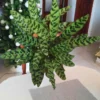
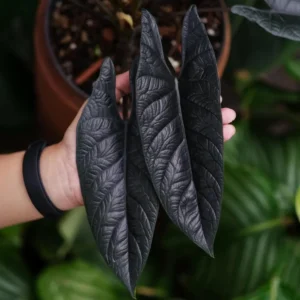
Introduce a touch of the exotic to your indoor plant collection with the stunning Alocasia Scalprum live plant. Known for its distinctive, deeply ridged leaves that resemble a dragon’s scales, this Alocasia variety is a true collector’s item. Our Alocasia Scalprum live plant comes as a healthy specimen in a 2-inch nursery pot, ready to thrive in your home environment. This tropical gem, often referred to simply as the ‘Scalprum Alocasia’, is celebrated for its unique texture and vibrant green hues, making it a focal point in any plant display. As a live plant, it offers not just aesthetic appeal but also the joy of nurturing a living piece of nature. Its compact size makes it ideal for shelves, desks, or as part of a larger terrarium setup, embodying the allure of exotic houseplants.
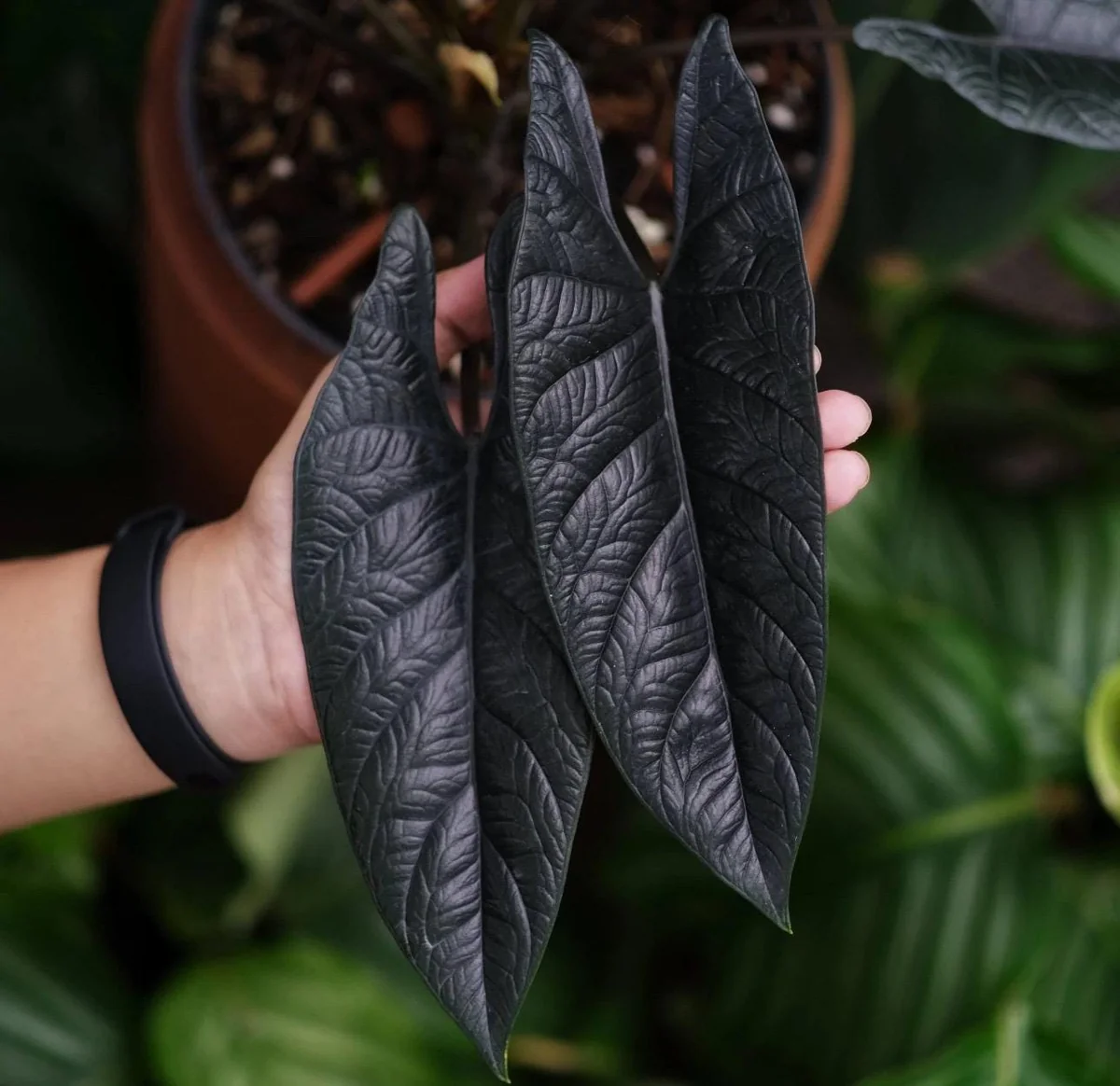
The Alocasia Scalprum is a member of the Araceae family, native to the tropical rainforests of Southeast Asia. Its fascinating foliage makes it stand out among other aroids. The leaves are typically dark green with a metallic sheen, and their elongated, arrow-shaped form, combined with prominent veining, creates an almost sculptural appearance. This specific offering is a rare Alocasia species, making it a prized possession for enthusiasts and those looking to diversify their indoor garden. Its presence adds an immediate sense of lushness and sophisticated natural beauty to any room.
Key Benefits
The Alocasia Scalprum live plant offers numerous advantages, making it a fantastic addition to any home or office. Its striking appearance and relatively manageable care routine contribute to its popularity among plant lovers. Here are some of the key benefits you can enjoy:
-
Exotic Aesthetic Appeal: The unique, textured foliage of the Alocasia Scalprum live plant instantly elevates any space. Its dark green, ridged leaves create a dramatic visual interest that captures attention and adds a sophisticated, tropical vibe to your decor.
-
Air Purification: Like many houseplants, the Alocasia Scalprum live plant contributes to a healthier indoor environment by helping to filter out airborne toxins, improving the air quality in your home or office.
-
Compact Size: Measuring approximately 2 inches in pot size, this plant is perfect for small spaces such as desks, bookshelves, or windowsills. Its manageable size makes it an excellent choice for urban dwellers or those with limited space.
-
Collector’s Item: As a rare Alocasia variety, the Scalprum is highly sought after by plant collectors. Owning one adds a unique and valuable specimen to your collection, distinguishing it from more common houseplants.
-
Engaging Foliage: The deeply veined and elongated leaves provide a constant source of visual fascination, offering a dynamic and ever-changing display as new leaves emerge and mature. This makes indoor Alocasia cultivation a truly rewarding experience.
-
Therapeutic Hobby: Caring for plants like the Alocasia Scalprum live plant can be a relaxing and rewarding hobby, promoting mindfulness and reducing stress as you watch it grow and flourish.
Plant Care & Growing Tips
Proper Alocasia care is essential for the health and vibrancy of your Alocasia Scalprum live plant. These tropical plants thrive in conditions that mimic their natural jungle habitat, requiring consistent attention to light, water, and humidity. For optimal growth, place your Alocasia in a location that receives bright, indirect light. Direct sunlight can scorch its delicate leaves, while too little light can lead to leggy growth and dull coloration. An east-facing window or a few feet away from a south or west-facing window usually provides ideal conditions for exotic houseplants like this one.
When it comes to watering, consistency is key. Keep the soil consistently moist but never waterlogged. Allow the top inch or two of the soil to dry out before watering again. Overwatering can lead to root rot, a common issue for Alocasias. Ensure your pot has good drainage holes. High humidity is crucial for the Alocasia Scalprum live plant; aim for 60-80% humidity. You can achieve this by misting regularly, placing the plant near a humidifier, or using a pebble tray. The ideal temperature range is between 65-80°F (18-27°C), avoiding temperatures below 60°F (15°C). Use a well-draining, aerated potting mix rich in organic matter. A mix designed for aroids, containing perlite, orchid bark, and peat moss, works well. Fertilize every 2-4 weeks during the growing season (spring and summer) with a balanced liquid fertilizer diluted to half strength. Monitor for common pests like spider mites and mealybugs, and address them promptly. Understanding Alocasia care will ensure your plant flourishes.
Size & Details
This offering is for one Alocasia Scalprum live plant, carefully cultivated and shipped in a 2-inch nursery pot. At this young stage, the plant typically stands approximately 3-5 inches tall from the base of the pot to the tip of its tallest leaf. Each plant is unique, and variations in leaf count and specific leaf dimensions are to be expected as this is a natural product. The 2-inch pot is suitable for initial growth, and the plant will eventually require repotting into a slightly larger container as it matures, usually within 6-12 months depending on its growth rate and the growing conditions provided. This rare Alocasia is known for its moderate growth rate under ideal conditions, slowly developing into a more substantial specimen over time. It will arrive as a healthy, rooted plant, ready to be acclimated to its new home. The characteristic textured leaves will become more pronounced as the plant establishes itself.
Frequently Asked Questions
-
Q: How big does this Alocasia Scalprum live plant get? A: In a home environment, the Alocasia Scalprum typically grows to about 1-2 feet tall and wide. The plant offered here is a young specimen in a 2-inch pot, and its mature size will depend on care and growing conditions.
-
Q: What size pot does it come in? A: This Alocasia Scalprum live plant is shipped in a 2-inch diameter nursery pot. It will eventually need to be transferred to a larger pot as it grows and develops its root system.
-
Q: Is this an indoor or outdoor plant? A: The Alocasia Scalprum is primarily an indoor houseplant in most climates. It can be grown outdoors in very warm, humid, tropical environments (USDA zones 9-11) during the warmer months, but should be brought inside when temperatures drop.
-
Q: How much sunlight does the Alocasia Scalprum live plant need? A: This plant thrives in bright, indirect light. Avoid direct sunlight, which can burn its leaves. A location near an east-facing window or a shaded spot near a brighter window is ideal for good Alocasia care.
-
Q: Is this plant easy to care for? Is it good for beginners? A: While stunning, the Alocasia Scalprum requires consistent attention to humidity and watering, making it a moderate-to-advanced care plant. It might be challenging for absolute beginners, but with proper Alocasia care, it can thrive.
-
Q: What condition will the rare Alocasia arrive in? A: Your plant will arrive as a healthy, well-rooted live specimen in its nursery pot. We take great care in packaging to ensure its safe journey, though some minor leaf stress during transit is normal.
-
Q: Is the Alocasia Scalprum pet-safe? A: No, like many Alocasia varieties, the Scalprum contains calcium oxalates, which can be irritating if ingested by pets or humans. It’s best to keep this exotic houseplants out of reach of curious pets and children.
-
Q: When is the best time to repot my indoor Alocasia? A: Repotting is generally best done in the spring or early summer when the plant is actively growing. Repot when you see roots growing out of the drainage holes or if the plant’s growth slows significantly due to being root-bound.
-
Q: What kind of soil is best for this plant? A: A well-draining, airy potting mix is crucial. A mix containing components like coco coir or peat moss, perlite, and orchid bark is often recommended to ensure good aeration and prevent waterlogging for your Alocasia Scalprum live plant.
-
Q: How often should I fertilize my Alocasia? A: During the active growing season (spring and summer), fertilize your Alocasia Scalprum every 2-4 weeks with a balanced liquid fertilizer diluted to half strength. Reduce or stop fertilizing during the colder, dormant months.


Reviews
There are no reviews yet.