Overview
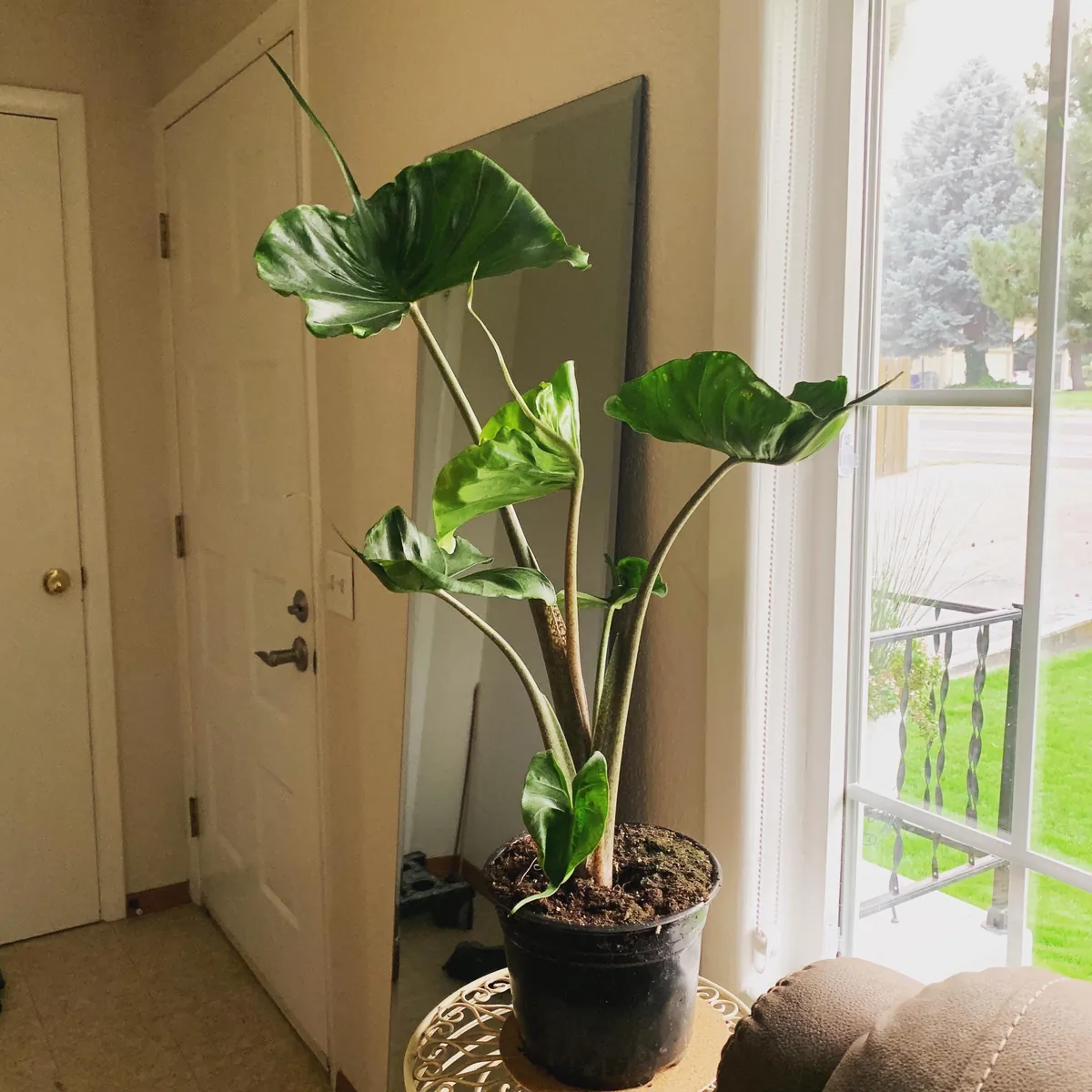
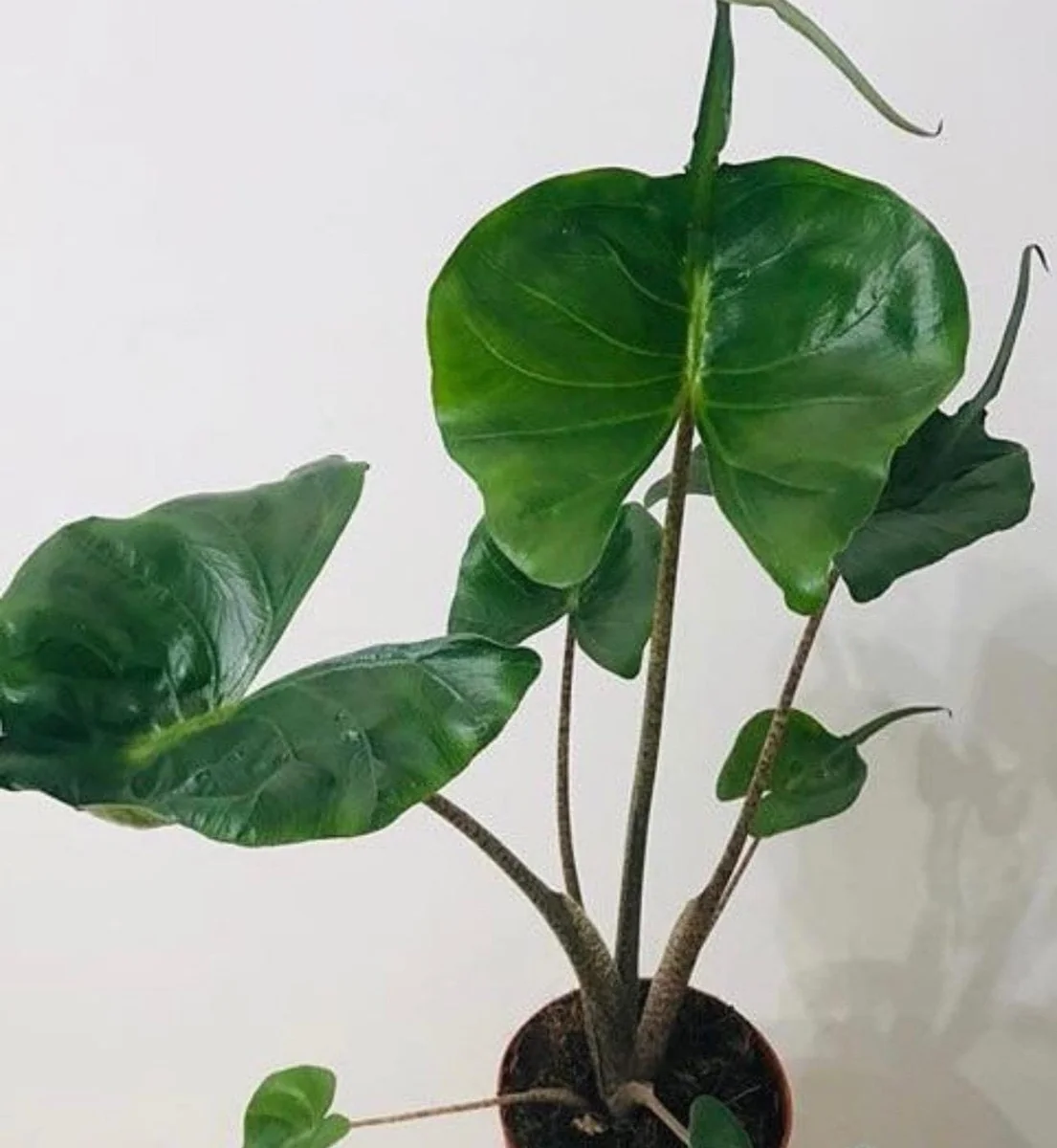
Introduce a touch of the tropics to your home with the stunning Alocasia Stingray live plant. This exotic aroid, scientifically known as Alocasia macrorrhiza ‘Stingray’, is celebrated for its highly unusual and captivating leaf shape, which uncannily resembles the graceful form of a manta ray or stingray. Each leaf boasts a long, slender petiole that supports a broad, ribbed blade, tapering to a pointed ‘tail.’ Originally from the humid rainforests of Southeast Asia, this unique aroid plant makes a spectacular statement as an indoor Alocasia. Its vibrant green foliage and intriguing structure are sure to capture attention and become a focal point in any plant collection or interior design.
The Alocasia Stingray live plant is a relatively compact grower, making it suitable for various living spaces, from cozy apartments to spacious homes. It thrives in conditions that mimic its natural habitat, appreciating warmth and high humidity. While it demands a bit of attention, the reward is a truly magnificent specimen that stands apart from more common houseplants. For those seeking an extraordinary and visually dramatic addition, this tropical houseplant is an unparalleled choice.
Key Benefits
The Alocasia Stingray live plant offers a wealth of benefits beyond its striking appearance, making it a cherished addition to any indoor garden. Its unique characteristics contribute both aesthetic appeal and a sense of exotic luxury to your living space.
- Exotic Aesthetic Appeal: The most immediate benefit is its distinctive appearance. The leaves, with their pointed ‘tails’ and ribbed texture, create a dramatic and sculptural display that enhances any room’s decor. It’s a conversation starter and a visual delight.
- Air Purification: Like many houseplants, the Alocasia Stingray live plant contributes to a healthier indoor environment by helping to filter airborne toxins and improve air quality, creating a fresher atmosphere in your home.
- Collector’s Item: Due to its unique morphology, the Alocasia Stingray is highly sought after by plant collectors and enthusiasts. Owning one adds a rare and special specimen to your collection, showcasing your passion for unusual botanical forms.
- Tropical Ambiance: Its origins in tropical rainforests mean this plant brings a lush, jungle-like feel to your home. It can transform an ordinary space into a vibrant, exotic sanctuary, especially when paired with other tropical foliage.
- Engaging Growth Habit: Observing new leaves unfurl on the unique aroid plant is a fascinating process. Each new leaf emerges rolled up, slowly extending and hardening into its characteristic stingray shape, providing ongoing visual interest.
- Versatile Decor: Despite its exotic look, the Alocasia Stingray can complement various interior design styles, from modern minimalist to bohemian. Its bold form acts as a living piece of art.
- Mindful Hobby: Caring for an indoor Alocasia fosters a connection with nature and provides a rewarding hobby. The routine of watering, misting, and observing its growth can be a calming and enriching experience.
Plant Care & Growing Tips
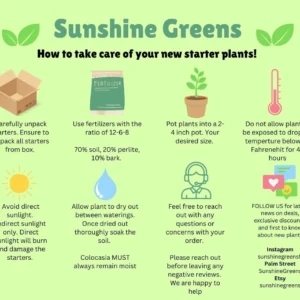
Proper Alocasia Stingray care is essential for this beautiful aroid to thrive and maintain its striking appearance. While it can be a bit more demanding than some common houseplants, understanding its needs will ensure a healthy and vigorous specimen.
Sunlight Requirements: The Alocasia Stingray live plant prefers bright, indirect light. Direct sunlight can scorch its delicate leaves, leading to brown patches. An east-facing window is often ideal, providing gentle morning sun, or a few feet away from a south or west-facing window. If natural light is insufficient, a grow light can supplement. Rotate the plant periodically to ensure even growth and light exposure.
Watering Schedule and Soil Moisture: Alocasias appreciate consistently moist, but not waterlogged, soil. Allow the top 1-2 inches of soil to dry out between waterings. Overwatering can lead to root rot, a common issue for this unique aroid plant. Conversely, letting it dry out too much can cause stress and leaf yellowing. Reduce watering frequency in winter when the plant’s growth slows. High humidity is also crucial; consider misting regularly, using a pebble tray, or placing it near a humidifier to maintain optimal moisture levels for your indoor Alocasia.
Soil Type and Drainage: A well-draining, airy potting mix is vital. A good blend typically includes peat moss, perlite, and orchid bark to ensure proper aeration and drainage while retaining some moisture. The pot should have drainage holes to prevent water from accumulating at the bottom. This helps prevent issues like root rot, which can quickly harm your tropical houseplant.
Temperature Range and USDA Hardiness Zone: Being a tropical plant, the Alocasia Stingray thrives in warm temperatures, ideally between 65-80°F (18-27°C). Avoid sudden temperature fluctuations or cold drafts, which can shock the plant. It is not cold-hardy and should be kept indoors in most climates. For outdoor growing, it is generally suitable for USDA zones 9-11, where temperatures rarely drop below 50°F (10°C). If temperatures drop, the plant may go dormant.
Fertilization Schedule and Type: During the growing season (spring and summer), feed your Alocasia Stingray every 2-4 weeks with a balanced liquid fertilizer, diluted to half strength. Reduce or stop fertilization during the fall and winter months when the plant is less actively growing. Overfertilization can burn the roots.
Common Problems and Solutions: Yellowing leaves can indicate overwatering or underwatering. Brown leaf tips often point to low humidity. Pests like spider mites and mealybugs can affect Alocasias; inspect your plant regularly and treat with neem oil or insecticidal soap if needed. If your Alocasia Stingray care seems off, adjust conditions gradually and observe the plant’s response.
Size & Details
The Alocasia Stingray live plant offered comes in a 2 inch nursery pot, providing a perfect starter size for enthusiasts. At this stage, it typically stands approximately 4-6 inches tall from the base of the pot to the tip of its tallest leaf. The plant will arrive as a healthy, rooted specimen, ready to be nurtured in its new environment. While young, it already exhibits the characteristic ‘stingray’ leaf shape that makes this unique aroid plant so desirable.
Expect a moderate growth rate, with the plant potentially reaching heights of 2-3 feet indoors under optimal Alocasia Stingray care. The leaves will gradually increase in size and number, enhancing its unique silhouette. This indoor Alocasia is shipped as a fully rooted, live plant in its nursery pot, ensuring a smooth transition to your home. With consistent care, your tropical houseplant will mature into a magnificent specimen, showcasing its full genetic potential.
Frequently Asked Questions
- Q: How big does the Alocasia Stingray live plant get? A: While it starts small in a 2 inch pot, a mature Alocasia Stingray can reach an indoor height of 2-3 feet, with impressive leaf spans. Its ultimate size depends on growing conditions and care.
- Q: Is this an indoor or outdoor plant? A: The Alocasia Stingray live plant is primarily an indoor plant in most climates due to its tropical nature. It can be grown outdoors in USDA Zones 9-11 where temperatures remain consistently warm.
- Q: How much sunlight does my unique aroid plant need? A: This Alocasia thrives in bright, indirect light. Avoid direct sun, which can scorch its leaves. A spot near an east-facing window or a few feet from a south/west window is usually ideal.
- Q: Is this plant easy to care for? Is it good for beginners? A: The Alocasia Stingray requires consistent humidity and careful watering, making it a bit more challenging than some beginner plants. However, with attention to its specific needs for Alocasia Stingray care, even intermediate plant parents can succeed.
- Q: What condition will my indoor Alocasia arrive in? A: Your plant will arrive as a healthy, rooted specimen in a 2 inch nursery pot, carefully packaged to minimize stress during transit. Some minor leaf yellowing or stress is normal after shipping.
- Q: How often should I water my tropical houseplant? A: Water when the top 1-2 inches of soil feel dry to the touch. It prefers consistently moist, but not soggy, soil. Always ensure good drainage to prevent root rot.
- Q: Does the Alocasia Stingray need high humidity? A: Yes, high humidity is crucial for this plant. Misting, using a humidifier, or placing it on a pebble tray can help maintain the necessary moisture levels around the foliage.
- Q: What kind of soil is best for this unique aroid plant? A: A well-draining, airy potting mix is best, often containing peat moss, perlite, and orchid bark. This ensures good aeration and prevents waterlogging.
- Q: Will my plant go dormant in winter? A: It’s possible. If conditions become too cool or dry, the Alocasia Stingray may go dormant, shedding leaves. Reduce watering during this period and expect new growth in spring.
- Q: Is the Alocasia Stingray pet-safe? A: No, like other Alocasias, the Alocasia Stingray live plant contains calcium oxalates and is toxic if ingested by pets or humans. Keep it out of reach of children and pets.


Reviews
There are no reviews yet.