Overview
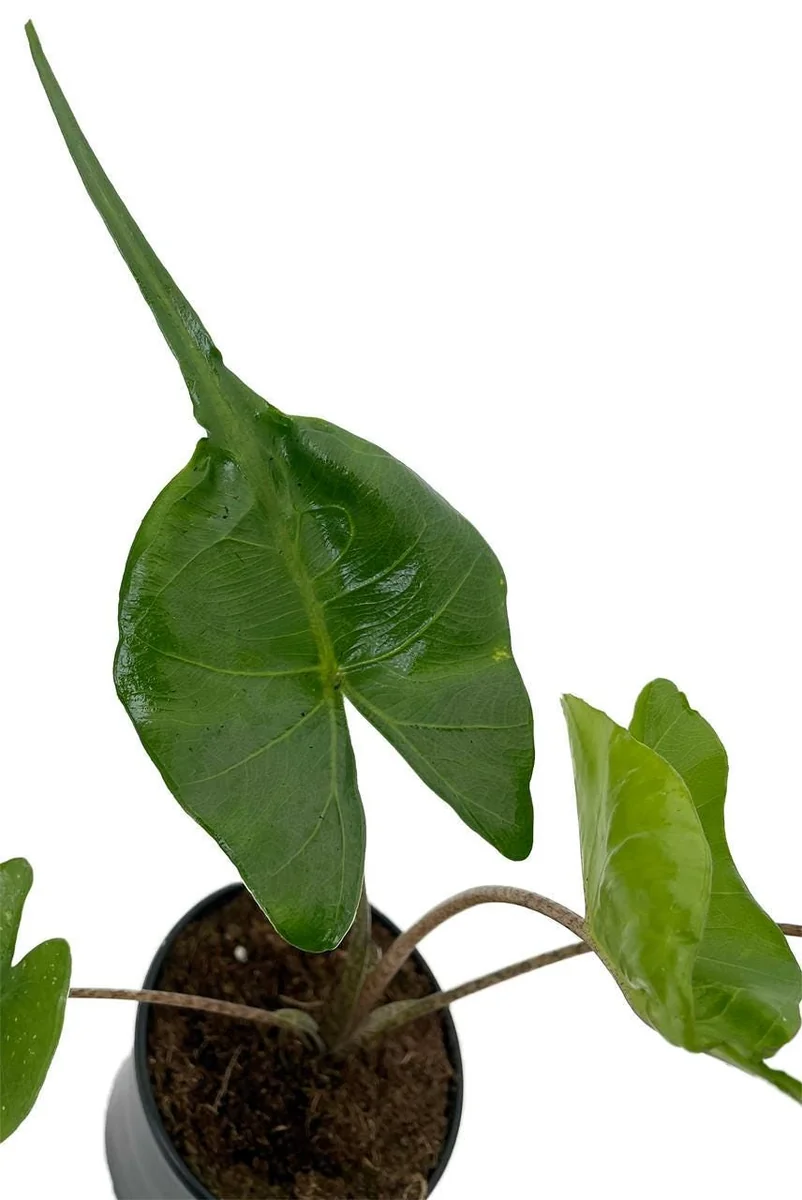
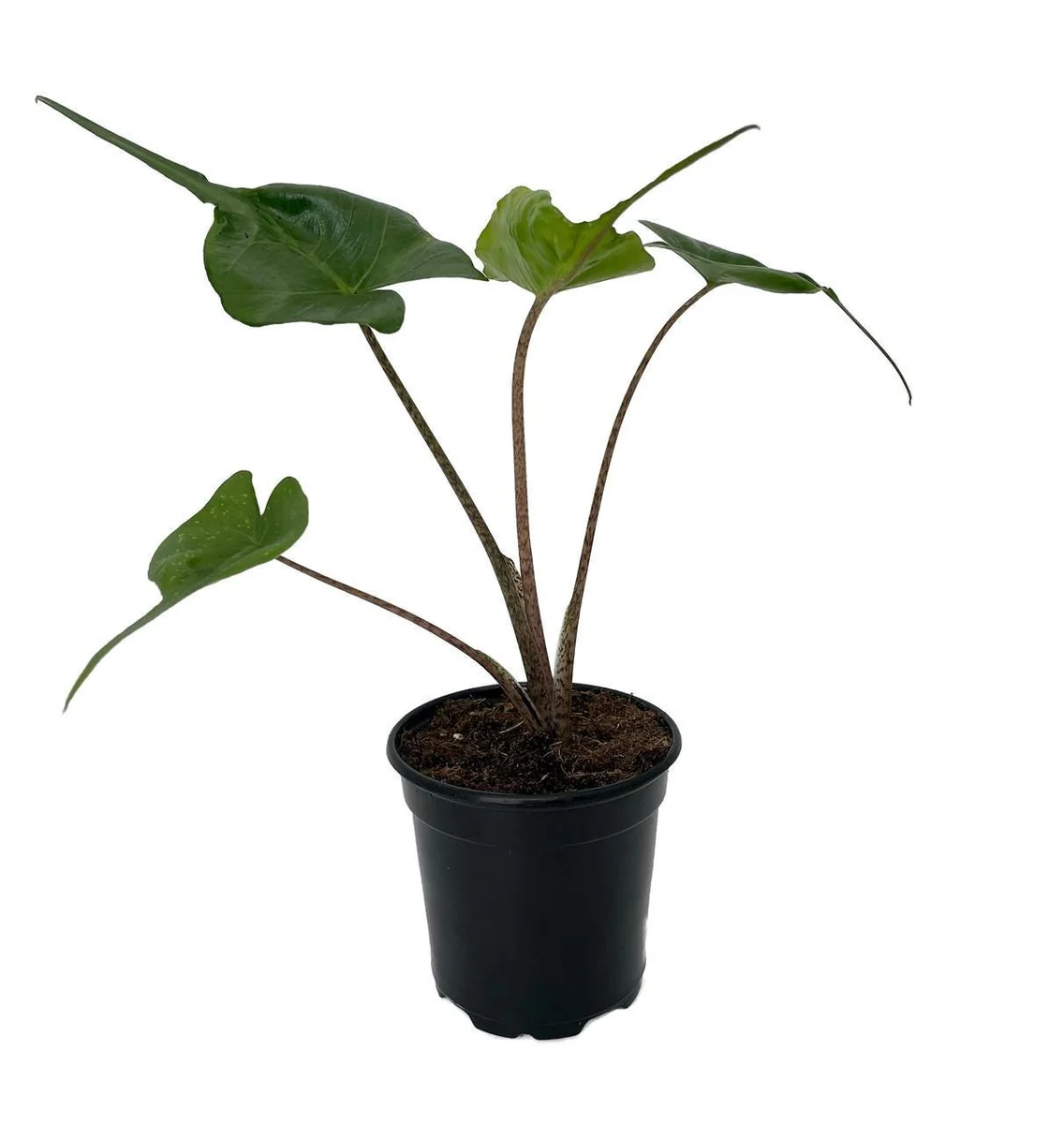
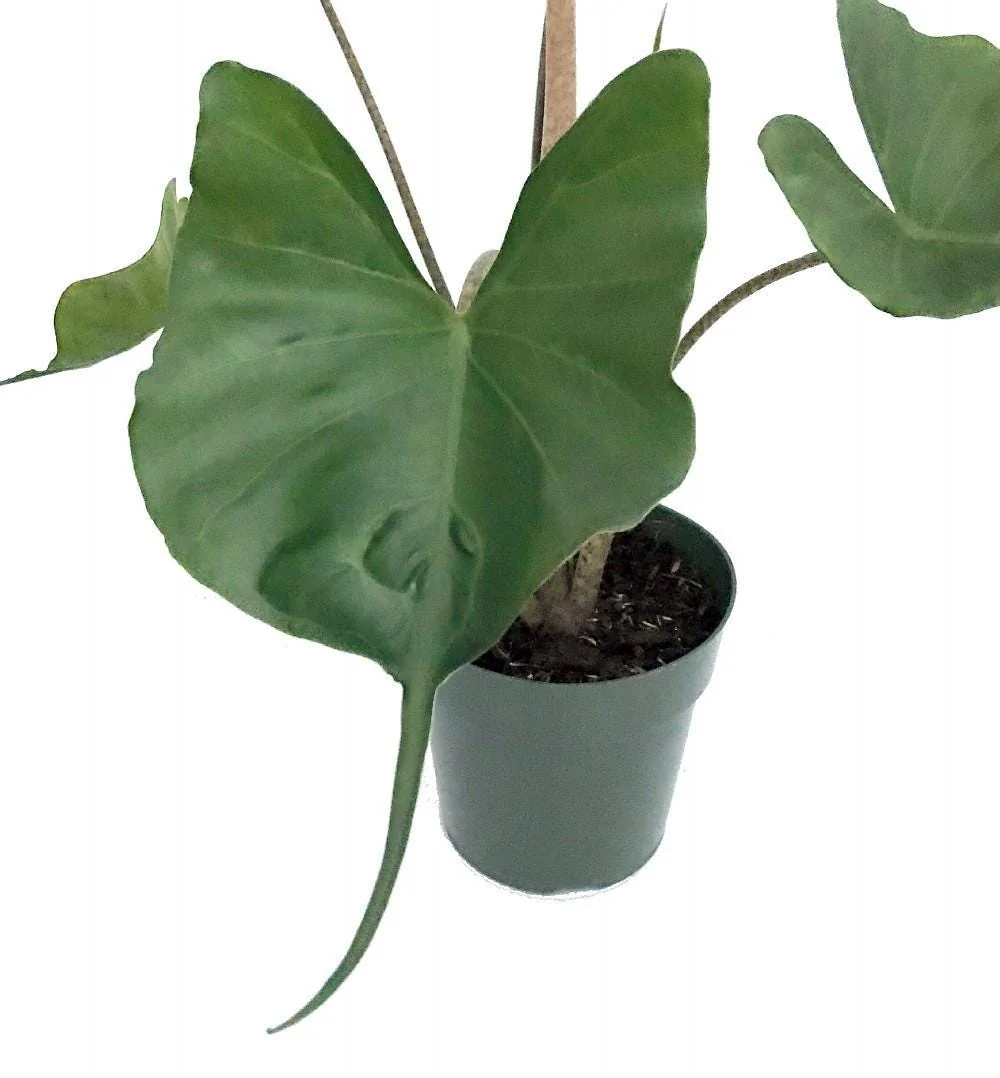
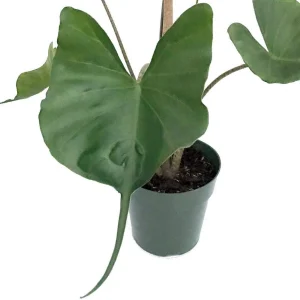
Introduce an extraordinary botanical specimen to your collection with the Alocasia Stingray live plant. This captivating plant, a unique cultivar of the Alocasia genus (often referred to as Elephant Ears), stands out with its truly one-of-a-kind foliage. Its leaves unfurl with a striking emerald green hue, showcasing prominent ribs and a leathery texture. The most distinguishing feature is the inward-curving edges that culminate in a slender, pointed tip, remarkably resembling the tail of a marine stingray, hence its evocative name. Perfect for plant enthusiasts and collectors alike, this unique Alocasia plant offers a dramatic focal point in any indoor setting or a shaded outdoor garden.
The Alocasia Stingray is a tropical plant that brings an exotic touch to your home or garden. Its architectural form and vibrant green leaves create a stunning visual display. As a live plant, it arrives ready to thrive, offering instant beauty and a conversation starter. If you’re looking for an indoor Alocasia plant that combines elegance with a touch of the wild, the Stingray variety is an unparalleled choice.
Key Benefits
The Alocasia Stingray live plant offers a multitude of benefits, making it a prized possession for any plant lover:
- Unique Aesthetic Appeal: The most striking benefit is its extraordinary appearance. The whiptail leaves truly resemble a stingray, providing an immediate and captivating focal point. This plant is a living sculpture, perfect for modern or minimalist decor.
- Collector’s Gem: For those who appreciate rare and distinctive plants, the Alocasia Stingray is a must-have. Its unusual form makes it highly sought after by plant collectors looking to expand their unique botanical assortments.
- Air Purification: Like many houseplants, the Alocasia Stingray contributes to a healthier indoor environment by helping to filter airborne toxins and improve air quality, making your living space fresher.
- Vibrant Foliage: The rich, emerald green leaves with their pronounced veining add a lush, tropical feel to any room. Its glossy texture reflects light beautifully, enhancing its visual impact.
- Dramatic Growth: This Alocasia unfurls new leaves relatively quickly when provided with optimal conditions, offering a sense of dynamic growth and continuous visual interest. Watching new leaves emerge and develop their characteristic shape is a rewarding experience.
- Versatile Placement: While primarily an indoor Alocasia plant in most climates, it can also thrive outdoors in appropriate USDA zones, allowing for flexible placement in your home or garden.
- Conversation Starter: Its unusual appearance is sure to spark curiosity and admiration from guests, making it an excellent conversation piece.
Plant Care & Growing Tips
To ensure your Alocasia Stingray live plant thrives, understanding its specific care requirements is essential. This tropical beauty prefers bright, indirect light. Avoid direct scorching sunlight, which can burn its delicate leaves. An east-facing window is often ideal, or a spot a few feet away from a south or west-facing window. If growing outdoors in warmer climates, choose a location with dappled shade or morning sun and afternoon shade.
Consistent moisture is key for the Alocasia Stingray care. Keep the soil evenly moist but never waterlogged. Allow the top inch or two of soil to dry out slightly between waterings, then water thoroughly until it drains from the bottom of the pot. Reduce watering frequency during cooler months. High humidity is also beneficial; consider misting regularly, placing the pot on a pebble tray with water, or using a humidifier, especially in dry indoor environments. The ideal soil for this Elephant Ears Stingray plant is a well-draining, rich potting mix that retains some moisture. A mix containing peat moss, perlite, and bark is usually suitable.
This plant prefers warm temperatures, ideally between 65-80°F (18-27°C). Avoid sudden temperature fluctuations and cold drafts. It is hardy in USDA zones 8-11 if planted outdoors, but it is best grown as an indoor Alocasia plant in most regions. Fertilize every 2-4 weeks during the growing season (spring and summer) with a balanced liquid fertilizer diluted to half strength. Reduce or stop fertilization during fall and winter. Trim any yellowing or damaged leaves as needed to maintain the plant’s health and appearance. Watch out for common pests like spider mites and mealybugs, and address them promptly with appropriate organic pest control methods.
Size & Details
This offering is for a vibrant Alocasia Stingray live plant, carefully cultivated and shipped in a 4-inch nursery pot. The plant’s overall height will vary but typically stands between 6-12 inches at the time of shipment, ready to grow and flourish in its new home. The distinctive leaves will display the characteristic ‘stingray’ shape, with new leaves continually unfurling to add to its unique silhouette. While growth rate can vary based on environmental conditions, with proper Alocasia Stingray care, you can expect steady development of its striking foliage.
The plant is shipped in its nursery pot with soil, ensuring minimal transplant shock upon arrival. Its compact initial size makes it suitable for tabletops, shelves, or as part of a larger indoor plant arrangement. As it matures, it can reach heights of 2-3 feet with individual leaves growing quite large, making it a truly impressive specimen. This unique Alocasia plant is a fantastic addition to any plant collection, promising exotic beauty and continuous visual interest.
Frequently Asked Questions
- Q: How big does this Alocasia Stingray plant get? A: Your Alocasia Stingray live plant will arrive in a 4-inch pot, typically 6-12 inches tall. With optimal conditions and proper Alocasia Stingray care, it can mature to a height of 2-3 feet, with individual leaves growing quite large and showcasing its unique form.
- Q: Is this an indoor or outdoor Alocasia plant? A: The Alocasia Stingray is primarily grown as an indoor Alocasia plant in most regions due to its tropical nature. However, it can thrive outdoors in USDA hardiness zones 8-11, provided it receives adequate shade and consistent moisture.
- Q: How much sunlight does the Elephant Ears Stingray need? A: This plant prefers bright, indirect light. Avoid direct sun exposure, which can scorch its leaves. A spot near an east-facing window or a few feet from a south or west-facing window with filtered light is ideal for optimal growth.
- Q: Is this plant easy to care for, especially for beginners? A: While stunning, the Alocasia Stingray live plant requires consistent attention to its light, water, and humidity needs. It’s not considered a beginner-friendly plant compared to some others, but with diligent Alocasia Stingray care, even enthusiastic novices can succeed.
- Q: What condition will my unique Alocasia plant arrive in? A: Your plant will be carefully packaged and shipped in its 4-inch nursery pot with soil, ensuring it arrives healthy and ready to be placed in its new home. We take precautions to minimize stress during transit.
- Q: How often should I water my Alocasia Stingray? A: Keep the soil consistently moist but never soggy. Water when the top 1-2 inches of soil feel dry to the touch. Reduce watering in winter. High humidity is also very important for this Elephant Ears Stingray plant.
- Q: What type of soil is best for this indoor Alocasia plant? A: A well-draining, rich potting mix is ideal. A blend containing peat moss, perlite, and orchid bark or similar components will provide the necessary drainage and moisture retention.
- Q: Is the Alocasia Stingray pet-safe? A: No, like other Alocasias, the Stingray plant is considered toxic if ingested by pets or humans due to calcium oxalate crystals. It’s best to keep it out of reach of curious pets and children.
- Q: What is the best temperature range for Alocasia Stingray care? A: This tropical plant thrives in warm conditions, ideally between 65-80°F (18-27°C). Protect it from cold drafts and temperatures below 60°F (15°C).
- Q: Does this unique Alocasia plant require high humidity? A: Yes, a high humidity environment is crucial for the Alocasia Stingray. Consider using a humidifier, misting regularly, or placing the pot on a pebble tray with water to increase ambient humidity, especially indoors.


Reviews
There are no reviews yet.