Overview
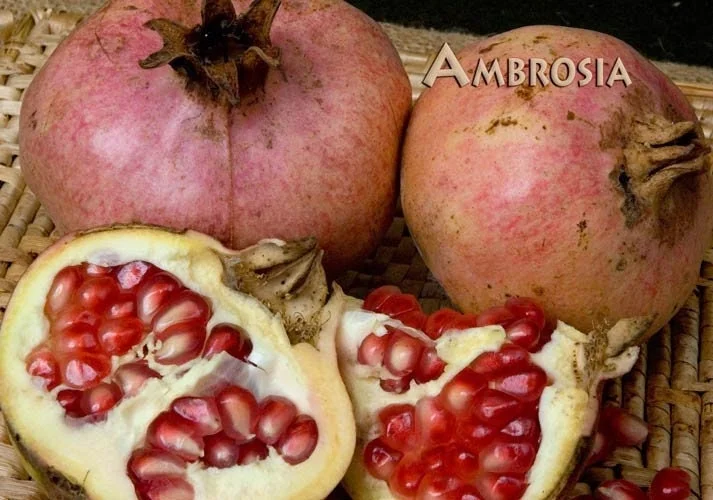
Bring the joy of home-grown fruit to your garden with the exceptional ambrosia pomegranate live plant. This vigorous and healthy specimen arrives ready for planting, measuring an impressive 2 to 3 feet tall and established in a 3-gallon pot. The Ambrosia Pomegranate is celebrated for its delectable fruit, offering a perfect balance of sweetness and tartness, making it a favorite among fruit enthusiasts. Its medium to large fruits boast an attractive pale pink skin, encasing juicy arils with a vibrant purple hue and a flavor profile often compared to the renowned Wonderful pomegranate. This pomegranate tree care guide will help you cultivate a thriving plant that provides bountiful harvests for years to come. Known for its adaptability, this variety thrives in both inland and coastal climates, making it a versatile choice for many gardeners.
As a self-fruitful pomegranate, it does not require another plant for pollination, simplifying the growing process and ensuring a reliable yield of delicious fruit. This makes it an ideal choice for gardeners with limited space or those looking for a low-maintenance fruit tree. The Ambrosia Pomegranate is not only productive but also adds significant ornamental value to any landscape with its attractive foliage and vibrant blooms.
Key Benefits
The ambrosia pomegranate live plant offers a multitude of benefits for the home gardener, combining aesthetic appeal with the rewarding experience of growing your own produce. Its robust nature and delicious fruit make it a standout choice.
- Delicious Fruit Production: Enjoy medium to large pomegranates with pale pink skin and sweet-tart purple juice, perfect for fresh eating, juicing, or culinary creations. The flavor is often compared to the popular Wonderful variety, ensuring a high-quality harvest.
- Self-Fruitful Variety: This plant is a self-fruitful pomegranate, meaning you only need one plant to produce fruit. This eliminates the need for cross-pollination and simplifies the growing process, making it ideal for smaller gardens.
- Adaptable to Various Climates: Thrives in both inland and coastal climates, demonstrating resilience and versatility. This adaptability allows a wider range of gardeners to successfully grow this beautiful and productive tree.
- Long-Lived & Vigorous: Pomegranate trees are known for their longevity, providing many years of fruit and beauty to your landscape. With proper pomegranate tree care, your plant will become a cherished garden feature.
- Ornamental Appeal: Beyond its fruit, the Ambrosia Pomegranate features attractive foliage and can produce beautiful, showy flowers, adding an exotic touch to your garden or patio.
- Relatively Low Maintenance: Once established, pomegranate plants are quite hardy and require minimal intervention, making them a great choice for both novice and experienced gardeners.
- Health Benefits: Pomegranates are rich in antioxidants and vitamins, offering a healthy and delicious addition to your diet straight from your own backyard. Growing your own ensures the freshest possible fruit.
Plant Care & Growing Tips
Ensuring the health and productivity of your ambrosia pomegranate live plant involves understanding its specific needs for sunlight, water, and soil. Pomegranates are relatively hardy but thrive best with consistent care. For optimal growth and fruit production, select a location that receives ample sunlight. Pomegranates perform best in full sun, meaning at least 6-8 hours of direct sunlight per day. While they can tolerate some partial shade, too little sun can reduce fruit set and overall vigor. Good air circulation is also beneficial to prevent fungal issues.
When it comes to watering, young pomegranate tree care is crucial. Water regularly after planting to help establish the root system. Once established, pomegranates are quite drought-tolerant, but consistent watering during dry spells and especially during fruit development will result in larger, juicier fruits. Allow the top few inches of soil to dry out between waterings to prevent root rot. They prefer well-draining soil; a sandy loam is ideal, but they can adapt to a variety of soil types as long as drainage is adequate. Fertilize in early spring with a balanced fertilizer, and again in mid-summer if needed, following product instructions carefully. Pruning should be done in late winter or early spring to remove dead or crossing branches and to shape the plant, encouraging better light penetration and air flow, which contributes to a healthier ambrosia pomegranate fruit yield.
Pomegranates are generally hardy in USDA zones 7-10. They require a certain number of chill hours (around 150 hours for this variety) to produce fruit, making them suitable for many temperate and subtropical regions. Protect young plants from severe frost. Keep an eye out for common pests like aphids or whiteflies, and treat with organic insecticidal soap if necessary. Proper care will lead to a thriving self-fruitful pomegranate that provides abundant harvests.
Size & Details
This ambrosia pomegranate live plant arrives as a well-established specimen, typically standing between 2 to 3 feet tall, making it an excellent size for immediate planting and robust growth. It is shipped securely in a 3-gallon nursery pot, ensuring its root system is intact and ready to adapt to its new environment. Pomegranates are known for their moderate to fast growth rate, and with proper care, this plant will quickly develop into a mature, fruit-bearing tree. Expect the plant to reach a mature height of 10-15 feet and a similar spread, though it can be kept smaller with regular pruning.
The fruit of the Ambrosia Pomegranate is medium to large, characterized by its appealing pale pink skin and distinctive purple, sweet-tart juice. This variety is similar in taste to the ‘Wonderful’ pomegranate, a highly sought-after type. It is a long-lived plant, capable of producing fruit for many decades. This ambrosia pomegranate live plant is suitable for both inland and coastal climates and requires approximately 150 chill hours to set fruit. Being a self-fruitful pomegranate, it does not need a second plant for pollination, simplifying the process of growing ambrosia pomegranate in your home garden.
Frequently Asked Questions
- Q: How big does this ambrosia pomegranate live plant get? A: This plant typically arrives 2 to 3 feet tall in a 3-gallon pot. With maturity, it can reach a height of 10-15 feet and a similar spread, though its size can be managed with pruning.
- Q: Is this an indoor or outdoor plant? A: The Ambrosia Pomegranate is primarily an outdoor plant, thriving in full sun and suitable for gardens in USDA zones 7-10. It requires chill hours to produce fruit.
- Q: How much sunlight does it need? A: For optimal growth and fruit production, this self-fruitful pomegranate requires at least 6-8 hours of direct sunlight per day. Full sun exposure is highly recommended.
- Q: Is this plant easy to care for? A: Pomegranates are relatively easy to care for once established. They are drought-tolerant and adaptable, but consistent watering during fruit development and proper soil drainage are key to successful pomegranate tree care.
- Q: What condition will it arrive in? A: Your ambrosia pomegranate live plant will arrive well-rooted in a 3-gallon pot, carefully packaged to ensure its health and vitality during transit.
- Q: When is the best time to plant? A: The best time to plant is typically in the spring after the last frost, or in early fall in warmer climates, allowing the plant to establish its root system before extreme temperatures.
- Q: What are the chill hour requirements for this variety? A: The Ambrosia Pomegranate requires approximately 150 chill hours to ensure proper fruit set. This makes it suitable for regions with mild winters.
- Q: Can I grow this plant in a large container? A: Yes, you can grow this ambrosia pomegranate live plant in a large container, especially in colder climates where it can be moved indoors during winter. Ensure the container has excellent drainage.
- Q: What kind of fruit does it produce? A: It produces medium to large pomegranates with pale pink skin and sweet-tart purple juice, often compared to the flavor of the ‘Wonderful’ variety. This is a highly desired ambrosia pomegranate fruit.
- Q: Is this variety a good choice for beginners? A: Yes, due to its self-fruitful nature and general hardiness, the Ambrosia Pomegranate is a good choice for beginner gardeners interested in growing ambrosia pomegranate.


Reviews
There are no reviews yet.