Overview
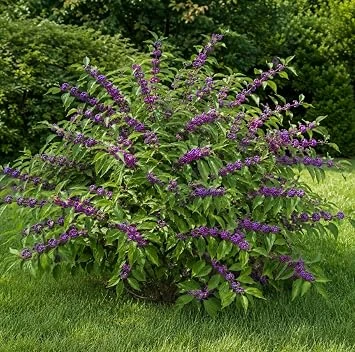
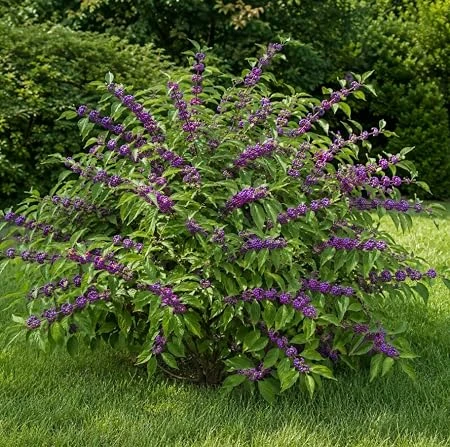
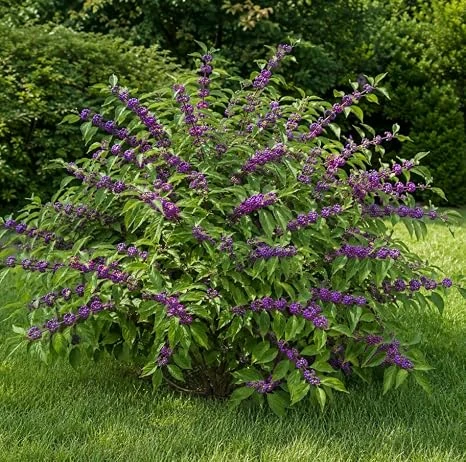
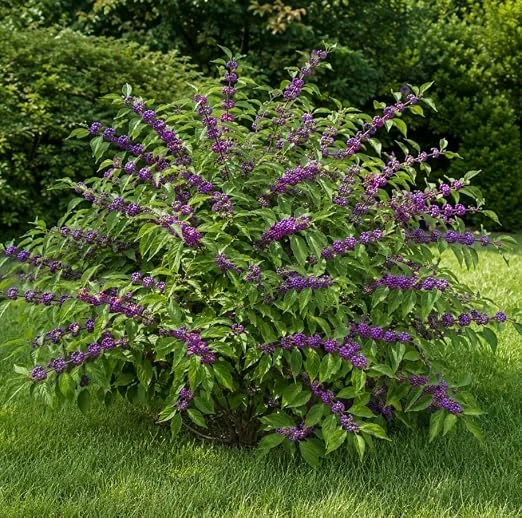
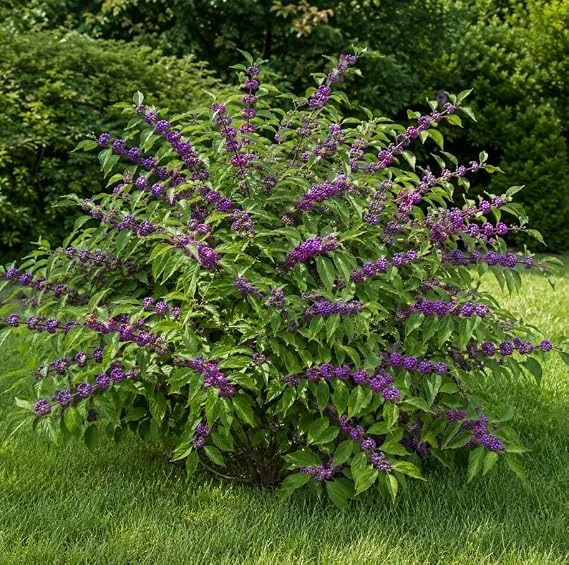
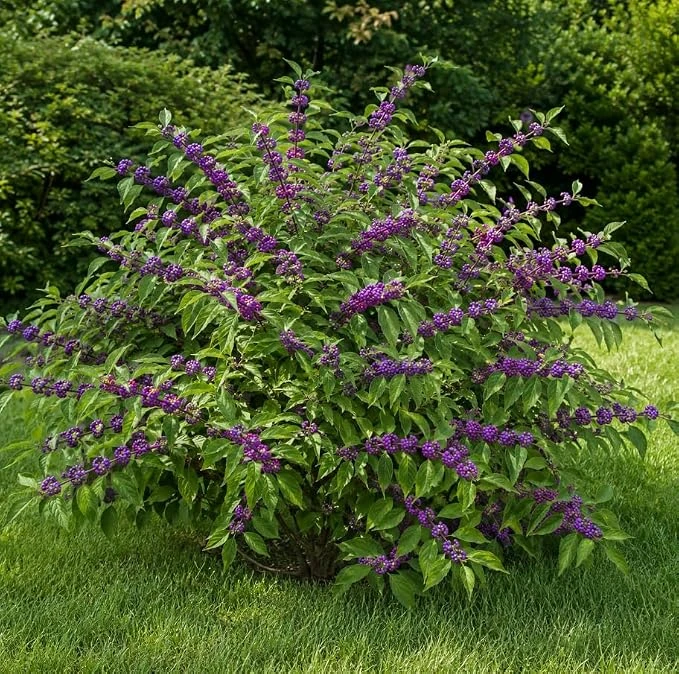
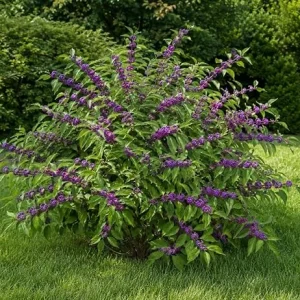
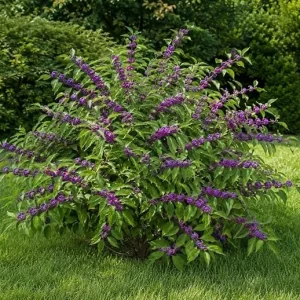
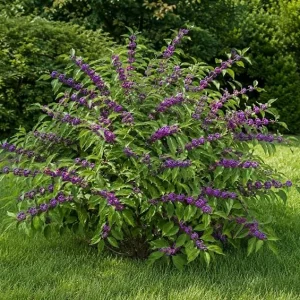
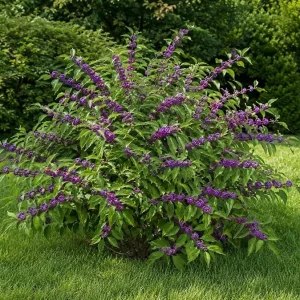
Introduce a burst of vibrant color to your garden with the exquisite American Beautyberry live plant. Known scientifically as Callicarpa americana, this captivating deciduous shrub is celebrated for its stunning, iridescent purple berries that appear in dense clusters along its stems, creating a spectacular display from late summer through fall and often into winter. Beyond its ornamental appeal, the American Beautyberry live plant is a valuable addition to native plant gardens, offering a crucial food source for birds and attracting pollinators with its delicate pink-lavender flowers in spring and early summer. This starter plant, measuring 8-12 inches tall and rooted in a 4-inch pot, is an ideal choice for gardeners looking to establish a resilient and visually impactful native ornamental plant.
The unique charm of the Callicarpa americana bush lies in its distinctive berry production, which truly sets it apart from other shrubs. These berries are not only beautiful but also provide sustenance for wildlife when other food sources become scarce. Easy to establish and maintain, this native shrub thrives in a variety of conditions, making it a versatile choice for borders, woodland edges, and naturalized areas. Whether you’re a seasoned gardener or just starting, the American Beautyberry live plant promises to be a rewarding addition, transforming your outdoor space with its seasonal beauty and ecological benefits.
Key Benefits
The American Beautyberry live plant offers a multitude of advantages for any landscape, combining aesthetic appeal with ecological value:
- Stunning Fall & Winter Interest: The most striking feature of this plant is its prolific production of vibrant, metallic purple berries that cling to the branches long after the leaves have fallen. This provides exceptional visual interest during the cooler months, adding a unique pop of color to an otherwise dormant landscape.
- Attracts Wildlife: The berries serve as a vital food source for numerous bird species, including cardinals, mockingbirds, and robins, especially when other food options are scarce. The early summer flowers also attract bees and other pollinators, supporting local ecosystems and creating a lively garden environment.
- Native & Adaptable: As a native ornamental plant to the southeastern United States, the Callicarpa americana bush is well-adapted to local climates and soils. This makes it a robust and low-maintenance choice, requiring less intervention once established compared to non-native alternatives.
- Low Maintenance: Once established, the purple berry shrub is remarkably easy to care for. It tolerates a range of soil types and growing conditions, including full sun to partial shade, and is relatively drought-tolerant. Minimal pruning is typically needed, making it perfect for busy gardeners.
- Versatile Landscape Use: Its attractive foliage, delicate flowers, and showy berries make it suitable for various garden applications. Use it as a specimen plant, in mixed borders, along woodland edges, for foundation plantings, or in native plant and pollinator gardens.
- Seasonal Beauty: Enjoy a dynamic display throughout the year. From fresh green foliage in spring, subtle pink-lavender flowers in summer, to the breathtaking purple berries in fall and winter, the American Beautyberry live plant provides continuous beauty.
Plant Care & Growing Tips
Caring for your American Beautyberry live plant is straightforward, ensuring a thriving shrub that will grace your garden with its unique beauty for years. This resilient plant, a true native ornamental plant, is quite forgiving. For optimal berry production, choose a location that receives full sun to partial shade. Full sun (at least 6 hours of direct sunlight daily) will generally result in the most abundant berry set, while partial shade (2-6 hours of direct sun, especially in the afternoon) is also tolerated, though berry yield may be slightly reduced. It’s adaptable to a range of soil types, from sandy to clay, but prefers well-draining soil. Avoid consistently soggy conditions, as this can lead to root rot. If your soil is heavy clay, amending it with organic matter like compost can improve drainage and overall plant health.
Watering requirements for the purple berry shrub are moderate. While establishing, water regularly to keep the soil consistently moist but not waterlogged. Once established, it becomes quite drought-tolerant and will generally only need supplemental watering during prolonged dry spells. Fertilization is typically not necessary, especially if planted in fertile soil. If your soil is poor, a balanced, slow-release granular fertilizer applied in early spring can be beneficial. Pruning is best done in late winter or early spring before new growth emerges. You can prune it back hard, even to the ground, to encourage vigorous new growth and a more compact shape, as the berries form on new wood. The beautyberry care routine is minimal, making it an excellent choice for gardeners seeking high impact with low effort. It’s hardy in USDA zones 6-10, tolerating a wide range of temperatures, though it may die back to the ground in colder parts of its range, reliably returning in spring.
Size & Details
This offering includes one well-rooted American Beautyberry live plant, typically measuring 8-12 inches tall from the top of the soil. Each plant arrives securely nestled in a 4-inch nursery pot, providing a strong root system ready for successful transplanting into your garden or a larger container. The plant’s growth rate is moderate, reaching a mature size of 3-8 feet tall and wide, depending on growing conditions and pruning habits. Expect the delicate pink-lavender flowers to appear in late spring to early summer, followed by the spectacular purple berries from late summer through fall. During the fall and winter months, the plant naturally enters dormancy, which may result in leaf drop or a lack of flowers and berries upon arrival. New growth, including potential flowers and berries, will emerge vigorously in the spring as temperatures rise, showcasing the full splendor of this Callicarpa americana bush. This starter plant is perfect for establishing a beautiful and beneficial presence in your outdoor space.
Frequently Asked Questions
- Q: How big does this American Beautyberry live plant get? A: The American Beautyberry live plant typically grows to a mature size of 3-8 feet tall and wide. Its ultimate size can depend on your growing conditions and how regularly you prune it, as it responds well to pruning.
- Q: What size pot does it come in? A: Each purple berry shrub starter plant is shipped in a 4-inch nursery pot. It will arrive well-rooted and ready to be transplanted into your garden or a larger container soon after arrival.
- Q: Is this an indoor or outdoor plant? A: The American Beautyberry live plant is primarily an outdoor plant. It thrives in garden settings and is hardy in USDA zones 6-10, making it suitable for a wide range of climates across the US.
- Q: How much sunlight does it need? A: For the best berry production, your Callicarpa americana bush prefers full sun (at least 6 hours of direct sunlight daily). It can also tolerate partial shade, but berry yield may be less abundant in shadier spots.
- Q: Is this plant easy to care for? A: Yes, beautyberry care is considered low maintenance. Once established, it is quite adaptable to various soil types and is relatively drought-tolerant, making it a great choice for both beginner and experienced gardeners.
- Q: What condition will it arrive in? A: Your native ornamental plant will arrive as a well-rooted starter plant. During fall and winter, it naturally enters dormancy and may lose its leaves, arriving without flowers or berries. New growth will emerge in spring.
- Q: When is the best time to plant the American Beautyberry? A: The best time to plant your American Beautyberry live plant is in spring or early fall. This allows the plant sufficient time to establish its root system before the extreme heat of summer or the cold of winter.
- Q: Will it survive winter in my zone? A: This plant is hardy in USDA Zones 6-10. In colder parts of its range (Zone 6), it may die back to the ground during winter but will reliably return from the roots in spring, producing new growth and berries.
- Q: Are the berries edible for humans? A: While the berries are a vital food source for birds, they are generally considered to have a very bitter taste for humans and are not typically consumed raw. Some people use them in jellies or wines, but they require cooking and sugar to be palatable.
- Q: Is this American Beautyberry a good choice for attracting pollinators? A: Absolutely! The small, delicate pink-lavender flowers that appear in late spring to early summer are a wonderful nectar source for various pollinators, including bees and butterflies, making it an excellent addition to a pollinator garden.


Reviews
There are no reviews yet.