Overview
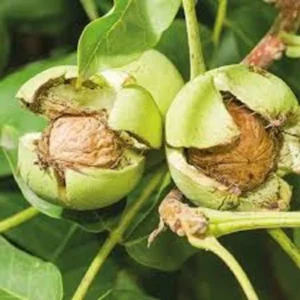
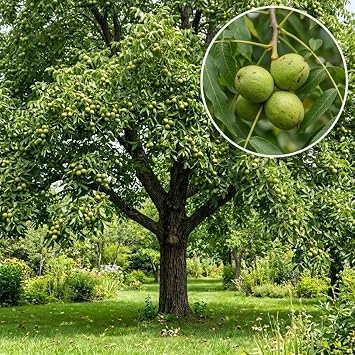
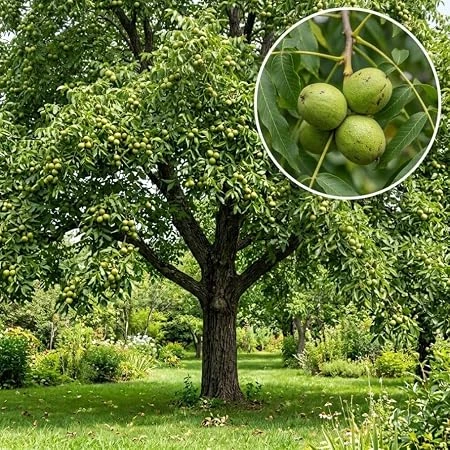
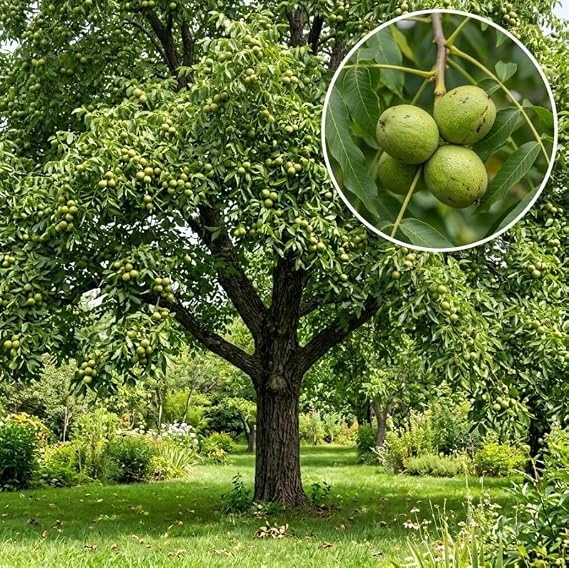
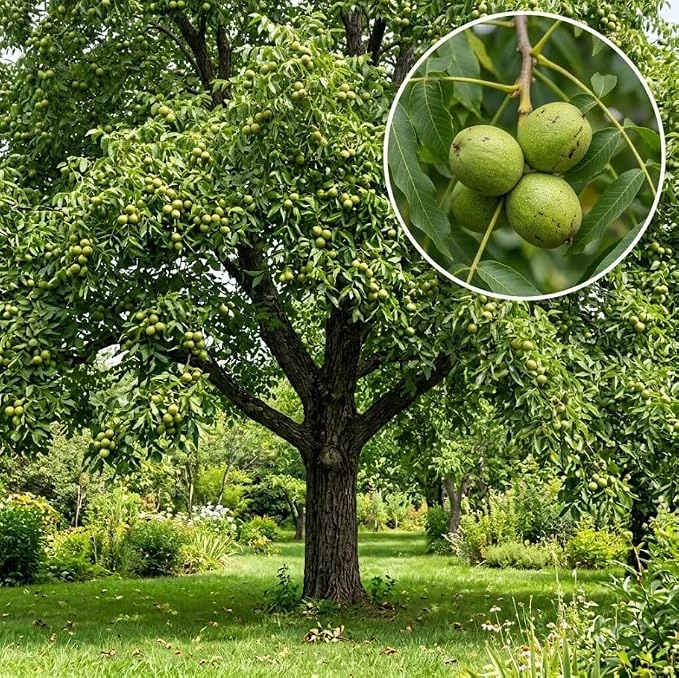
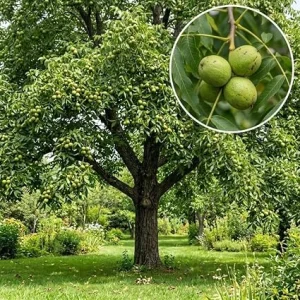
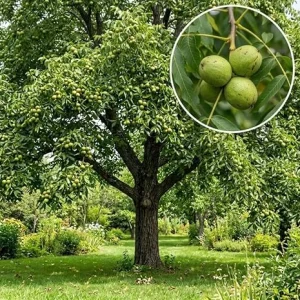
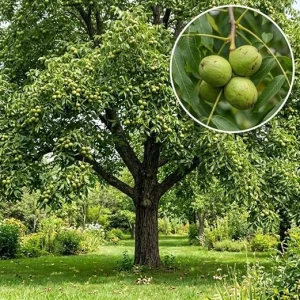
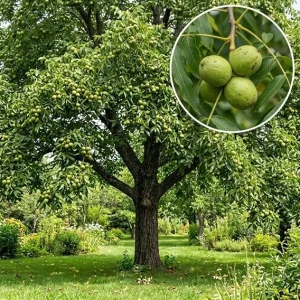
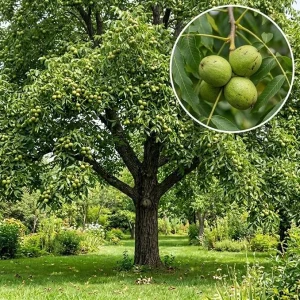
Bring the timeless beauty and abundant resources of an American Black Walnut Tree to your home garden. This offering is for a vibrant, young Black Walnut live plant, standing 6-12 inches tall and carefully potted in a 4-inch container, ensuring it’s ready for immediate transplanting into your chosen spot. Known scientifically as Juglans nigra, the American Black Walnut Tree is a majestic deciduous tree native to eastern North America, highly prized for its rich, dark timber and its flavorful, nutritious nuts. Its rapid growth and impressive stature make it an excellent choice for creating significant shade and adding long-term value to any property. This resilient species adapts well to a variety of climates and soil conditions, making it a robust addition for both novice and experienced gardeners.
Beyond its aesthetic appeal and commercial value, the American Black Walnut Tree plays an important ecological role, providing food and habitat for wildlife. Planting one of these young trees is an investment in your landscape’s future, promising decades of growth, shade, and the unique satisfaction of harvesting your own sweet nuts. This particular plant is carefully nurtured to ensure a strong start in its new environment, allowing you to enjoy the journey of watching it mature into a grand, productive tree.
Key Benefits
Choosing to plant an American Black Walnut Tree offers a multitude of benefits, enhancing both the utility and beauty of your outdoor space. These trees are not just plants; they are living legacies that provide value for generations.
- Provides Excellent Shade: As it matures, the American Black Walnut Tree develops a broad, dense canopy, offering substantial shade that can cool your home and outdoor living areas during hot summer months. This natural cooling can also help reduce energy costs.
- Produces Delicious Nuts: Enjoy the rich, distinctive flavor of fresh black walnuts directly from your own garden. These nuts are highly sought after for baking, cooking, and snacking, offering a unique taste profile and nutritional benefits.
- High Value Timber: While a long-term benefit, black walnut wood is one of the most valuable hardwoods, prized for its strength, beauty, and workability. Planting a Juglans nigra tree can be a significant future investment.
- Cold Hardy & Resilient: This species is incredibly tough and adaptable, thriving across a wide range of USDA hardiness zones and tolerating various soil conditions. It’s a reliable choice for many climates, making it a truly cold hardy shade tree.
- Wildlife Attraction: The nuts and foliage provide food and shelter for local wildlife, including squirrels and birds, contributing to the biodiversity of your garden ecosystem.
- Low Maintenance Once Established: After the initial establishment period, Black Walnut live plants require minimal care, making them a relatively easy addition to a busy gardener’s landscape.
- Adds Landscape Grandeur: With its stately form and impressive size, a mature American Black Walnut Tree adds significant aesthetic appeal and a sense of permanence to any garden or property.
Plant Care & Growing Tips
Caring for your young American Black Walnut Tree is straightforward, especially given its natural hardiness. To ensure your Black Walnut live plant thrives, proper initial care and ongoing maintenance are key. These trees prefer full sun exposure, meaning at least 6-8 hours of direct sunlight per day is ideal for optimal growth and nut production. While they are adaptable to various soil types, well-draining, deep, and fertile loamy soils are preferred. Avoid planting in areas with consistently wet or poorly draining soil, as this can lead to root issues. When transplanting your 6-12 inch plant from its 4-inch pot, dig a hole twice as wide as the root ball and just as deep, ensuring the top of the root ball is level with the soil surface.
Watering is crucial during the first few years after planting. Keep the soil consistently moist but not waterlogged. Deep watering once or twice a week, depending on rainfall and temperature, is better than frequent shallow watering, as it encourages deeper root growth. Once established, the American Black Walnut Tree becomes quite drought-tolerant. Fertilization can be beneficial in the first few years; use a balanced, slow-release fertilizer in early spring, following product instructions carefully. These trees are hardy in USDA zones 4-9. While generally robust, monitor for common pests like walnut caterpillars or diseases such as anthracnose, and address them promptly. Pruning is usually limited to removing dead, damaged, or crossing branches to maintain a strong structure and improve air circulation. Remember, the Juglans nigra tree produces juglone, a natural chemical that can inhibit the growth of certain sensitive plants nearby, so plan your companion plantings accordingly.
Size & Details
This offering includes one robust American Black Walnut Tree live plant, carefully grown and shipped in a 4-inch nursery pot. Each plant stands proudly between 6 to 12 inches tall from the base of the soil, providing a healthy start for your garden. The young tree is ready for immediate transplanting into your desired outdoor location, whether it’s a home garden, yard, or a larger landscape project. Black walnut trees exhibit a moderate to fast growth rate, typically adding 1-2 feet of height per year under ideal conditions. While this plant arrives as a young specimen, a mature American Black Walnut Tree can reach impressive heights of 50-75 feet with a spread of 50-75 feet, developing into a magnificent cold hardy shade tree. Nut production typically begins when the tree is around 10-15 years old, with peak production occurring between 30-60 years, providing a long-term harvest of delicious nuts. The plant is shipped in its nursery container with soil to ensure minimal transplant shock and a smooth transition to its new environment.
Frequently Asked Questions
- Q: How big does this American Black Walnut Tree get? A: This particular plant is 6-12 inches tall and comes in a 4-inch pot. A mature American Black Walnut Tree can reach an impressive height of 50-75 feet with a similar spread, becoming a very large shade tree.
- Q: What size pot does it come in? A: The Black Walnut live plant is shipped in a 4-inch nursery pot, making it convenient for immediate transplanting into your garden or a larger container.
- Q: Is this an indoor or outdoor plant? A: The American Black Walnut Tree is strictly an outdoor plant. It requires significant space to grow and thrives in full sun exposure in a garden or landscape setting.
- Q: How much sunlight does it need? A: For optimal growth and eventual nut production, your Juglans nigra tree needs at least 6-8 hours of direct sunlight per day, ideally in a full sun location.
- Q: Is this plant easy to care for? A: Yes, once established, the American Black Walnut Tree is relatively low maintenance. It’s a resilient and cold hardy shade tree, requiring consistent watering in its early years but becoming quite self-sufficient thereafter.
- Q: What condition will it arrive in? A: Your Black Walnut live plant will arrive carefully packaged, standing 6-12 inches tall, and potted in its 4-inch nursery container with soil, ready for planting.
- Q: When is the best time to plant? A: Spring to early summer is generally the best time to plant your American Black Walnut Tree, allowing it ample time to establish its root system before winter.
- Q: Will it survive winter in my zone? A: The American Black Walnut Tree is a very cold hardy shade tree, thriving across a wide range of climates, typically in USDA Hardiness Zones 4-9.
- Q: Does this tree produce sweet nuts? A: Yes, the American Black Walnut Tree is renowned for producing flavorful, sweet nuts that are excellent for culinary uses. Nut production typically begins after 10-15 years.
- Q: Can I grow other plants near it? A: The Juglans nigra tree produces juglone, a chemical that can be toxic to certain sensitive plants. Research juglone-tolerant companion plants if you plan to garden near it.


Reviews
There are no reviews yet.