Overview
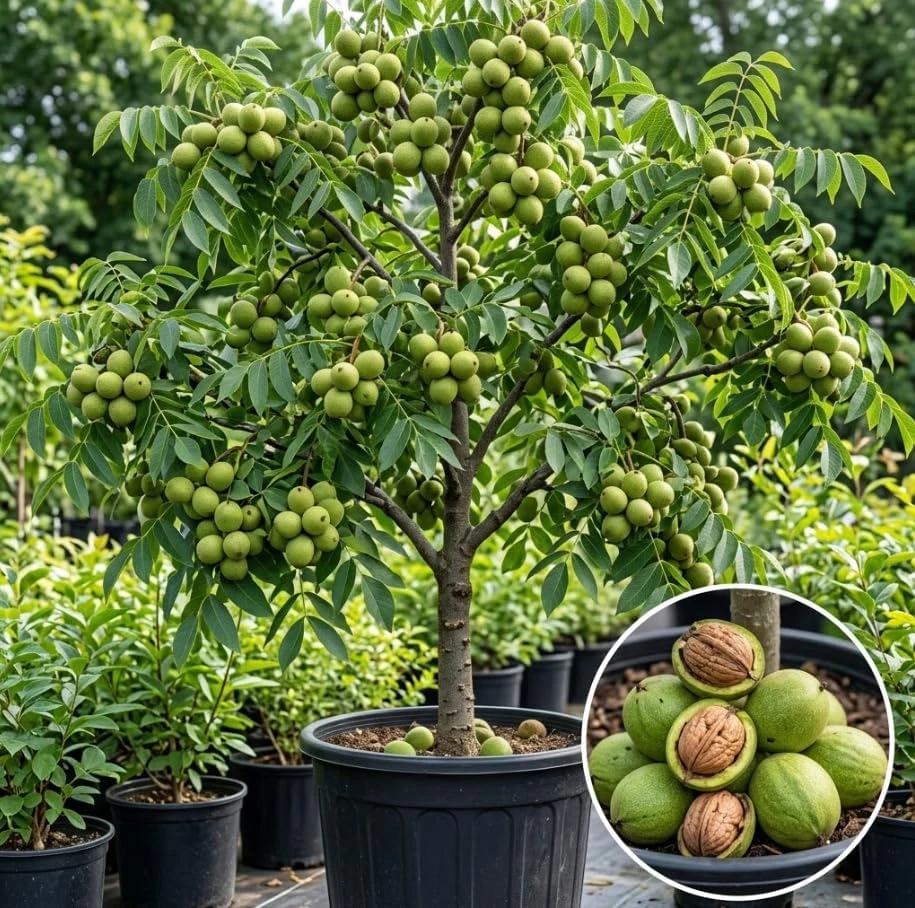
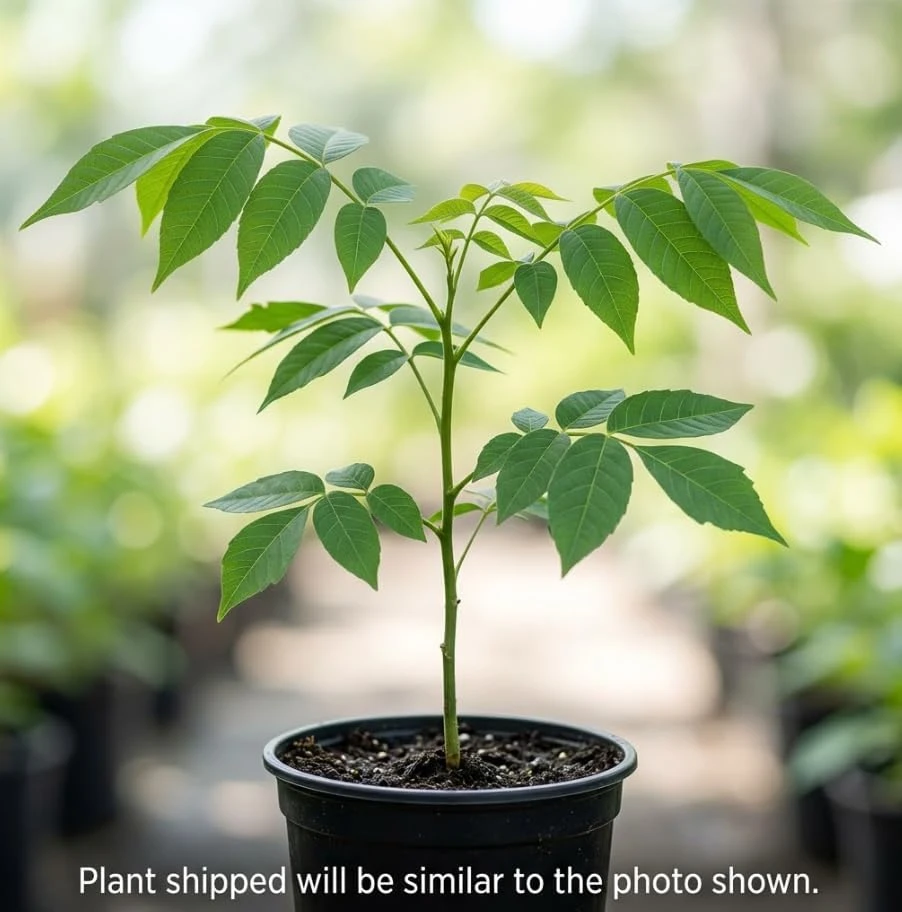
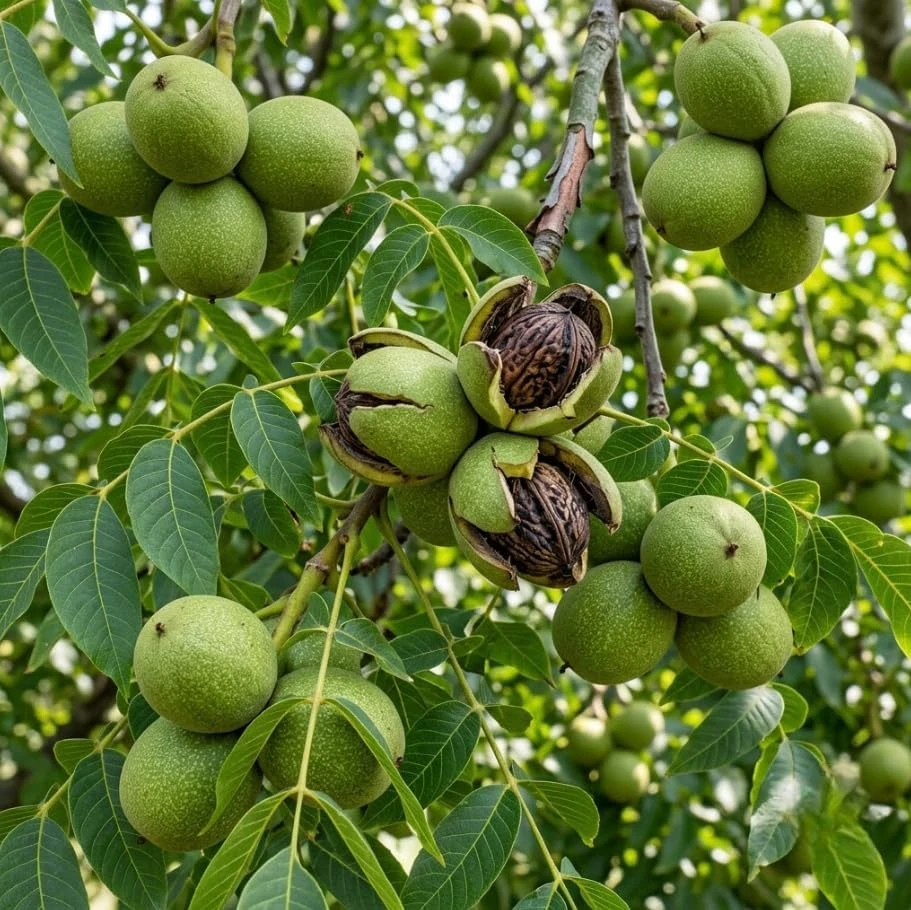
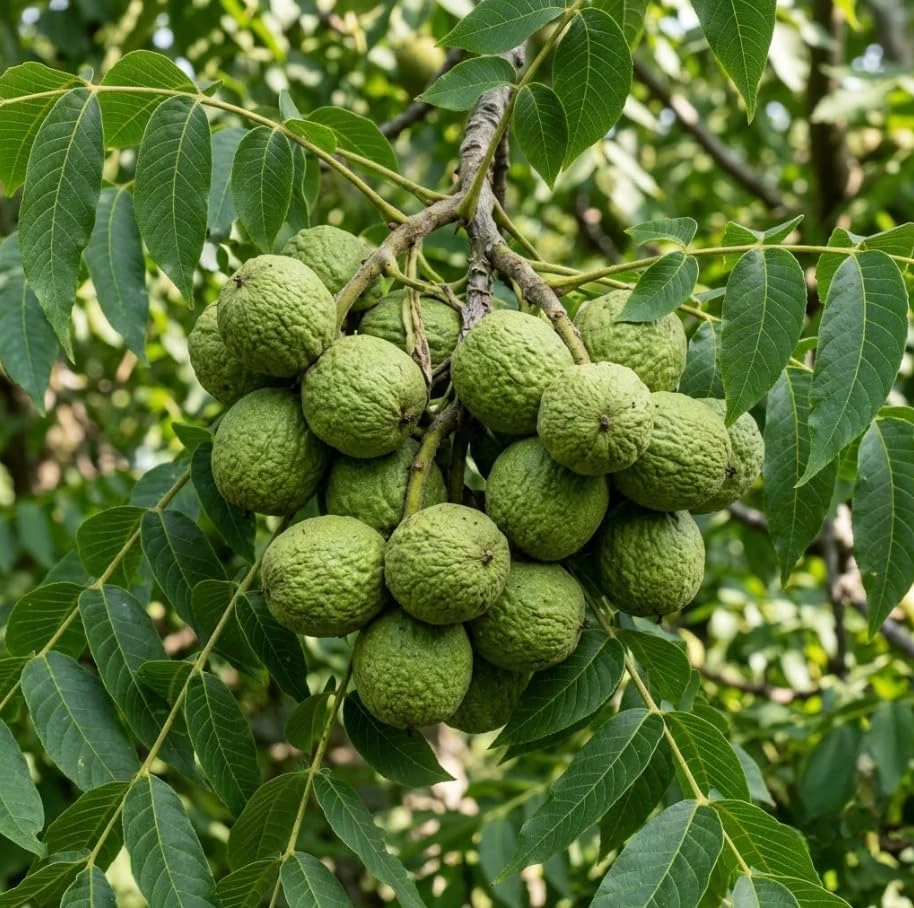
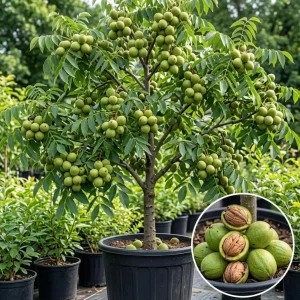
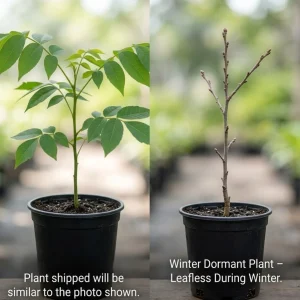
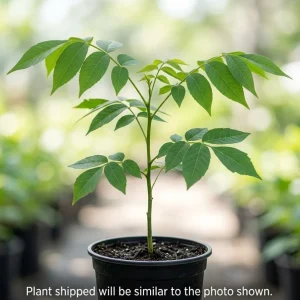
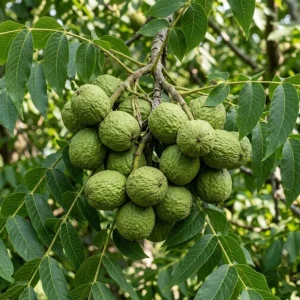
Discover the majesty and bounty of the American Black Walnut tree (Juglans nigra) with this robust live plant. Each young tree arrives standing 6 to 12 inches tall, potted securely in a 4-inch nursery container, making it perfectly prepared for transplanting into your garden or yard. Known for its strong timber, beautiful shade, and edible nuts, the American Black Walnut tree is a valuable addition to any landscape. This resilient species is celebrated for its ability to thrive across a broad spectrum of climates and soil conditions, establishing itself as a long-lived and productive asset for generations to come. Whether you’re a seasoned gardener or a new enthusiast, growing a Juglans nigra plant offers both aesthetic beauty and practical rewards.
The American Black Walnut tree is native to eastern North America and is highly prized for its rich, flavorful nuts and attractive dark wood. As a young plant, it offers an exciting opportunity to cultivate a significant tree that will mature into a towering specimen, providing dense shade and a yearly harvest. This particular offering ensures you receive a healthy, well-rooted starter plant, giving it the best chance to flourish once planted in its permanent home. Embrace the journey of growing a tree that not only enhances your property but also contributes to local wildlife and offers a sustainable food source.
Key Benefits
Cultivating an American Black Walnut tree offers a multitude of advantages, enriching your environment and providing lasting value:
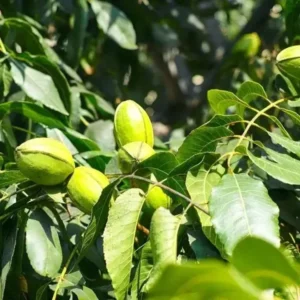
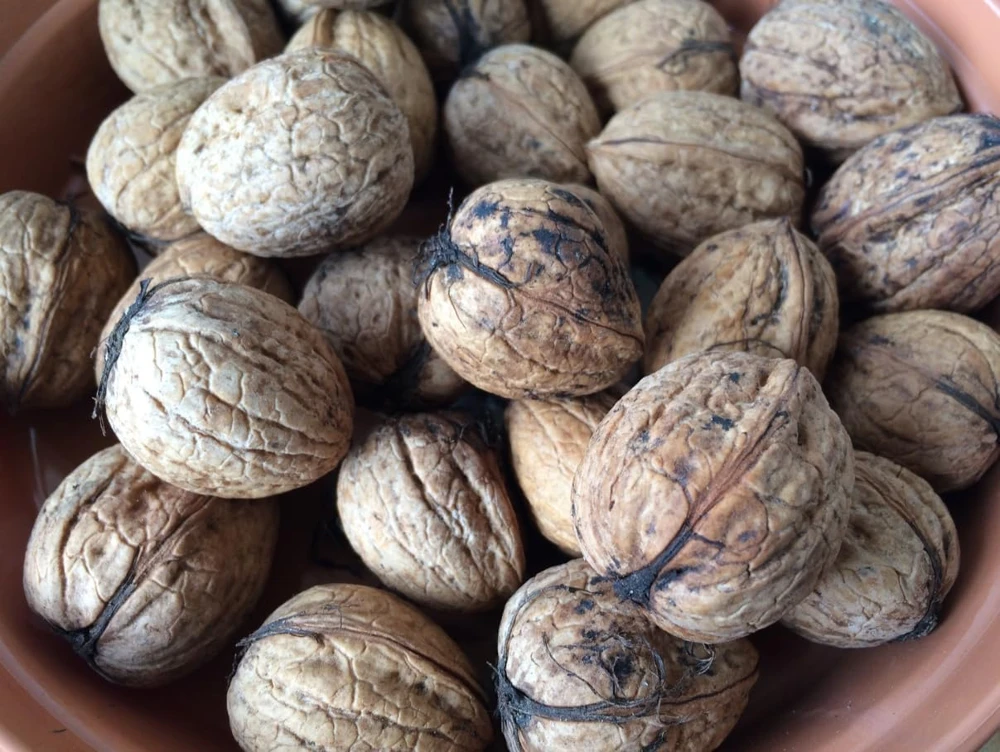
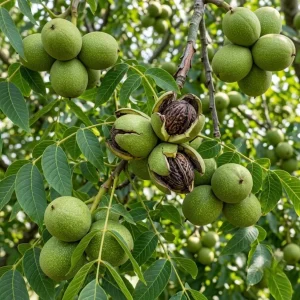
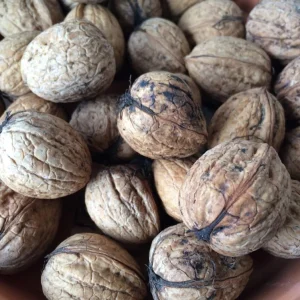
- Abundant Nut Production: Once mature, the American Black Walnut tree produces a generous harvest of highly nutritious and flavorful nuts, prized for baking, snacking, and culinary uses. This provides a sustainable food source right in your backyard.
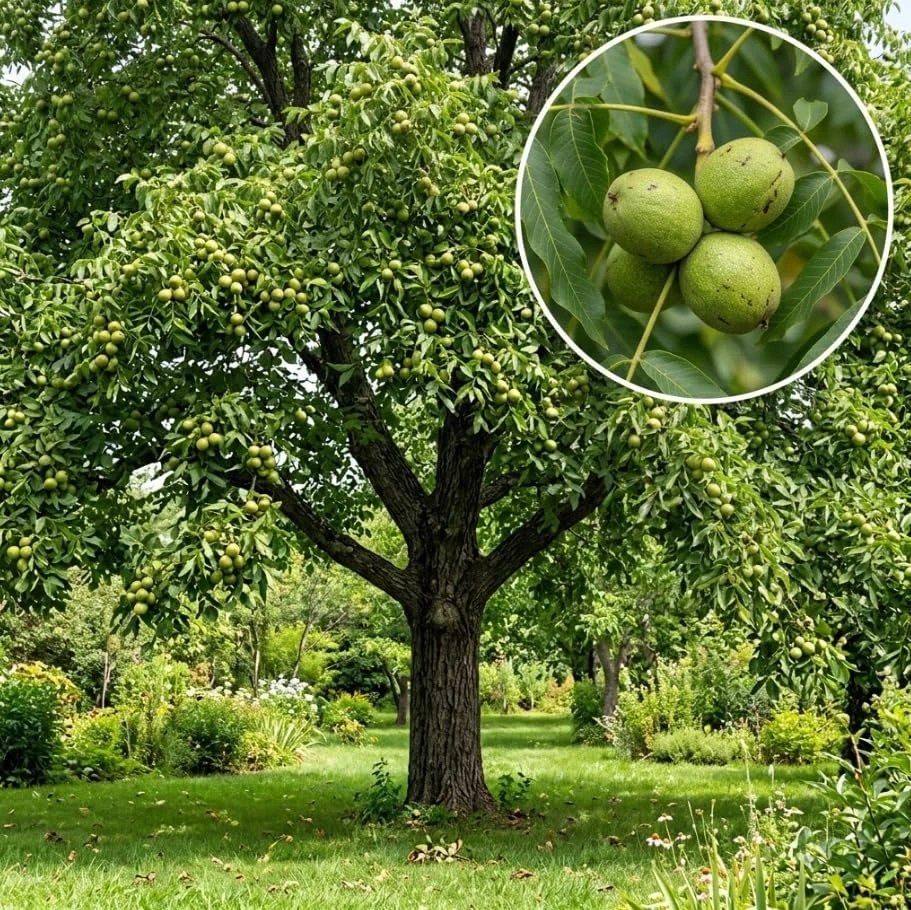
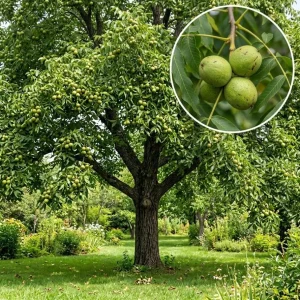
- Magnificent Shade Tree: These trees grow into large, majestic specimens with a broad canopy, offering excellent shade during hot summer months. They create a cool, inviting space for relaxation and outdoor activities.
- Durable and Resilient: The Juglans nigra plant is renowned for its hardiness and adaptability, thriving in a wide range of climates and soil types. This makes it a dependable choice for many regions, requiring less intensive care once established.
- Wildlife Attraction: The nuts are a valuable food source for various wildlife, including squirrels and birds, making your garden a vibrant ecosystem. The tree also provides shelter and nesting sites.
- Valuable Timber: Black Walnut wood is highly sought after for its beauty, strength, and durability, used in fine furniture, cabinetry, and flooring. While a long-term benefit, it adds significant value to your property.
- Soil Improvement: The deep root system of the American Black Walnut tree can help improve soil structure and prevent erosion, contributing to a healthier garden environment over time.
- Long-Term Investment: Planting a Black Walnut nut tree is an investment that appreciates over time, providing both ecological and potential economic benefits for many years to come.
Plant Care & Growing Tips
Caring for your young American Black Walnut tree is straightforward, ensuring it establishes well and grows into a strong, productive specimen. These trees prefer a location with full sun, meaning at least 6-8 hours of direct sunlight per day, to optimize growth and nut production. While they are adaptable, a site with good air circulation is beneficial. The ideal soil type is deep, fertile, well-draining loam, though they can tolerate a variety of soils including clay, as long as drainage is adequate. Avoid overly wet or compacted soils, which can lead to root issues. When you grow Black Walnut, ensure the planting site is prepared properly, digging a hole twice as wide as the root ball and just as deep.
Watering is crucial during the first few years after planting to help the tree establish a strong root system. Water deeply and regularly, especially during dry periods, ensuring the soil remains consistently moist but not waterlogged. Once established, a mature American Black Walnut tree is quite drought-tolerant. Fertilization is generally not needed in rich soils, but if your soil is poor, a balanced, slow-release granular fertilizer can be applied in spring. Pruning should be minimal in the early years, focusing on removing any dead, damaged, or crossing branches to maintain a strong central leader. Be aware of juglone, a natural chemical produced by the roots, which can inhibit the growth of certain sensitive plants nearby. This makes it important to plant juglone-tolerant species around your hardy shade tree.
Size & Details
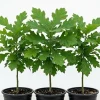
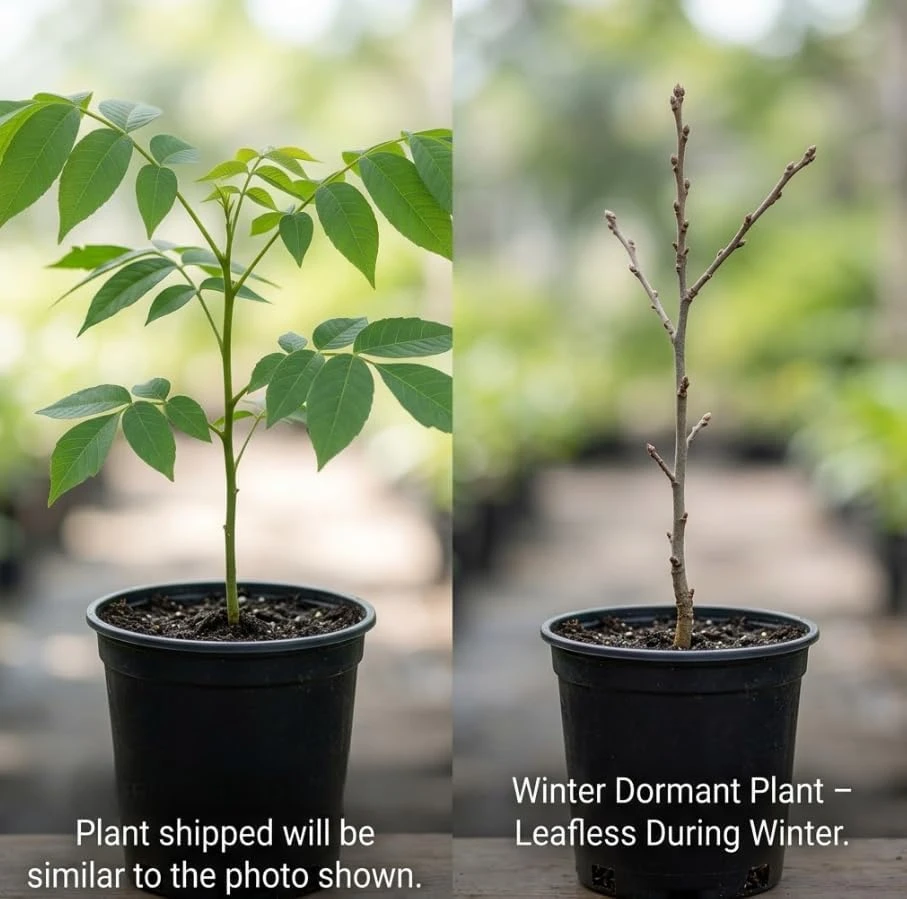
This offering includes one healthy American Black Walnut tree live plant, which stands approximately 6 to 12 inches tall from the top of the soil. Each plant is carefully cultivated and shipped in a 4-inch nursery pot, complete with its own soil, ready for immediate transplanting. This young tree is in its early growth stage, allowing you to shape its development from the ground up. The Juglans nigra plant has a moderate to fast growth rate, typically adding 1-2 feet of height per year under ideal conditions. Expect your tree to begin producing nuts within 7-10 years of planting, with full production achieved as it matures further. These magnificent trees can eventually reach heights of 50-75 feet or more with a spread of similar dimensions, providing ample shade and a long-term source of valuable nuts.
Frequently Asked Questions
- Q: How big does this plant get? A: This American Black Walnut tree ships as a 6-12 inch tall live plant in a 4-inch pot. When mature, it can reach impressive heights of 50-75 feet or more with a wide canopy, making it a truly majestic shade tree.
- Q: What size pot does it come in? A: The American Black Walnut tree arrives potted in a standard 4-inch nursery pot, providing a healthy root system ready for transplanting into your garden or a larger container.
- Q: Is this an indoor or outdoor plant? A: The American Black Walnut tree is an outdoor plant, best suited for planting directly in the ground in a spacious area where it has room to grow into its mature size. It is a hardy deciduous tree.
- Q: How much sunlight does it need? A: For optimal growth and nut production, this hardy shade tree requires full sun, meaning at least 6-8 hours of direct sunlight per day. It can tolerate some partial shade but will thrive best in brighter conditions.
- Q: Is this plant easy to care for? A: Yes, once established, the American Black Walnut tree is relatively low-maintenance. It is a resilient species that tolerates a range of conditions, making it suitable for gardeners of varying experience levels.
- Q: What condition will it arrive in? A: Your Juglans nigra plant will arrive as a healthy, live plant, securely packaged in its 4-inch pot with soil, ready for planting upon arrival. We take great care to ensure its safe journey.
- Q: Can I grow Black Walnut nuts from this tree? A: Absolutely! This is a true Black Walnut nut tree. While it will take several years (typically 7-10) for the tree to mature and begin producing nuts, it will eventually provide a delicious and bountiful harvest.
- Q: When is the best time to plant? A: The best time to plant your American Black Walnut tree is typically in spring or early fall, allowing the roots to establish before extreme summer heat or winter cold.
- Q: Will it survive winter in my zone? A: The American Black Walnut tree is very hardy and thrives in USDA Zones 4-9. It is well-adapted to cold winters and hot summers within these zones.
- Q: What’s the minimum temperature it can tolerate? A: This resilient tree can tolerate winter temperatures well below freezing, making it suitable for many temperate climates. Refer to its USDA hardiness zone for specific cold tolerance.


Reviews
There are no reviews yet.