Overview
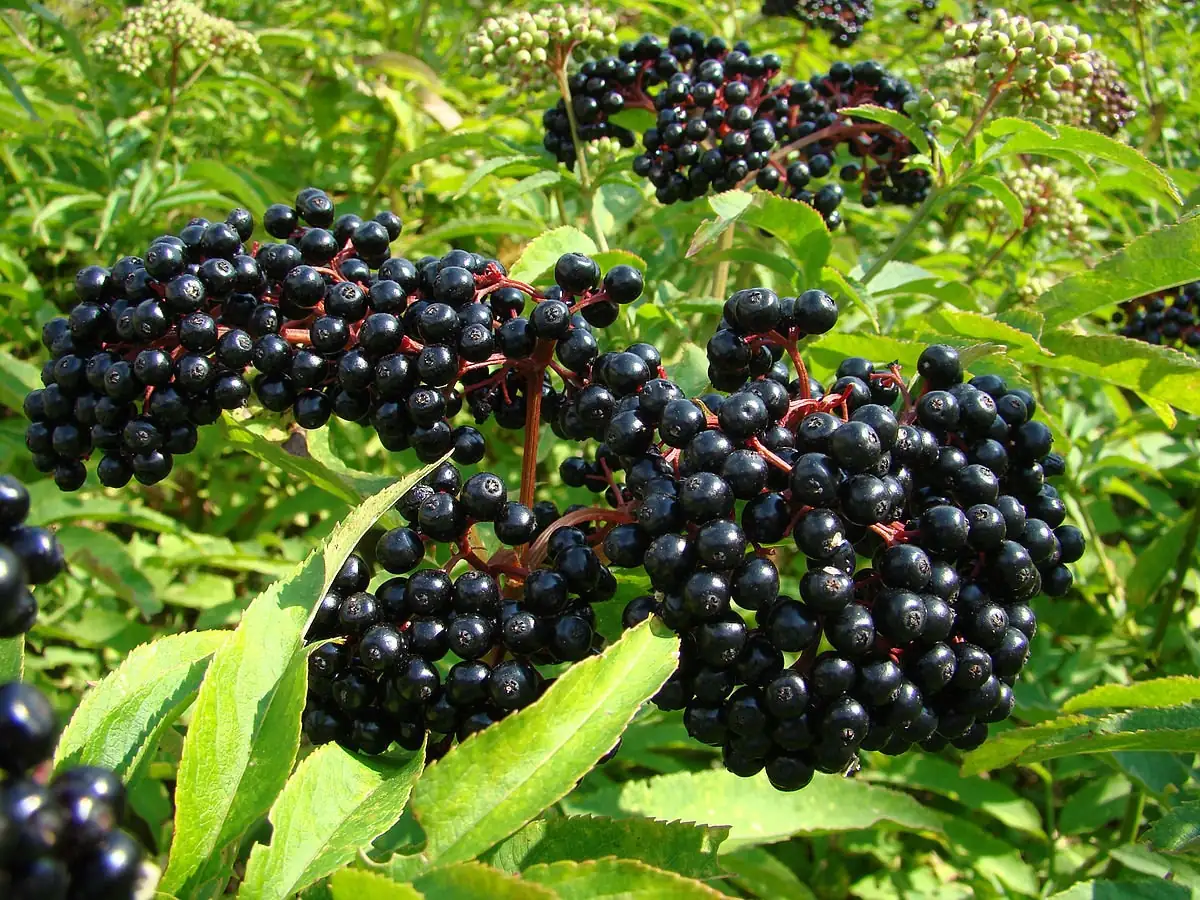
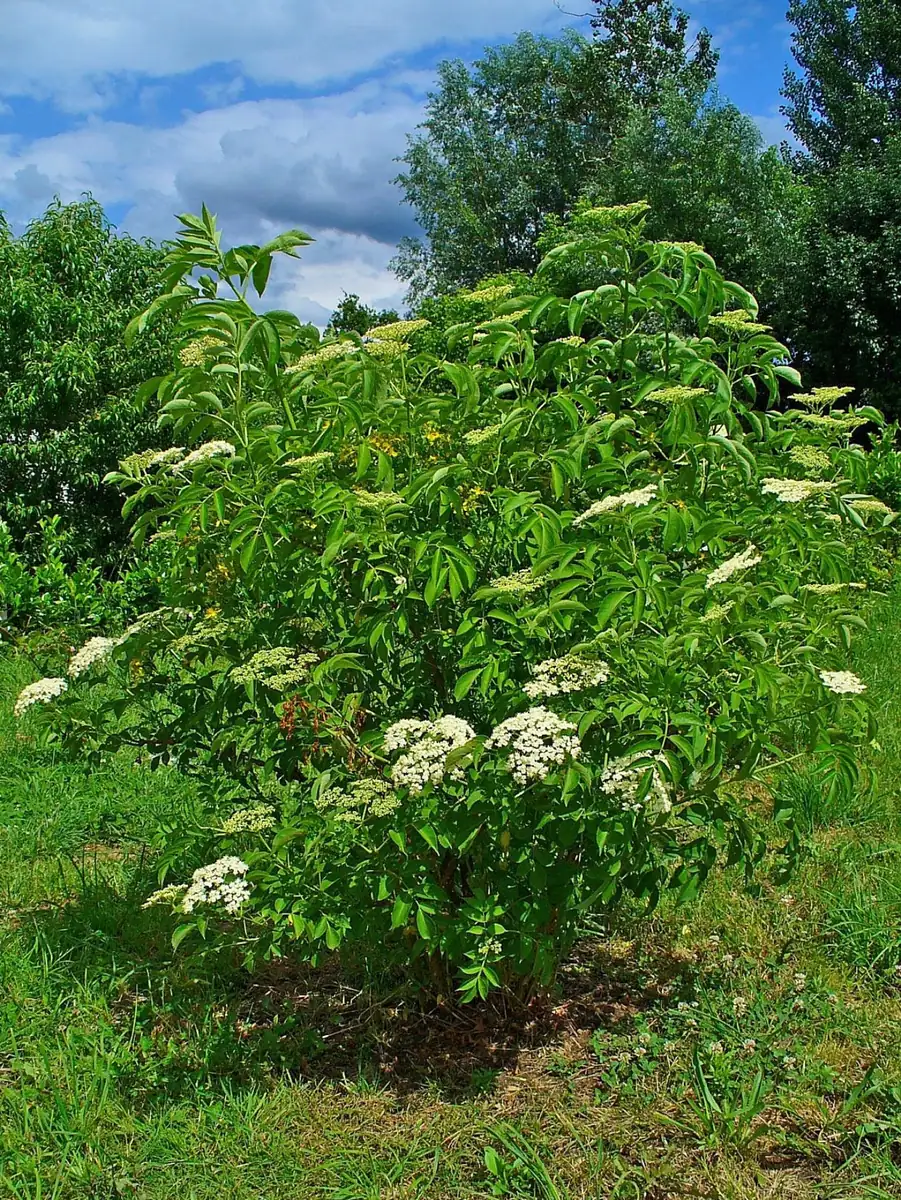
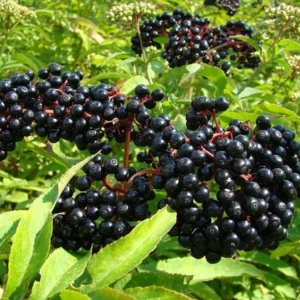
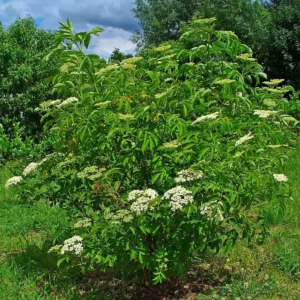
Introduce a magnificent and beneficial addition to your garden with the American Elderberry bareroot plant (Sambucus canadensis). This robust, cold-hardy shrub is renowned for its vigorous growth and bountiful yields. Thriving in a variety of conditions, it forms large bushes, reaching up to 10 feet in height, making it an excellent choice for naturalizing areas or creating a striking focal point in your landscape. The Sambucus canadensis is celebrated not only for its ornamental appeal but also for its practical uses, producing fragrant white flowers followed by clusters of edible, deep red-purple berries. This native plant is a magnet for local wildlife, including birds and mammals, who relish its fruit, and an essential resource for pollinators like bees and butterflies attracted to its blooms. Planting a cold hardy elderberry ensures a resilient and productive plant for many seasons.
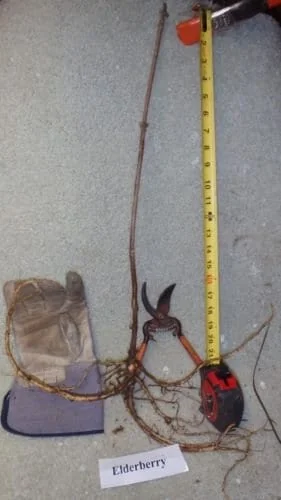
Our American Elderberry bareroot plant ships dormant, ready to be planted and establish strong roots in its new environment. These 12-18 inch bareroots are an economical and effective way to start your elderberry patch. American Elderberry is a deciduous shrub, meaning its stems may die back in winter, but new, vigorous shoots will emerge from the established root mass each spring, ensuring continuous growth and harvest. This makes it a sustainable and rewarding choice for gardeners looking for both beauty and utility in their outdoor spaces. Discover the joy of growing your own elderberries for culinary delights or simply to enhance your garden’s biodiversity.
Key Benefits
The American Elderberry bareroot plant offers a multitude of advantages for any garden. Its ease of care and adaptability make it a fantastic choice for both novice and experienced gardeners. Here are some of the key benefits you can expect:
- Pollinator Attraction: The large clusters of fragrant white flowers that bloom from June to August are a significant draw for essential pollinators, including bees and butterflies, contributing to a healthier garden ecosystem.
- Edible Fruit Production: Enjoy a harvest of delicious, deep red-purple berries that ripen in late summer. These berries are perfect for making jams, jellies, pies, wines, and syrups, offering a versatile culinary ingredient.
- Wildlife Support: The berries provide a vital food source for local birds and mammals, enhancing biodiversity and bringing natural beauty to your outdoor space.
- Cold Hardiness: This plant is incredibly resilient, thriving in USDA Zones 3-9, making it suitable for a wide range of climates and ensuring it can withstand colder temperatures.
- Low Maintenance: Once established, the Sambucus canadensis requires minimal care, tolerating various soil types and moisture levels. New shoots emerge readily from the root mass, ensuring consistent growth.
- Adaptable Growth: The American Elderberry bareroot plant can adapt to a range of sun exposures, from full sun to partial shade, and different soil moisture conditions, from medium-dry to medium-wet.
- Natural Landscaping: Its vigorous growth and attractive foliage make it an excellent choice for naturalized areas, hedgerows, or as a screening plant, adding structure and beauty to your landscape.
Plant Care & Growing Tips
Caring for your American Elderberry bareroot plant is straightforward, ensuring a healthy and productive shrub for years to come. These plants are remarkably resilient and forgiving, making them a great choice for various gardening skill levels. For optimal growth, choose a site that receives full to partial sun. Full sun encourages more abundant flowering and fruiting, while partial shade is also tolerated, especially in hotter climates. Ensure the soil is well-draining, but the elderberry is quite adaptable, thriving in medium-dry to medium-wet conditions. A balanced soil pH is generally preferred, but they are not overly particular.
When it comes to watering, consistent moisture is key, particularly during the first growing season after planting the Sambucus canadensis. Once established, elderberries are relatively drought-tolerant but will benefit from regular watering during prolonged dry spells. Fertilization can be done in early spring with a balanced slow-release fertilizer or compost to promote vigorous growth and fruit production. Pruning is best done in late winter or early spring while the plant is dormant. Remove any dead, damaged, or weak stems, and thin out older, less productive canes to encourage new growth. Remember, new shoots emerge from the root mass, so don’t be alarmed if some stems die back over winter; this is natural for a cold hardy elderberry.
Common problems are few for this hardy plant. Keep an eye out for common garden pests, though elderberries are generally pest-resistant. Diseases are also uncommon, especially with good air circulation and proper planting. The most crucial aspect of care is proper site selection and initial establishment. Following a good elderberry planting guide will help ensure success. With these simple tips, your elderberry will flourish, providing beauty, berries, and a haven for wildlife.
Size & Details
This offering includes two American Elderberry bareroot plant specimens, each measuring 12-18 inches in total length. Bareroot plants are shipped dormant, without soil, which allows for easier transplanting and a focus on root establishment. These plants are expected to grow into large bushes, reaching heights of up to 10 feet with a spread of 3-5 feet when mature. The growth rate is generally fast, with significant development in the first few years after planting. The optimal time for planting bareroot elderberries is during their dormant period, typically in late winter or early spring, before new growth begins.
The Sambucus canadensis will produce fragrant white flowers in June-July, followed by edible deep red-purple berries that ripen throughout late summer and early fall. Plant spacing should be 3-5 feet apart to allow for mature growth and good air circulation. These bareroots are a cost-effective way to establish a productive elderberry patch, offering a strong foundation for future growth and harvests. Detailed instructions for planting bareroots will be provided, ensuring you have all the information needed for a successful start to your cold hardy elderberry plants.
Frequently Asked Questions
- Q: How big will my American Elderberry plant get? A: The American Elderberry bareroot plant can grow quite large, typically reaching heights of up to 10 feet with a spread of 3-5 feet at maturity. Its size makes it suitable for larger garden spaces or naturalized areas.
- Q: Is this an indoor or outdoor plant? A: The American Elderberry bareroot plant is an outdoor shrub. It requires space to grow and is best suited for garden beds, hedgerows, or natural landscapes.
- Q: How much sunlight does the Sambucus canadensis need? A: For best flowering and fruiting, your Sambucus canadensis prefers full sun (at least 6 hours of direct sunlight per day), but it can also tolerate partial shade.
- Q: When is the best time to plant this bareroot elderberry? A: The ideal time for elderberry planting guide suggests is during late winter or early spring, while the plant is still dormant, before new foliage begins to emerge.
- Q: What condition will the bareroot plant arrive in? A: Your American Elderberry bareroot plant will arrive dormant, without leaves or soil, as a bundle of roots and stems. This is normal for bareroot plants and ensures successful transplanting.
- Q: Is the elderberry fruit edible? A: Yes, the deep red-purple berries produced by the cold hardy elderberry are edible and widely used in culinary applications like jams, jellies, pies, and syrups. However, they should be cooked before consumption.
- Q: Will this elderberry survive winter in my zone? A: The American Elderberry bareroot plant is cold hardy and thrives in USDA Zones 3-9, meaning it is well-equipped to survive cold winters within this range.
- Q: How often should I water my newly planted elderberry? A: During its first growing season, keep the soil consistently moist but not waterlogged. Once established, it becomes more drought-tolerant but benefits from watering during dry periods.
- Q: What type of soil does American Elderberry prefer? A: This plant is adaptable to various soil types but prefers well-draining soil with medium-dry to medium-wet moisture levels.
- Q: Is this plant good for attracting wildlife? A: Absolutely! The flowers attract bees and butterflies, and the berries are a favorite food source for birds and other small mammals, making it excellent for wildlife gardens.


Reviews
There are no reviews yet.