Overview
Embark on a rewarding gardening journey with our premium American hazelnut seeds (Corylus Avellana). These seeds offer the opportunity to grow a robust deciduous shrub native to the Eastern and Central United States, celebrated for its abundant and nutritious nuts. The American Hazelnut, also known as the Common Hazel, is not just a source of delectable nuts for human consumption but also a crucial food source for a wide array of wildlife, including squirrels, deer, turkey, woodpeckers, and pheasants. The male catkins provide a vital winter food staple for the ruffed grouse, making this plant an ecological asset. Growing Corylus Avellana seeds connects you with nature, providing both a sustainable food source and a haven for local fauna. Imagine harvesting your own fresh hazelnuts, knowing you’ve contributed to your local ecosystem.
Beyond its ecological benefits, the American Hazelnut holds significant culinary value. The nuts are highly prized for their rich, buttery flavor and are frequently used in gourmet desserts, expensive cakes, cookies, and candies. This makes growing your own American hazelnut seeds an excellent investment for any culinary enthusiast. Furthermore, the plant’s bark has traditional uses, historically employed to create poultices for closing cuts and wounds. With its dense, spreading, or spherical shape, the American Hazelnut is an attractive addition to any landscape, preferring full sun for optimal growth and nut production. Order your seeds today to attract and keep game in your area and enjoy the delicious harvest!
Key Benefits
Growing American hazelnut seeds offers a multitude of advantages for both your garden and the local environment. These versatile plants provide both aesthetic appeal and practical benefits:
- Attracts Wildlife: The nuts are a preferred mast for numerous animals, including squirrels, deer, turkey, woodpeckers, and pheasants, making your garden a vibrant wildlife sanctuary. The male catkins also serve as a crucial winter food for ruffed grouse.
- Culinary Delights: Harvest your own fresh, delicious hazelnuts ideal for desserts, cakes, cookies, and candies, adding a gourmet touch to your kitchen. These culinary hazelnut seeds yield nuts with exceptional flavor.
- Ecological Contribution: As a host plant for several butterfly and moth species, growing Corylus Avellana seeds supports local pollinator populations and biodiversity.
- Natural Medicinal Uses: Historically, the bark has been used to create poultices for cuts and wounds, highlighting its traditional versatility.
- Landscape Enhancement: The dense, spreading, or spherical form of the American Hazelnut shrub provides attractive landscaping, offering visual interest throughout the seasons.
- Sustainable Food Source: Establish a perennial source of nutritious nuts for your family and local wildlife, promoting self-sufficiency and environmental stewardship.
- Easy to Grow: With proper care, these seeds germinate and grow into resilient shrubs, making them suitable for gardeners of varying experience levels. You’ll learn how to grow American hazelnut with ease.
Plant Care & Growing Tips
To successfully cultivate your American hazelnut seeds, understanding their specific care requirements is essential. These shrubs thrive in conditions that mimic their native environment. For optimal growth and nut production, American Hazelnut prefers full sun, meaning at least 6-8 hours of direct sunlight per day. While they can tolerate some partial shade, nut yields may be reduced. When it comes to soil, well-draining, fertile soil is ideal. They are adaptable to a range of soil types, including sandy, loamy, and clay soils, as long as drainage is adequate. Avoid heavily compacted or waterlogged soils, which can lead to root rot. Regular watering is crucial during the establishment phase, ensuring the soil remains consistently moist but not saturated. Once established, American Hazelnuts are relatively drought-tolerant but will benefit from supplemental watering during prolonged dry spells.
The ideal temperature range for growing Corylus Avellana seeds spans from cool winters to warm summers, making them suitable for a wide range of temperate climates. They are hardy and can withstand cold temperatures. Fertilization can be beneficial, especially in poorer soils. A balanced slow-release fertilizer applied in early spring can support vigorous growth and nut development. Pruning is generally minimal, focusing on removing dead, damaged, or crossing branches to maintain good air circulation and shape. American Hazelnuts are relatively resistant to pests and diseases, but monitoring for common issues like powdery mildew or aphid infestations can help maintain plant health. Learning to grow American hazelnut successfully involves patience and attention to these basic needs, ensuring a bountiful harvest and a healthy shrub.
Size & Details
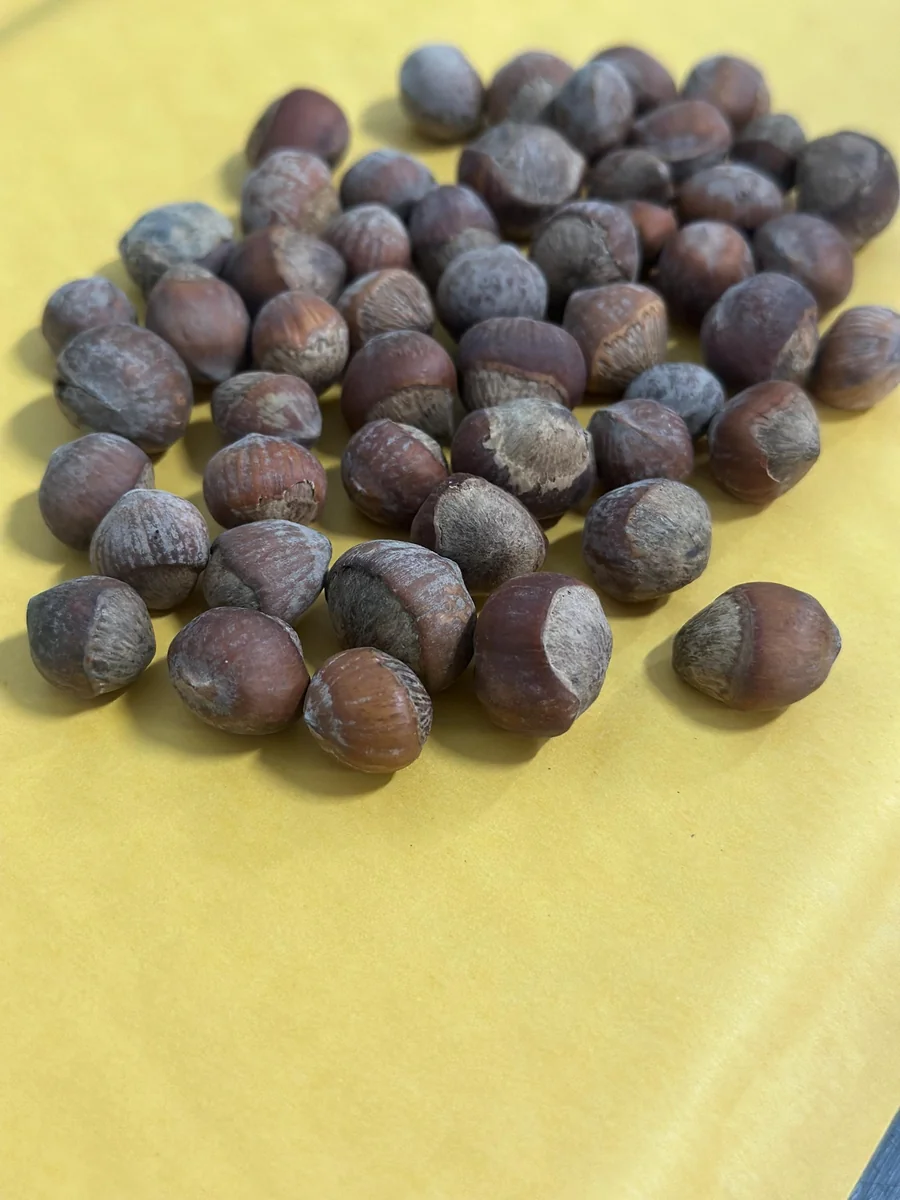
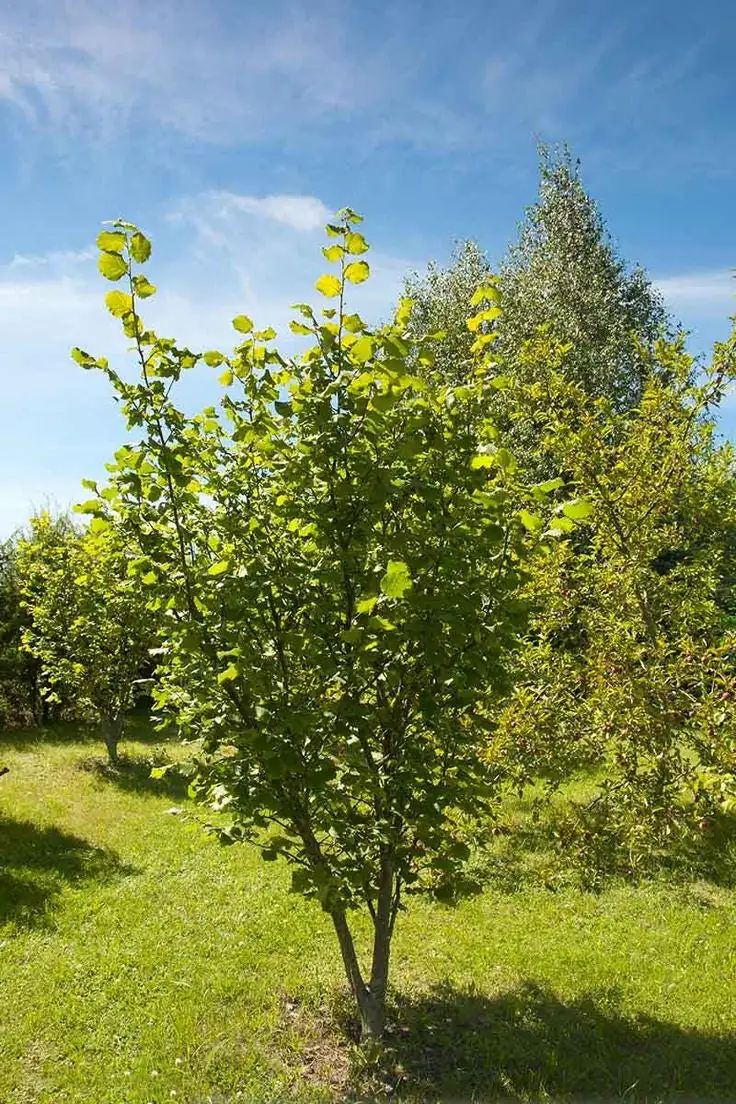
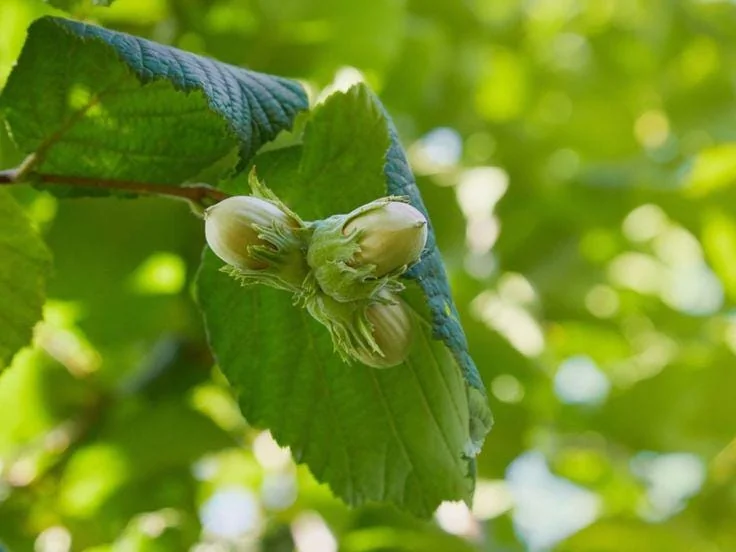
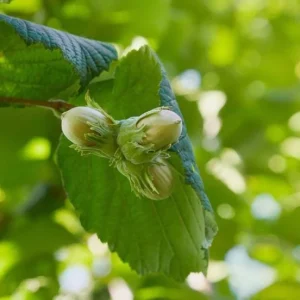
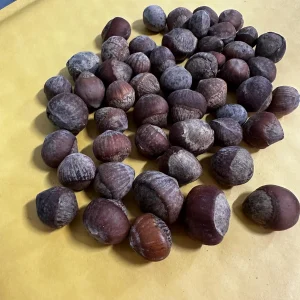
The American Hazelnut (Corylus Avellana) typically grows as a multi-stemmed shrub, reaching an average height of 10 to 16 feet and an equal spread, forming a dense, spreading, or spherical shape. These American hazelnut seeds will develop into plants that begin producing nuts within 3 to 5 years after planting, with full production achieved in 7 to 10 years. The nuts themselves are rounded, brown, and encased in ruffled husks, ripening in late summer to early fall. Each seed packet contains a generous quantity of fresh, viable seeds, ready for stratification and planting. These seeds are intended for direct planting and will require proper stratification to ensure successful germination. The shrub exhibits good vigor and a moderate growth rate, making it a rewarding long-term addition to your garden or homestead.
Frequently Asked Questions
- Q: How big does this plant get? A: The American Hazelnut typically grows into a multi-stemmed shrub, reaching an average height of 10 to 16 feet with a similar spread. Its dense, spreading form makes it an attractive landscape plant.
- Q: Is this an indoor or outdoor plant? A: The American Hazelnut is an outdoor deciduous shrub, best suited for garden planting. It requires ample space and sunlight to thrive and produce nuts.
- Q: How much sunlight does it need? A: For optimal growth and nut production, American Hazelnut prefers full sun, meaning at least 6-8 hours of direct sunlight daily. It can tolerate partial shade, but nut yields may decrease.
- Q: Is this plant easy to care for? A: Yes, once established, the American Hazelnut is relatively low-maintenance. It is adaptable to various soil types and generally pest-resistant, making it a good choice for gardeners looking to grow American hazelnut.
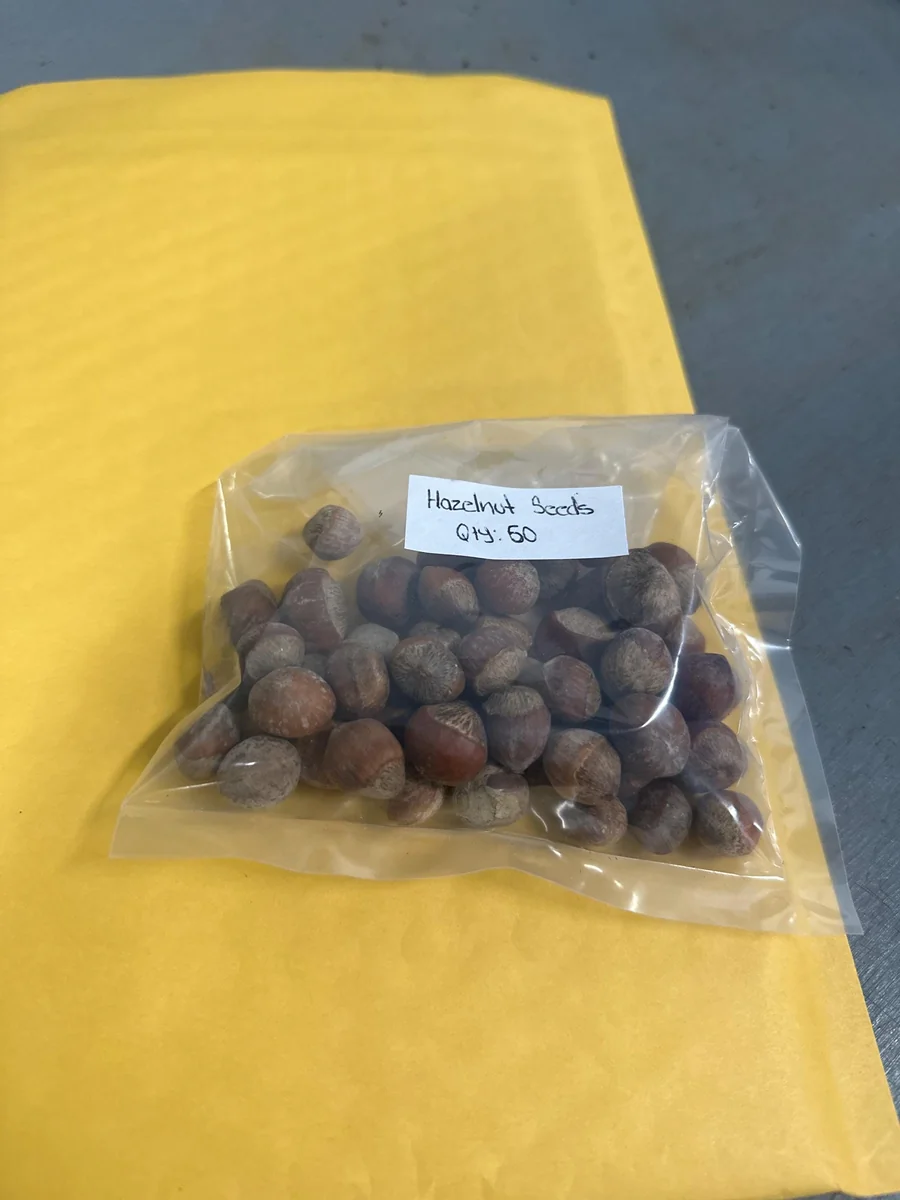
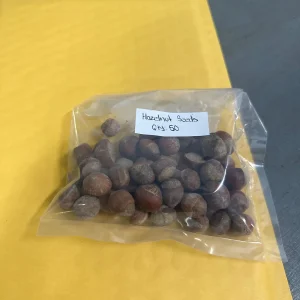
- Q: What condition will the seeds arrive in? A: Your American hazelnut seeds will arrive fresh and ready for stratification, which is a necessary step to promote germination. Detailed instructions for stratification will typically be provided.
- Q: How long until it produces nuts? A: American Hazelnut shrubs typically begin producing nuts within 3 to 5 years after planting, with full production usually achieved in 7 to 10 years. This makes them a great long-term investment.
- Q: Can I use these nuts for baking? A: Absolutely! These culinary hazelnut seeds will yield delicious nuts perfect for baking, desserts, cakes, cookies, and candies. They are highly prized for their rich flavor.
- Q: What USDA hardiness zones are suitable for these seeds? A: American Hazelnut is generally hardy in USDA Zones 4-9, making it suitable for a wide range of temperate climates. Always check your specific zone to ensure compatibility.
- Q: Do I need more than one plant for nut production? A: While American Hazelnut is monoecious (having both male and female flowers on the same plant), planting multiple shrubs can significantly increase cross-pollination and lead to a much higher nut yield. This is key for maximizing your harvest of Corylus Avellana seeds.
- Q: When is the best time to plant American hazelnut seeds? A: After proper cold stratification, the best time to plant American hazelnut seeds is in early spring, once the danger of hard frost has passed. This allows the seedlings ample time to establish before the heat of summer.


Reviews
There are no reviews yet.