Overview
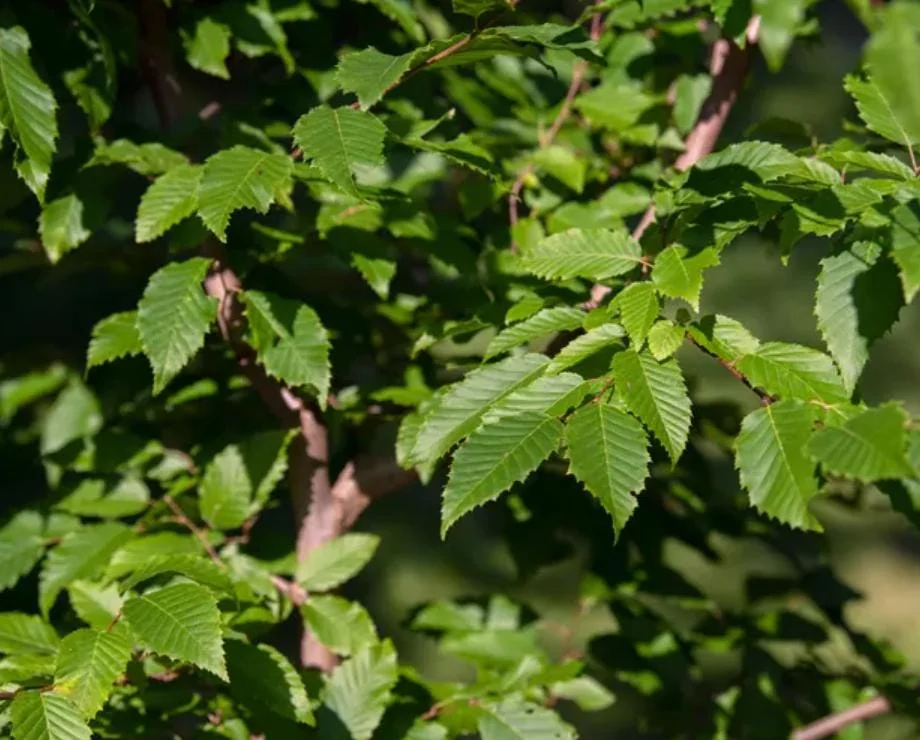
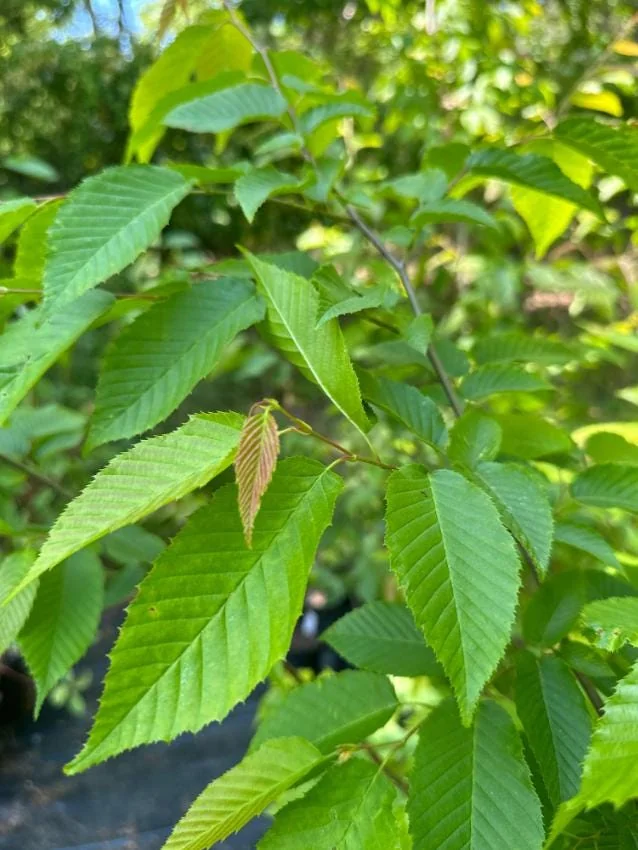
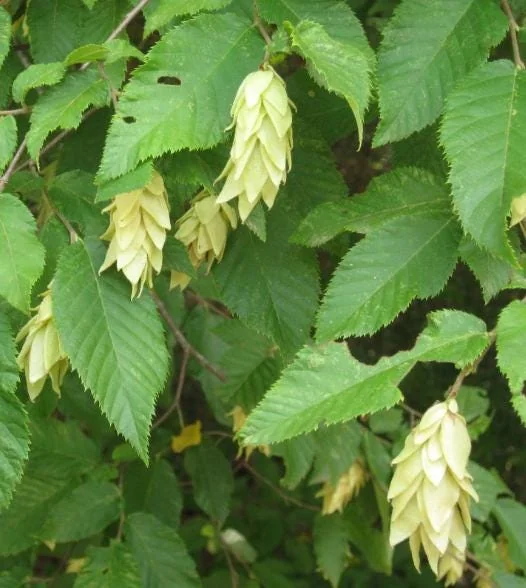
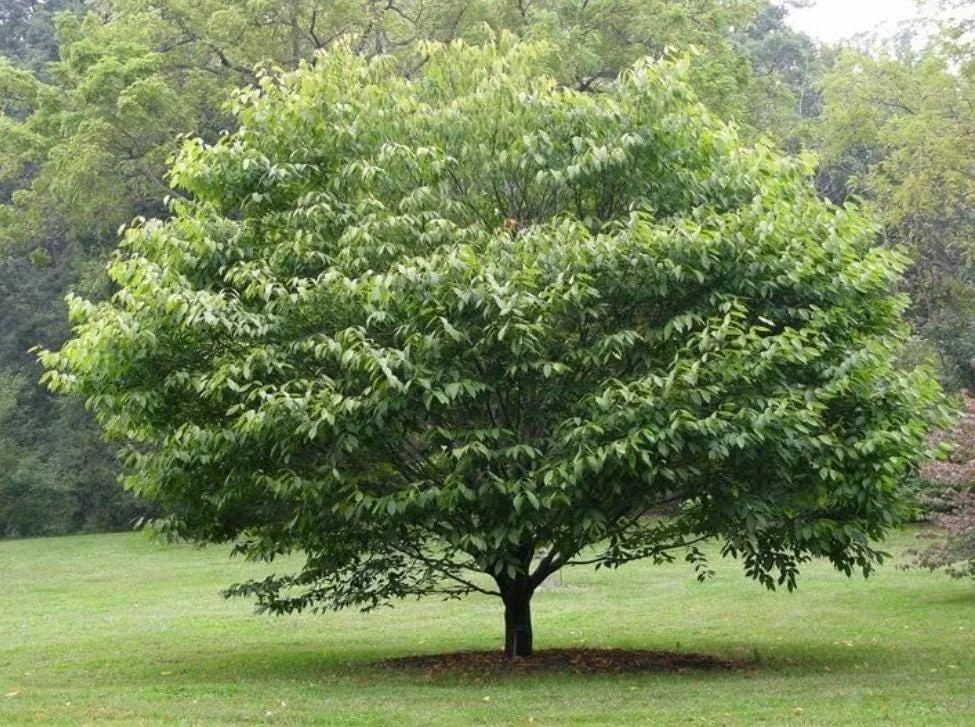
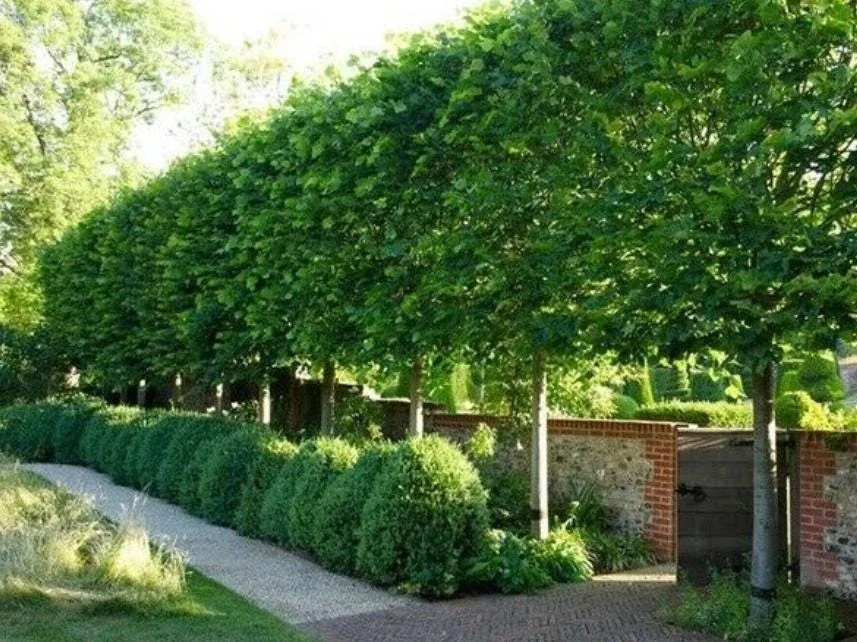
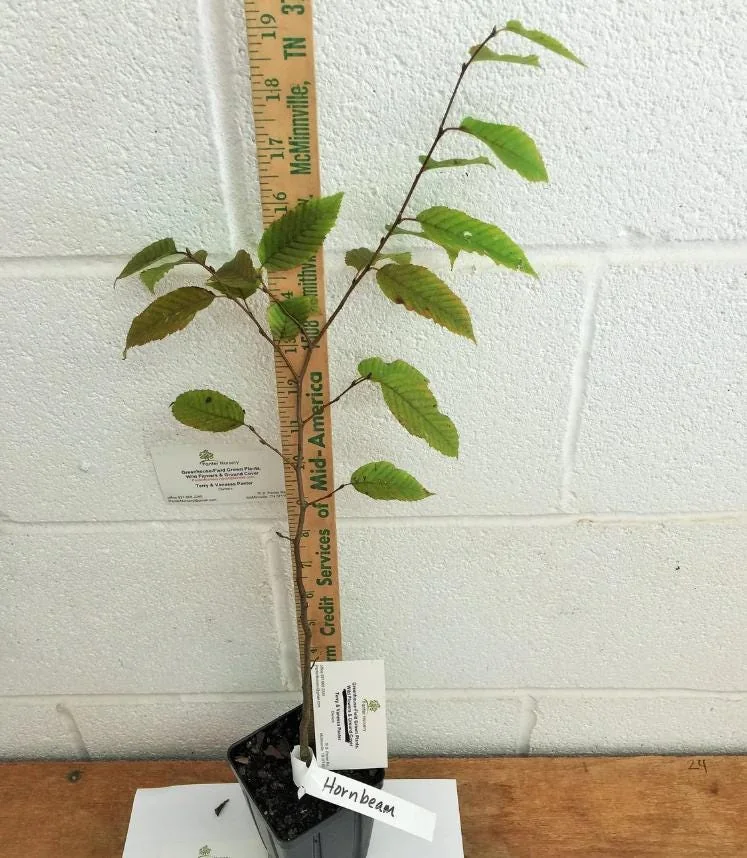
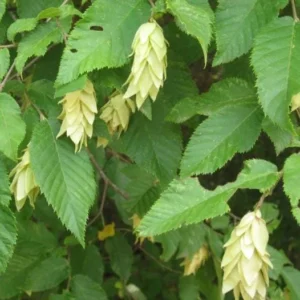
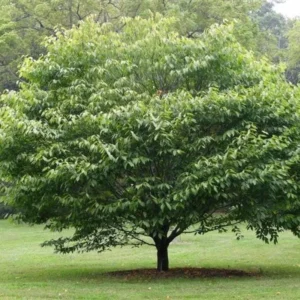
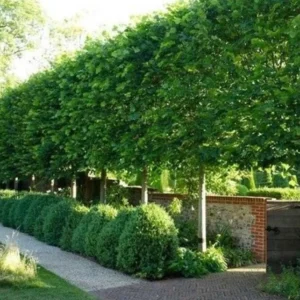
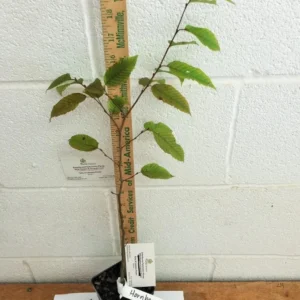
Introduce natural elegance to your landscape with the American Hornbeam live plant (Carpinus caroliniana). Also widely known as Musclewood tree or Blue Beech plant, this graceful native deciduous tree is celebrated for its distinctive smooth, muscular-looking gray bark and a dense, inviting canopy. Perfect for those seeking a durable and aesthetically pleasing addition, the American Hornbeam live plant not only enhances the beauty of your property but also plays a vital role in supporting local wildlife and preserving native ecosystems. As a slow-growing, compact native shade tree, it is an excellent choice for a variety of settings, including residential landscapes, tranquil woodland gardens, and naturalized areas where it can truly thrive. This particular specimen arrives as a healthy 6-12 inch tall plant, ready to establish itself and grow into a magnificent feature in your garden.
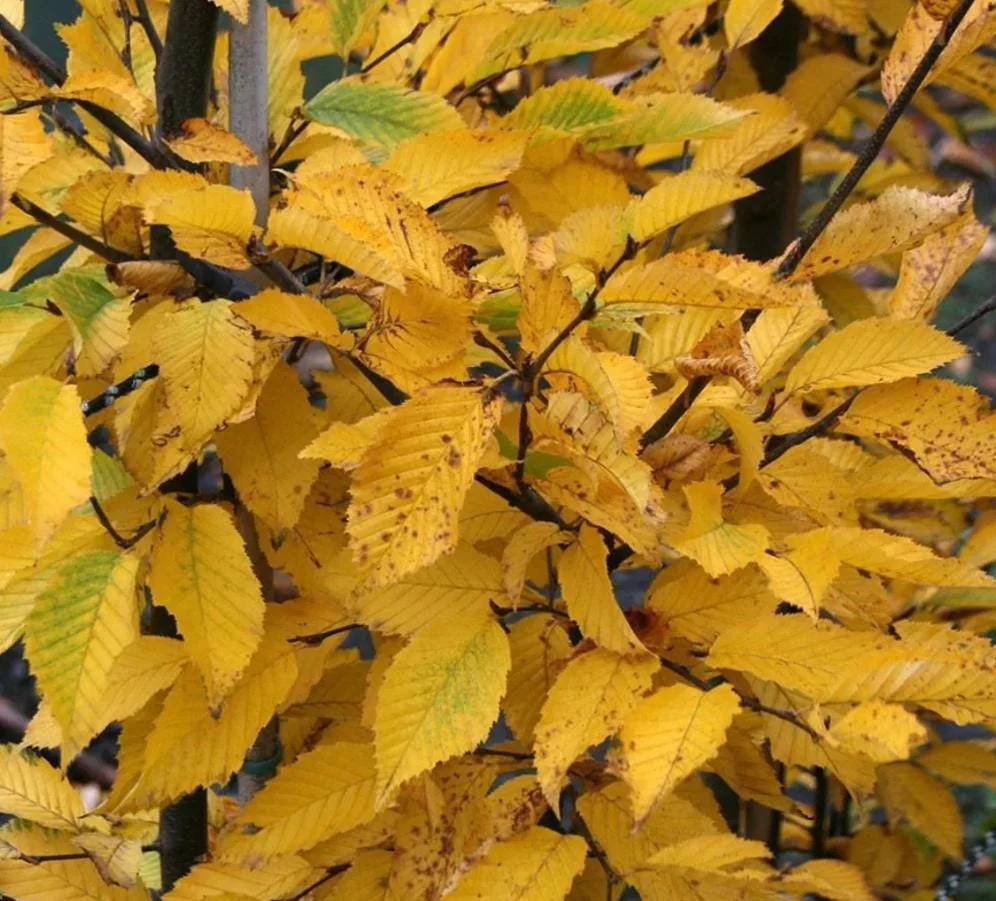
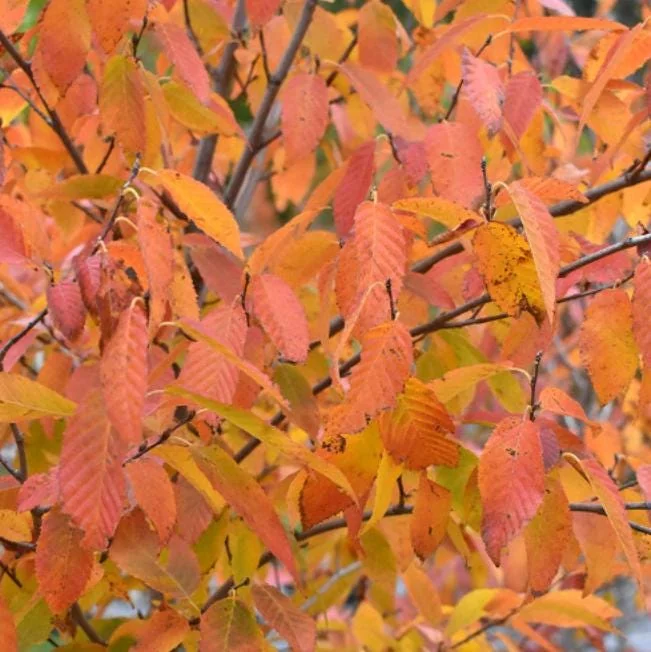
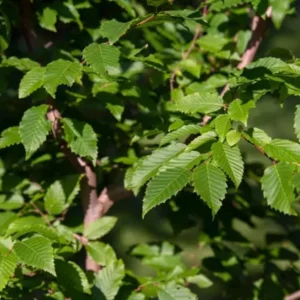
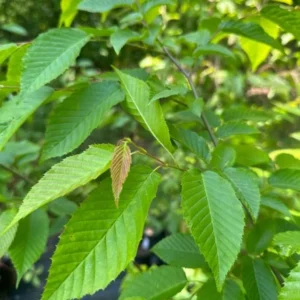
The Carpinus caroliniana tree is a true standout, offering year-round visual appeal. Its lush green foliage provides ample shade during warmer months, creating a cool and inviting outdoor space. As autumn approaches, the leaves transform into a breathtaking display of yellow, orange, and red hues, adding vibrant seasonal interest long after many other trees have faded. This makes the native shade tree a valuable asset for any homeowner looking to maximize their garden’s beauty and ecological contribution. Shipped carefully in a 1 quart pot, your new American Hornbeam live plant is prepared for planting and ready to begin its journey in your garden.
Key Benefits
The American Hornbeam live plant offers a multitude of advantages, making it an excellent choice for diverse landscape designs. Its robust nature and aesthetic appeal contribute significantly to any garden or naturalized area.
- Exceptional Shade Provider: With its dense canopy, the American Hornbeam live plant casts ample shade, creating cool, comfortable areas in your yard during hot summer months. This reduces cooling costs and provides a pleasant outdoor retreat.
- Unique Bark Texture: Known as Musclewood tree for its distinctive, smooth, sinuous gray bark, this tree adds unique textural interest to the landscape, especially prominent in winter when leaves have dropped. This characteristic sets it apart from other deciduous trees.
- Stunning Fall Foliage: The foliage of the Carpinus caroliniana tree transitions into brilliant shades of yellow, orange, and red in autumn, providing spectacular seasonal color and enhancing your garden’s visual appeal. This vibrant display adds dynamic beauty to your property.
- Wildlife Support: As a native shade tree, it supports local ecosystems by providing food and shelter for birds and other wildlife, contributing to biodiversity in your garden. Its presence helps create a healthy, balanced environment.
- Adaptable and Hardy: The Musclewood tree is remarkably adaptable to various soil conditions and climates, thriving in USDA zones 3-9. It tolerates cold winters and humid summers, making it a reliable choice for many regions.
- Low Maintenance: Once established, the American Hornbeam live plant is relatively low-maintenance, requiring minimal care and proving moderately drought-tolerant. This makes it an ideal option for gardeners seeking beauty without constant upkeep.
- Ideal for Landscaping: Its compact growth habit and natural beauty make it perfect for residential landscapes, woodland gardens, and understory planting, fitting seamlessly into various design schemes. It grows into a graceful and manageable size.
Plant Care & Growing Tips
Caring for your American Hornbeam live plant is straightforward, ensuring it thrives and becomes a beautiful addition to your landscape. This resilient native shade tree is hardy in USDA zones 3–9, demonstrating excellent tolerance for both cold winters and humid summers. When selecting a planting site, consider its sunlight requirements: it performs well in full sun to partial shade. As an understory tree, it can also thrive with less direct light, making it versatile for different garden areas. Aim for at least 4-6 hours of direct sunlight for optimal growth, although it can adapt to shadier spots.
Soil conditions are crucial for the health of your Carpinus caroliniana tree. It prefers moist, well-drained soil, but is quite adaptable to various types, including loamy, sandy, or clay soils. An ideal pH range is slightly acidic to neutral. Ensure the planting site has good drainage to prevent root rot. Watering is essential, especially during the establishment phase; water regularly to keep the soil consistently moist but not waterlogged. Once established, the Musclewood tree becomes moderately drought-tolerant, requiring less frequent watering. Fertilization can be done in early spring with a balanced, slow-release fertilizer designed for trees and shrubs, following package instructions.
The best time for planting your Blue Beech plant is in early spring or fall while the tree is dormant. This allows the root system to establish without the stress of extreme temperatures. When planting, space trees 15–25 feet apart to give them ample room to spread and develop their full, graceful form. Common problems are few for this robust tree, but watch for signs of stress like yellowing leaves, which could indicate overwatering or nutrient deficiency. Proper site selection and consistent care will ensure your American Hornbeam live plant flourishes for years to come.
Size & Details
This offering is for one American Hornbeam live plant, which stands approximately 6-12 inches tall from the top of the soil. It is carefully grown and shipped in a 1 quart nursery pot, providing a healthy root system ready for transplanting into your garden. The slow-growing nature of the Carpinus caroliniana tree means it will develop into a compact yet stately specimen, typically reaching a mature height of 20-30 feet with a spread of 15-20 feet over many years. This makes it an excellent choice for smaller landscapes or areas where a modest-sized shade tree is desired.
Each native shade tree is freshly dug after payment to ensure you receive the healthiest and most vigorous plant possible. Roots will be securely wrapped with a bit of soil and moist newspaper, then placed in a plastic bag for priority shipping, minimizing stress during transit. While the plant is young, it already exhibits the characteristic muscular bark that will become more pronounced with age. Expect strong growth once established in its new home, with its beautiful fall color developing as it matures. The American Hornbeam live plant is a long-term investment in your landscape’s beauty and ecological health.
Frequently Asked Questions
- Q: How big does this plant get and what size pot does it come in? A: This American Hornbeam live plant is 6-12 inches tall and comes in a 1 quart pot. At maturity, it typically reaches 20-30 feet tall with a spread of 15-20 feet, making it a medium-sized shade tree.
- Q: Is this an indoor or outdoor plant, and how much sunlight does it need? A: The Carpinus caroliniana tree is an outdoor plant. It thrives in full sun to partial shade, meaning it needs at least 4-6 hours of direct sunlight daily for optimal growth, but can also perform well as an understory tree.
- Q: Is this plant easy to care for, and is it good for beginners? A: Yes, the Musclewood tree is relatively easy to care for, especially once established. It’s adaptable to various soil types and moderately drought-tolerant, making it a good choice for beginner gardeners.
- Q: What condition will the American Hornbeam live plant arrive in? A: Your plant will arrive healthy, with roots wrapped in moist newspaper and soil, secured in a plastic bag for priority shipping. It may be dormant and leafless if shipped during cooler months, which is normal.
- Q: When is the best time to plant this native shade tree? A: The best time to plant the American Hornbeam live plant is in early spring or fall when the tree is dormant. This allows its root system to establish without the stress of extreme temperatures.
- Q: Will it survive winter in my zone, and what’s the minimum temperature it can tolerate? A: This tree is hardy in USDA zones 3–9, meaning it can tolerate cold winters and humid summers. It is well-suited for a wide range of climates across the Eastern United States.
- Q: What type of soil does the Blue Beech plant prefer? A: The Blue Beech plant prefers moist, well-drained soil but is adaptable to loamy, sandy, or clay soils. A slightly acidic to neutral pH is ideal for its growth.


Reviews
There are no reviews yet.