Overview
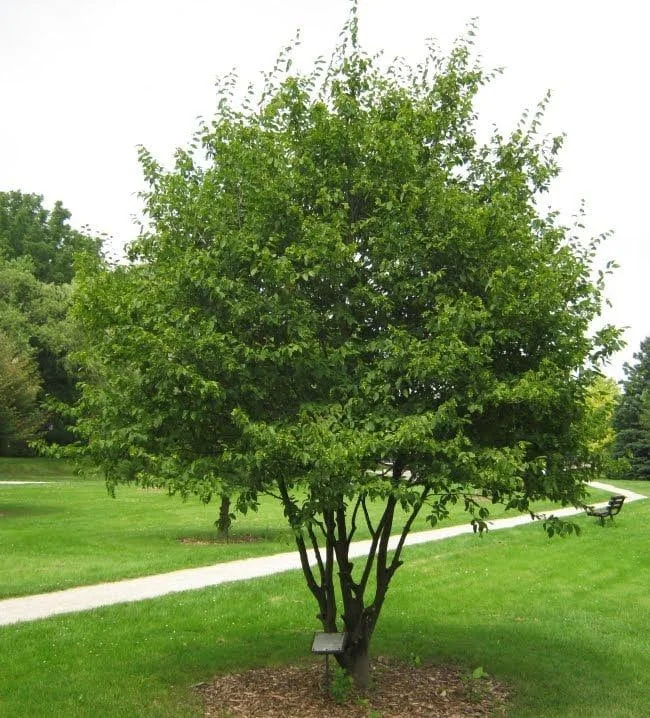
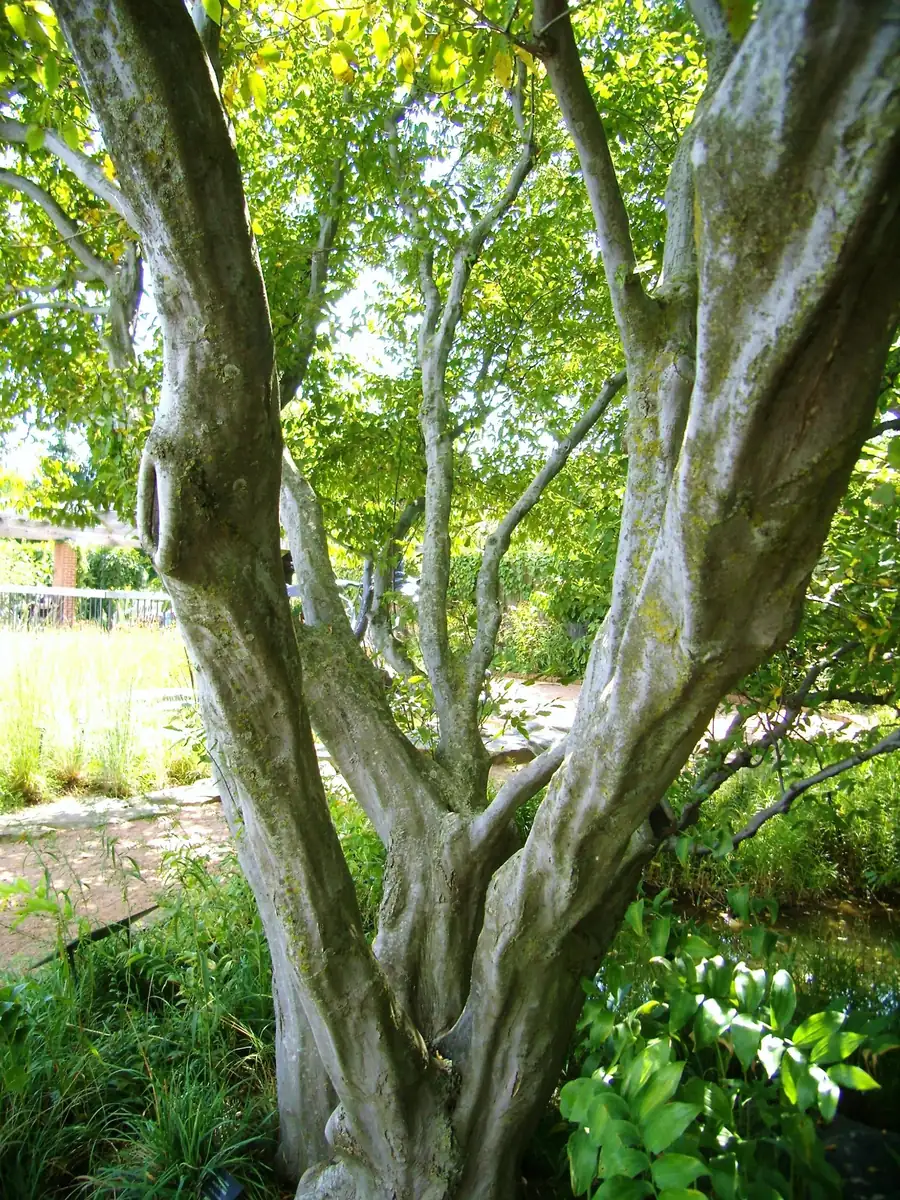
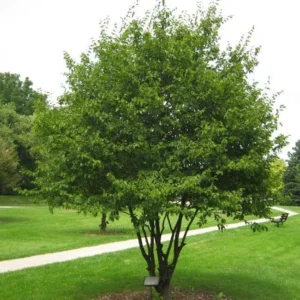
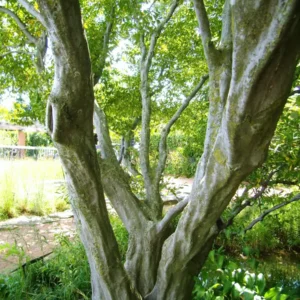
Introduce a touch of native American beauty to your landscape with the American Hornbeam live plant. Also known by its botanical name, Carpinus caroliniana, or by common names like Ironwood, Musclewood, or Blue-Beech, this deciduous tree is celebrated for its distinctive appearance and ecological value. This particular offering provides a healthy specimen in a quart pot, ensuring a robust start for your new tree. The American Hornbeam live plant is a slow-growing, small to medium-sized tree that can reach heights of 35-50 feet, making it suitable for various garden sizes and designs. Its unique fluted or ‘muscled’ trunk provides year-round visual interest, while its dense canopy offers excellent shade and habitat for local wildlife. With its beautiful fall color, ranging from yellow to orange and red, the Carpinus caroliniana tree is a fantastic addition to any garden seeking both aesthetic appeal and environmental benefit. Originating from the eastern United States, the American Hornbeam live plant is a hardy and adaptable species, thriving in a range of conditions. It’s an ideal choice for naturalized areas, woodland gardens, or as an understory tree in larger landscapes. Its ability to tolerate various soil types and light conditions, once established, makes it a resilient choice for both novice and experienced gardeners. This quart pot tree arrives ready for planting, offering a convenient way to integrate this valuable native species into your outdoor space.
Key Benefits
The American Hornbeam live plant offers a multitude of benefits, making it a highly desirable choice for diverse landscape applications. Its unique characteristics contribute significantly to both the beauty and ecological health of your garden.
- Distinctive Year-Round Appeal: The most striking feature of the American Hornbeam live plant is its smooth, gray bark and uniquely fluted, muscle-like trunk. This creates a strong architectural presence in the winter landscape, even after its leaves have fallen. Its dense, oval crown provides lush green foliage throughout the spring and summer, adding continuous visual interest.
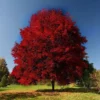
- Vibrant Fall Color: As autumn approaches, the leaves of the Carpinus caroliniana tree transform into stunning shades of yellow, orange, and red, providing a spectacular seasonal display that enhances any garden or yard and provides a focal point.
- Adaptable and Hardy: This native tree is incredibly resilient, thriving in a wide range of conditions from full sun to partial shade and tolerating various soil types, including clay. It is suitable for USDA Zones 3-9, making it a versatile choice for many regions and climates.
- Wildlife Habitat: The dense canopy and catkins of the American Hornbeam live plant provide valuable food and shelter for birds and other small wildlife, contributing to the biodiversity of your garden ecosystem and attracting beneficial creatures.
- Low Maintenance: Once established, Musclewood tree care is relatively minimal. It is naturally resistant to many pests and diseases and does not require extensive pruning, making it an easy-care option for busy gardeners seeking a robust addition.
- Excellent Shade Tree: Its compact size and dense foliage make it an ideal choice for a small to medium-sized shade tree, perfect for patios, courtyards, or as an understory tree in a larger woodland setting, offering cool relief.
- Erosion Control: The strong root system of the Carpinus caroliniana tree helps to stabilize soil, making it beneficial for erosion control on slopes or along streambanks, providing both aesthetic and practical benefits.
Plant Care & Growing Tips
Caring for your American Hornbeam live plant is straightforward, especially once it’s established in your garden. This hardy native tree is known for its resilience and adaptability. When selecting a site, consider its mature size and spread. The Carpinus caroliniana tree prefers a location with full sun to partial shade. In hotter climates, some afternoon shade can be beneficial to prevent leaf scorch. It is adaptable to a variety of soil conditions but performs best in moist, well-drained soil rich in organic matter. While it can tolerate clay soils, ensure there is no standing water as it does not like wet feet. Mulching around the base of the tree with a 2-3 inch layer of organic material will help retain soil moisture, regulate soil temperature, and suppress weeds. Watering is crucial during the establishment phase. For the first year or two after planting your quart pot tree, provide regular, deep watering, especially during dry spells. Once established, the American Hornbeam live plant is quite drought-tolerant, though supplemental watering during prolonged dry periods will promote healthier growth. Fertilization is generally not necessary in rich soils, but if your soil is poor, a balanced slow-release fertilizer can be applied in early spring. Pruning should be minimal, primarily for removing dead, damaged, or crossing branches to maintain a strong structure. The Musclewood tree care routine is designed for ease, allowing you to enjoy its beauty with minimal effort. This native shade tree is a robust choice for a lasting landscape.
Size & Details
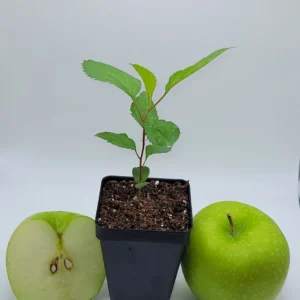
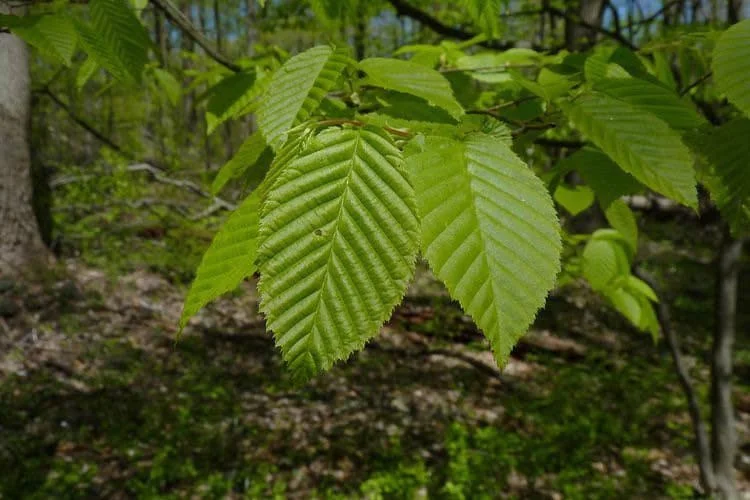
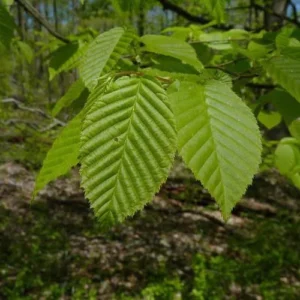
This offering includes one healthy American Hornbeam live plant, meticulously nurtured and shipped in a quart pot. The plant’s current height will vary based on growth cycle and time of year, typically ranging from 9-18 inches upon arrival, providing a vigorous young tree ready for transplanting. American Hornbeam (Carpinus caroliniana) is a slow to medium grower, eventually reaching a mature height of 35-50 feet with a spread of 20-30 feet, though it can be kept smaller with strategic pruning. It develops a strong, fluted trunk and a dense, rounded canopy. The leaves are alternate, 3–12 centimeters long, with prominent veins and a serrated margin, developing into spectacular fall colors. This native shade tree is perfect for adding structure and seasonal interest to your garden. Plant in spring or fall for best establishment, and expect to see steady growth as it settles into its new environment.
Frequently Asked Questions
- Q: How big does this American Hornbeam live plant get? A: The American Hornbeam live plant typically grows to a mature height of 35-50 feet and a spread of 20-30 feet, though its growth rate is considered slow to medium. It can be maintained at a smaller size with proper pruning.
- Q: Is this an indoor or outdoor plant? A: The Carpinus caroliniana tree is an outdoor plant, native to North America. It is designed to thrive in garden landscapes, woodlands, or as a specimen tree.
- Q: How much sunlight does the Ironwood tree need? A: This native shade tree performs best in full sun to partial shade. In regions with intense summer heat, some afternoon shade can be beneficial to protect its foliage.
- Q: Is this plant easy to care for? A: Yes, Musclewood tree care is relatively easy once the plant is established. It is known for its hardiness, disease resistance, and adaptability to various soil conditions, making it a good choice for gardeners of all experience levels.
- Q: What condition will the quart pot tree arrive in? A: Your quart pot tree will arrive as a healthy, live specimen, carefully packaged to ensure its safe journey. It will be rooted in its pot, ready for transplanting into your garden.
- Q: When is the best time to plant the American Hornbeam? A: The ideal time to plant your American Hornbeam live plant is in the spring after the last frost, or in the early fall before the ground freezes. This allows the tree to establish its root system before extreme temperatures.
- Q: Will the Carpinus caroliniana tree survive winter in my zone? A: Yes, the Carpinus caroliniana tree is very cold hardy and thrives in USDA Zones 3-9, making it suitable for a wide range of climates and capable of withstanding cold winters.
- Q: What type of soil does the American Hornbeam prefer? A: While adaptable, the American Hornbeam live plant prefers moist, well-drained soil that is rich in organic matter. It can tolerate clay soils but dislikes consistently waterlogged conditions.
- Q: Does this native shade tree produce flowers or fruit? A: Yes, the American Hornbeam live plant produces male and female catkins in spring. These are followed by small, distinctive nutlets partially enclosed by leafy bracts, which mature in autumn and are a food source for wildlife.


Reviews
There are no reviews yet.