Overview
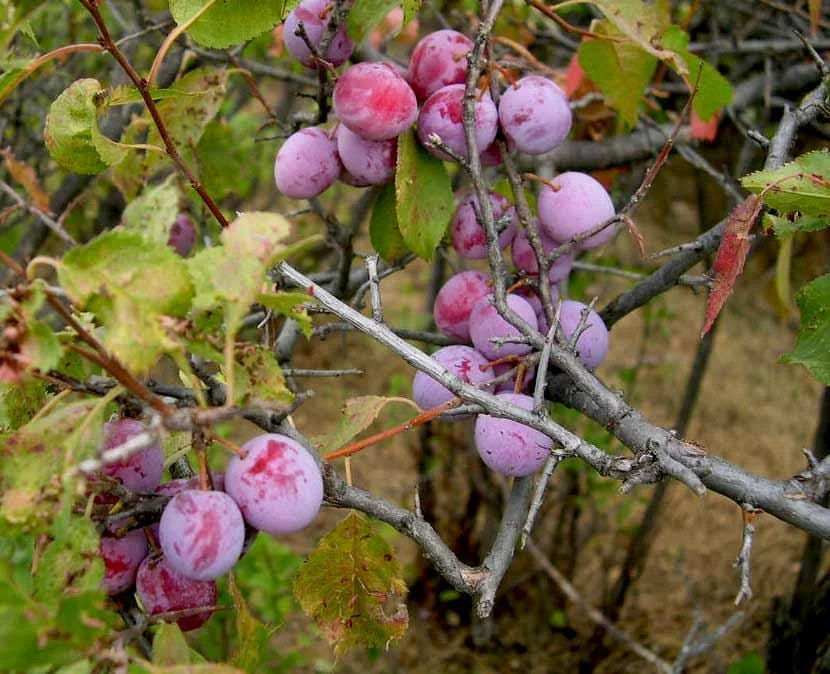
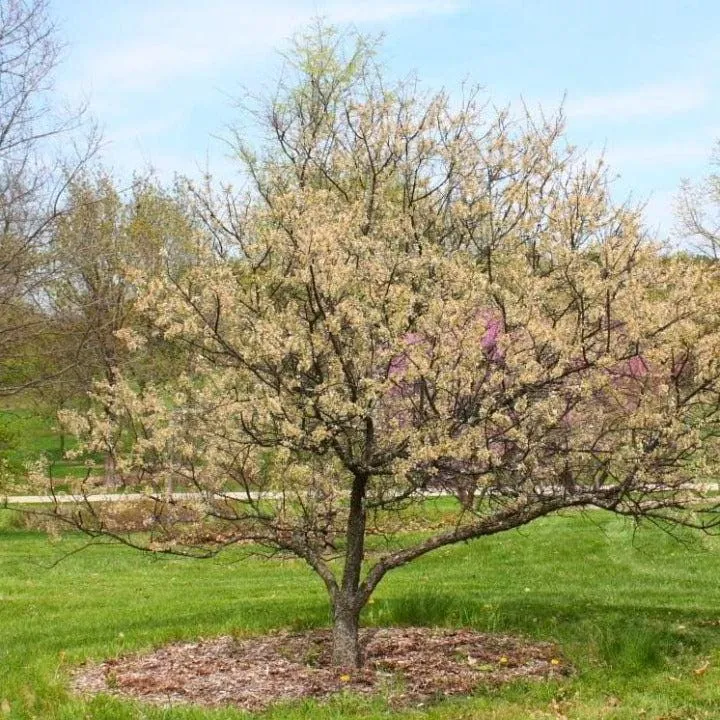
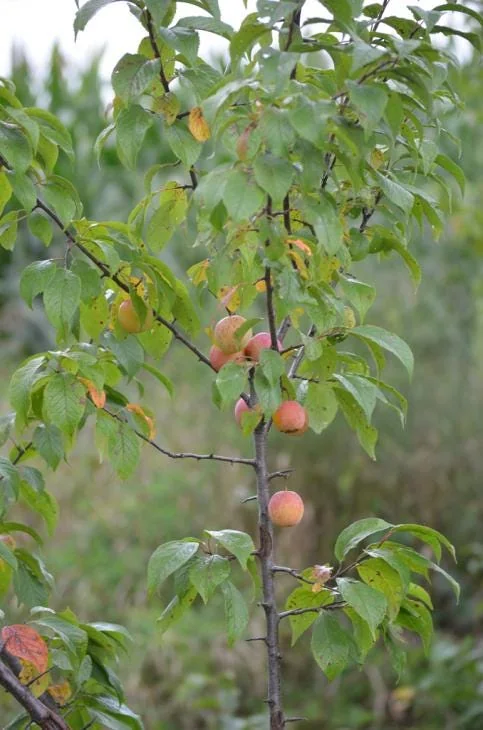
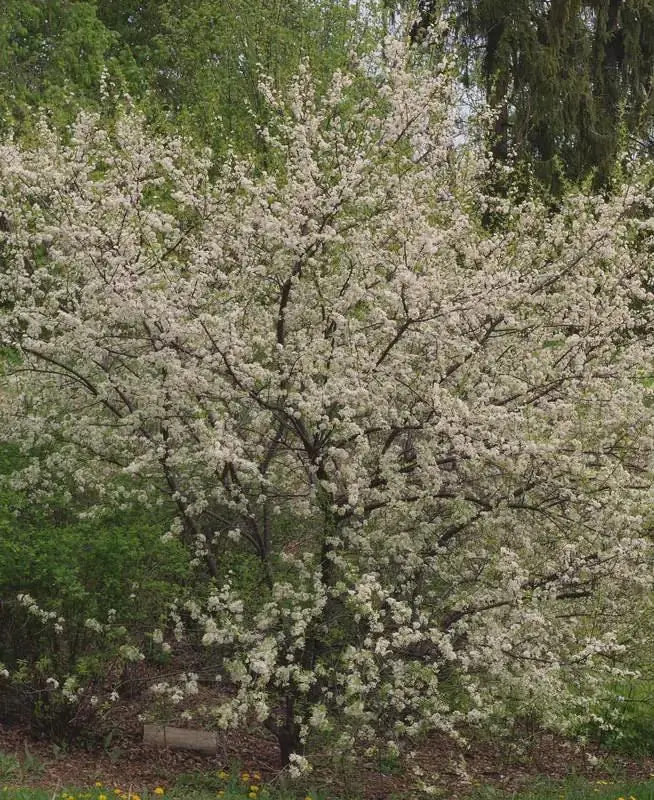
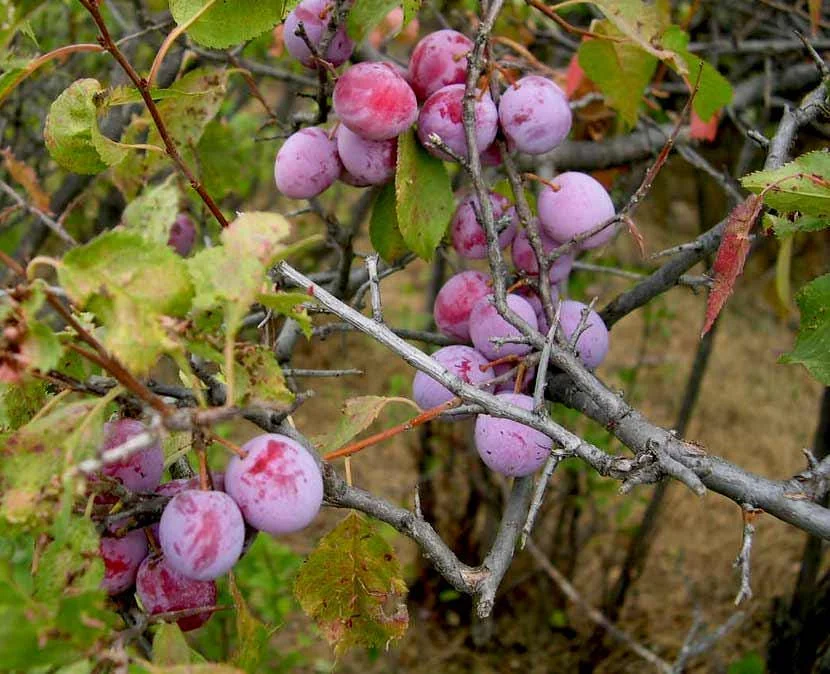
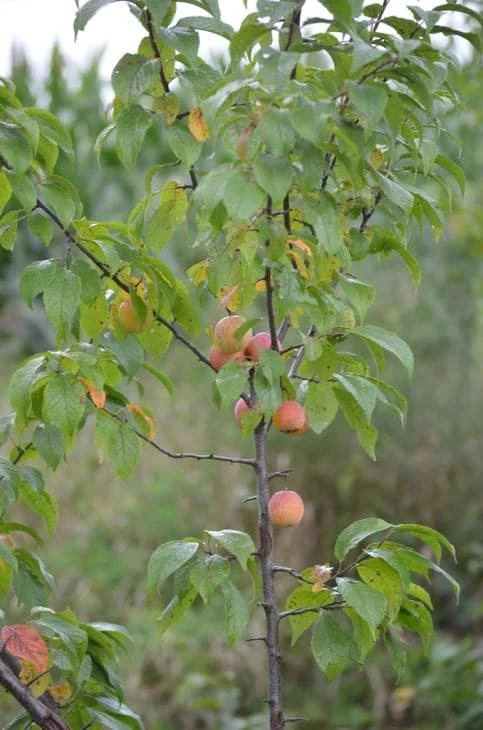
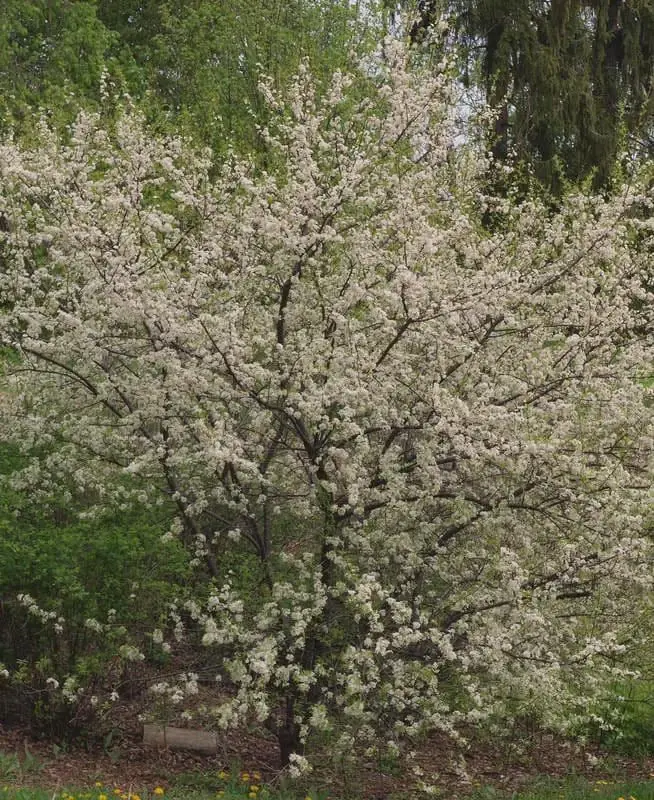
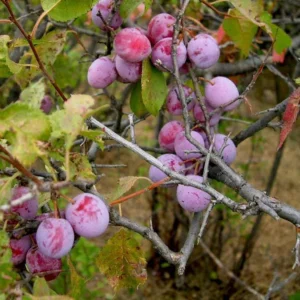
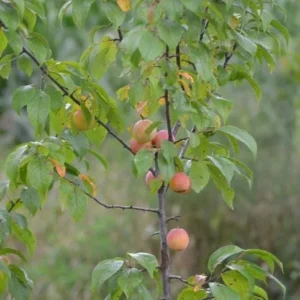
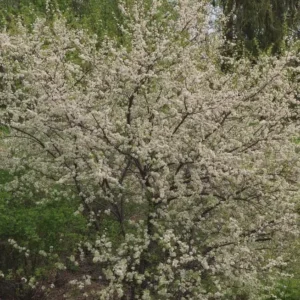
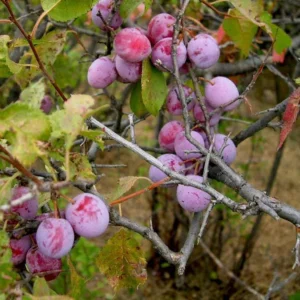
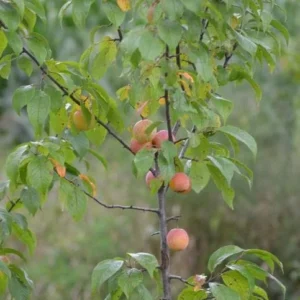
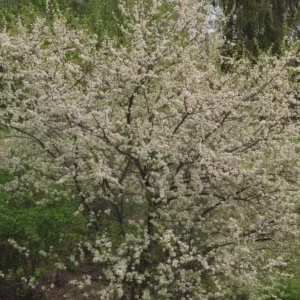
Introduce the robust and versatile American Plum Tree live plant (Prunus americana) to your garden. This starter plant, typically 12-24 inches tall, is a native North American species renowned for its ornamental beauty and ecological benefits. The Prunus americana tree is a small tree or large shrub that produces an abundance of showy white flowers in spring, followed by delicious, tart plums in late summer. Beyond its aesthetic appeal, this fruit bearing tree is a valuable resource for wildlife, providing food and shelter. Its adaptability makes it an excellent choice for various landscapes across the eastern and central US, establishing itself as a resilient and rewarding addition to any outdoor space.
Key Benefits
The American Plum Tree live plant offers a wealth of advantages for both gardeners and the environment, making it a highly desirable choice for planting.
- Abundant Fruit Production: Enjoy a harvest of delicious, tart plums perfect for fresh eating, jams, jellies, and pies. This fruit bearing tree provides a seasonal bounty.
- Wildlife Attraction: Its flowers are a nectar source for pollinators, and the fruit is a favorite food for birds and small mammals, making it an excellent wildlife friendly tree.
- Showy Spring Blooms: Adorn your garden with masses of fragrant white flowers in early spring, creating a stunning visual display before leaves emerge.
- Adaptable and Hardy: This native species is incredibly tough and can tolerate a wide range of soil types and environmental conditions, thriving in USDA Hardiness Zones 3 to 8.
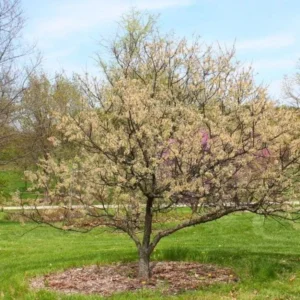
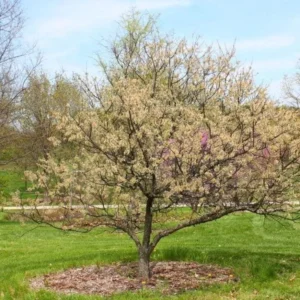
- Versatile Growth Habit: Can be grown as a single-trunk tree or a multi-stemmed, thicket-forming shrub, allowing for flexible landscaping designs.
- Native Species Benefits: As a native plum tree, it is well-suited to local ecosystems, requiring less maintenance and supporting local biodiversity.
- Erosion Control: Its thicket-forming nature can help stabilize soil on slopes and prevent erosion.
Plant Care & Growing Tips
Caring for your American Plum Tree live plant is relatively straightforward due to its hardy and adaptable nature. For optimal growth, plant your Prunus americana tree in a location that receives full sun, meaning at least 6 hours of direct sunlight per day. While it can tolerate partial shade, fruit production will be significantly reduced. Ensure the soil is well-drained, as plum trees do not like to sit in waterlogged conditions. It is adaptable to various soil types, including sandy, loamy, and clay soils, but prefers slightly acidic to neutral pH.
Water the young tree regularly during its first year to help establish a strong root system. Once established, the native plum tree is quite drought-tolerant, but consistent moisture during dry spells, especially when fruit is forming, will lead to a better harvest. Fertilize in early spring with a balanced slow-release fertilizer designed for fruit trees. Pruning should be done in late winter or early spring to remove dead or diseased branches, improve air circulation, and shape the tree. Watch out for common plum tree pests and diseases, and address them promptly with organic or chemical solutions as needed. This resilient fruit bearing tree will reward you with years of beauty and bounty with proper care.
Size & Details
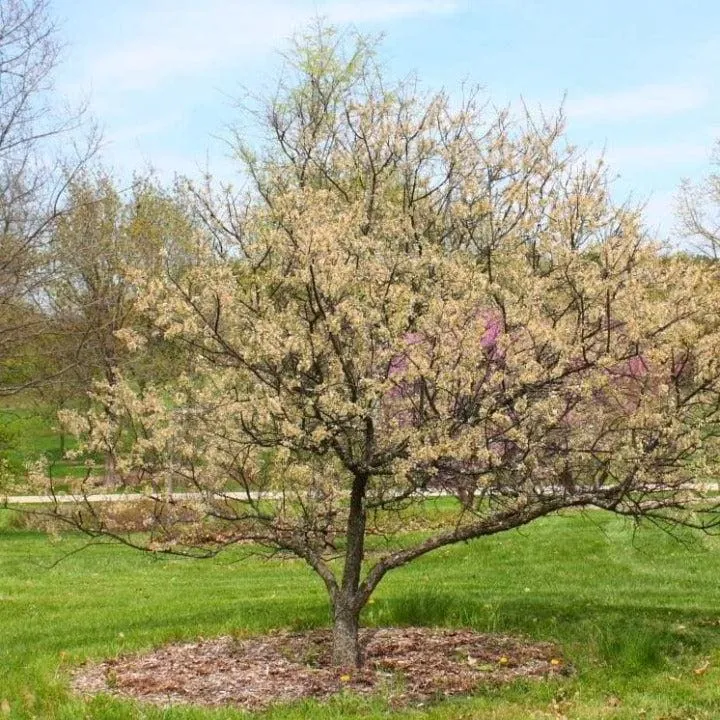
This offering is for one American Plum Tree live plant, a vigorous starter specimen typically measuring 12-24 inches in height. These young trees are ready for planting in your garden or orchard. The Prunus americana tree has a moderate to fast growth rate, eventually reaching a mature height of 15 to 25 feet with an equally broad, spreading crown. It can be cultivated as a single-trunk tree or allowed to form a multi-stemmed, thicket-forming shrub, providing flexibility for various landscape designs. The branches often develop sharp, thorny spines, adding a protective element. Expect this wildlife friendly tree to begin producing fruit within 3-5 years after planting, with full production typically achieved by 5-8 years.
Frequently Asked Questions
- Q: How big does this American Plum Tree live plant get? A: The Prunus americana tree typically grows 15 to 25 feet tall with an equally broad, spreading crown. Its mature size depends on growing conditions and whether it’s pruned as a tree or allowed to form a shrub.
- Q: Is this an indoor or outdoor plant? A: The American Plum Tree live plant is an outdoor plant, best suited for gardens, orchards, and naturalized areas. It requires full sun exposure and is not suitable for indoor cultivation.
- Q: How much sunlight does the native plum tree need? A: For optimal growth and fruit production, this tree needs at least 6 hours of direct sunlight per day. It can tolerate partial shade, but fruit yield will be lower.
- Q: Is this plant easy to care for? A: Yes, the American Plum Tree live plant is known for its toughness and adaptability, making it relatively easy to care for once established. It’s an excellent choice for gardeners looking for a low-maintenance fruit bearing tree.
- Q: What condition will it arrive in? A: Your American Plum Tree live plant will arrive as a healthy, bare root or potted starter plant, carefully packaged to ensure its safe journey to your home. It will be ready for immediate planting.
- Q: When is the best time to plant this wildlife friendly tree? A: The best time to plant an American Plum Tree live plant is in early spring after the last frost, or in the fall before the ground freezes. This allows the roots to establish before extreme weather.
- Q: Will it survive winter in my zone? A: The American Plum Tree live plant is very cold hardy, thriving in USDA Hardiness Zones 3 to 8, meaning it can withstand harsh winter temperatures in a wide range of climates across the US.
- Q: What kind of soil does this plum tree prefer? A: This adaptable tree prefers well-drained soil and can tolerate various types, including sandy, loamy, or clay soils. It grows best in soil with a slightly acidic to neutral pH.
- Q: What are the plums used for? A: The plums from the Prunus americana tree are excellent for fresh eating, making jams, jellies, pies, and other preserves. They have a tart, sweet flavor that is highly prized.
- Q: Does it need another tree for pollination? A: While the American Plum Tree live plant can be self-fertile to some extent, planting two or more American plum trees or another compatible plum variety nearby will significantly increase fruit production.


Reviews
There are no reviews yet.