Overview
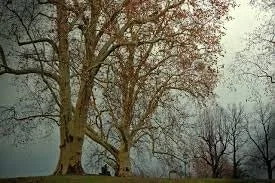
Transform your landscape with the impressive American Sycamore Tree (Platanus occidentalis), a true North American native renowned for its grandeur and unique characteristics. This offering includes two 18-24″ bareroot live plants, ready to establish and grow into magnificent specimens. The American Sycamore is celebrated for its rapid growth and ability to provide extensive shade, making it an ideal choice for larger properties, parks, or along waterways. Its most striking feature is its signature bark, which exfoliates in patches to reveal a beautiful mosaic of creamy white, green, and brown, offering visual interest year-round, especially in winter. This tree is not just beautiful; it’s also incredibly tough, thriving in a variety of conditions and demonstrating remarkable resistance to pollution and salty soils, making it a perfect Sycamore shade tree for urban and suburban environments.
The American Sycamore Tree is a deciduous species that will shed its leaves in the fall, revealing its stunning bark patterns. It’s a long-lived tree, often reaching impressive heights and providing ecological benefits by supporting local wildlife. Planting these bareroot trees is an economical and effective way to introduce a mature landscape element that will provide beauty and comfort for generations.
Key Benefits
The American Sycamore Tree offers a multitude of benefits for any landscape, combining aesthetic appeal with environmental resilience. Its distinct features make it a standout choice for those seeking a robust and beautiful tree.
- Exceptional Shade Provider: With its wide, spreading canopy, the American Sycamore delivers abundant shade during hot summer months, significantly cooling your property and reducing energy costs. It’s a quintessential large shade tree, perfect for creating comfortable outdoor living spaces.
- Striking Exfoliating Bark: The most iconic feature of the American Sycamore is its unique bark, which peels away in irregular plates to expose lighter, creamy-white inner bark. This creates a captivating, mottled appearance that adds year-round visual interest, particularly in winter landscapes.
- Environmental Resilience: The Platanus occidentalis is highly tolerant of urban stressors, including air pollution, compacted soil, and salty conditions often found near roads. This makes it an excellent choice for challenging planting sites where other trees might struggle.
- Rapid Growth Rate: Known for its vigorous growth, the American Sycamore quickly establishes and grows, allowing you to enjoy its benefits sooner. It can add significant height and canopy coverage in a relatively short period compared to many other hardwood trees.
- Wildlife Habitat: The large canopy and sturdy branches provide excellent nesting sites and shelter for various bird species, while its seeds offer a food source, contributing to local biodiversity.
- Fall Color Interest: While not as vibrant as some maples, the American Sycamore’s leaves turn an attractive golden-brown in the fall, adding seasonal beauty before they drop.
- Longevity and Hardiness: This hardy species is long-lived and robust, capable of thriving for many decades, ensuring a lasting legacy in your landscape. It’s a truly hardy sycamore.
Plant Care & Growing Tips
Caring for your American Sycamore Tree is relatively straightforward, especially once it’s established. These bareroot plants arrive dormant and require specific conditions for successful growth. Sycamores prefer full sun, meaning at least 6 hours of direct sunlight per day, to achieve their best growth and canopy development. When planting, ensure the site has ample space for its mature size, as it can reach impressive heights and spreads.
Regarding watering, sycamores naturally thrive along rivers and streams, indicating a preference for consistently moist soil. During the first few growing seasons after planting, regular deep watering is crucial, especially during dry spells, to help the root system establish. Once mature, they are quite drought-tolerant but will benefit from supplemental watering during prolonged dry periods. The ideal soil type is a rich, deep, and well-draining loam, but the Platanus occidentalis is adaptable to a range of soil conditions, including clay. Ensure good drainage to prevent root rot, particularly in heavier soils. Fertilization is not typically necessary for established trees in good soil, but young trees can benefit from a balanced, slow-release fertilizer in early spring to encourage vigorous growth. Monitor for common pests like sycamore anthracnose, a fungal disease, and ensure good air circulation to minimize risk.
The hardy sycamore is suitable for USDA zones 4-9. It can withstand cold winters and hot summers, making it a versatile choice for many regions across the United States. Proper pruning in late winter or early spring can help maintain its structure and remove any dead or crossing branches. Avoid heavy pruning once the tree is mature unless necessary for safety or structural integrity.
Size & Details
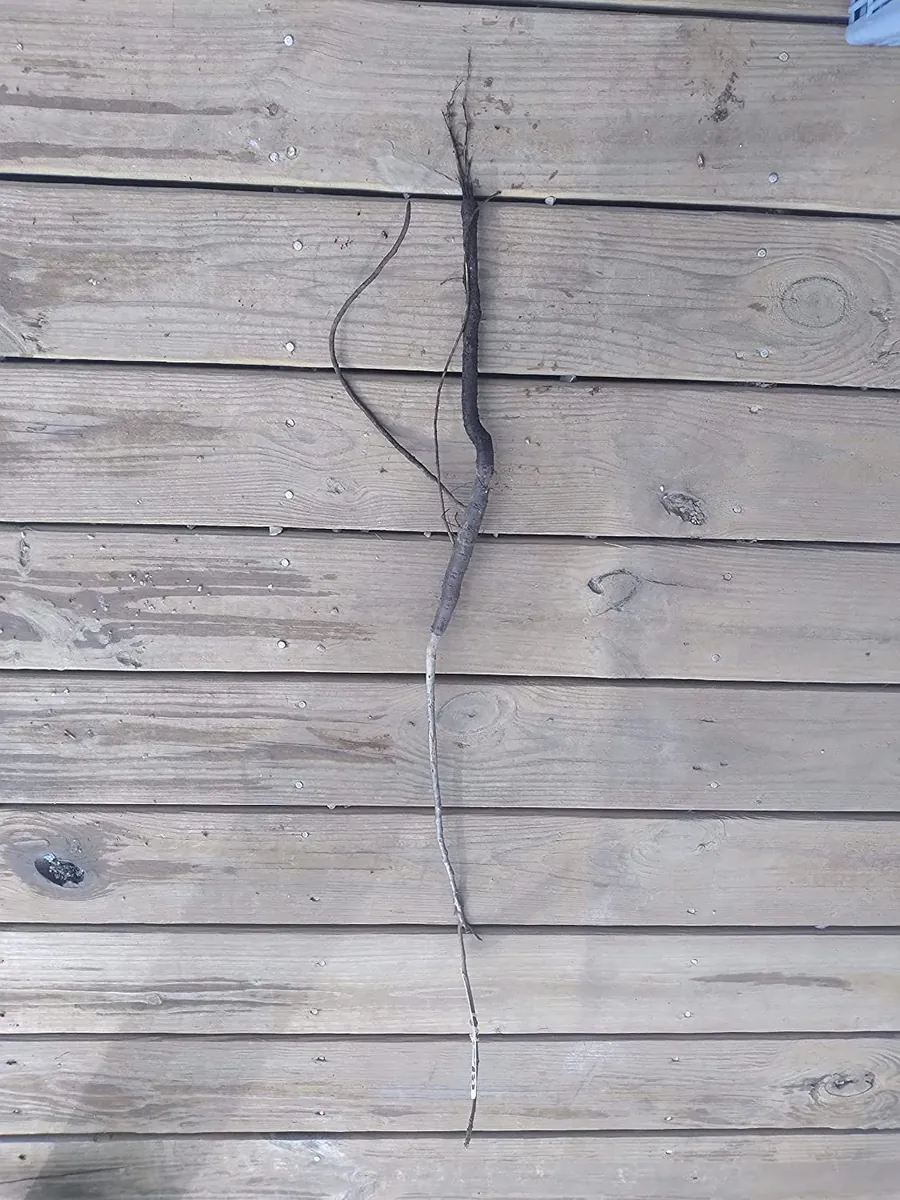
This offering includes two American Sycamore Tree bareroot live plants, each approximately 18-24 inches in height. Bareroot plants are dormant trees shipped without soil around their roots, which helps reduce shipping costs and allows for easy handling. This size is ideal for establishing young trees that will quickly grow into their majestic form. Sycamores are known for their fast growth rate, often adding several feet per year under optimal conditions. They can eventually reach heights of up to 75-100 feet, with a similar spread, forming a massive, rounded canopy. The trunk can grow to several feet in diameter, showcasing the distinctive exfoliating bark that makes this tree truly unique. Expect these trees to begin leafing out in spring after planting, with visible growth throughout the summer. The mature height of a Sycamore shade tree can provide a focal point in any large landscape.
Frequently Asked Questions
- Q: How big does this American Sycamore Tree get? A: The American Sycamore Tree is a very large deciduous tree that can reach impressive heights of 75-100 feet at maturity, with a similar canopy spread. Its vigorous growth ensures it will quickly become a prominent feature in your landscape.
- Q: What size pot does it come in? A: These are American Sycamore Tree bareroot plants, meaning they are shipped without soil or a pot. They are dormant and ready to be planted directly into the ground upon arrival.
- Q: Is this an indoor or outdoor plant? A: The American Sycamore is an outdoor tree, ideally suited for large landscapes, parks, and open spaces where it has room to grow to its full potential. It requires full sun exposure to thrive.
- Q: How much sunlight does it need? A: This hardy sycamore prefers full sun, meaning at least 6 hours of direct sunlight per day. Adequate sunlight is essential for healthy growth and canopy development.
- Q: Is this plant easy to care for? Is it good for beginners? A: Once established, the American Sycamore Tree is relatively low-maintenance. Its adaptability and resilience make it a good choice for beginners looking to plant a large, long-lived tree, provided they can offer sufficient space and initial care.
- Q: What condition will it arrive in? A: Your American Sycamore Tree will arrive as a dormant bareroot plant, typically 18-24 inches tall. The roots will be carefully packaged to retain moisture during transit, ensuring they are ready for planting.
- Q: When is the best time to plant a bareroot American Sycamore? A: The optimal time for planting bareroot trees like the Platanus occidentalis is in early spring, after the last hard frost but before the tree breaks dormancy. This allows the roots to establish before the stress of summer heat.
- Q: Will this Sycamore shade tree survive winter in my zone? A: Yes, the American Sycamore is very hardy and suitable for USDA Hardiness Zones 4-9, making it resilient to cold winters in most of the United States.
- Q: What is the minimum temperature this tree can tolerate? A: The American Sycamore Tree can tolerate winter temperatures well below freezing, typically down to -30°F to -20°F (USDA Zone 4), making it a very cold-hardy species.
- Q: How long until it provides significant shade? A: Due to its fast growth rate, your Sycamore shade tree can begin providing noticeable shade within a few years of planting, with its canopy expanding significantly over 5-10 years.


Reviews
There are no reviews yet.