Overview
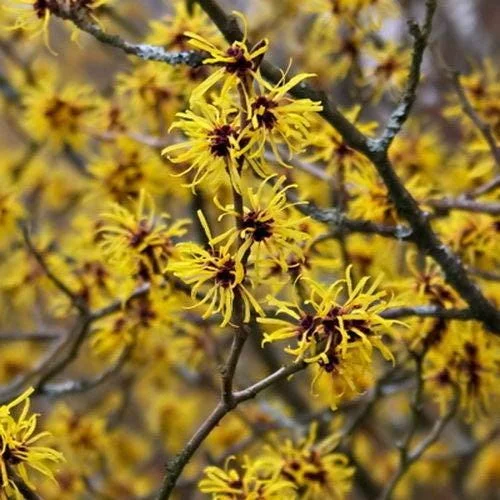
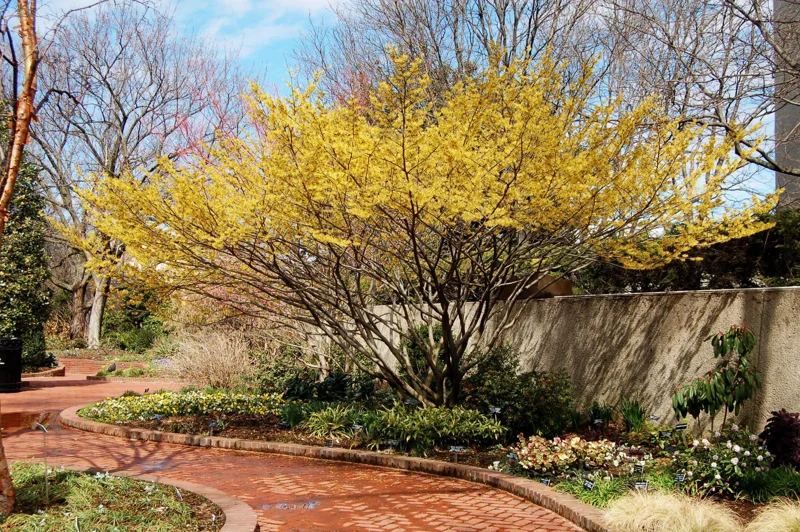
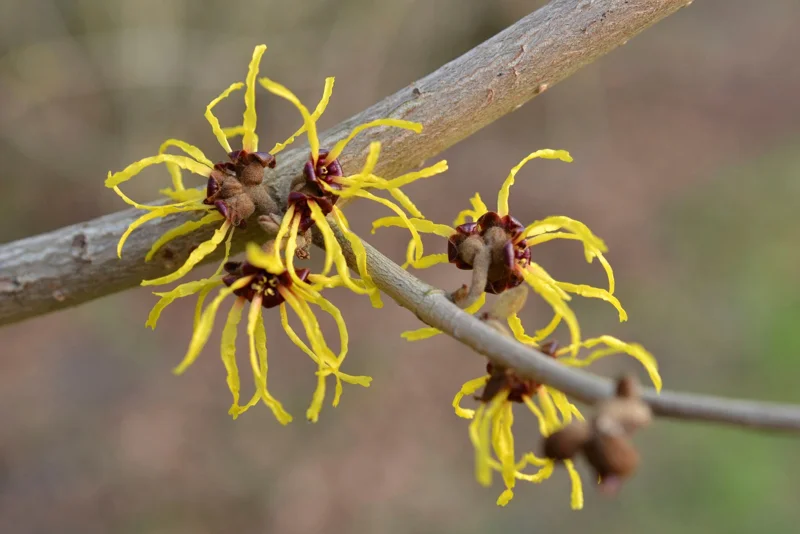
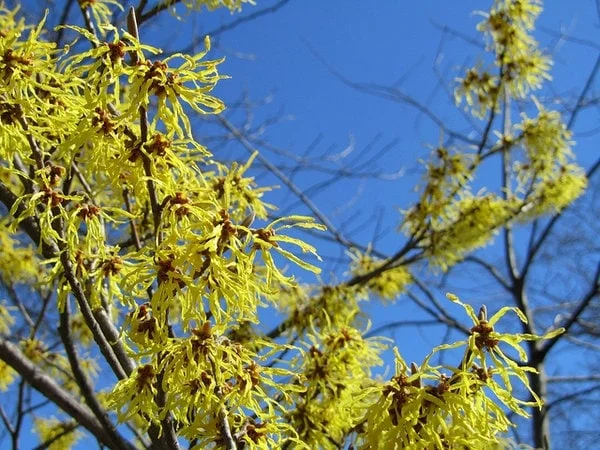
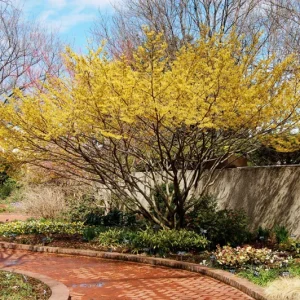
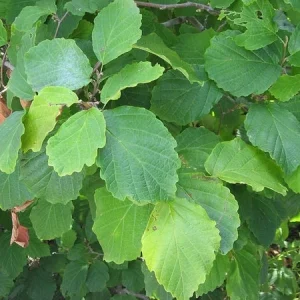
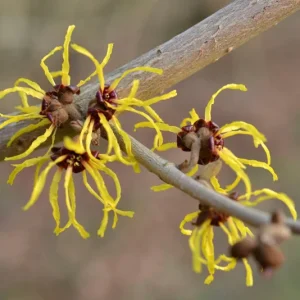
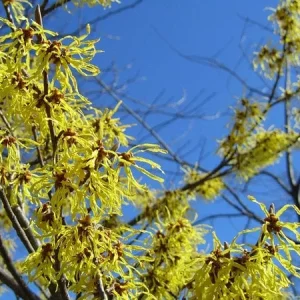
Introduce a touch of native beauty and late-season interest to your landscape with the American Witch Hazel plant. This remarkable deciduous shrub, scientifically known as Hamamelis virginiana, is celebrated for its unique flowering habit, producing cheerful, spider-like yellow blooms from late fall through late winter. Native to eastern North America, it brings a distinctive charm when most other plants are dormant, brightening dreary winter landscapes with its fragrant blossoms. Growing 15 to 20 feet tall, this witch hazel shrub is an excellent choice for woodland margins, stream banks, or as a striking specimen plant, offering year-round appeal from its vibrant autumn leaves to its captivating winter flowers. This listing is for a live plant in a 4-inch pot, ready to be established in your garden.
The genus name Hamamelis originates from Greek words meaning ‘at the same time’ and ‘fruit,’ referring to the intriguing characteristic of simultaneous flowers and fruits. The species name virginiana denotes its origin from Virginia. Beyond its ornamental value, the American Witch Hazel plant is a resilient and low-maintenance addition to many garden types, providing ecological benefits by attracting bees and birds. Its adaptability to various soil conditions, including heavy clay, further enhances its appeal for diverse planting schemes.
Key Benefits
The American Witch Hazel plant offers a multitude of benefits, making it a highly desirable addition to any garden. Its unique characteristics provide year-round interest and contribute positively to the local ecosystem.
- Spectacular Winter Blooms: Enjoy vibrant, fragrant yellow flowers that emerge from late fall through late winter, providing much-needed color and life when most other plants are dormant. These unique, spider-like blossoms are a true winter spectacle.
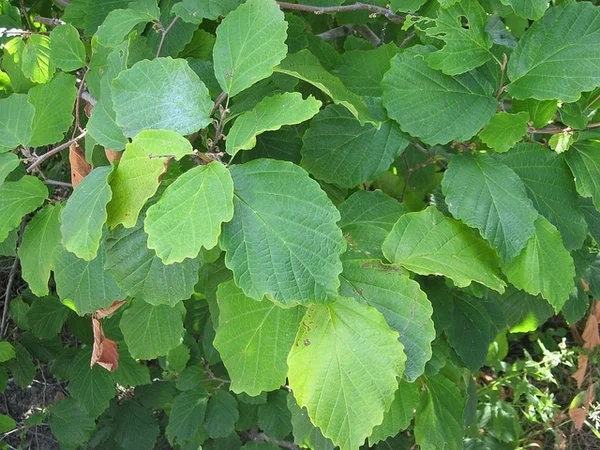
- Attractive Fall Foliage: Before its winter bloom, the leaves of this woody ornamental shrub transform into a beautiful golden yellow in the fall, adding brilliant seasonal color to your garden.
- Pollinator Friendly: The early-blooming flowers of Hamamelis virginiana care for local wildlife by attracting bees and other early pollinators, providing a crucial food source during colder months.
- Fragrant Presence: The delicate yet distinct fragrance of the witch hazel flowers perfumes the winter air, creating an inviting sensory experience in your garden even during the colder seasons.
- Low Maintenance & Hardy: This native shrub is relatively easy to care for once established. It is known for its hardiness, tolerating heavy clay soil, erosion, and even deer browsing, making it a robust choice for various landscapes.
- Adaptable to Various Conditions: Thriving in full sun to partial shade, the witch hazel shrub can be planted in a range of garden settings, though optimal flowering is achieved in sunnier locations. It adapts well to moist, acidic, organically rich, and well-draining soils.
- Native Plant Landscaping: Incorporating native plants like the American Witch Hazel plant supports local ecosystems, biodiversity, and requires less intervention once established, reducing the need for excessive watering or fertilization.
Plant Care & Growing Tips
Successful growth of your American Witch Hazel plant begins with understanding its specific care requirements. This resilient native shrub is generally low maintenance, but providing optimal conditions will ensure a thriving plant with abundant blooms and brilliant fall color.
For sunlight, the witch hazel shrub performs best in full sun to partial shade. While it can tolerate more shade, the most prolific flowering and vibrant fall foliage will be observed in locations that receive at least 6 hours of direct sunlight daily. When considering Hamamelis virginiana care, ensure the soil remains consistently moist, especially during dry periods, as it is intolerant of drought. However, good drainage is crucial to prevent root rot. The ideal soil should be acidic, organically rich, and well-draining. It can tolerate heavy clay soil, which is a significant advantage for many gardeners. Pruning is generally not necessary unless you wish to maintain a specific shape or remove dead or damaged branches. If pruning is desired, it should be done in early spring after flowering has finished. Fertilization can be done annually in spring with a balanced, slow-release fertilizer formulated for acid-loving plants, though it is not always required in organically rich soils.
The American Witch Hazel plant is remarkably hardy, thriving in USDA zones 3 to 8. This wide range makes it suitable for a large portion of the US. It is quite tolerant of erosion and browsing by deer, which can be a significant benefit in areas with wildlife pressure. Ensure adequate watering during its establishment period, typically the first year after planting. Mulching around the base of the plant can help retain soil moisture and regulate soil temperature. Watch for common pests like leaf gall aphids, though serious issues are rare. Overall, providing a moist, well-draining, acidic soil in a sunny to partially shaded location will yield a healthy and beautiful witch hazel that delivers fragrant winter blooms for many years.
Size & Details
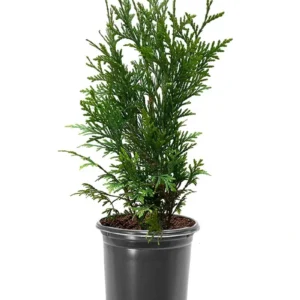
This offering is for one American Witch Hazel plant (Hamamelis virginiana) grown in a 4-inch pot. At the time of shipping, the plant typically stands 6-12 inches tall, providing a healthy young specimen ready for planting. This deciduous shrub or small tree has a moderate growth rate, eventually reaching a mature height of 15 to 20 feet with a similar spread, forming an attractive, multi-stemmed structure. It is shipped as a live, actively growing plant, carefully packaged to ensure its safe arrival. The plant will establish well when planted in spring or fall, allowing it to acclimate to its new environment before extreme temperatures.
The witch hazel shrub will begin to develop its characteristic yellow fall foliage and fragrant winter blooms as it matures, typically within 1-2 years after planting. It is a long-lived plant, providing decades of seasonal interest in the garden. This size is ideal for planting directly into your landscape, allowing for good root development and a strong start. Investing in a healthy, young plant like this ensures you can enjoy the full life cycle and benefits of this exceptional native species.
Frequently Asked Questions
- Q: How big does this plant get? A: The American Witch Hazel plant typically grows to a mature height of 15 to 20 feet tall and can have a similar spread, forming a multi-stemmed shrub or small tree.
- Q: What size pot does it come in? A: This particular listing is for an American Witch Hazel plant that comes in a 4-inch nursery pot, with the plant usually standing 6-12 inches tall.
- Q: Is this an indoor or outdoor plant? A: This is an outdoor plant, a deciduous shrub that is best grown in garden landscapes where it can reach its full mature size and enjoy seasonal changes, producing its natural fragrant winter blooms.
- Q: How much sunlight does it need? A: The American Witch Hazel thrives in full sun to partial shade. For the best flowering and fall color, aim for a location that receives at least 6 hours of direct sunlight daily.
- Q: Is this plant easy to care for? A: Yes, the witch hazel shrub is considered relatively easy to care for once established. It is drought-intolerant, so consistent moisture is key, but it tolerates a variety of soils, including heavy clay.
- Q: What condition will it arrive in? A: Your Hamamelis virginiana care begins with us; it will arrive as a healthy, live plant in its 4-inch pot, carefully packaged to minimize stress during transit.
- Q: When is the best time to plant? A: The best times to plant American Witch Hazel are in the spring or fall, allowing the plant to establish its root system before the extreme temperatures of summer or winter.
- Q: Will it survive winter in my zone? A: Yes, the American Witch Hazel plant is very hardy and is suitable for USDA Hardiness Zones 3 through 8, making it resilient to cold winter temperatures in most regions.
- Q: Can I prune this plant? A: Pruning is not usually necessary for the American Witch Hazel unless you need to maintain its shape or remove any dead or damaged branches. If you prune, do so in early spring after the flowering period.
- Q: Does this plant attract wildlife? A: Yes, the fragrant flowers of the American Witch Hazel are known to attract early bees and other pollinators, and its structure can provide shelter for birds, contributing to native plant landscaping initiatives.


Reviews
There are no reviews yet.