Overview
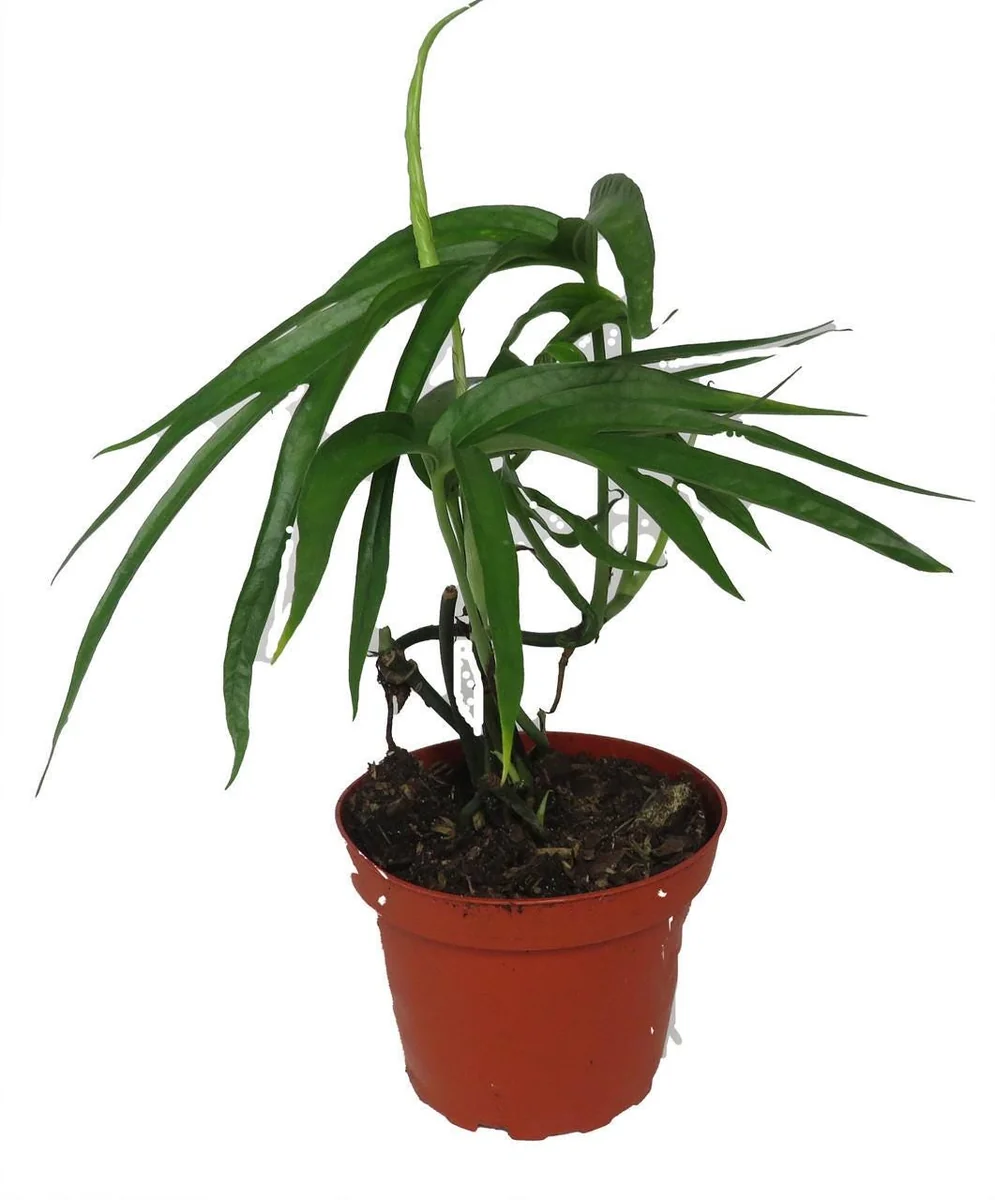
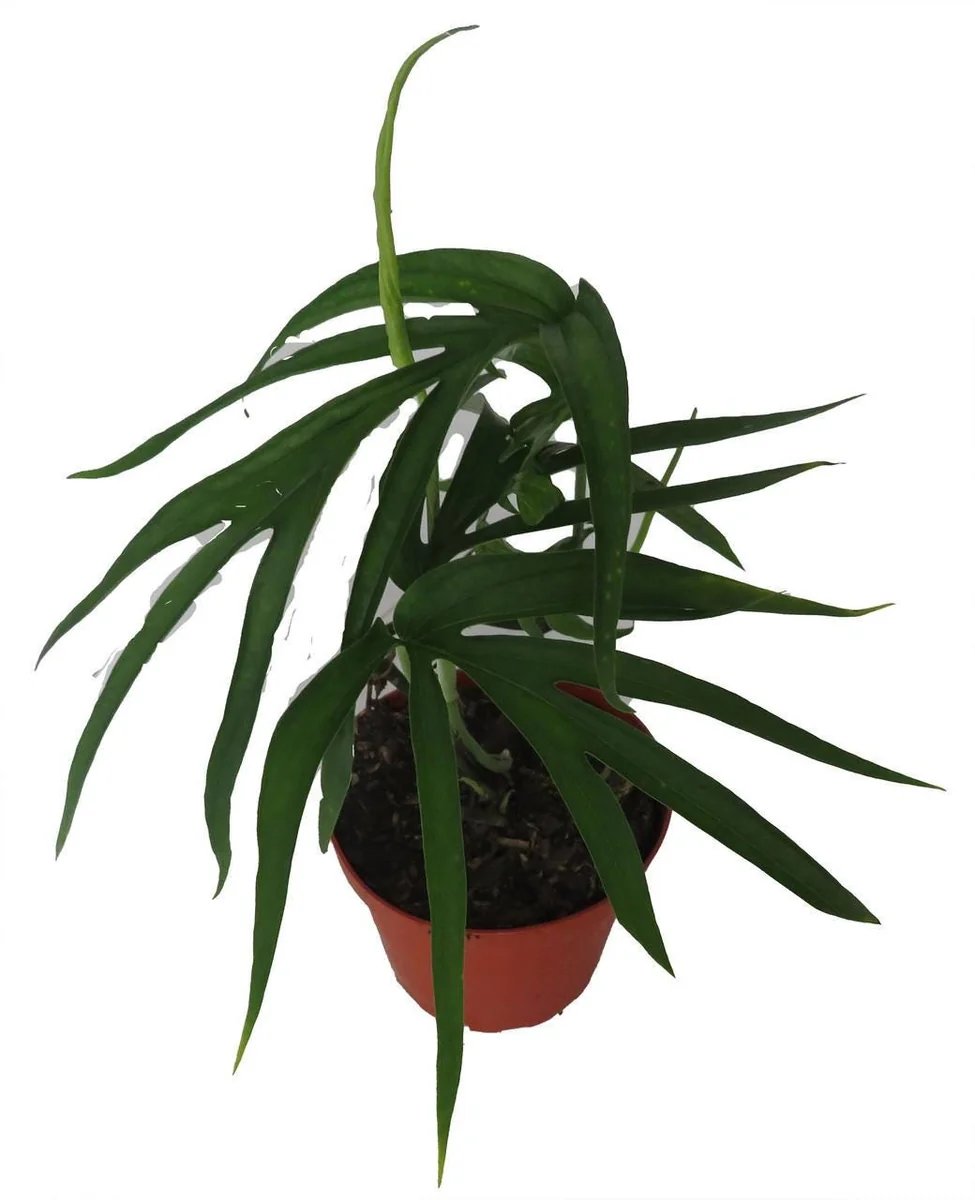
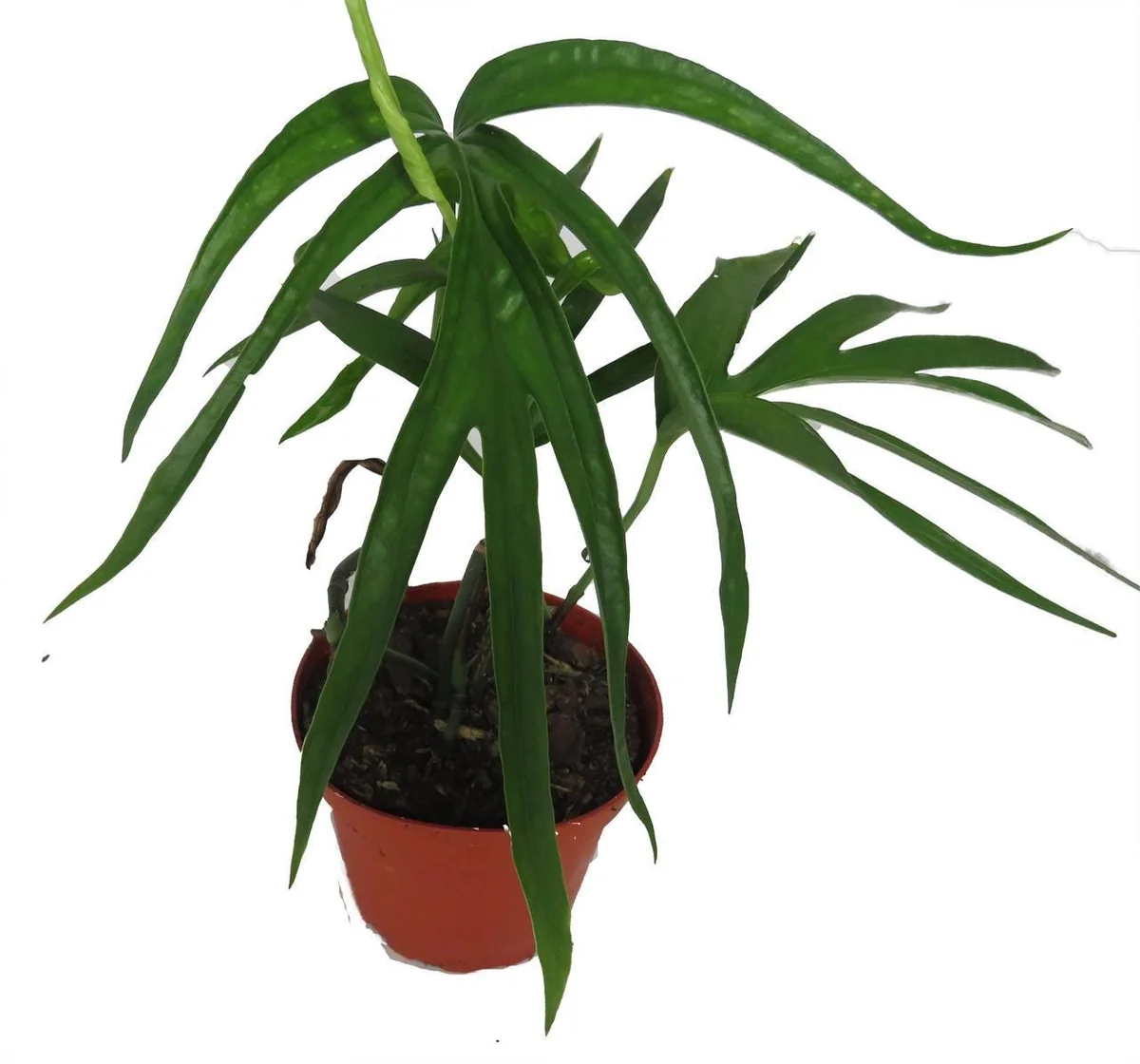
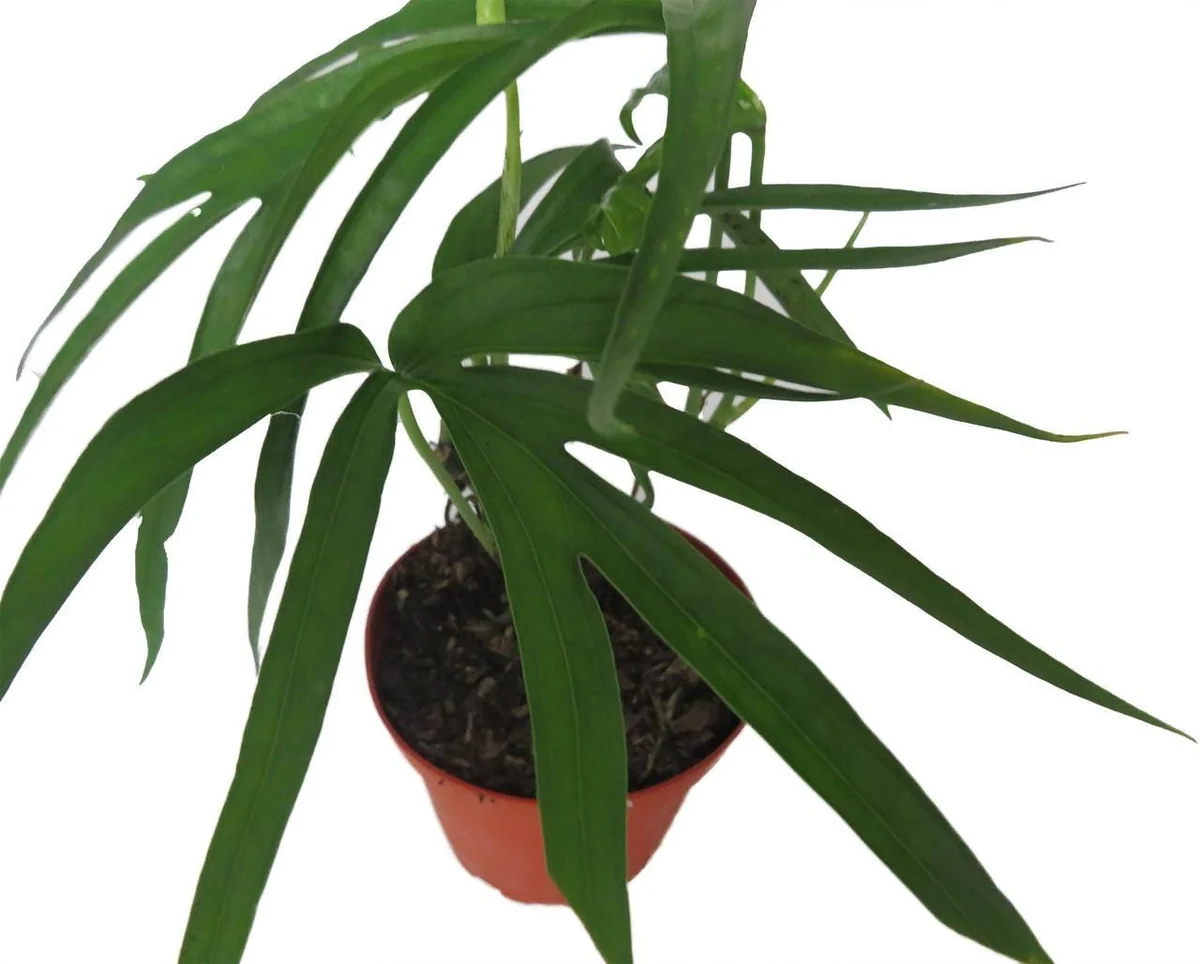
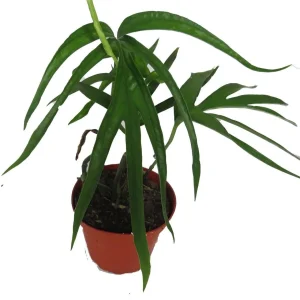
Introduce an extraordinary touch of the tropics to your home with the Amydrium Zippelianum live plant. This rare and captivating species, often referred to as Epipremnopsis magnifica, belongs to the Araceae family and is highly sought after by plant enthusiasts for its unique and striking green foliage. Native to the lush environments of the Philippines and Papua New Guinea, this climbing plant exhibits a fascinating vining habit, making it an excellent choice for trained growth on moss poles or cascading from shelves. Its leaves are a vibrant green, typically large, and possess a glossy texture that emerges gracefully from a central stem. The Amydrium Zippelianum live plant is not just a visual delight but also a conversation starter, offering an unusual and attractive appearance that can transform any interior space into a mini-jungle oasis.
The allure of the Amydrium Zippelianum live plant lies in its distinctive leaf structure, which can develop deep fenestrations as it matures, reminiscent of some Monstera varieties but with its own unique charm. Its robust growth and relatively straightforward care make it a rewarding addition for both seasoned collectors and those looking to expand their indoor plant horizons. This plant truly embodies the exotic beauty of its native habitats, promising to bring a dynamic and living piece of art into your home. Its adaptability to indoor conditions further solidifies its status as a desirable houseplant, capable of thriving and growing into a magnificent specimen with proper attention.
Key Benefits
Owning an Amydrium Zippelianum live plant offers a multitude of benefits, from aesthetic enhancement to fostering a connection with nature. Its unique characteristics make it a standout choice for any plant lover.
- Exotic Aesthetic Appeal: The Amydrium Zippelianum boasts striking, deeply lobed green foliage that adds an immediate tropical and sophisticated touch to any room. Its unique leaf shape makes it distinct from more common houseplants.
- Conversation Starter: Due to its unusual and attractive appearance, this plant is sure to capture attention and spark curiosity among guests, making it a focal point in your decor.
- Vining Growth Habit: As a vining plant, it can be trained to climb upwards on a support or allowed to trail gracefully, offering versatility in how you display and integrate it into your interior design.
- Air Purifying Qualities: Like many houseplants, the Amydrium Zippelianum live plant contributes to a healthier indoor environment by helping to filter out common airborne toxins, improving overall air quality.
- Moderate Maintenance: While unique, this plant is not overly demanding. With consistent care, it thrives, making it a rewarding plant for those willing to learn its specific needs.
- Collector’s Item: For plant enthusiasts, the Amydrium Zippelianum is often considered a prized possession due to its rarity and distinctive features, enhancing any curated collection.
- Year-Round Greenery: Provides vibrant, lush green foliage throughout the year, offering a continuous connection to nature regardless of the season outside.
Plant Care & Growing Tips
Caring for your Amydrium Zippelianum live plant involves understanding its tropical origins and replicating those conditions as best as possible indoors. This vining plant thrives in conditions that mimic its native rainforest environment, which means a balance of light, humidity, and proper watering is key to its success. Providing the right environment will encourage lush growth and the development of its stunning, mature foliage.
Sunlight Requirements: The Amydrium Zippelianum live plant prefers bright, indirect light. Direct sunlight, especially harsh afternoon sun, can scorch its leaves, leading to discoloration and damage. An east-facing window or a few feet away from a south or west-facing window is ideal. If natural light is insufficient, consider supplementing with a grow light to ensure it receives adequate illumination for healthy growth. Consistent lighting helps maintain the vibrant green color of its leaves.
Watering and Humidity: This plant enjoys consistently moist (but not waterlogged) soil. Water thoroughly when the top inch or two of the soil feels dry to the touch. Ensure proper drainage to prevent root rot, which is a common issue for many tropical plants. High humidity is crucial for the Amydrium Zippelianum live plant. Aim for humidity levels of 60% or higher. You can achieve this by using a humidifier, placing the pot on a pebble tray with water, or grouping it with other humidity-loving plants. Misting can offer temporary relief but is not a substitute for consistent humidity. If you’re wondering about Amydrium Zippelianum care, humidity is often one of the most overlooked factors.
Soil and Fertilization: A well-draining, airy potting mix rich in organic matter is best. A blend formulated for aroids, containing elements like coco coir, perlite, orchid bark, and worm castings, works wonderfully. This type of soil provides good aeration for the roots while retaining adequate moisture. Fertilize your plant every 2-4 weeks during the growing season (spring and summer) with a balanced liquid fertilizer diluted to half strength. Reduce or cease fertilization during the dormant winter months. Maintaining good soil conditions and feeding schedule is vital for a healthy tropical vining plant.
Temperature and Pruning: Maintain indoor temperatures between 65-80°F (18-27°C). Avoid sudden temperature fluctuations and cold drafts, as these can stress the plant. This plant is not cold-hardy. Pruning can be done to maintain shape, encourage bushier growth, or propagate new plants. Simply cut stems above a node using clean, sharp shears. This also helps manage the vining habit of this unique houseplant. Watch out for pests like spider mites or mealybugs; inspect your plant regularly and treat promptly if any are found.
Size & Details
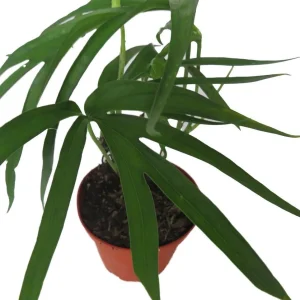
This offering is for one Amydrium Zippelianum live plant, shipped in a 4-inch nursery pot. At the time of shipment, the plant will typically have several healthy leaves and an established root system, ready to continue its growth in your home. The exact height and leaf count may vary slightly based on individual plant growth, but each specimen is selected for its health and vigor. As a vining plant, its growth rate is moderate to fast under optimal conditions, with vines capable of reaching several feet in length over time. The leaves themselves can grow quite large, developing their characteristic fenestrations as the plant matures and climbs.
This Epipremnopsis magnifica will arrive carefully packaged to ensure its safe journey. It is a juvenile plant that will continue to develop its unique aesthetic qualities as it grows. We recommend repotting it into a slightly larger pot with fresh aroid-specific potting mix within a few weeks of arrival to give its roots more room to expand. Provide a climbing support, such as a moss pole or trellis, early on to encourage its natural vining behavior and promote larger leaf development. Expect to see significant new growth within the first few months if proper care and conditions are provided.
Frequently Asked Questions
- Q: How big does this plant get? A: The Amydrium Zippelianum live plant is a vining species, so its length can vary significantly depending on growing conditions and whether it’s allowed to climb. Vines can easily reach several feet in length, and individual leaves can grow quite large with maturity.
- Q: What size pot does it come in? A: This Amydrium Zippelianum live plant is shipped in a 4-inch nursery pot, providing a good starting point for its root system and initial growth. We recommend repotting into a slightly larger pot upon arrival.
- Q: Is this an indoor or outdoor plant? A: The Amydrium Zippelianum is primarily grown as an indoor houseplant in most climates due to its tropical origins. It requires warm temperatures and high humidity, making it unsuitable for outdoor cultivation in non-tropical regions.
- Q: How much sunlight does it need? A: This tropical vining plant thrives in bright, indirect light. Avoid direct sun exposure, which can burn its delicate leaves. A spot near an east-facing window or a well-lit room with filtered light is ideal.
- Q: Is this plant easy to care for? A: The Amydrium Zippelianum is considered moderately easy to care for. It requires consistent humidity, proper watering, and bright indirect light. It’s a great choice for those with some plant experience or eager to learn about unique houseplants.
- Q: What condition will it arrive in? A: Your Amydrium Zippelianum live plant will arrive carefully packaged to minimize stress during transit. While some minor leaf imperfections may occur, we strive to deliver healthy, vibrant plants ready to thrive in your home.
- Q: How often should I water my Amydrium Zippelianum? A: Water when the top 1-2 inches of soil feel dry to the touch. It prefers consistently moist, but not soggy, soil. Always ensure good drainage to prevent root rot.
- Q: What kind of soil is best for this plant? A: A well-draining, airy potting mix rich in organic matter is ideal. An aroid mix containing components like coco coir, perlite, and orchid bark is highly recommended for optimal Amydrium Zippelianum care.
- Q: Does it need high humidity? A: Yes, high humidity is crucial for the health and development of the Amydrium Zippelianum. Aim for 60% or higher, achieved with a humidifier, pebble tray, or grouping with other plants.
- Q: Can I propagate this plant? A: Yes, the Amydrium Zippelianum can be propagated from stem cuttings. Ensure your cutting has at least one node and place it in water or a moist propagation medium until roots develop.


Reviews
There are no reviews yet.