

“`json { “meta_title”: “Angel Bright White Historic Iris Bare Root Rhizome – 2-3 ft Tall”, “google_title”: “Angel Bright White Historic Iris Bare Root Rhizome – Tall Bearded Iris Plant, 2-3 ft”, “meta_description”: “Enhance your garden with the stunning Angel Bright White Historic Iris. This tall bearded iris rhizome produces beautiful white flowers, growing 2-3 feet tall.”, “meta_focus_keyword”: “Angel Bright White Historic Iris, tall bearded iris plant, white iris rhizome, historic iris care, how to plant iris rhizomes”, “categories”: “Flower Plants”, “google_product_category_path”: “Home & Garden> Plants> Flowers”, “google_product_category_id”: “unknown”, “short_description”: “
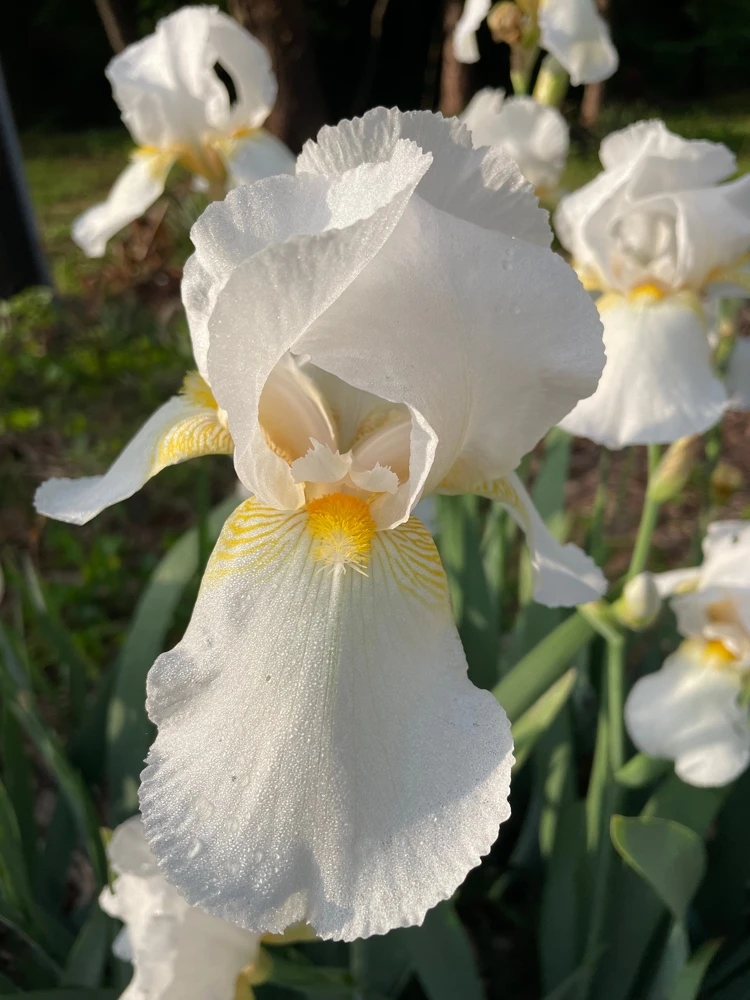
Cultivate elegance with the Angel Bright White Historic Iris, a magnificent tall bearded iris plant. This bare root rhizome will establish into a stately plant, producing pristine white blooms that reach 2-3 feet in height. Perfect for sunny garden beds, it brings classic beauty and a touch of history to your landscape.
“, “long_description”: “
Overview
n
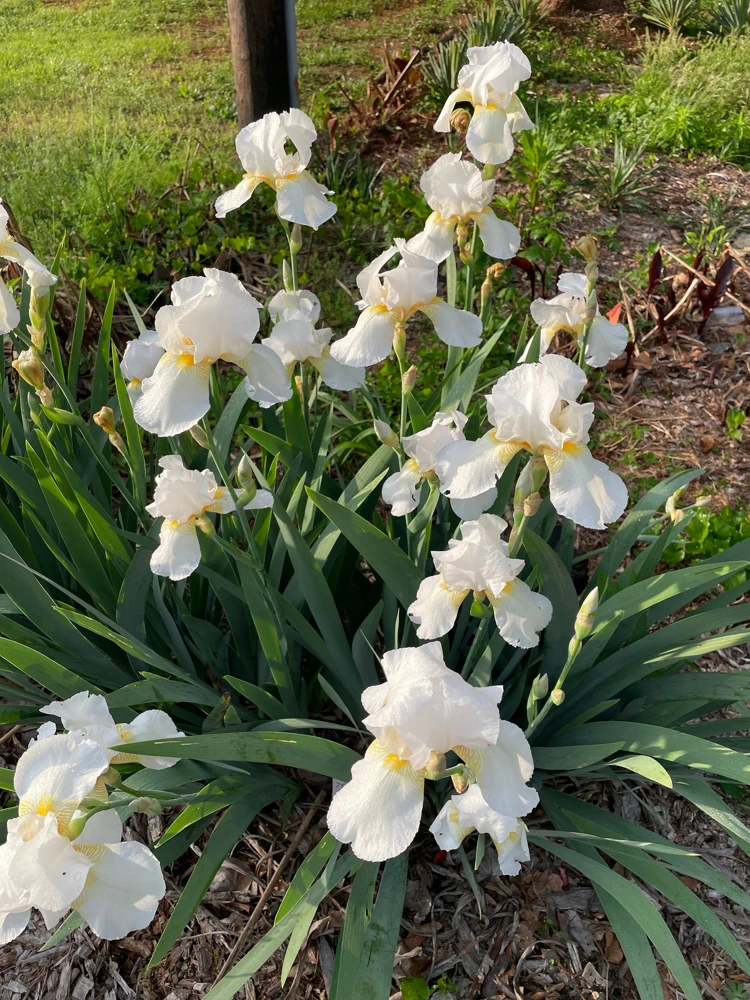
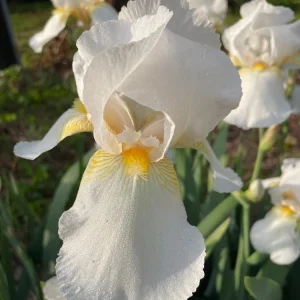
Introduce timeless beauty to your garden with the Angel Bright White Historic Iris. This exquisite tall bearded iris plant is a bare root rhizome, ready to be planted and transform your outdoor space. Known for its striking pure white flowers and tall, elegant stalks, this historic iris variety will become a focal point in any garden. Irises are cherished for their unique bloom structure and vibrant colors, and the ‘Angel Bright White’ offers a classic, sophisticated appeal. Originating from robust stock, this rhizome is prepared for planting, promising a rewarding gardening experience for both novice and experienced growers. The beauty of a white iris rhizome is its versatility, blending seamlessly with other garden perennials or standing out as a proud specimen. The mature plant typically reaches an impressive height of 2 to 3 feet, making it an excellent choice for borders, mass plantings, or as a backdrop for shorter flowers.
n
The Angel Bright White Historic Iris thrives with minimal fuss once established, rewarding gardeners with an abundance of pristine white blossoms each spring. Its strong, upright growth and lush green foliage add texture and structure to the garden even when not in bloom. When considering how to plant iris rhizomes, remember that proper placement and initial care are key to successful establishment and vibrant flowering. This specific variety is celebrated not only for its visual appeal but also for its hardiness and ability to return year after year, enriching your garden with its enduring charm. Enjoy the serene elegance and historical significance that this magnificent white iris brings to your landscape.
nn
Key Benefits
n
The Angel Bright White Historic Iris offers numerous advantages, making it a highly desirable addition to any garden. Its captivating blooms and robust nature provide lasting beauty and ease of care.
n
- n
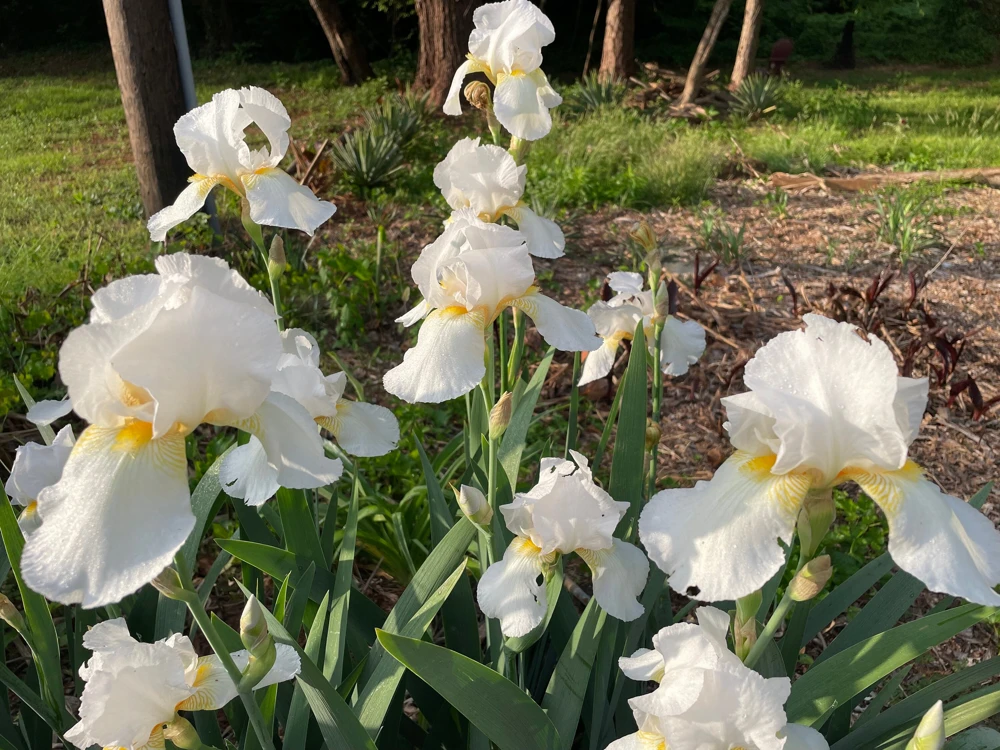
- Stunning White Blooms: This iris produces large, pure white flowers that create a striking visual contrast against green foliage, adding a touch of elegance and purity to your garden landscape. The pristine color makes it versatile for various garden themes.
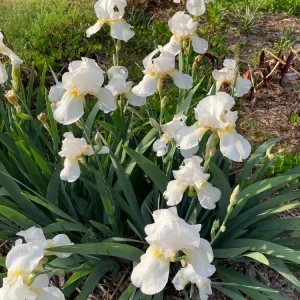
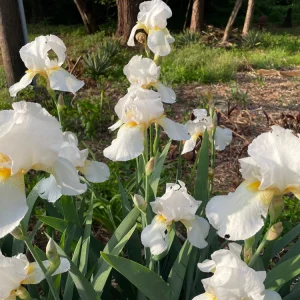
- Tall and Graceful Presence: Growing to an impressive height of 2 to 3 feet, the tall bearded iris plant adds vertical interest and a stately presence to garden beds, borders, and cutting gardens. Its height allows it to stand out beautifully.
- Historic Variety Charm: As a historic iris, the ‘Angel Bright White’ carries a legacy of beauty and resilience, offering a unique connection to gardening traditions and adding character to your plant collection.
- Low Maintenance Perennial: Once established, this white iris rhizome requires minimal care, making it an excellent choice for gardeners seeking beautiful plants without extensive upkeep. It is known for its hardiness and ability to thrive.
- Spring Flowering Spectacle: Enjoy a breathtaking display of blooms in the spring, signaling the arrival of warmer weather and bringing vibrant life back to your garden after the dormant winter months.
- Drought Tolerant: After establishment, the Angel Bright White Historic Iris is quite drought-tolerant, making it suitable for water-wise gardens and areas with less frequent irrigation.
- Attracts Pollinators: The beautiful flowers can attract beneficial pollinators like bees and butterflies to your garden, contributing to a healthy and vibrant ecosystem.
n
n
n
n
n
n
n
nn
Plant Care & Growing Tips
n
To ensure your Angel Bright White Historic Iris thrives, understanding its specific care requirements is essential. This tall bearded iris plant is relatively easy to care for, making it a rewarding choice for many gardeners. Proper planting is crucial for the success of your bare root rhizome. Upon arrival, soak the rhizome in water for a few hours or even up to a day before planting to rehydrate it after its journey. Select a location that receives full sun, ideally 6 or more hours of direct sunlight per day. While it can tolerate partial sun, full sun exposure promotes the best flowering.
n
The most important factor for success is well-draining soil. Irises do not like “wet feet,” so avoid areas where water tends to collect. If your soil is heavy clay, consider amending it with organic matter like compost or sand to improve drainage. When planting, place the white iris rhizome just at the soil surface, with the top slightly exposed. This shallow planting is vital for the rhizome to properly absorb sunlight and prevent rot. Space plants 12 to 18 inches apart to allow for proper air circulation and growth. After planting, water thoroughly, then keep the soil slightly moist during the establishment period. Avoid overwatering once established, as irises prefer somewhat drier conditions.
n
For ongoing historic iris care, fertilize sparingly in early spring with a low-nitrogen fertilizer. Over-fertilizing with nitrogen can promote foliage growth at the expense of flowers. Deadhead spent blooms to encourage more flowers and maintain a tidy appearance. Trim any damaged leaves, especially after shipping, as new shoots will emerge as the plant roots. While generally robust, watch out for common garden pests like iris borers or diseases like leaf spot; good air circulation and proper drainage are your best defenses. In most zones, the Angel Bright White Historic Iris is winter hardy, but in very cold climates, a light layer of mulch can provide extra protection.
nn
Size & Details
n
The Angel Bright White Historic Iris is shipped as a healthy bare root rhizome, ready for planting. This method ensures the plant establishes quickly and robustly in its new environment. Once mature, this tall bearded iris plant typically reaches an impressive height of 2 to 3 feet (approximately 24-36 inches), making it a prominent feature in your garden. The spread of the foliage can range from 12 to 18 inches, forming attractive clumps that expand over time. The rhizome itself is a compact root structure, designed for easy handling and planting, providing a strong foundation for future growth.
n
Expect the first blooms to appear in the spring, usually in the second year after planting, once the plant has fully rooted and established itself in the soil. Given proper care, your white iris rhizome will continue to thrive and multiply, providing years of beautiful spring flowers. This variety is known for its vigorous growth and ability to form substantial clumps, offering a generous display of its pure white blossoms. The bare root form allows the plant to adapt quickly to your garden soil, promoting strong root development before focusing its energy on foliage and flower production. Understanding how to plant iris rhizomes correctly will contribute significantly to its growth rate and overall health.
nn
Frequently Asked Questions
n
- n
- Q: How big does this plant get? A: The Angel Bright White Historic Iris typically grows to an impressive height of 2 to 3 feet (24-36 inches) tall, with a spread of 12 to 18 inches. It creates a stately presence in the garden.
- Q: Is this an indoor or outdoor plant? A: This is an outdoor plant, best suited for garden beds, borders, and landscaping. It thrives in natural outdoor conditions and needs ample sunlight.
- Q: How much sunlight does it need? A: The tall bearded iris plant prefers full sun, meaning at least 6 hours of direct sunlight per day. It can tolerate partial sun, but full sun encourages the best flowering.
- Q: Is this plant easy to care for? A: Yes, once established, the Angel Bright White Historic Iris is considered a low-maintenance perennial. It requires well-draining soil and adequate sunlight, and minimal watering once established.
- Q: What condition will it arrive in? A: The plant will arrive as a bare root rhizome, cut for shipping. It may appear stressed upon arrival but will recover and thrive once planted and given time to establish.
- Q: When is the best time to plant this iris rhizome? A: The ideal time for planting iris rhizomes is late summer to early fall, but they can often be successfully planted in spring as well, giving them time to establish before winter or summer heat.
- Q: How long until it blooms? A: While some plants may bloom in their first year, it’s common for iris rhizomes to take one to two years to fully establish and produce their first significant bloom display after planting. Patience is key for this white iris rhizome.
- Q: What’s the minimum temperature it can tolerate? A: This historic iris care guide recommends planting in USDA zones 3-9, indicating it is quite cold hardy and can tolerate freezing temperatures once established.
- Q: What kind of soil does it need? A: It is crucial for the soil to drain well. Irises prefer a neutral to slightly acidic soil. Avoid heavy, waterlogged soils, which can lead to rhizome rot.
- Q: Is it shipped in soil? A: No, it is shipped as a bare root rhizome, without soil, to ensure healthy transit and reduce shipping weight. Instructions on how to plant iris rhizomes are provided.
n
n
n
n
n
n
n
n
n
n
“, “key_features”: { “usda_zone”: “USDA Zones 3-9”, “soil_type”: “Well-draining soil”, “sunlight_exposure”: “Full sun to partial sun”, “expected_planting_period”: “Late summer to early fall or spring” } } “`


Reviews
There are no reviews yet.