Overview
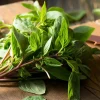
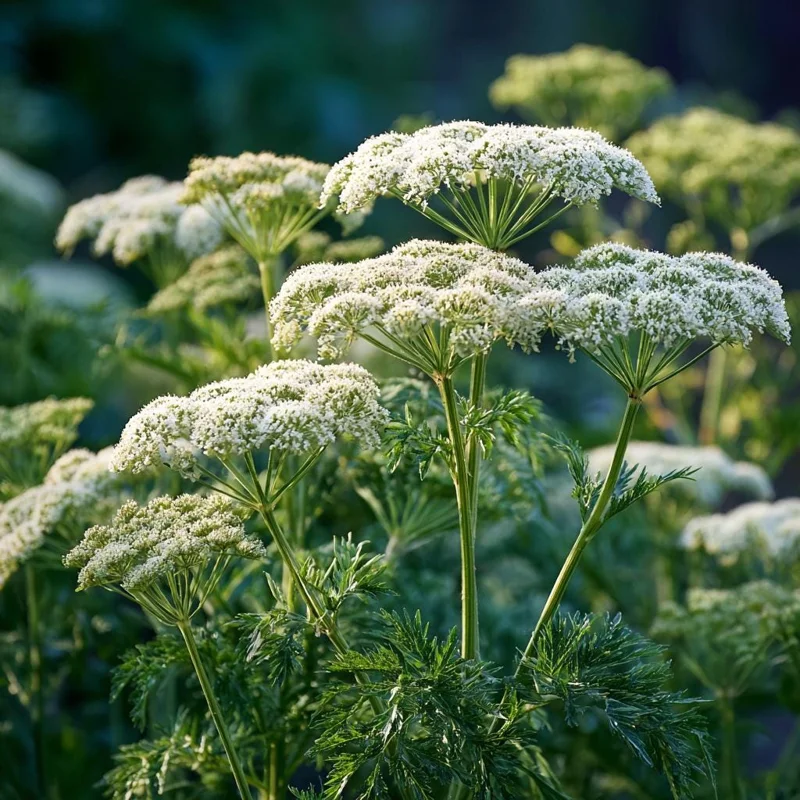
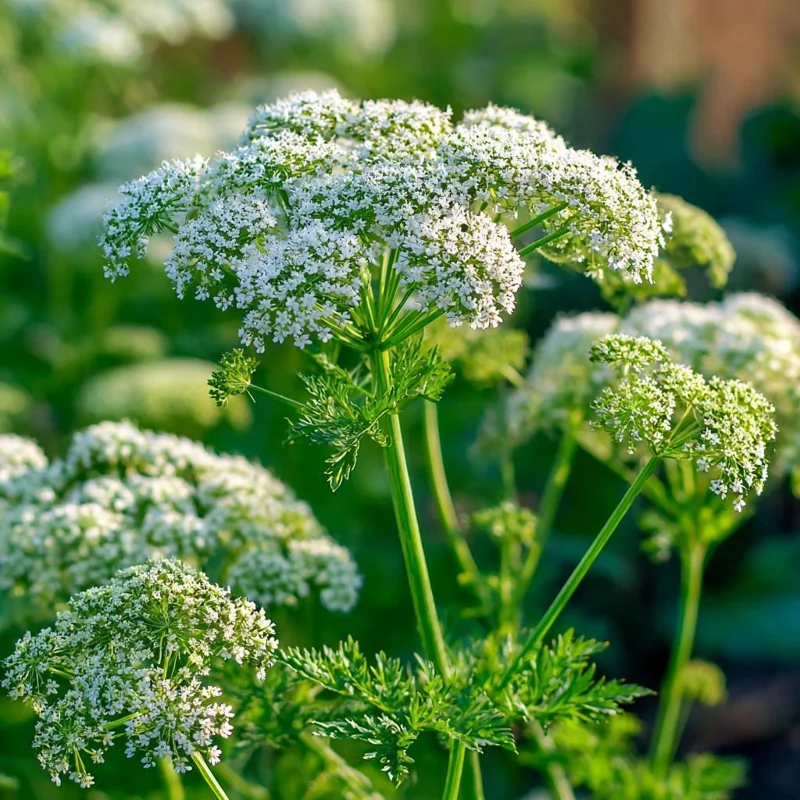
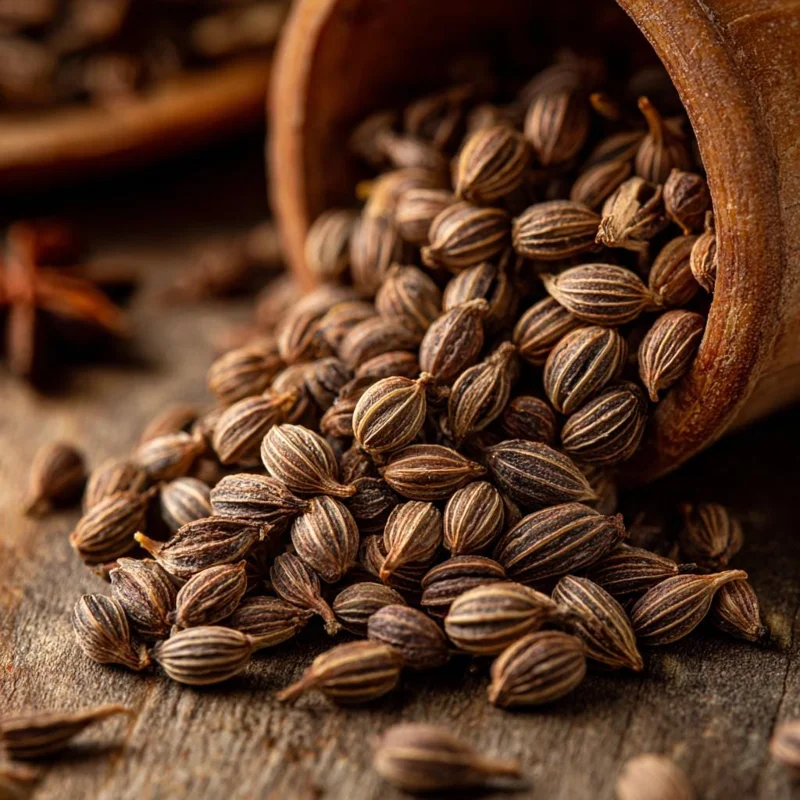
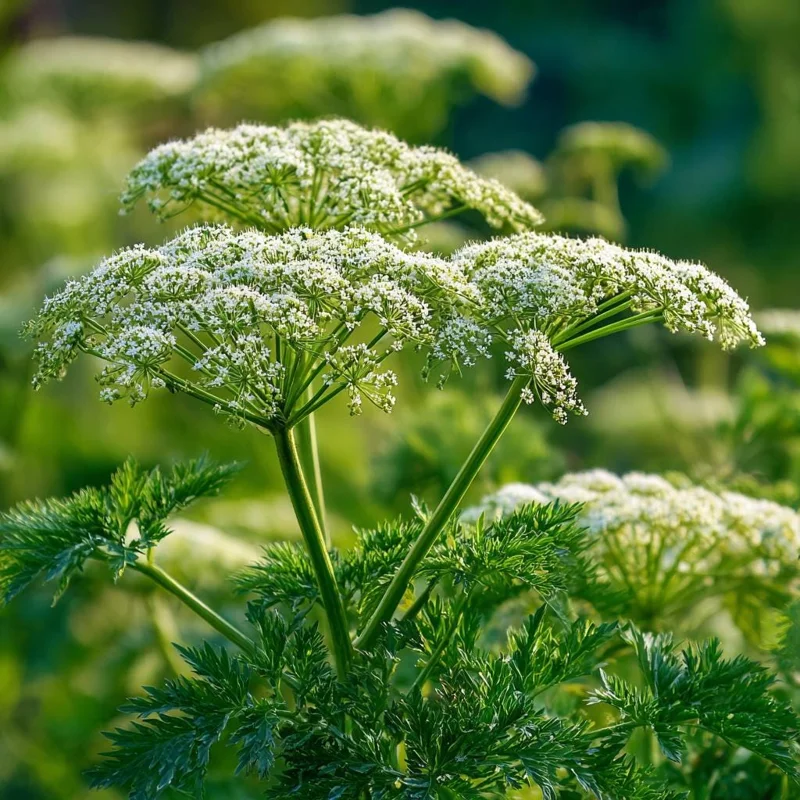
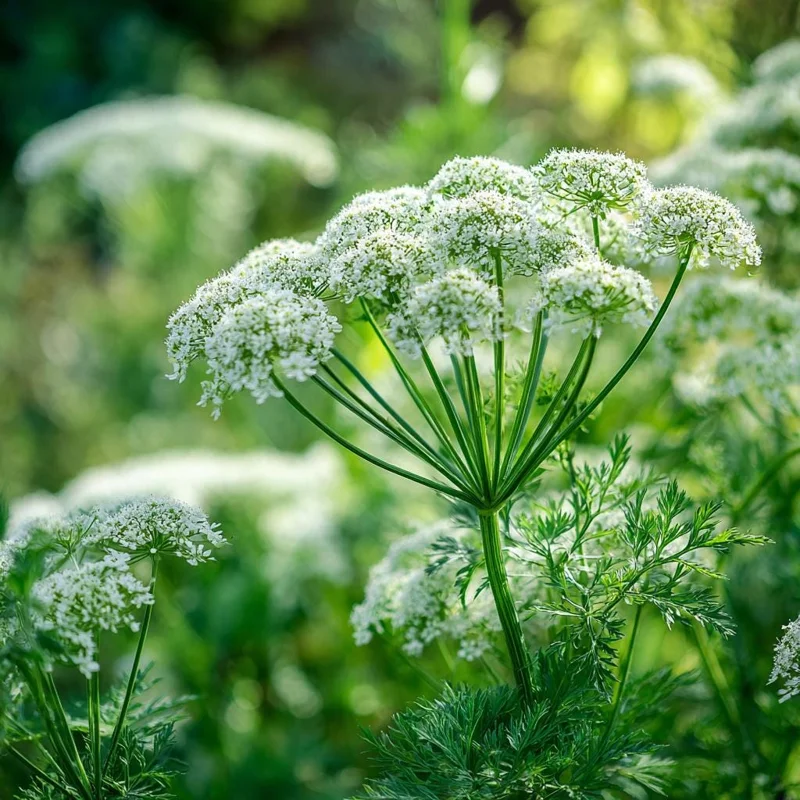
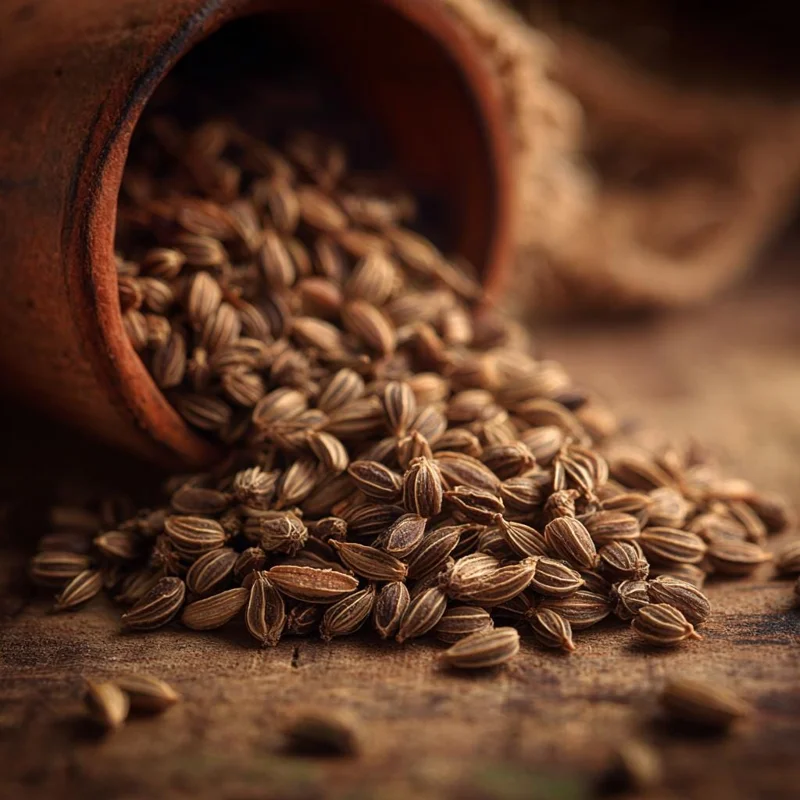
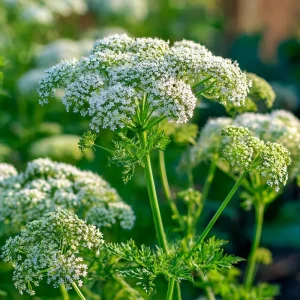
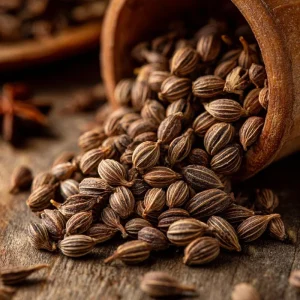
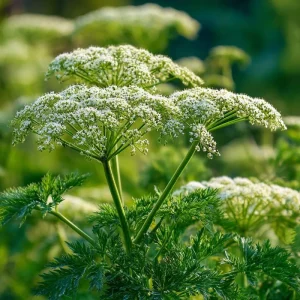
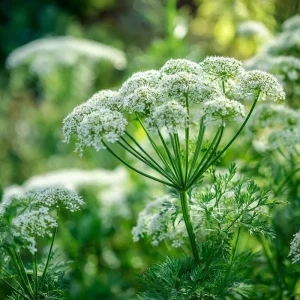
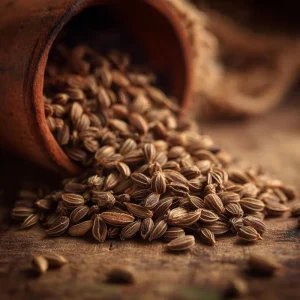
Discover the joy of growing your own anise seeds, an heirloom aromatic herb (Pimpinella anisum) renowned for its distinctive sweet, licorice-like flavor. These easy-to-grow seeds will yield a fragrant plant perfect for enhancing your culinary endeavors, from baking to savory dishes, and for traditional herbal remedies. Anise is not only a fantastic addition to your kitchen garden but also a beautiful plant with delicate white flowers that attract beneficial pollinators to your outdoor space. Its versatility makes it a must-have for both novice and experienced gardeners looking to cultivate a unique and rewarding herb. Our premium anise seeds are carefully selected to ensure high germination rates, providing you with a robust start to your gardening project. Whether you’re looking to expand your herb collection, create a pollinator-friendly garden, or simply enjoy the fresh taste of homegrown anise, these aromatic herb seeds offer an excellent opportunity. The plant’s attractive foliage and charming flower umbels add visual interest to any garden bed, container, or specialized herb garden.
Key Benefits
Growing anise seeds offers a multitude of benefits, from enriching your diet with fresh flavors to supporting local ecosystems. This versatile herb is a fantastic choice for any home gardener.
- Culinary Versatility: Anise seeds and leaves add a unique sweet, licorice-like flavor to a wide range of dishes. Use them in baking for cookies and bread, in savory recipes for stews and sauces, or to create delightful teas and desserts. Enjoy the freshest ingredients straight from your garden.
- Medicinal Properties: Historically, anise has been valued for its potential medicinal uses, often employed in herbal remedies for digestive support and as a mild expectorant. Cultivating your own ensures a fresh supply for these traditional applications.
- Attracts Pollinators: The delicate white flowers of pimpinella anisum are a magnet for beneficial insects like bees and butterflies, contributing to the health and biodiversity of your garden ecosystem. This makes it an excellent choice for a pollinator garden.
- Easy to Grow: Anise is a relatively low-maintenance herb, making it suitable for gardeners of all skill levels. It thrives with basic care, requiring full sun and well-drained soil, and is forgiving of minor neglect. You’ll find it easy to grow anise successfully.
- Aromatic Appeal: Beyond its culinary uses, the entire plant, especially its seeds, emits a pleasant, aromatic fragrance that can enhance the sensory experience of your garden. Enjoy the natural perfume of this lovely herb.
- Heirloom Quality: Our anise seeds are heirloom varieties, meaning they are open-pollinated and have been passed down through generations. This ensures genetic diversity and often results in more robust plants with superior flavor.
- Container Friendly: Despite its potential for garden beds, anise also grows well in containers, making it an ideal choice for patios, balconies, or small spaces where traditional gardening isn’t possible.
Plant Care & Growing Tips
To successfully grow anise, providing the right conditions is key. This herb thrives in warm, sunny environments and well-drained soil. Understanding its specific needs will help you achieve a bountiful harvest of fragrant seeds and foliage. Proper care ensures healthy growth and maximizes the distinctive flavor of your pimpinella anisum.
For optimal growth, anise requires full sun exposure, ideally receiving at least 6-8 hours of direct sunlight per day. Choose a location in your garden that is unshaded, or if growing in containers, place them in the sunniest spot available. The soil should be fertile and, most importantly, very well-drained. Anise does not tolerate soggy conditions, which can lead to root rot. A sandy loam or a good quality potting mix amended with compost works well. When sowing, plant anise seeds 1/4 inch deep. If starting indoors, do so 6-8 weeks before the last frost. For direct outdoor sowing, wait until all danger of frost has passed in spring. Keep the soil consistently moist until germination, which typically occurs within 10-14 days. Once seedlings are strong enough, thin them to 8-12 inches apart to allow for proper air circulation and growth.
Watering should be regular but always allow the top inch of soil to dry out slightly between waterings to prevent overwatering. Anise prefers a warm growing season and is generally considered an annual in most climates, though it may self-seed. It’s best suited for USDA zones 4-9 as an annual. Fertilization is generally not heavily required if the soil is rich, but a balanced liquid fertilizer can be applied sparingly during the growing season if growth appears sluggish. Keep the area around your anise plants free of weeds, as competition for nutrients and water can hinder their development. Harvest the seeds in late summer or early fall when they turn brown and dry on the plant. The anise plant care is relatively simple, making it a rewarding addition to any garden. The plant produces delicate white flowers that are quite attractive and will help you grow anise successfully by bringing in more pollinators.
Size & Details
This product includes a packet of premium anise seeds, providing you with the opportunity to cultivate this versatile herb at home. Each seed packet is designed to offer a generous quantity for successful planting, ensuring you have enough to start a thriving herb patch or several container plants. Anise typically grows to a height of 18-24 inches (45-60 cm) with a spread of about 12-18 inches (30-45 cm) when mature, forming an upright, bushy plant with delicate foliage and characteristic umbrella-shaped flower clusters.
The aromatic herb seeds are harvested from an heirloom variety of pimpinella anisum, ensuring genetic purity and robust growth. Expect germination within 10-14 days under ideal conditions. The plant will produce its aromatic seeds in late summer to early fall, ready for harvest approximately 90-120 days after planting. These seeds are perfect for both culinary and ornamental use, adding a unique texture and fragrance to your garden space.
Frequently Asked Questions
- Q: How many seeds are included in this packet? A: While the exact count may vary, each packet contains a generous quantity of anise seeds to ensure a successful planting experience for your garden. We aim to provide enough for multiple plantings or a sizable herb patch.
- Q: Is anise an indoor or outdoor plant? A: Anise thrives best outdoors in full sun, but it can be grown in containers on a sunny patio or balcony. If kept indoors, it requires a very bright, sunny window to flourish.
- Q: How much sun does anise need? A: For optimal growth and seed production, pimpinella anisum requires full sun, meaning at least 6-8 hours of direct sunlight per day. Less light may result in leggy growth and fewer seeds.
- Q: Is this plant easy to care for? A: Yes, anise is considered an easy-to-grow herb, making it suitable for gardeners of all experience levels. Its primary needs for successful anise plant care are full sun, well-drained soil, and consistent but not excessive watering.
- Q: When is the best time to plant anise seeds? A: You can sow anise seeds indoors 6-8 weeks before the last frost, or directly outdoors in spring after all danger of frost has passed and the soil has warmed. This timing helps to grow anise effectively.
- Q: What condition will the seeds arrive in? A: Your aromatic herb seeds will arrive in a protective packet, ensuring they are dry and viable, ready for planting upon arrival. We take care to package them securely for transit.
- Q: Can I use anise in cooking? A: Absolutely! Anise is primarily grown for its culinary uses. The seeds have a distinct sweet, licorice-like flavor and are used in baking, teas, and various savory dishes.
- Q: How long does it take for anise to germinate? A: Under ideal conditions, anise seeds typically germinate within 10-14 days after sowing. Consistent moisture and warmth are crucial for successful germination.
- Q: What type of soil does anise prefer? A: Anise prefers fertile, well-drained soil. A sandy loam or a good quality potting mix amended with compost will provide the best growing medium. Avoid heavy, clay soils that retain too much moisture.
- Q: Will anise attract pollinators to my garden? A: Yes, the delicate white flowers of anise are known to attract beneficial pollinators like bees and butterflies, making it a great addition to a pollinator-friendly garden.


Reviews
There are no reviews yet.