Overview
Introduce elegance and vibrant color to your garden with the Ann Magnolia Tree. This beautiful live plant arrives ready for planting, typically measuring 6-12 inches in height and potted in a 2.5-inch container. Known for its spectacular, fragrant pink flowers that bloom in spring and often rebloom in summer, the Ann Magnolia is a popular choice for its ornamental value and manageable size. It’s a deciduous tree, meaning it will enter a dormant, leafless state during late fall and winter, which is a natural and healthy part of its life cycle. This particular variety, often referred to as a dwarf Magnolia tree, is celebrated for its compact growth habit, making it suitable for a variety of landscape designs, from accent planting to flowering hedges. Its rich floral display and sturdy nature make it a cherished addition to any outdoor space.
The Ann Magnolia is part of the ‘Little Girl’ series, renowned for their hardiness and beautiful blooms. When established, this tree offers a stunning visual impact, transforming your yard with its early-season color and delightful scent. It is a robust and adaptable plant, thriving across a wide range of climates and soil conditions within its recommended hardiness zones. Whether you’re a seasoned gardener or just starting, the Ann Magnolia Tree provides a rewarding planting experience and years of beauty.
Key Benefits
The Ann Magnolia Tree offers numerous advantages for any landscape, combining aesthetic appeal with ease of care:
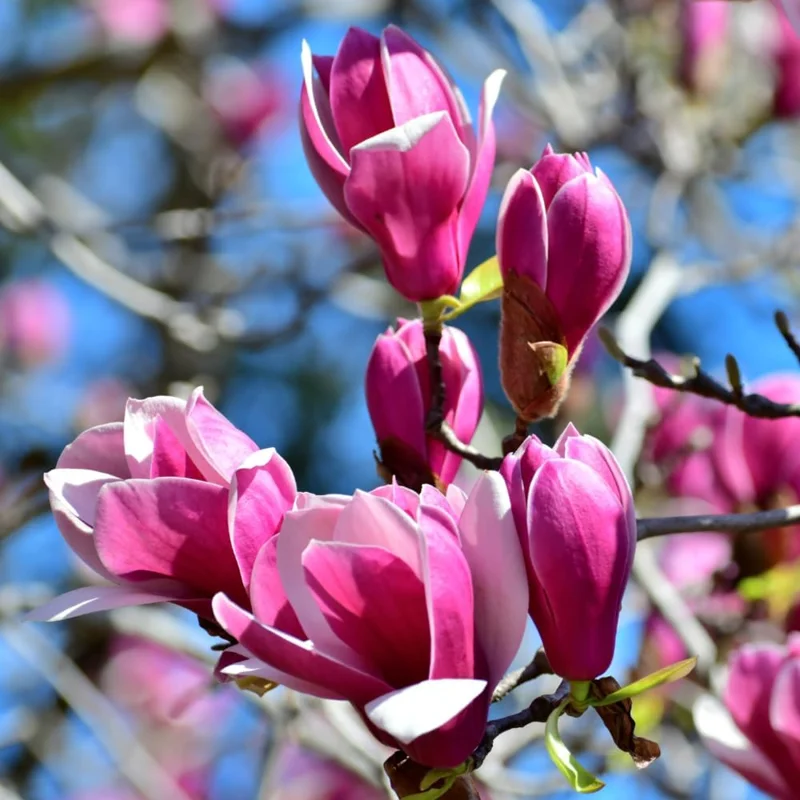
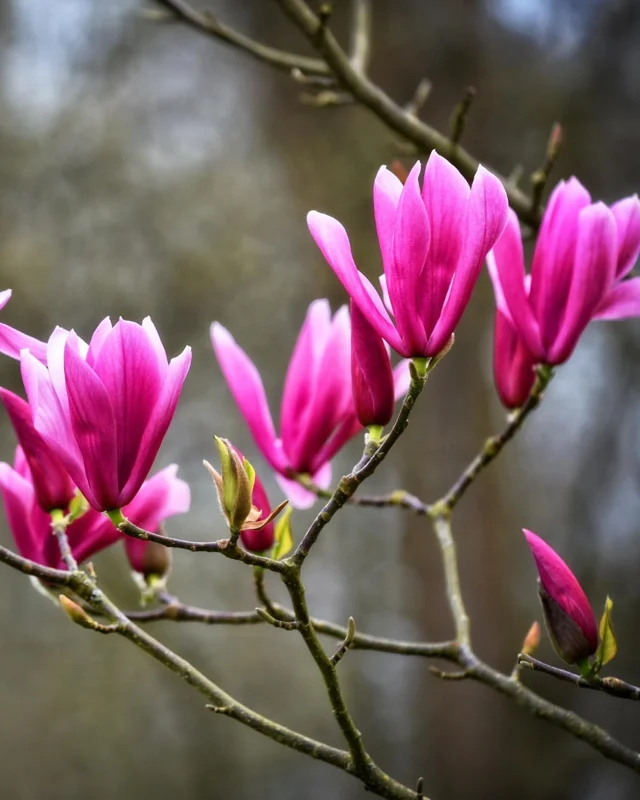
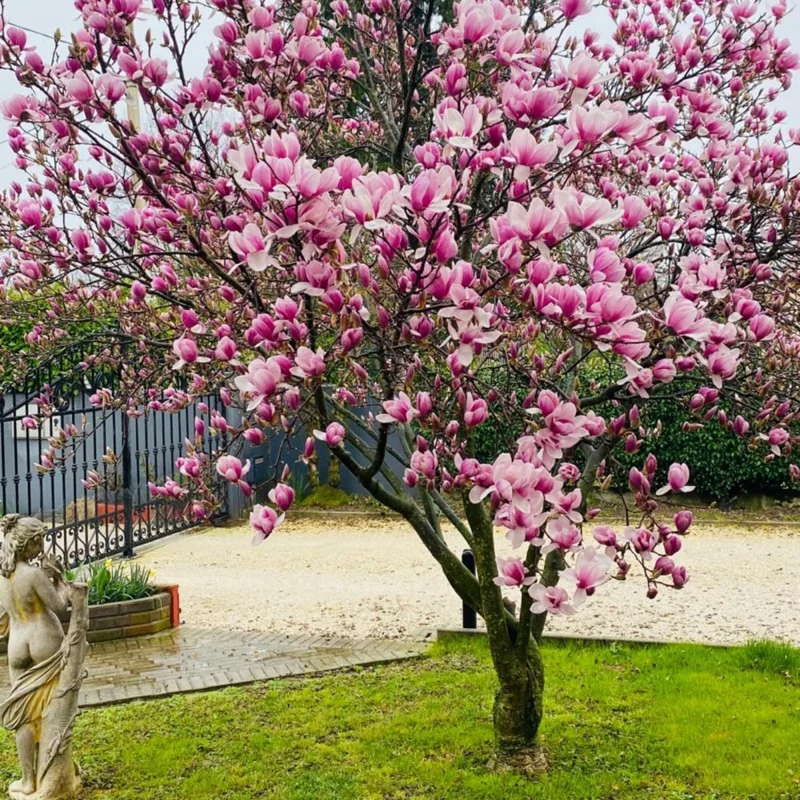
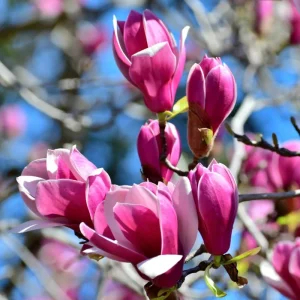
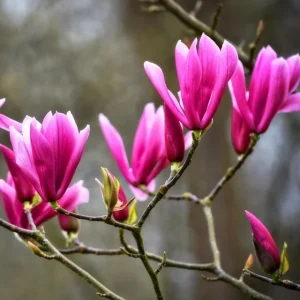
- Spectacular Floral Display: Enjoy abundant, deep pink to reddish-purple, cup-shaped flowers that emerge in early spring before the leaves, creating a breathtaking spectacle. The blossoms are not just visually appealing but also emit a lovely fragrance.
- Compact & Manageable Size: With a mature height and width of 8-10 feet, this is an excellent Magnolia for small gardens, patios, or urban settings where larger trees might be overwhelming.
- Low Maintenance: Once established, the Ann Magnolia requires minimal care, making it suitable for busy gardeners. It’s generally pest and disease resistant.
- Extended Bloom Time: While its primary bloom is in spring, the Ann Magnolia often reblooms intermittently throughout the summer, extending its season of interest.
- Versatile Landscaping Use: Perfect as a specimen tree, part of a mixed border, or as a vibrant flowering hedge. Its upright, rounded form adds structure and beauty.
- Cold Hardiness: This variety is exceptionally hardy, thriving in USDA zones 3-7, which means it can withstand colder winter temperatures than many other magnolias.
- Fragrant Blooms: The delicate, sweet scent of its pink flowers adds an extra dimension of sensory pleasure to your garden. Many gardeners seek out a fragrant pink Magnolia for this very reason.
Plant Care & Growing Tips
Caring for your Ann Magnolia Tree is straightforward, ensuring years of beautiful blooms. This live plant thrives with proper siting and basic maintenance. For optimal growth, choose a location that receives full sun to partial shade. Full sun (at least 6 hours of direct sunlight daily) will encourage the most prolific flowering, but some afternoon shade can be beneficial in hotter climates to prevent leaf scorch. Ensure good air circulation around the plant.
The Ann Magnolia prefers well-draining, slightly acidic to neutral soil. While adaptable to various soil types, avoid heavy, compacted, or waterlogged conditions, as this can lead to root rot. Amend clay soils with organic matter like compost to improve drainage and structure. Water regularly during the first growing season to help establish a strong root system. Once established, it is moderately drought-tolerant but will benefit from supplemental watering during prolonged dry spells. During dormancy in winter, watering should be reduced. Fertilize in early spring with a balanced, slow-release granular fertilizer formulated for trees and shrubs. Follow package directions for application rates. Pruning is generally not necessary beyond removing dead, damaged, or crossing branches. If shaping is desired, prune immediately after the spring bloom to avoid cutting off next year’s flower buds. The Ann Magnolia plant is generally robust, but keep an eye out for common garden pests and diseases, addressing any issues promptly with appropriate organic or chemical treatments.
Size & Details
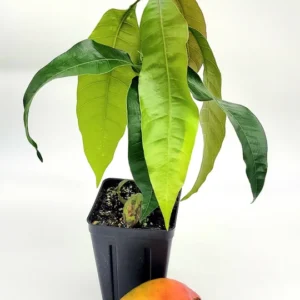
Your Ann Magnolia Tree will arrive as a live plant, typically measuring between 6-12 inches in height from the top of the soil to the tip of the plant. It is securely rooted in a 2.5-inch nursery pot, providing a healthy start for transplantation. During late fall and winter months, it is natural for the plant to be dormant and leafless, which is a sign of its healthy seasonal cycle. This compact variety matures to an average height of 8-10 feet and a spread of 8-10 feet, forming an attractive, upright, and rounded silhouette. Its moderate growth rate means it will gradually fill its space without becoming overly large, making it an ideal Magnolia for small gardens or as a focal point in a mixed border. The plant is shipped in its container, ensuring minimal root disturbance and a smooth transition to your garden. Expect its first significant bloom in spring, with potential reblooming through summer once established.
Frequently Asked Questions
- Q: How big does this plant get? A: The Ann Magnolia Tree typically matures to a height and width of 8-10 feet, making it a compact and manageable tree for most landscapes.
- Q: What size pot does it come in? A: This live plant is shipped in a 2.5-inch nursery pot, and the tree itself measures between 6-12 inches tall upon arrival.
- Q: Is this an indoor or outdoor plant? A: The Ann Magnolia is an outdoor plant, hardy in USDA zones 3-7, and requires outdoor conditions to thrive and bloom.
- Q: How much sunlight does it need? A: This plant performs best in full sun (at least 6 hours of direct sunlight) to partial shade. More sun generally leads to more abundant flowering.
- Q: Is this plant easy to care for? A: Yes, the Ann Magnolia plant is considered low-maintenance once established, requiring basic watering, occasional fertilization, and minimal pruning. It’s a great choice for various gardening skill levels.
- Q: What condition will it arrive in? A: Your plant will arrive as a healthy, live specimen in a 2.5-inch pot. During dormancy (late fall/winter), it will be leafless, which is normal and healthy.
- Q: How long until it blooms? A: Ann Magnolias typically bloom in early spring, often before leaves emerge, and may rebloom intermittently in summer. Established plants usually bloom the most profusely.
- Q: Will this fragrant pink Magnolia survive winter in my zone? A: The Ann Magnolia is very cold-hardy, suitable for USDA Zones 3-7, and will tolerate winter temperatures within this range.
- Q: What type of soil does it prefer? A: It prefers well-draining, slightly acidic to neutral soil. Amending heavy clay soils with organic matter is beneficial.
- Q: Can this be used as a flowering hedge? A: Absolutely! Its compact size and dense growth make it an excellent choice for a vibrant, flowering hedge or border, particularly a Magnolia for small gardens.


Reviews
There are no reviews yet.