Overview
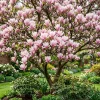
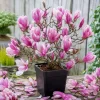
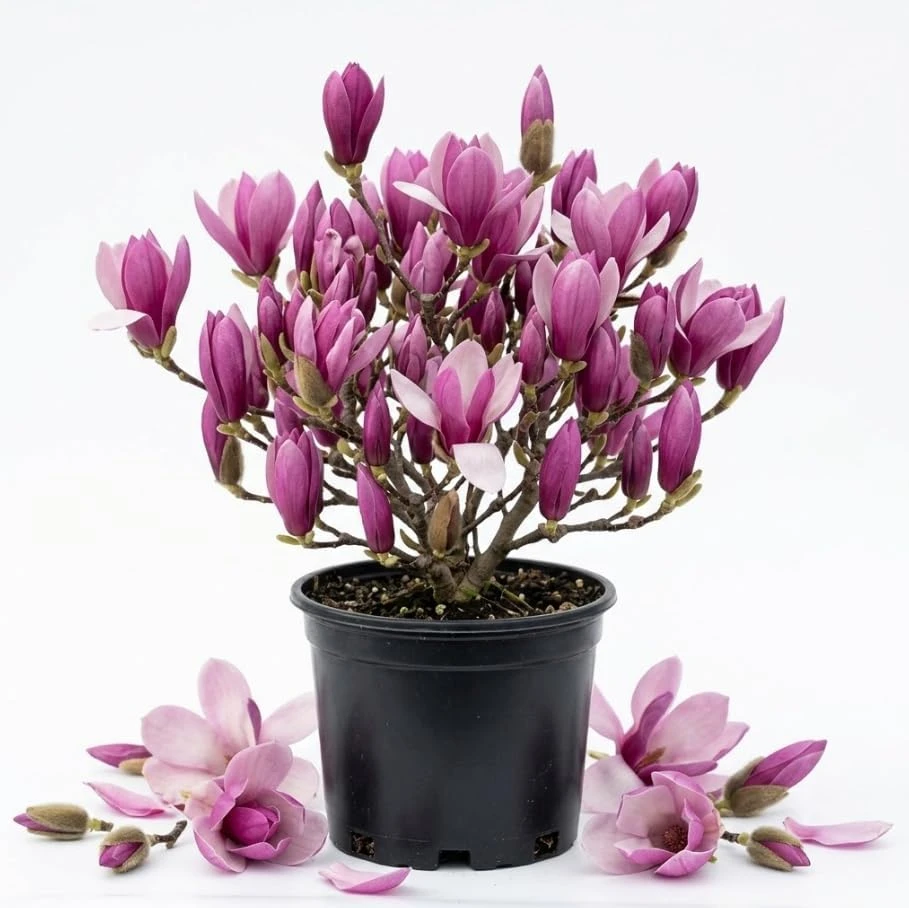
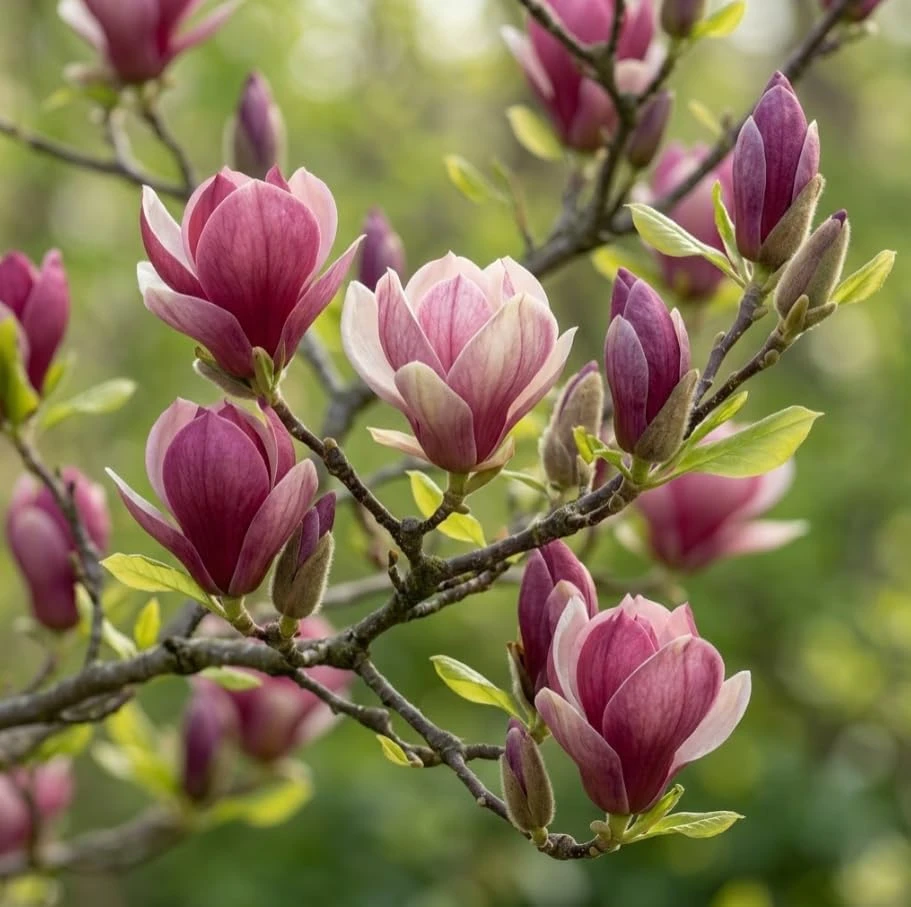
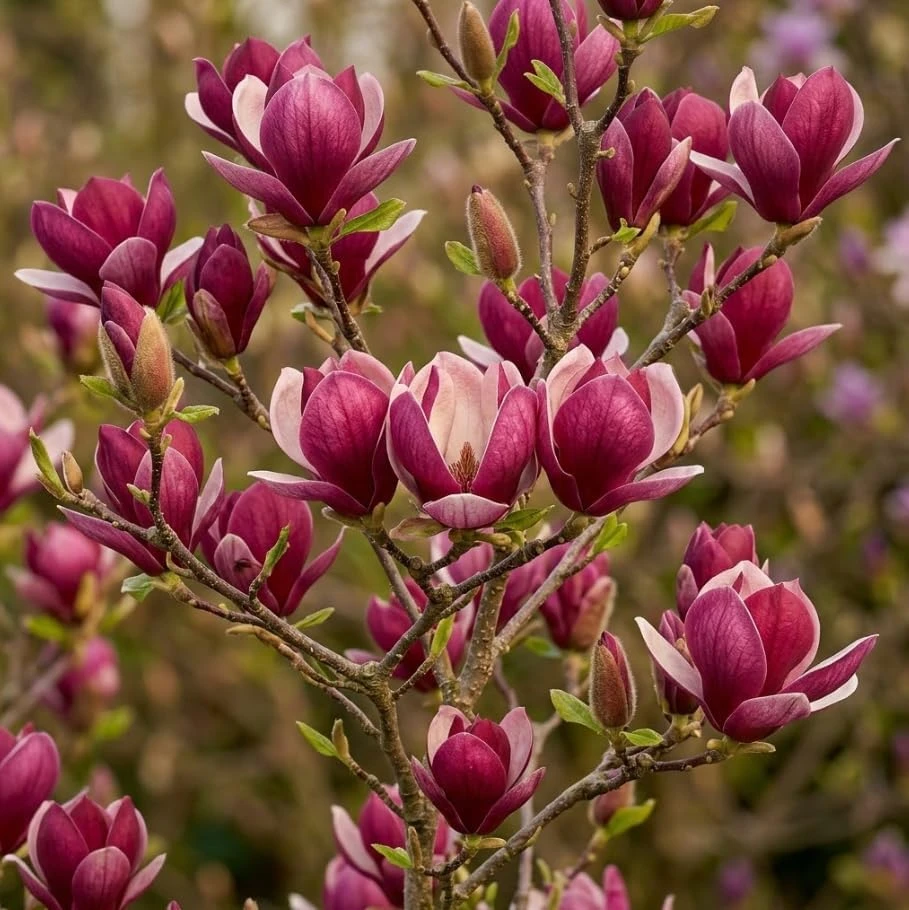
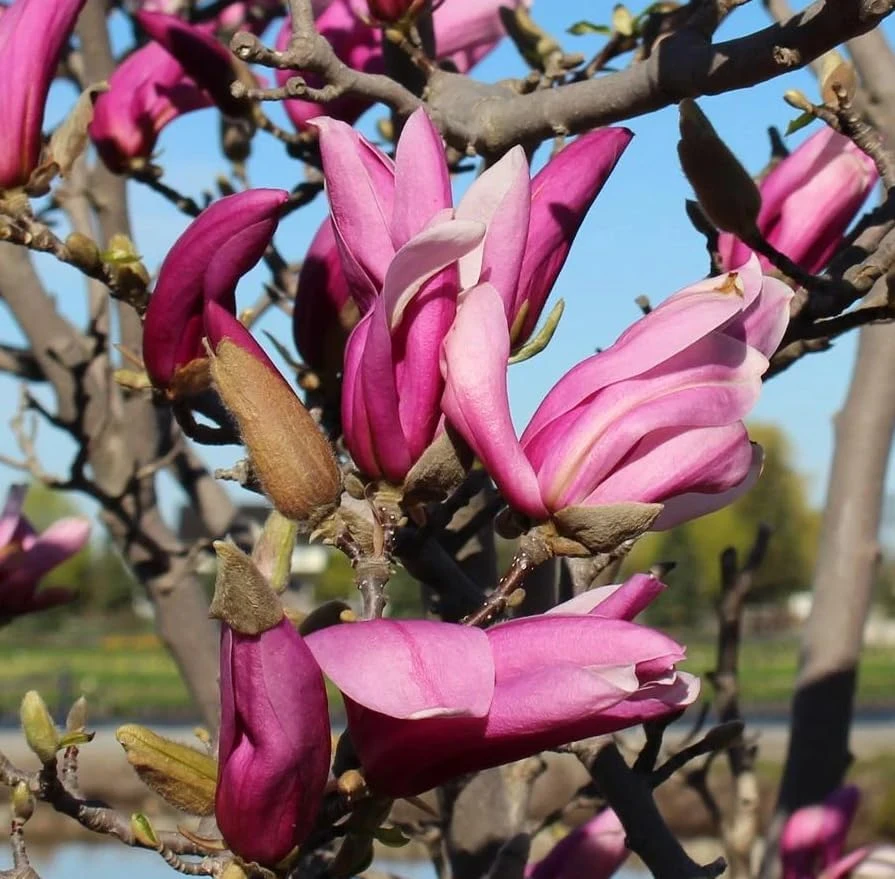
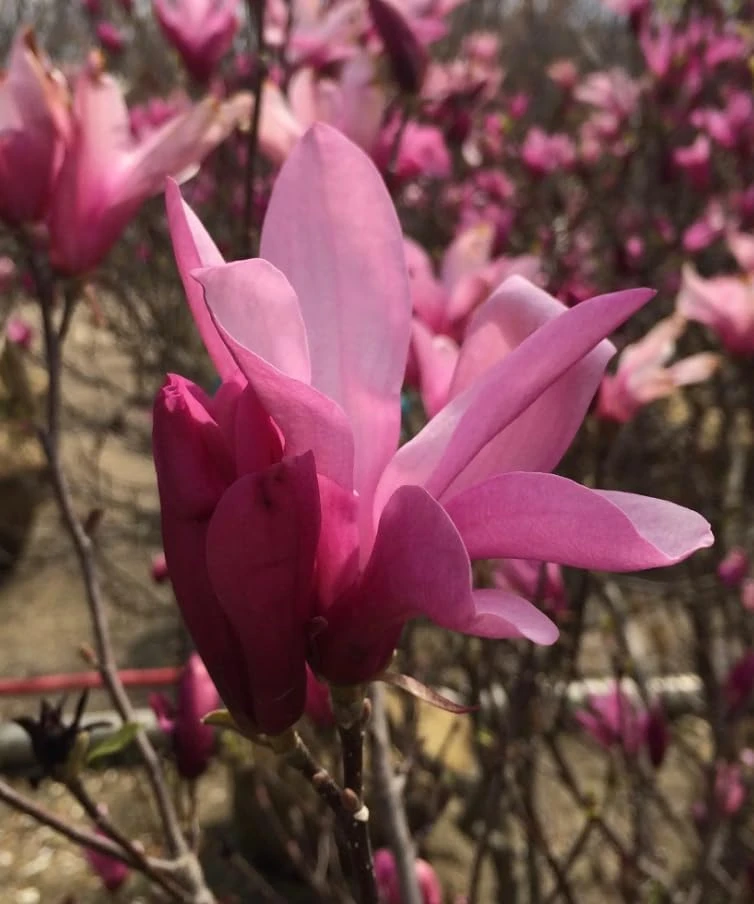
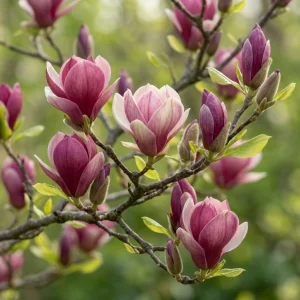
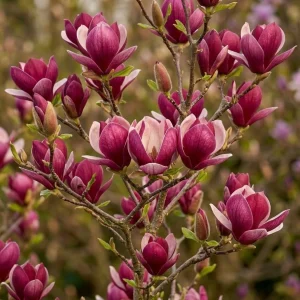
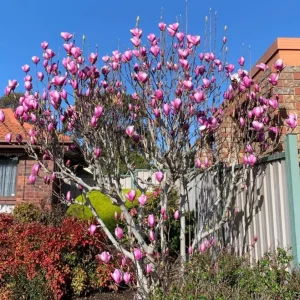
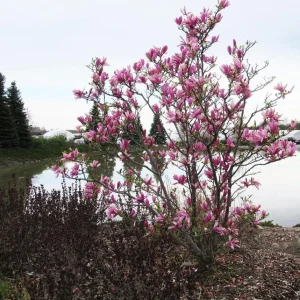
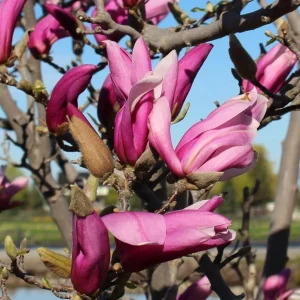
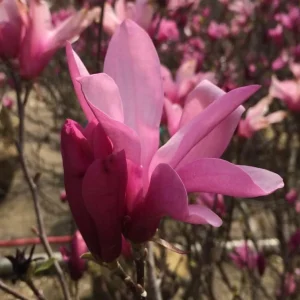
Introduce a touch of elegance and vivid color to your landscape with the exquisite Ann Magnolia Tree. This live plant is celebrated for its stunning purple-red, goblet-shaped flowers that emerge in early spring, often before the leaves. A hybrid variety of the saucer magnolia, the Ann Magnolia is known for its compact growth habit, making it an excellent choice for a variety of garden settings, from intimate urban spaces to more expansive borders. Each Ann Magnolia Tree arrives as a healthy, thriving specimen, typically standing 12 to 18 inches tall and rooted in a gallon pot, perfectly sized for immediate transplanting. Its sweet-scented blossoms not only provide visual appeal but also fill your outdoor spaces with a delightful aroma, inviting pollinators and admirers alike. This resilient and adaptable shrub promises to be a cherished addition, delivering consistent beauty year after year.
The Ann Magnolia Tree is a deciduous shrub that offers a dramatic floral display. Its relatively small stature allows it to fit seamlessly into diverse garden designs, whether as a focal point, a foundational planting, or part of a mixed border. With its distinctive purple-red flowers, this plant creates a captivating visual impact, transforming any garden into a vibrant sanctuary. Its ease of care and robust nature make it a favored choice among both novice and experienced gardeners seeking a high-impact, low-maintenance ornamental plant.
Key Benefits
The Ann Magnolia Tree offers numerous advantages, making it a highly desirable addition to any garden or landscape. Its striking beauty and manageable size are just a few of the reasons why this plant stands out:
- Stunning Purple-Red Blooms: The most captivating feature of the Ann Magnolia is its abundant, rich purple-red flowers. These vibrant blossoms provide a dramatic splash of color in early spring, creating an eye-catching display that signals the arrival of warmer weather. The deep hue adds a sophisticated touch to any garden palette.
- Delightful Sweet Fragrance: Beyond their visual appeal, the flowers of this sweet magnolia shrub emit a pleasant, subtle fragrance. This natural perfume enhances the sensory experience of your garden, making outdoor spaces more inviting and enjoyable for relaxation and entertainment.
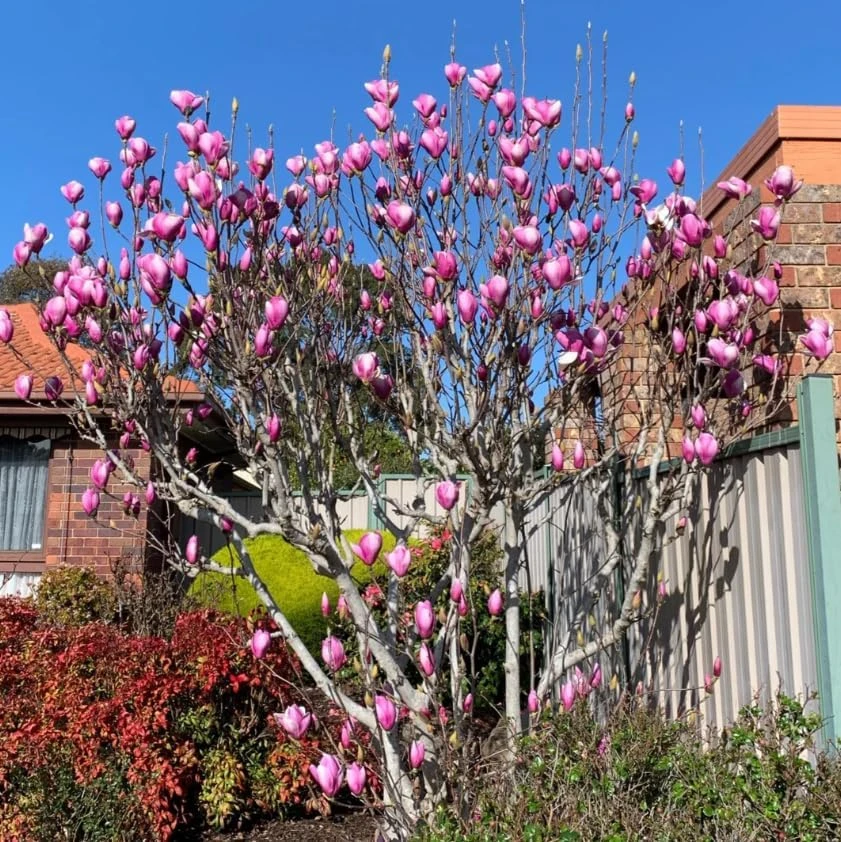
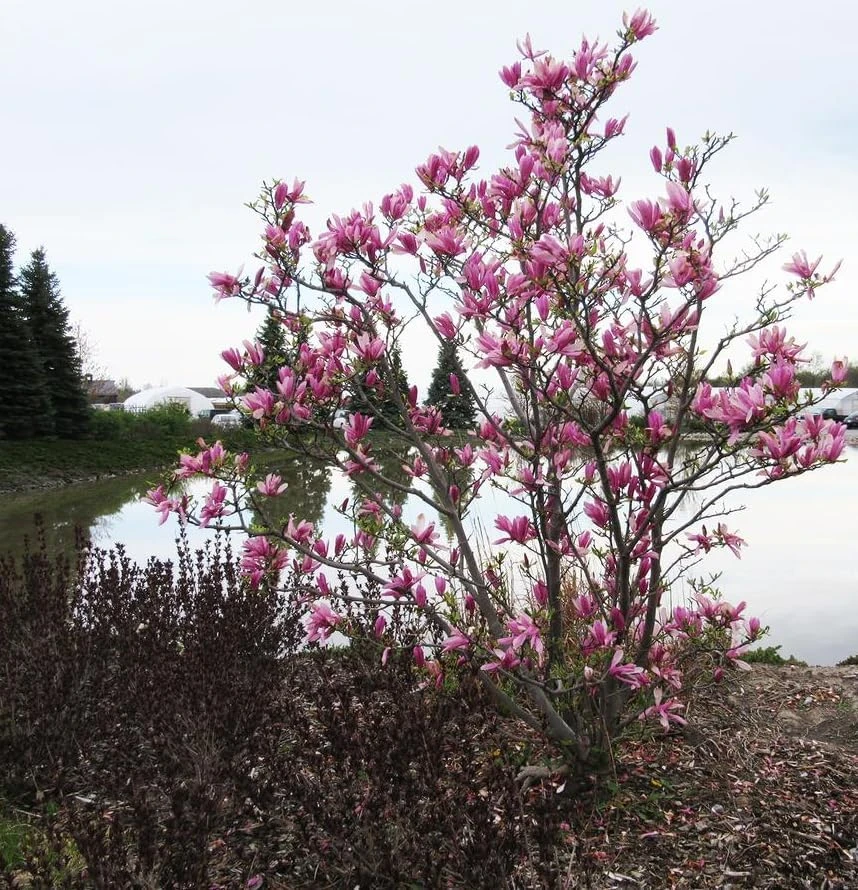
- Compact & Versatile Growth: As a compact magnolia, the Ann Magnolia typically grows to a manageable size, usually 8-10 feet tall and wide. This makes it ideal for smaller gardens, urban landscapes, foundation plantings, or as an elegant accent plant without overwhelming the space.
- Early Spring Interest: One of the first plants to bloom in spring, the Ann Magnolia provides much-needed color and life to the dormant landscape. Its early flowering habit ensures your garden awakens with beauty, offering a refreshing start to the growing season.
- Easy to Grow & Low Maintenance: This resilient shrub is relatively easy to care for, thriving in a range of conditions once established. It requires minimal pruning and is generally resistant to many common pests and diseases, making it a great choice for busy gardeners.
- Attracts Pollinators: The beautiful blossoms of the Ann Magnolia Tree attract early-season pollinators like bees, contributing to the biodiversity and health of your garden ecosystem.
Plant Care & Growing Tips
Caring for your Ann Magnolia Tree is straightforward, ensuring years of beautiful blooms. This live plant thrives in conditions that mimic its natural habitat, making it a rewarding addition to your outdoor space. For optimal growth and flowering, specific considerations for sunlight, watering, and soil are essential. The Ann Magnolia prefers a location with full sun to partial shade. Full sun (at least 6 hours of direct sunlight daily) will encourage the most prolific flowering, while partial shade, especially in hotter climates, can protect the blossoms from scorching and extend their lifespan. Ensure the chosen site offers good air circulation to prevent fungal issues.
When it comes to watering, consistent moisture is key, especially during the first year after planting and during dry spells. Water deeply and regularly, allowing the top inch or two of soil to dry out slightly between waterings. Avoid overwatering, as magnolias do not tolerate soggy roots. Good drainage is crucial. The purple magnolia plant thrives in well-drained, fertile, slightly acidic soil. Amend heavy clay soils with organic matter like compost or peat moss to improve drainage and nutrient content. A layer of mulch around the base of the tree will help retain soil moisture, regulate soil temperature, and suppress weeds. This compact magnolia is hardy in USDA zones 4-8, tolerating a range of winter temperatures. Fertilize in early spring with a balanced, slow-release granular fertilizer formulated for acid-loving plants. Pruning is generally minimal; focus on removing dead, damaged, or crossing branches after flowering to maintain shape and health. Watch for common issues like powdery mildew or scale insects, and address them promptly with appropriate organic or chemical treatments.
Size & Details
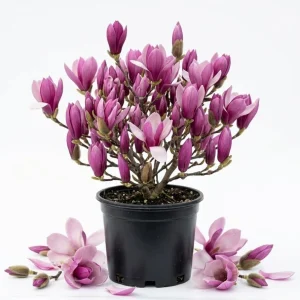
The Ann Magnolia Tree is a captivating deciduous shrub that typically reaches a mature height and spread of 8 to 10 feet, making it an excellent choice for various garden applications. Its moderate growth rate allows it to establish well and provide a significant visual impact within a few years. Each magnolia outdoor plant arrives as a vibrant live specimen, carefully nurtured to stand between 12 to 18 inches tall. It is securely potted in a gallon-sized container, providing ample root space for healthy development and ensuring a smooth transition when transplanted into your garden bed, border, or a larger decorative container.
This size makes it easy to handle and plant, giving it a strong start in its new environment. Expect the first blossoms in early spring, often within the first year or two after planting, with the plant reaching its full flowering potential as it matures. The Ann Magnolia is shipped in its nursery pot, with soil, to minimize transplant shock and ensure it arrives ready to thrive. Its robust root system and established growth make it a reliable choice for adding enduring beauty to your landscape.
Frequently Asked Questions
- Q: How big does this plant get? A: The Ann Magnolia Tree typically grows to a mature height and spread of 8 to 10 feet. It’s considered a compact shrub, making it suitable for various garden sizes and landscape designs.
- Q: What size pot does it come in? A: Each Ann Magnolia Tree arrives potted in a gallon-sized container, standing approximately 12 to 18 inches tall. This size is ideal for transplanting into your garden or a larger pot.
- Q: Is this an indoor or outdoor plant? A: The Ann Magnolia is an outdoor plant, hardy in USDA Zones 4-8. It requires outdoor conditions to thrive and bloom effectively, making it a perfect magnolia outdoor plant.
- Q: How much sunlight does it need? A: This plant thrives in full sun to partial shade. For the most abundant flowering, aim for at least 6 hours of direct sunlight per day. Partial shade can be beneficial in hotter climates.
- Q: Is this plant easy to care for? A: Yes, the Ann Magnolia is relatively easy to care for once established. It requires consistent watering during dry periods and benefits from well-drained, slightly acidic soil. It’s a great choice for both beginner and experienced gardeners.
- Q: What condition will it arrive in? A: Your Ann Magnolia Tree will arrive as a healthy, live plant, securely packaged in its gallon pot with soil, ready for planting. We take great care to ensure it reaches you in excellent condition.
- Q: When is the best time to plant? A: The best time to plant the Ann Magnolia is in spring or fall when temperatures are moderate. This allows the plant to establish its root system before extreme heat or cold.
- Q: Will it survive winter in my zone? A: The Ann Magnolia is hardy in USDA Zones 4-8, meaning it can tolerate winter temperatures in these regions. In colder zones, adequate winter protection, such as mulching, may be beneficial.
- Q: What type of soil does the Ann Magnolia prefer? A: The Ann Magnolia Tree prefers well-drained, fertile, and slightly acidic soil. Amending heavy clay soils with organic matter will improve drainage and create an ideal growing environment.
- Q: Does this magnolia have a fragrance? A: Yes, the flowers of the Ann Magnolia are known for their delightful, sweet fragrance, adding an extra sensory dimension to your garden.


Reviews
There are no reviews yet.