Overview
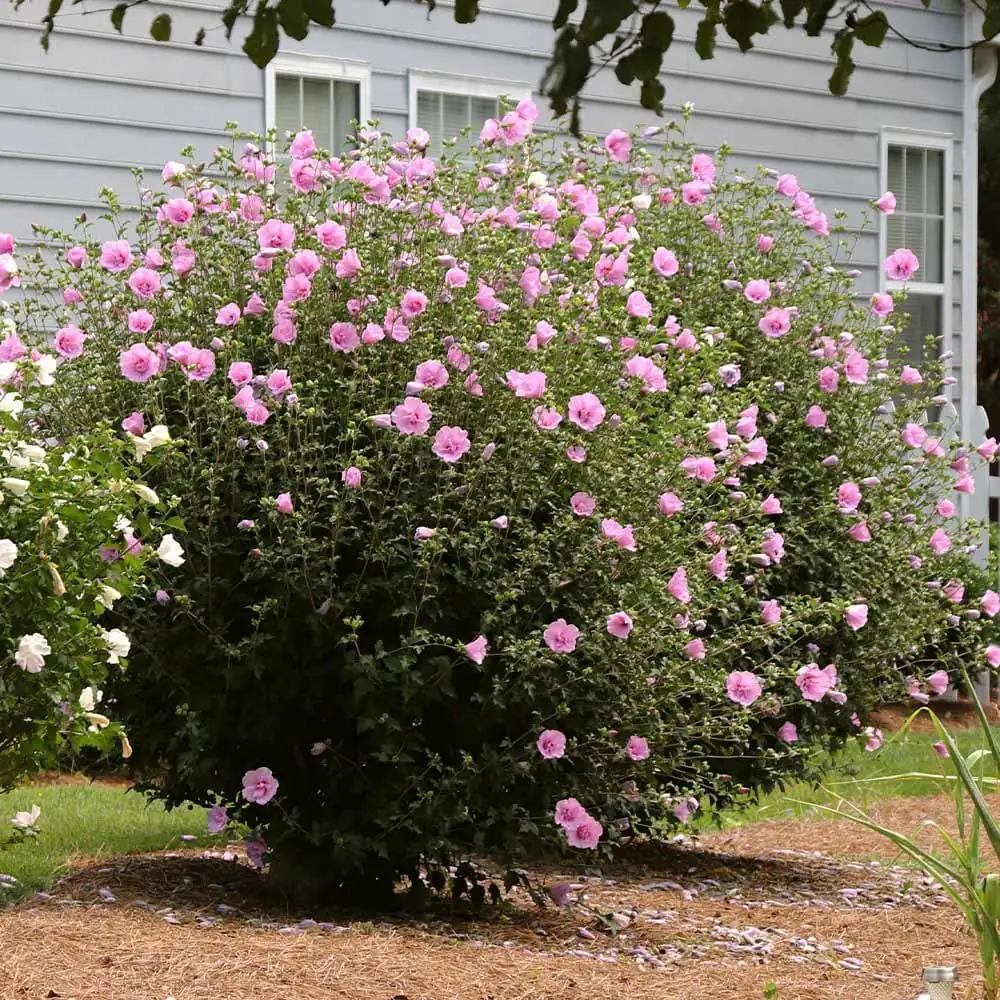
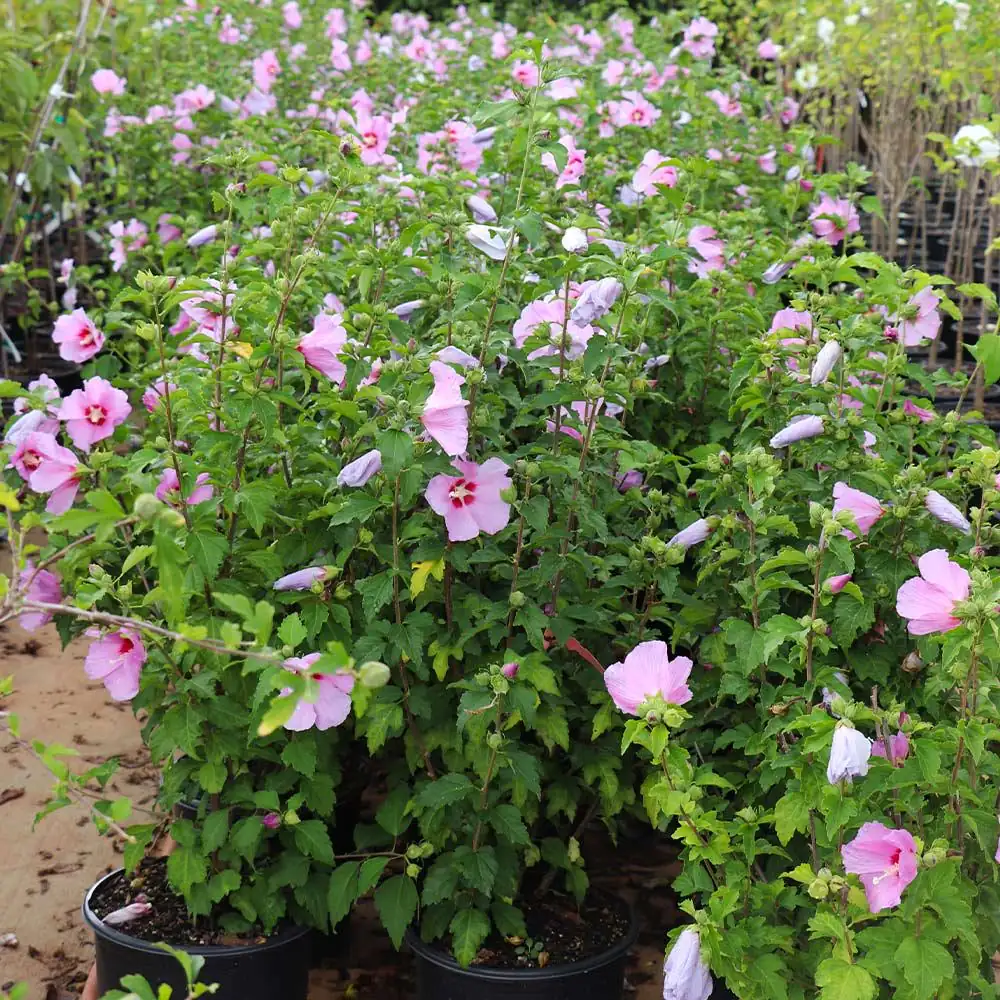
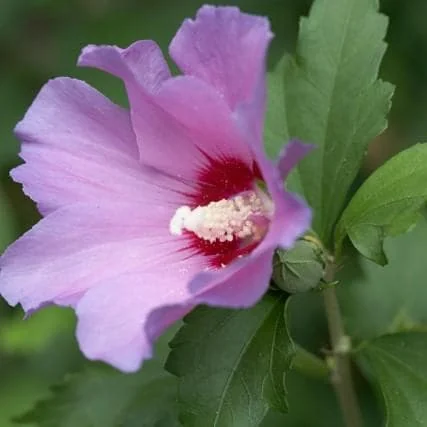
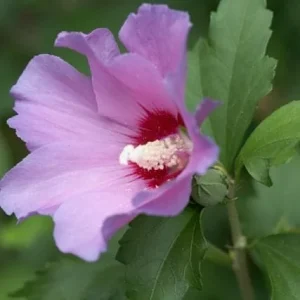
Introduce the captivating beauty of the Aphrodite Rose of Sharon bare root to your garden. This exceptional plant, scientifically known as Hibiscus Syriacus plant, is highly cherished for its spectacular bloom cycle, featuring large, single dark pink flowers with a prominent dark red eye. These stunning blossoms emerge in mid to late summer, providing a much-needed splash of color when many other flowering shrubs have finished their display. As a hardy hibiscus shrub, it is remarkably resilient and adaptable, making it an excellent choice for gardeners of all experience levels. The Aphrodite Rose of Sharon can grow to an impressive 8-12 feet tall, offering a significant vertical element to your landscape design. It’s a deciduous shrub that can be trained as a small tree or espalier, showcasing its versatility and ornamental value. Planting these bare root specimens allows for optimal establishment and growth, ensuring a robust and vibrant addition to your outdoor space.
The Rose of Sharon, also affectionately known as althea or shrub althea, is a vigorous, multi-stemmed plant that forms an attractive vase shape. Its hollyhock-like flowers, reaching up to 3 inches in diameter, are a true spectacle, appearing continuously from early summer into fall. Each flower boasts a showy central staminal column that adds to its exotic appeal. The medium green, palmately-veined leaves, typically 4 inches long, provide a lush backdrop throughout the growing season. The Aphrodite Rose of Sharon bare root is an unbranded, store-brand product, ensuring you receive a high-quality plant ready to thrive in your garden.
Key Benefits
Adding the Aphrodite Rose of Sharon bare root to your garden brings a multitude of benefits, enhancing both its aesthetic appeal and ecological value. This plant is a true summer showstopper, offering a unique blend of beauty and resilience.
- Extended Bloom Season: Enjoy large, dark pink flowers with a striking red eye from mid to late summer, filling a gap when many other shrubs have finished blooming. This prolonged display ensures continuous garden interest.
- Low Maintenance & Adaptability: The Hibiscus Syriacus plant is known for its hardiness and ability to thrive in various conditions, from full sun to partial shade, and in most soil types. This makes it an ideal choice for busy gardeners.
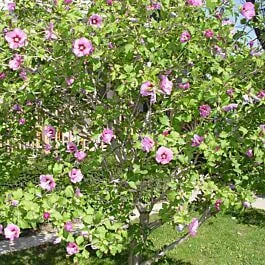
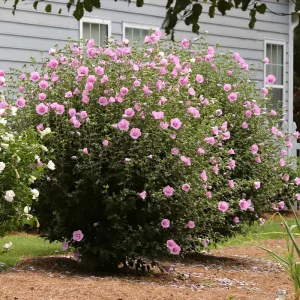
- Vibrant Landscape Addition: Its vigorous growth and upward, vase-shaped form create a beautiful focal point or a stunning backdrop in any garden, adding structure and height with its impressive 8-12 foot mature height.
- Attracts Pollinators: The showy flowers of this hardy hibiscus shrub are a magnet for bees, butterflies, and hummingbirds, contributing to the biodiversity and health of your garden ecosystem.
- Versatile Garden Use: Can be grown as a standalone specimen, integrated into mixed borders, or even trained as a small tree or espalier, offering flexibility in landscape design.
- Easy to Transplant: The moderate growth rate and adaptability of the Aphrodite Rose of Sharon bare root make it relatively easy to transplant if you decide to reconfigure your garden layout.
- Timeless Appeal: With common names like althea, swamp mallow, and rose mallow, this plant carries a rich history and a classic, enduring charm that enhances any garden style.
Plant Care & Growing Tips
Caring for your Aphrodite Rose of Sharon bare root is straightforward, ensuring a bountiful display of its beautiful flowers. This Hibiscus Syriacus plant is known for its resilience, but providing optimal conditions will help it reach its full potential. For best results, plant your bare root in a location that receives full sun to partial shade. Full sun (at least 6 hours of direct sunlight daily) will encourage the most prolific blooming. While adaptable to most soil types, it prefers well-draining soil with a slightly acidic to neutral pH. Amend heavy clay soils with organic matter to improve drainage, and sandy soils with compost to enhance water retention.
Watering is crucial, especially during the first growing season, to help the bare root establish a strong root system. Keep the soil consistently moist but not waterlogged. Once established, the hardy hibiscus shrub is moderately drought-tolerant but will perform best with regular watering during dry spells. Fertilize in early spring with a balanced, slow-release granular fertilizer formulated for flowering shrubs. Pruning should be done in late winter or early spring before new growth begins. Frequent severe pruning will result in fewer but larger flowers, while light or no pruning will yield many small flowers. Remove any dead, damaged, or crossing branches to maintain a healthy structure. This Aphrodite Rose of Sharon bare root is generally pest and disease resistant, making it a low-maintenance choice for your garden.
Size & Details
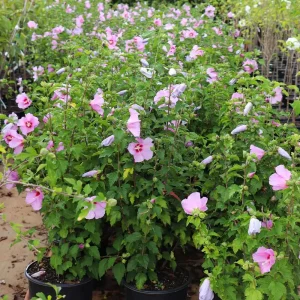
The Aphrodite Rose of Sharon bare root plant, also known as Hibiscus Syriacus plant, typically grows into a vigorous, upright, vase-shaped, multi-stemmed deciduous shrub, reaching an impressive height of 8-12 feet tall with a similar spread. The showy, hollyhock-like flowers are approximately 3 inches in diameter. These bare root plants are shipped without soil or a pot, making them lightweight and easy to handle upon arrival. Planting them allows for direct contact with your garden soil, promoting rapid establishment. The growth rate ranges from slow to moderate, allowing you to enjoy its development over time. Expect the peak blooming of the hardy hibiscus shrub to occur around August, with flowers continuing through fall. With proper care, these plants will quickly establish themselves and begin to produce their characteristic large, dark pink blooms. Each bare root is carefully selected to ensure a healthy start in your garden.
Frequently Asked Questions
- Q: How big does this Aphrodite Rose of Sharon bare root plant get? A: The Aphrodite Rose of Sharon bare root typically grows to a mature height of 8-12 feet tall with a similar spread, forming a vigorous, upright, and vase-shaped shrub. It can also be trained as a small tree.
- Q: Is this an indoor or outdoor plant? How much sunlight does it need? A: This is an outdoor plant. The Hibiscus Syriacus plant thrives best in full sun, meaning at least 6 hours of direct sunlight per day, but it can also tolerate partial shade.
- Q: Is this plant easy to care for? Is it good for beginners? A: Yes, the Aphrodite Rose of Sharon bare root is considered relatively easy to care for and is a great choice for beginners due to its hardiness and adaptability to various soil conditions.
- Q: What condition will the bare root arrive in? Is it shipped in soil? A: Your Aphrodite Rose of Sharon bare root will arrive as a dormant bare root, meaning it is shipped without soil or a pot. This method encourages strong root development once planted.
- Q: When is the best time to plant the Aphrodite Rose of Sharon bare root? A: The ideal time to plant bare root shrubs like the hardy hibiscus shrub is in late winter or early spring, before new growth begins, allowing the roots to establish before summer heat.
- Q: How long until the Aphrodite Rose of Sharon blooms? A: While establishment takes time, you can often expect your Aphrodite Rose of Sharon bare root to start producing flowers in its first or second growing season, with peak blooming occurring around August.
- Q: What USDA hardiness zones is the Aphrodite Rose of Sharon suitable for? A: The Aphrodite Rose of Sharon bare root is a hardy plant typically suitable for USDA Hardiness Zones 5-9, making it resilient in a wide range of climates.
- Q: What kind of soil does the Hibiscus Syriacus plant prefer? A: This Hibiscus Syriacus plant is adaptable to most soil types but prefers well-draining soil. Amending heavy clay soils with organic matter is recommended for optimal growth.
- Q: Can the Aphrodite Rose of Sharon be pruned to a specific shape? A: Yes, the Aphrodite Rose of Sharon bare root can be pruned and trained as a small tree or espalier. Pruning in late winter or early spring helps maintain its desired shape and encourages flowering.
- Q: What are some other common names for this hardy hibiscus shrub? A: The hardy hibiscus shrub is also commonly known as althea, swamp mallow, rose mallow, and just Rose of Sharon.


Reviews
There are no reviews yet.