Overview
Introducing the magnificent Arbutus Unedo live plant, commonly known as the Strawberry Tree. This stunning evergreen tree is a fantastic addition to any landscape, offering year-round interest with its unique features. Native to the Mediterranean region and Western Europe, the Arbutus Unedo live plant is celebrated for its attractive bark, lush foliage, and the delightful combination of flowers and fruit simultaneously. It’s a truly distinctive specimen that stands out in gardens, providing a touch of elegance and natural beauty.
The Strawberry Tree plant is a versatile and hardy choice, growing gracefully to impressive heights and widths, making it suitable for various garden designs. Its botanical name, Arbutus unedo, refers to the edible, though somewhat bland, berries it produces. This tree is not just a visual delight; it also plays a vital role in supporting local ecosystems by attracting a variety of pollinators and birds, enhancing the biodiversity of your outdoor sanctuary.
Key Benefits
The Arbutus Unedo live plant offers a multitude of benefits that make it an excellent choice for gardeners seeking both beauty and functionality. Its unique characteristics contribute significantly to any landscape.
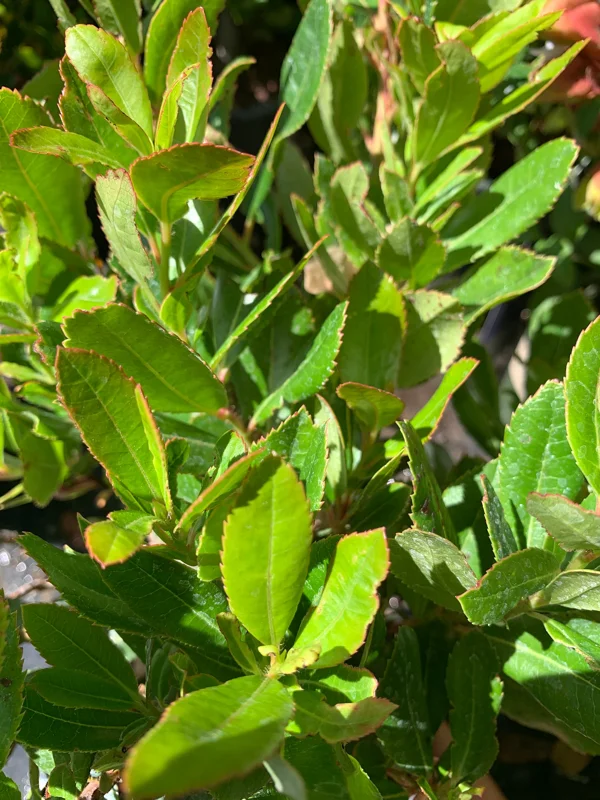
- Year-Round Visual Interest: This evergreen tree maintains its lush green foliage throughout the year, ensuring your garden remains vibrant even in colder months. It provides a consistent backdrop of color and texture.
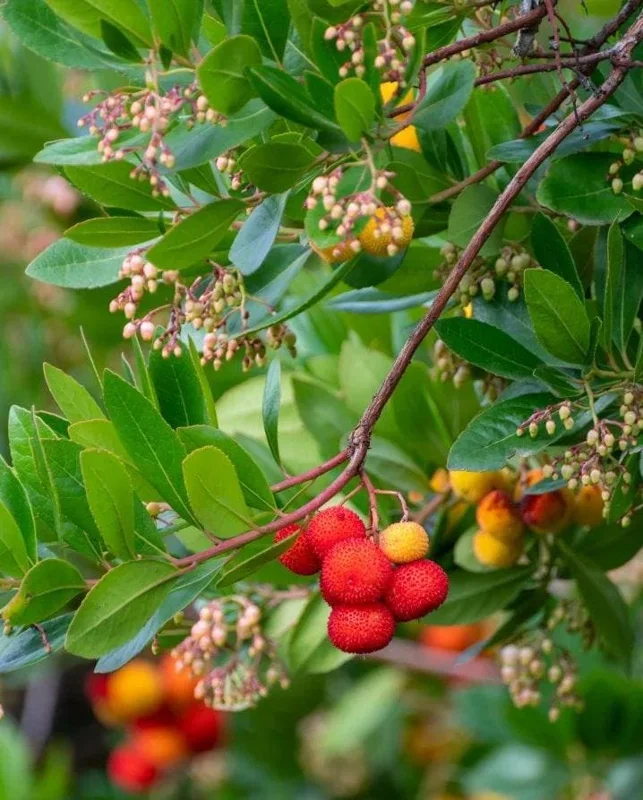
- Unique Simultaneous Blooms and Fruit: One of the most captivating features of the Arbutus Unedo live plant is its ability to produce both creamy white, bell-shaped flowers and strawberry-like red berries at the same time, typically from fall through early spring. This creates a stunning visual display.
- Attracts Pollinators and Wildlife: The flowers are a magnet for bees and butterflies, providing a crucial nectar source during cooler seasons. The ripening berries are also a favorite food source for birds, making it a truly pollinator friendly tree.
- Drought Tolerance: Once established, the Strawberry Tree plant is remarkably drought-tolerant, requiring less water than many other ornamental trees. This makes it an excellent choice for xeriscaping or water-wise gardens.
- Attractive Bark: The reddish-brown, peeling bark adds another layer of aesthetic appeal, revealing smoother, lighter bark underneath. This feature provides textural interest, especially during the winter when other plants might be dormant.
- Edible (Though Mild) Fruit: The ‘strawberry-like’ berries are edible, offering a mild, slightly gritty taste. They can be consumed fresh or used to make jams and preserves, adding a unique culinary aspect to your garden.
- Low Maintenance: After establishment, the Arbutus Unedo live plant requires minimal care, making it an ideal option for busy gardeners who desire a beautiful yet easy-to-manage specimen.
Plant Care & Growing Tips
Caring for your Arbutus Unedo live plant is relatively straightforward, ensuring it thrives and beautifies your garden for years to come. This robust evergreen prefers a location with full sun to partial shade, ideally receiving at least 6 hours of direct sunlight per day for optimal flowering and fruiting. While it tolerates some shade, too much can reduce its bloom production. Ensure it has good air circulation to prevent fungal issues.
The Strawberry Tree plant is adaptable to various soil types but absolutely thrives in well-draining soil. It prefers slightly acidic to neutral pH levels. If your soil is heavy clay, amend it with organic matter like compost or sand to improve drainage. Once established, Arbutus Unedo care primarily involves occasional watering during prolonged dry spells, as it is quite drought-tolerant. Young plants, however, will need regular watering to help them establish a strong root system. Fertilize sparingly in spring with a balanced, slow-release fertilizer if your soil is poor; otherwise, it generally does not require heavy feeding. The USDA hardiness zone for this tree typically ranges from 7-10, making it suitable for a wide range of climates.
Pruning is generally minimal for the Arbutus Unedo live plant, mostly to maintain its shape, remove dead or damaged branches, or to open up the canopy for better air circulation. It’s best to prune after the fruiting season to avoid sacrificing flowers or berries. Watch out for common pests like scale insects or aphids, and treat them with horticultural oil or insecticidal soap if necessary. Fungal diseases can occur in overly wet or humid conditions, so ensure good drainage and air flow around the plant. Proper Arbutus Unedo care will ensure a healthy and vibrant tree.
Size & Details
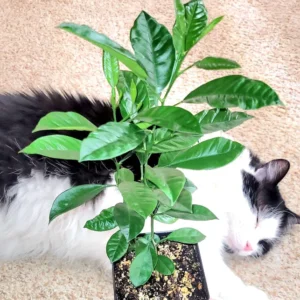
This offering is for an Arbutus Unedo live plant, commonly known as the Strawberry Tree, standing approximately 2 feet tall. It is shipped in a robust 3-gallon nursery pot, providing a well-established root system ready for planting. The Strawberry Tree plant is a moderately fast grower, eventually reaching a majestic height of up to 35 feet and a width of 35 feet, creating a significant presence in the landscape. Its growth rate allows for a noticeable development within a few years while still being manageable for garden design. Expect beautiful creamy white flowers to appear from fall through early spring, followed by distinctive red berries that mature over a year, often appearing alongside the next season’s blooms. This specimen is perfect for creating a focal point or adding structure to your garden design.
Frequently Asked Questions
- Q: How big does this Arbutus Unedo live plant get? A: The Arbutus Unedo live plant can grow quite large, typically reaching heights of 20-35 feet and spreading equally wide. Its eventual size makes it an excellent choice for a specimen tree or a large shrub in your landscape.
- Q: What size pot does it come in? A: This Strawberry Tree plant is shipped in a 3-gallon nursery pot, ensuring it has a healthy and established root system for successful transplanting into your garden or a larger container.
- Q: Is this an indoor or outdoor plant? A: The Arbutus Unedo live plant is primarily an outdoor tree, thriving in garden settings where it can reach its full potential. It is best suited for USDA Zones 7-10.
- Q: How much sunlight does the Strawberry Tree plant need? A: This tree prefers full sun to partial shade, meaning it should receive at least 6 hours of direct sunlight per day for the best flowering and fruiting. Adequate light is crucial for vibrant growth and berry production.
- Q: Is this plant easy to care for? A: Once established, the Arbutus Unedo live plant is considered relatively easy to care for and is quite drought-tolerant. Young plants will require more consistent watering to help them establish.
- Q: What condition will it arrive in? A: Your Arbutus Unedo live plant will arrive carefully packaged, healthy, and ready for planting. We take great care to ensure the plant is protected during transit.
- Q: Can I eat the berries from the Arbutus Unedo live plant? A: Yes, the berries are edible, though their flavor is often described as mild and somewhat mealy. They can be eaten fresh or used in jams and preserves.
- Q: When is the best time to plant an Arbutus Unedo? A: The best time to plant your Strawberry Tree plant is in the fall or spring when temperatures are mild. This allows the plant to establish its roots before extreme heat or cold.
- Q: Will this evergreen shrub attract wildlife? A: Absolutely! The flowers attract bees and butterflies, while the berries are a favorite food source for various bird species, making it a wonderful pollinator friendly tree.
- Q: What’s the minimum temperature this tree can tolerate? A: The Arbutus Unedo live plant is hardy in USDA Zones 7-10, meaning it can generally tolerate winter temperatures down to about 0-10°F (-18 to -12°C) once mature.


Reviews
There are no reviews yet.