
Overview
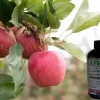
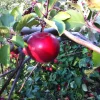
Embark on a rewarding gardening journey with the Arkansas Black Apple Tree (Malus domestica ‘Arkansas Black’). This remarkable deciduous fruit tree is renowned for its exceptional fruit quality and striking appearance. As a bare root apple tree, it offers an economical and effective way to establish a productive orchard. Known for its crisp, sweet-tart apples and distinctive deep red to almost black skin, the ‘Arkansas Black’ is a true heirloom variety that brings historical charm and delicious flavor to any garden. Ideal for home growers, this variety is celebrated for its resilience and adaptability, thriving particularly well in USDA planting zones 5-8, where it demonstrates impressive resistance to colder temperatures. Planting an Arkansas Black Apple Tree means investing in years of bountiful harvests of unique, flavorful fruit.
The ‘Arkansas Black’ is a cherished addition to any home orchard, offering both ornamental beauty and culinary delight. Its robust nature and rich history make it a favorite among fruit enthusiasts. When properly cared for, this tree can become a long-term producer of high-quality apples, perfect for fresh eating, baking, and cider. The deep color of its fruit is not only visually appealing but also indicative of its rich antioxidant content. Cultivating this heirloom apple tree allows you to enjoy a taste of history right from your backyard, providing a rewarding experience for gardeners of all levels.
Key Benefits
The Arkansas Black Apple Tree offers a multitude of benefits for the enthusiastic gardener, combining aesthetic appeal with practical yields. This robust fruit tree is a fantastic choice for those looking to add a reliable and productive specimen to their landscape.
- Exceptional Fruit Quality: Enjoy abundant harvests of crisp, sweet-tart apples. The ‘Arkansas Black’ is prized for its firm texture and complex flavor, making it a versatile apple for eating fresh, baking, and making cider.
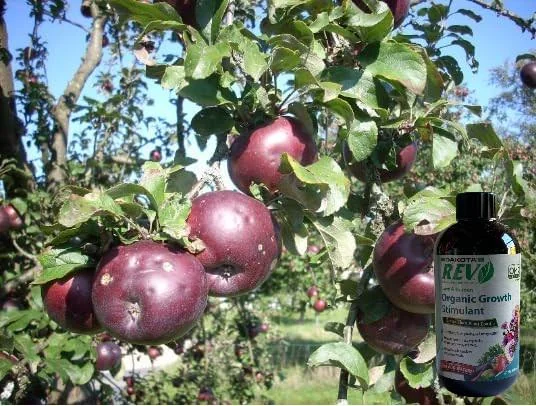
- Striking Appearance: The apples develop a beautiful deep red to almost black skin, offering a unique visual appeal that stands out in any orchard or fruit bowl. This distinct coloration adds a touch of elegance to your harvest.
- Heirloom Variety: Cultivate a piece of history with this classic heirloom apple tree. Its long-standing reputation for quality and resilience makes it a valuable addition to preserving fruit diversity.
- Cold Hardiness: This variety displays excellent resilience to colder temperatures, thriving in USDA planting zones 5-8. This makes it a reliable choice for many regions, ensuring consistent performance.
- Versatile Use: The fruit is perfect for various culinary applications, from fresh snacking to pies, sauces, and hard cider. Its rich flavor holds up well in cooking and storage.
- Long Storage Life: Arkansas Black Apple Tree apples are known for their ability to store well, often improving in flavor after a period of cold storage, allowing you to enjoy your harvest for an extended time.
- Suitable for Home Orchards: Designed for successful growth in a home orchard setting, this tree provides a rewarding experience for gardeners who wish to grow their own fruit.
Plant Care & Growing Tips
Successfully growing an Arkansas Black Apple Tree requires attention to its specific needs, ensuring a healthy tree and bountiful harvests. When planting your bare root apple tree, choose a sunny location that receives at least 6-8 hours of direct sunlight daily. Well-drained soil is crucial; apple trees do not tolerate soggy conditions. Loamy, fertile soil with a slightly acidic pH (6.0-7.0) is ideal. Amend heavy clay soils with organic matter like compost to improve drainage and aeration. Plant in late winter to early spring before new growth begins. Dig a hole twice the width of the root system and deep enough so that the graft union remains 2-3 inches above the soil line.
Consistent watering is vital, especially during the first year after planting. Provide deep watering regularly to encourage a robust root system. Once established, mature trees will need less frequent but still thorough watering, particularly during dry spells and fruit development. Fertilize in early spring and again in early summer with a balanced fertilizer formulated for fruit trees. Follow product instructions based on the tree’s age and size. Mulch around the base of the tree with 2-4 inches of organic material, keeping it a few inches away from the trunk. This helps conserve moisture, suppress weeds, and regulate soil temperature. Pruning is essential for shaping the tree, promoting fruit production, and maintaining overall health. Train young trees to develop a strong scaffold structure, and annually prune in late winter to remove dead, diseased, or crossing branches, and to open the canopy for better air circulation and sunlight penetration. Thinning fruit in late spring will result in larger, higher-quality apples and prevent limb damage.
Monitor your Arkansas Black Apple Tree for common apple pests like aphids, codling moths, and diseases such as apple scab or powdery mildew. Implement appropriate organic or chemical treatments as necessary. In colder climates, consider wrapping the trunk with protective material during winter to prevent damage from sunscald or rodent activity. Proper care will ensure your heirloom apple tree thrives and produces delicious fruit for many years, making it a valuable asset to your apple tree for home orchard.
Size & Details
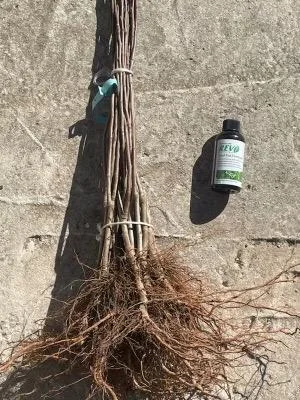
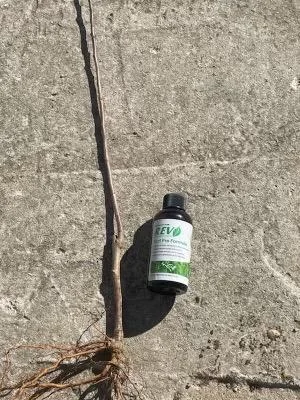
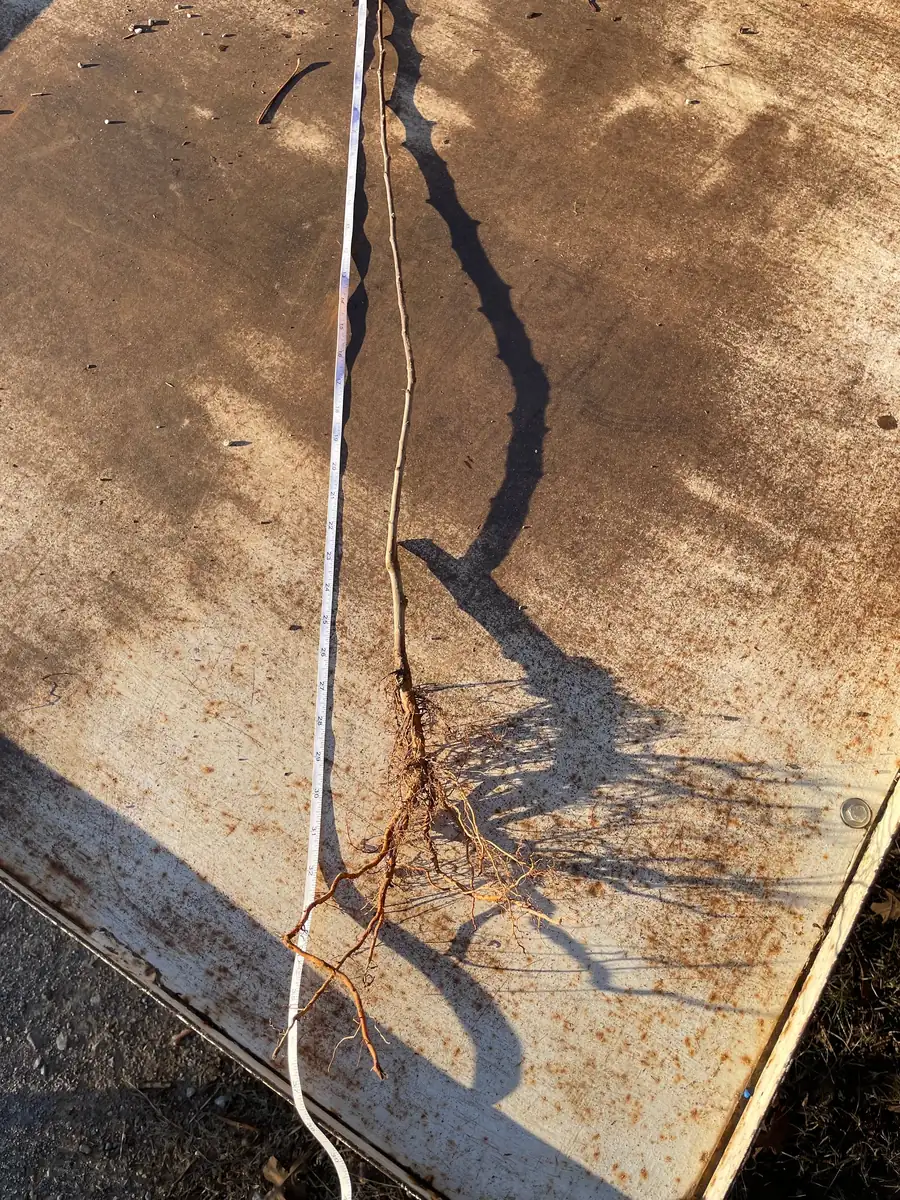
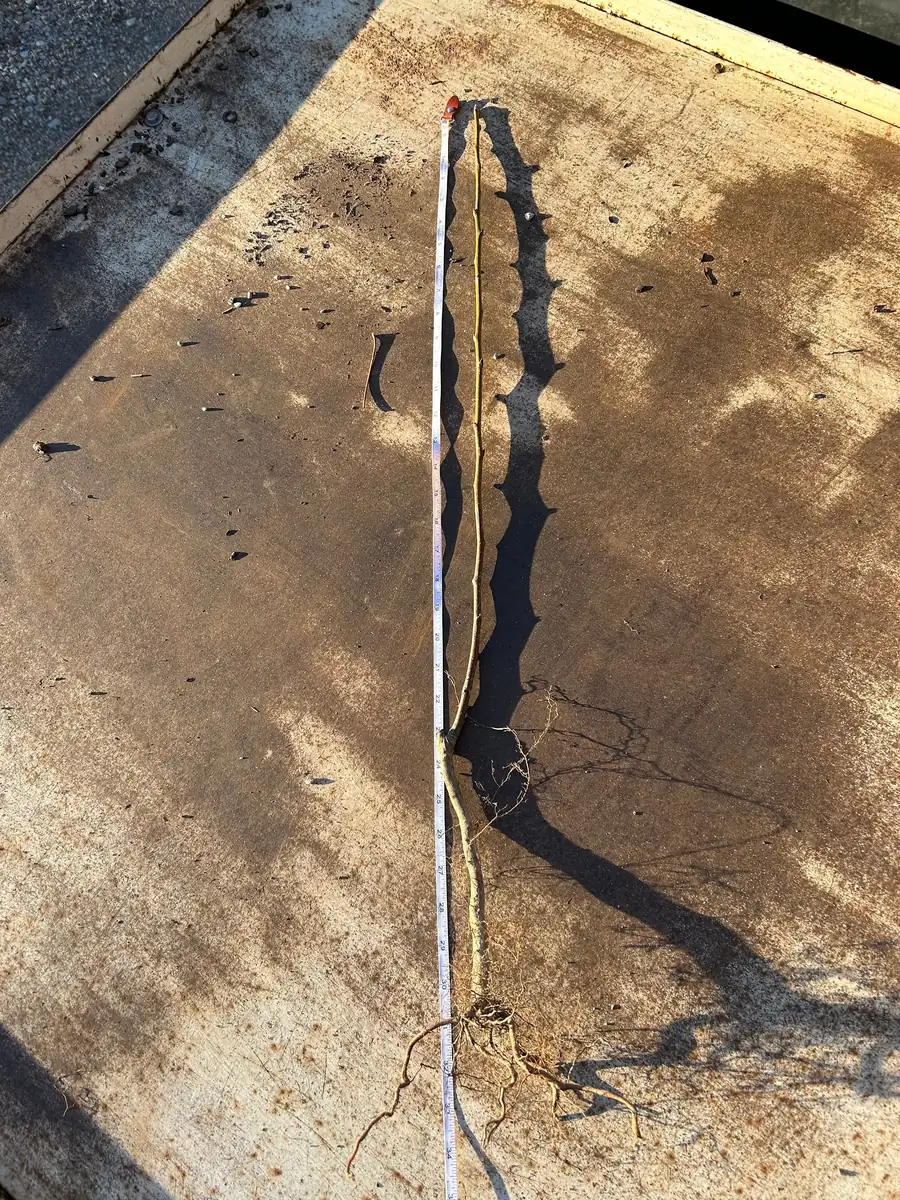
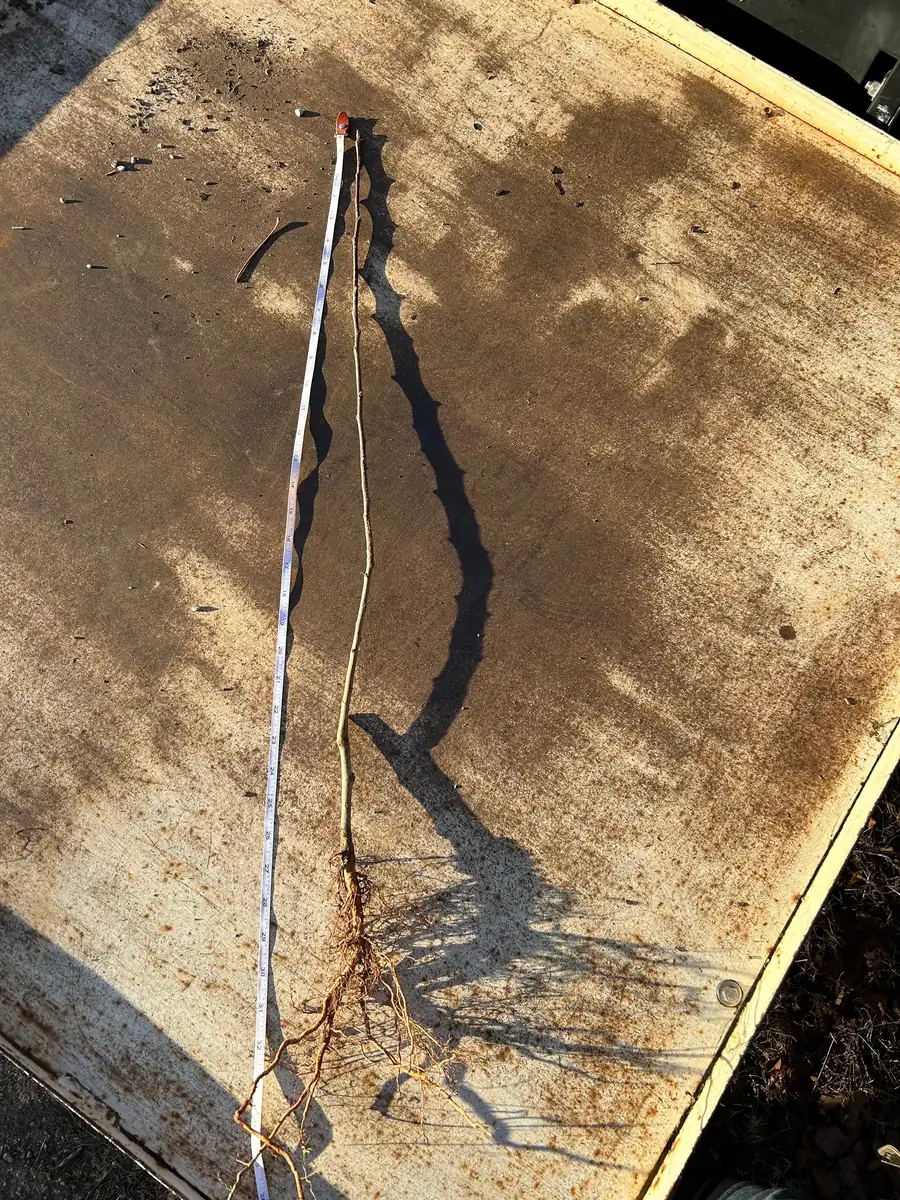
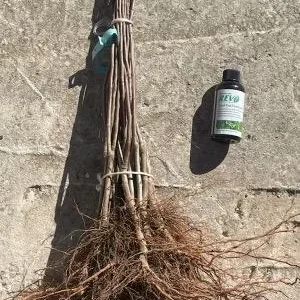
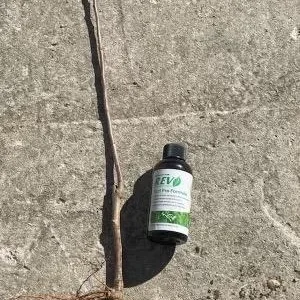
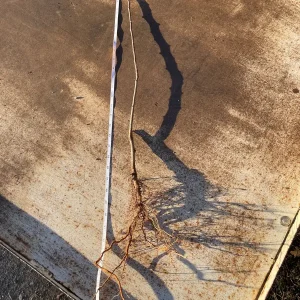
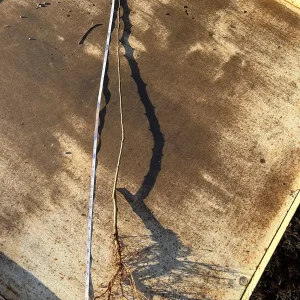
This offering is for a bare root apple tree of the ‘Arkansas Black’ variety, typically measuring between 2 to 3 feet in height upon arrival. Bare root trees are shipped without soil around their roots, making them lightweight and easy to plant. This size is ideal for establishing a young fruit tree, allowing it to acclimate to its new environment and develop a strong root system. The ‘Arkansas Black’ is known for its moderate growth rate, eventually reaching a mature height of 12-15 feet with a similar spread, making it a manageable size for most home orchards. Expect your tree to begin bearing fruit within 3-5 years after planting, with full production achieved in subsequent years.
The tree will be dormant when shipped, which is the optimal time for planting to minimize transplant shock. The mature fruit will be medium to large in size, featuring the characteristic dark red to nearly black skin and firm, yellowish flesh. This Malus domestica Arkansas Black cultivar is a self-fertile variety, meaning it can produce fruit on its own, but cross-pollination with another apple variety (such as Gala, Fuji, or Granny Smith) can significantly increase yields and fruit quality. This heirloom apple tree is a long-term investment that will provide fresh, unique apples for decades when given proper care.
Frequently Asked Questions
- Q: How big does this Arkansas Black Apple Tree get? A: This bare root apple tree typically arrives 2-3 feet tall. At maturity, an Arkansas Black Apple Tree can reach heights of 12-15 feet with a similar spread, depending on pruning and rootstock.
- Q: Is this an indoor or outdoor plant? A: The Arkansas Black Apple Tree is an outdoor fruit tree, best suited for planting in a garden or home orchard where it can receive full sunlight and adequate space to grow. It is not suitable for indoor cultivation.
- Q: How much sunlight does the Arkansas Black Apple Tree need? A: For optimal growth and fruit production, this heirloom apple tree requires at least 6-8 hours of direct sunlight per day. Choose a sunny location for planting.
- Q: Is this tree easy to care for? A: While growing an apple tree for home orchard requires some commitment to pruning, watering, and pest management, the ‘Arkansas Black’ is a relatively hardy and resilient variety, making it a good choice for dedicated home gardeners.
- Q: What condition will the bare root apple tree arrive in? A: Your bare root apple tree will arrive dormant, without leaves, and with its roots carefully packed to retain moisture. This is the ideal state for planting and ensures the tree establishes well.
- Q: When is the best time to plant an Arkansas Black Apple Tree? A: The optimal time to plant a bare root apple tree is in late winter to early spring, before the tree breaks dormancy and begins to leaf out. This allows the roots to establish before the stress of summer heat.
- Q: Will it survive winter in my zone? A: The Arkansas Black Apple Tree is cold-hardy and thrives in USDA planting zones 5-8. If your zone falls within this range, it should survive winter well with proper care.
- Q: Does this Malus domestica Arkansas Black variety require a pollinator? A: While the ‘Arkansas Black’ is considered partially self-fertile, planting another apple variety nearby for cross-pollination will significantly improve fruit set and overall yield, ensuring a more abundant harvest from your apple tree for home orchard.
- Q: What kind of soil is best for this heirloom apple tree? A: This tree prefers well-drained, fertile, loamy soil with a slightly acidic pH (6.0-7.0). Good drainage is critical to prevent root rot.
- Q: How long until it produces apples? A: You can typically expect your Arkansas Black Apple Tree to begin bearing fruit in 3-5 years after planting, with yields increasing as the tree matures.


Reviews
There are no reviews yet.