Overview
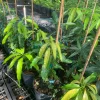
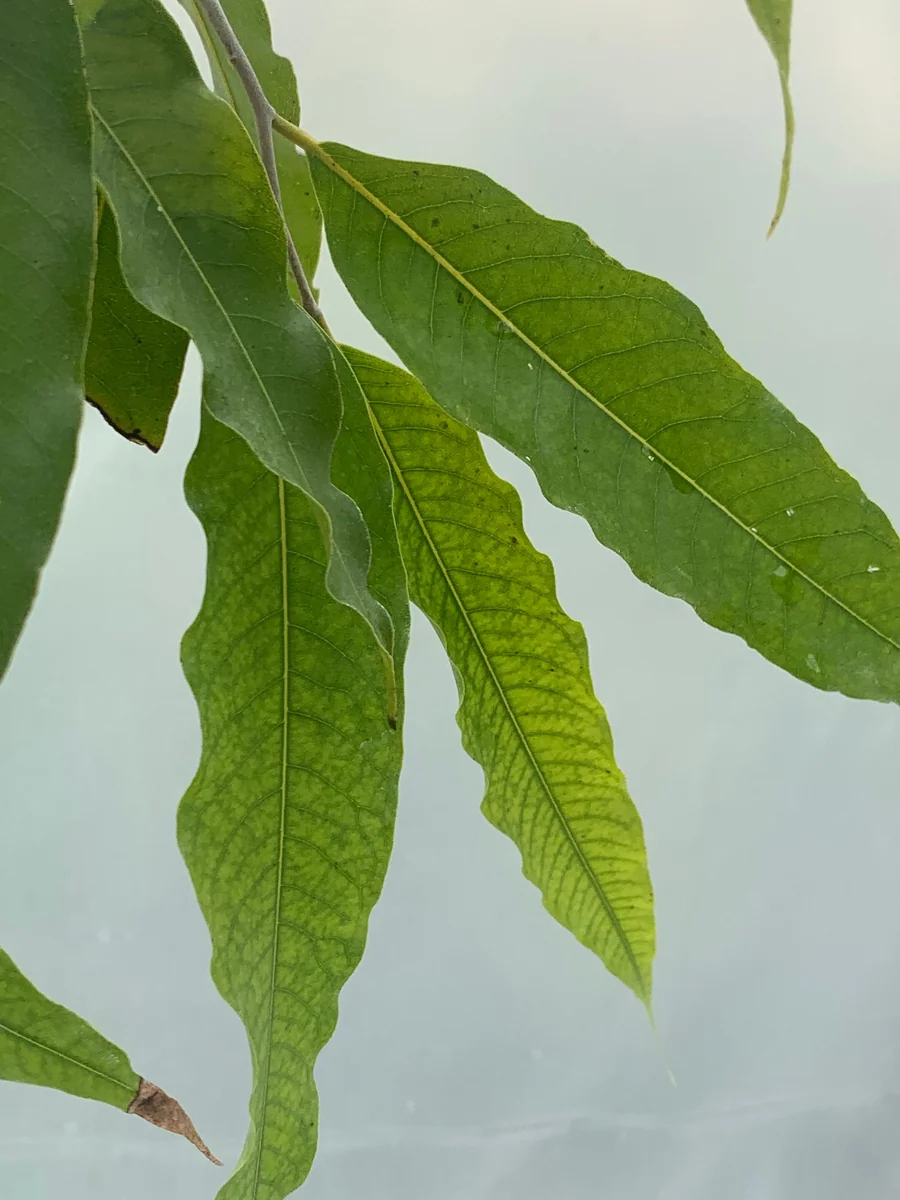
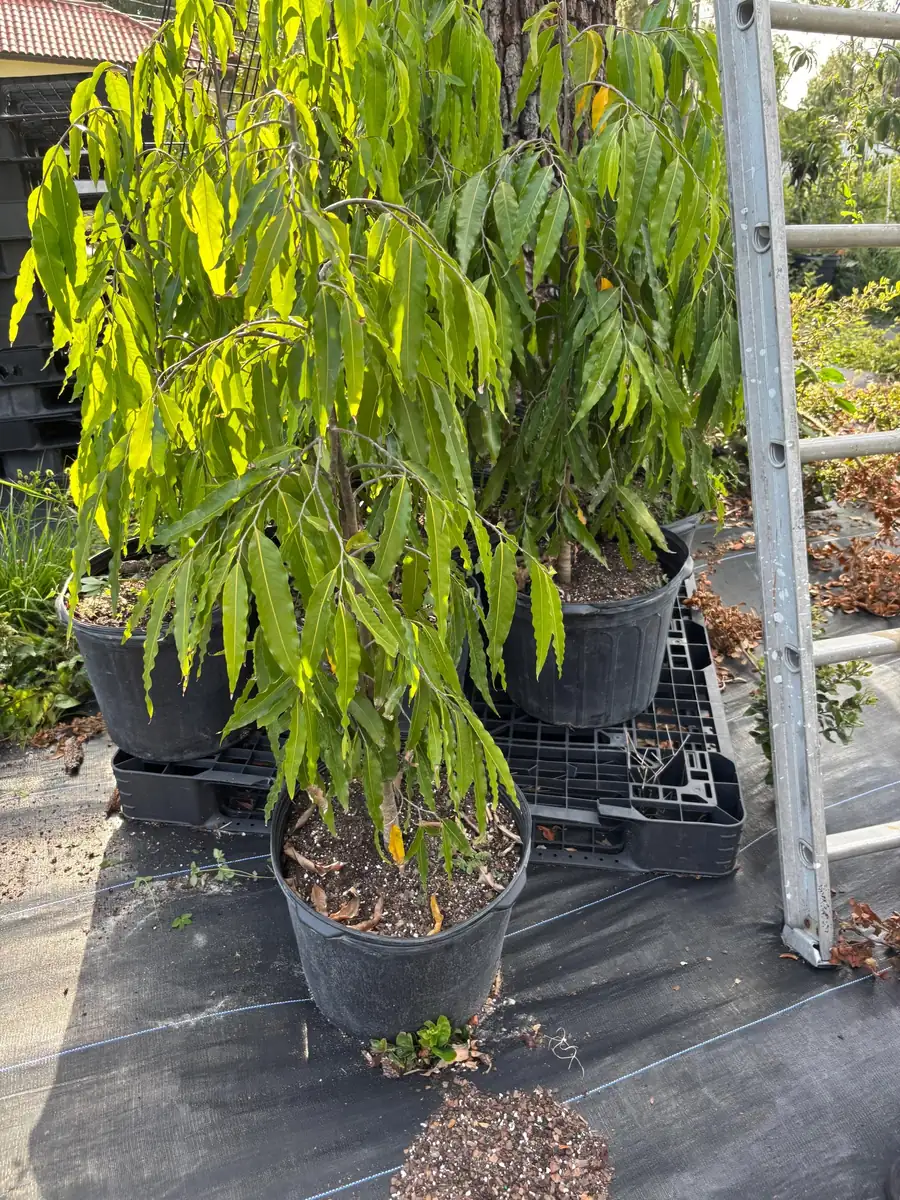
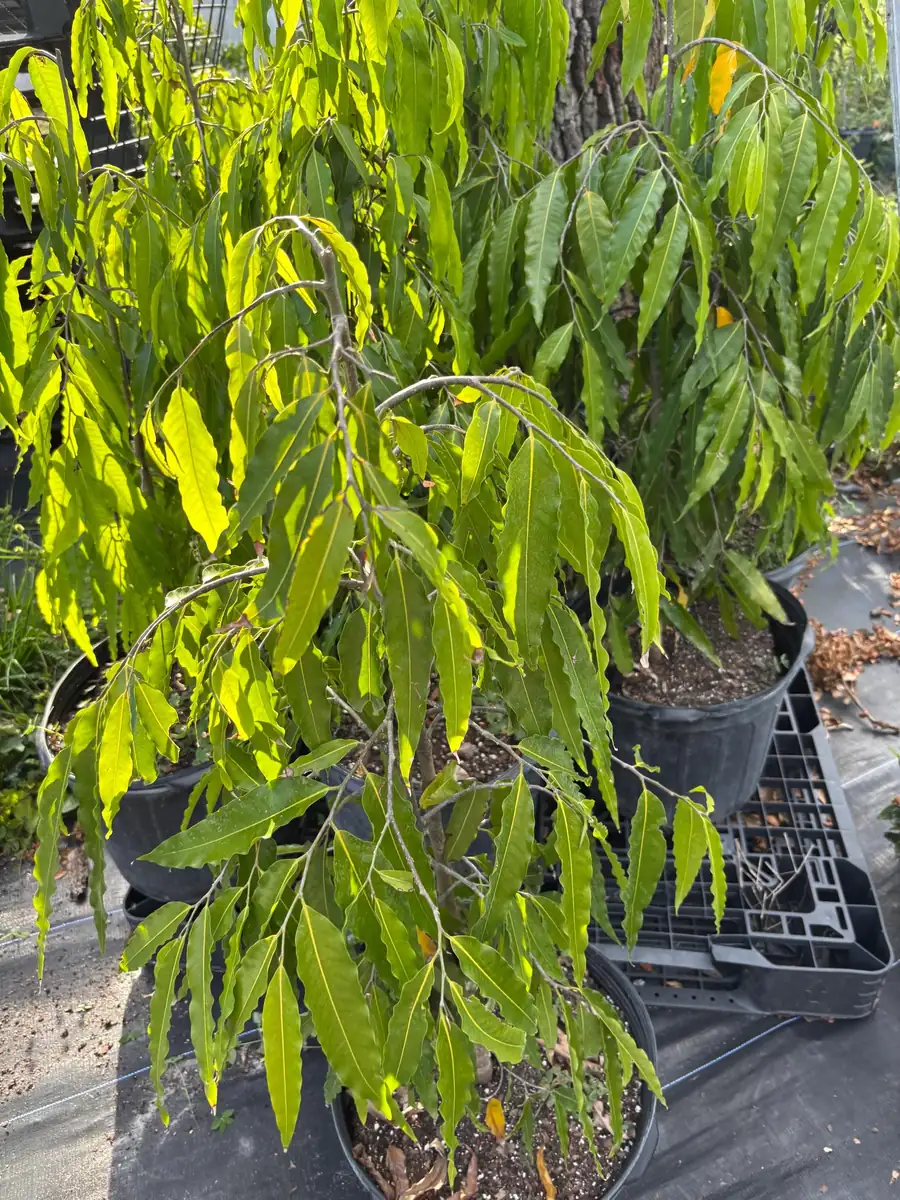
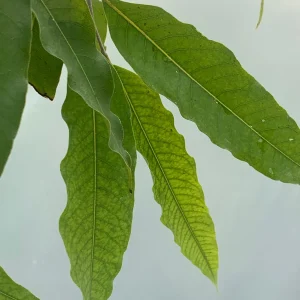
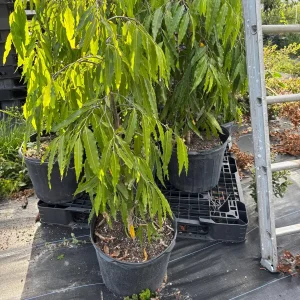
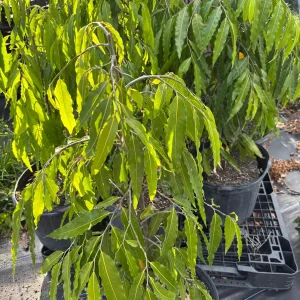
Introduce an elegant and historically significant specimen to your garden with the Ashoka Tree live plant. Scientifically known as Polyalthia longifolia, this remarkable tree is presented here as a healthy, thriving plant, approximately 30 inches tall and rooted in a 1-gallon pot. The Ashoka Tree live plant is renowned for its distinctive tall, slender form and graceful, weeping branches adorned with long, narrow, glossy green leaves. While primarily grown for its ornamental value, the Ashoka tree also holds a revered place in traditional practices, often associated with various medicinal properties. Its serene presence and unique aesthetic make it a focal point in any landscape, particularly in tropical and subtropical regions. This particular specimen is ready to be transplanted into your garden or a larger container, promising to grow into a magnificent mature tree.
The Polyalthia longifolia, often simply called False Ashoka or Indian Mast Tree, is a popular choice for avenues and parks due to its upright growth habit and ability to thrive in various conditions. It’s a fast-growing, evergreen tree that provides dense shade and a calming atmosphere. Beyond its visual appeal, the Ashoka tree has been traditionally valued for its bark, leaves, and flowers in various herbal remedies. Owning an Ashoka Tree live plant means investing in a piece of living history and natural beauty that will enhance your outdoor space for years to come.
Key Benefits
The Ashoka Tree live plant offers a multitude of benefits, combining aesthetic appeal with practical and traditional values. Its unique characteristics make it a desirable choice for many gardeners and homeowners.
- Stunning Ornamental Value: The Polyalthia longifolia boasts a distinctive, columnar growth habit with gracefully drooping branches, making it an excellent choice for creating natural screens, avenues, or as a striking standalone specimen. Its lush, glossy green foliage provides year-round beauty.
- Air Purification: Like many trees, the Ashoka Tree live plant contributes to a healthier environment by absorbing carbon dioxide and releasing oxygen, improving air quality in its surroundings.
- Low Maintenance: Once established, this tree is relatively easy to care for, requiring minimal pruning and being quite drought-tolerant, making it suitable for busy gardeners.
- Traditional Medicinal Uses: Historically, various parts of the Ashoka tree, including its bark, leaves, and flowers, have been utilized in traditional medicine for their purported health benefits. The bark is particularly noted in some cosmetic applications.
- Fast Growing: The Ashoka Tree live plant is known for its relatively fast growth rate, allowing you to quickly enjoy its mature beauty and benefits.
- Sound Barrier: Its dense foliage can act as a natural sound barrier, helping to reduce noise pollution from busy streets or neighbors, creating a more tranquil outdoor space.
- Attracts Wildlife: Though not a primary pollinator, its flowers, which emerge in spring, can attract various insects, contributing to local biodiversity.
Plant Care & Growing Tips
Caring for your Ashoka Tree live plant is straightforward, ensuring it thrives and reaches its full potential as a majestic ornamental tree. Proper care will help maintain its elegant form and vibrant foliage. Understanding the specific needs of Ashoka tree care is crucial for its long-term health.
The Ashoka Tree live plant prefers a location with full sun to partial shade. In hotter climates, some afternoon shade can be beneficial to protect its leaves from scorching. Aim for at least 6 hours of direct sunlight daily for optimal growth. It thrives in warm, humid environments and is not tolerant of frost. Ensure the soil is well-draining, as waterlogged conditions can lead to root rot. A rich, loamy soil with a slightly acidic to neutral pH (6.0-7.0) is ideal. When planting in a pot, use a high-quality potting mix formulated for trees or shrubs, ensuring good drainage.
Water your Polyalthia longifolia regularly, especially during its establishment period and dry spells. The soil should be kept consistently moist but not soggy. Reduce watering frequency during cooler months. Fertilize your Ashoka Tree live plant with a balanced, slow-release fertilizer in spring and late summer to encourage healthy growth. Pruning is generally minimal, mainly to maintain its desired shape, remove any dead or damaged branches, or to encourage a denser canopy. This tree is relatively pest and disease resistant, but keep an eye out for common garden pests and treat as necessary. The USDA hardiness zones for optimal growth are typically 10-11, though it can be grown in Zone 9 with proper winter protection.
Size & Details
This offering is for one healthy Ashoka Tree live plant, specifically the Polyalthia longifolia variety. The plant stands approximately 30 inches tall from the base of the pot to the tip of its tallest leaf. It is supplied in a 1-gallon nursery pot, providing ample space for its current root system to develop before transplanting. The tree exhibits a strong, upright central leader and a developing canopy of its characteristic long, undulated leaves. The growth rate of the Ashoka Tree live plant is considered moderate to fast, allowing it to quickly establish and begin to form its mature, columnar shape, which can eventually reach heights of 30-50 feet in ideal conditions when planted in the ground.
When you receive your tropical garden tree, it will be a well-rooted specimen, ready for immediate planting in a larger container or directly into your garden landscape. Its elegant form and vibrant green foliage will provide an instant touch of exotic beauty. Expect the tree to continue growing steadily, adding several inches to a foot in height annually under good care. While flowers are not the primary feature, mature trees will produce small, star-shaped, pale green to yellow flowers in clusters, typically in spring, which are often hidden by the dense foliage. This Polyalthia longifolia specimen is a fantastic start to cultivating a majestic and beneficial tree in your environment.
Frequently Asked Questions
- Q: How big does this Ashoka Tree live plant get? A: This particular Ashoka Tree live plant is approximately 30 inches tall when shipped in a 1-gallon pot. When planted in the ground and given optimal conditions, a mature Ashoka Tree (Polyalthia longifolia) can reach impressive heights of 30-50 feet, maintaining its narrow, columnar form.
- Q: Is this an indoor or outdoor plant? A: The Ashoka Tree live plant is primarily an outdoor tree best suited for tropical and subtropical climates. It can be grown in large containers indoors in colder regions, provided it receives sufficient light and warmth, though it will likely not reach its full mature size.
- Q: How much sunlight does the Ashoka tree need? A: For the best growth and health, the Polyalthia longifolia prefers full sun, meaning at least 6 hours of direct sunlight per day. In very hot climates, some afternoon shade can be beneficial to prevent leaf scorch.
- Q: What condition will my Ashoka Tree live plant arrive in? A: Your Ashoka Tree live plant will arrive as a healthy, well-rooted specimen in a 1-gallon nursery pot. We ensure it is carefully packaged to minimize stress during transit, though some minor leaf discoloration or shedding can occur due to shipping conditions.
- Q: Is this plant easy to care for? A: Yes, Ashoka tree care is considered relatively easy once established. It’s drought-tolerant and requires minimal pruning, making it a good choice for both experienced and novice gardeners looking for a striking tropical garden tree.
- Q: When is the best time to plant an Ashoka Tree? A: The best time to plant your Ashoka Tree live plant is in the spring or early summer, allowing it ample time to establish its root system before cooler weather arrives. If planting in a container, it can be done year-round indoors.
- Q: Will it survive winter in my zone? A: The Polyalthia longifolia is sensitive to frost and cold. It thrives in USDA Hardiness Zones 10-11. If you are in Zone 9 or colder, you will need to provide winter protection or grow it in a container that can be moved indoors during cold periods.
- Q: What kind of soil does the Ashoka Tree prefer? A: This medicinal tree prefers well-draining, fertile soil with a slightly acidic to neutral pH. A good quality potting mix or garden soil amended with organic matter will provide the best growing conditions.
- Q: Does the Ashoka Tree have showy flowers? A: While the Ashoka Tree does produce flowers, they are small, star-shaped, pale green to yellow, and often hidden by the dense foliage. They are not typically considered showy in the way other flowering trees might be, but they add to the tree’s overall charm and traditional significance.
- Q: What are the traditional uses of the Ashoka tree? A: The Ashoka Tree live plant has a long history in traditional practices. Its bark is often used in herbal remedies, and in some cultures, it’s believed to have cosmetic benefits for improving skin complexion. The leaves and dried flowers also hold traditional value for various purposes.


Reviews
There are no reviews yet.