Overview
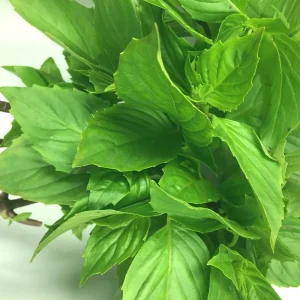
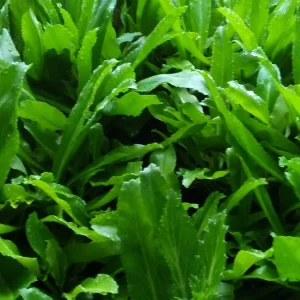
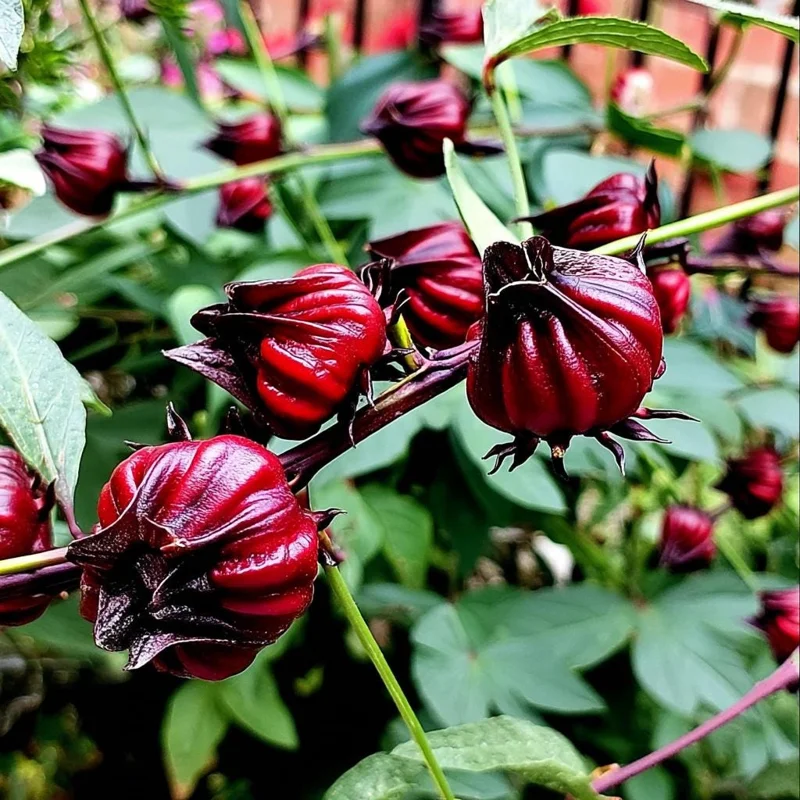
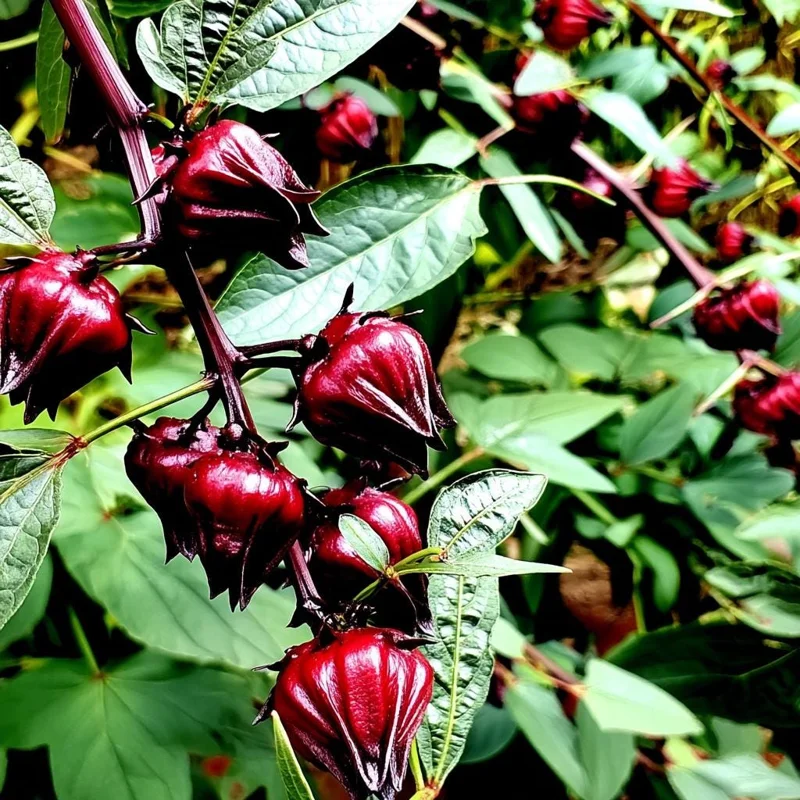
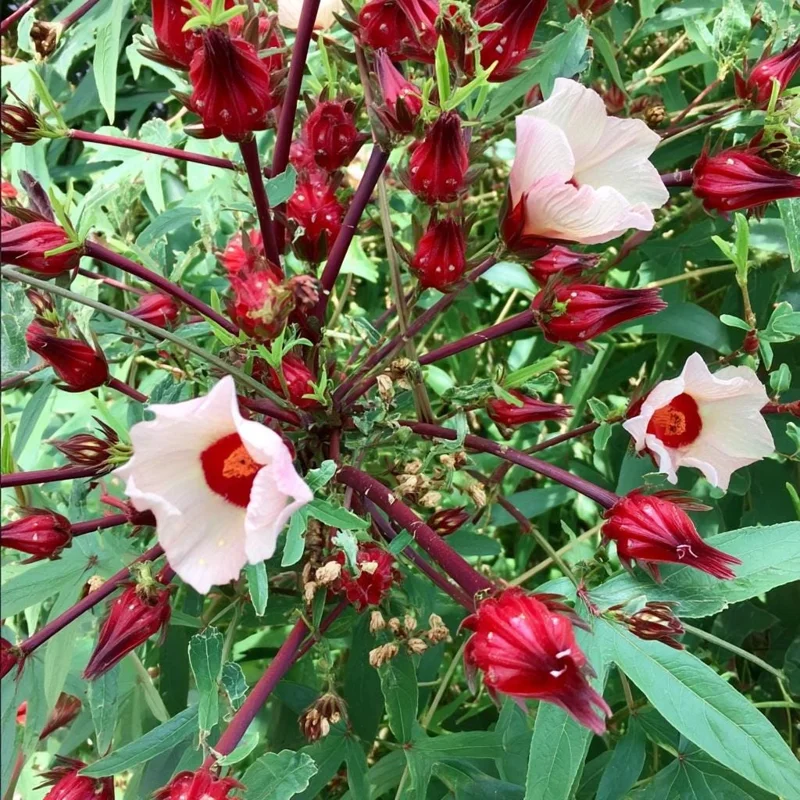
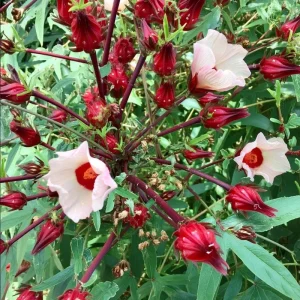
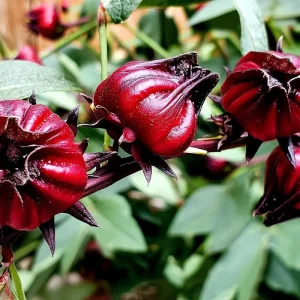
Embark on a delightful gardening journey with Asian Sour Leaf Roselle Hibiscus seeds. This unique variety, scientifically known as Hibiscus sabdariffa, is celebrated for its distinctive tangy leaves and beautiful, vibrant red calyces. These edible hibiscus seeds offer the opportunity to cultivate a robust and heat-tolerant plant that thrives in various garden settings, from garden beds to containers. The Roselle Hibiscus is not only ornamental but also highly prized for its culinary versatility, making it a valuable addition to any home garden. Its vigorous growth habit and adaptability ensure a rewarding experience for gardeners looking to grow Roselle Hibiscus.
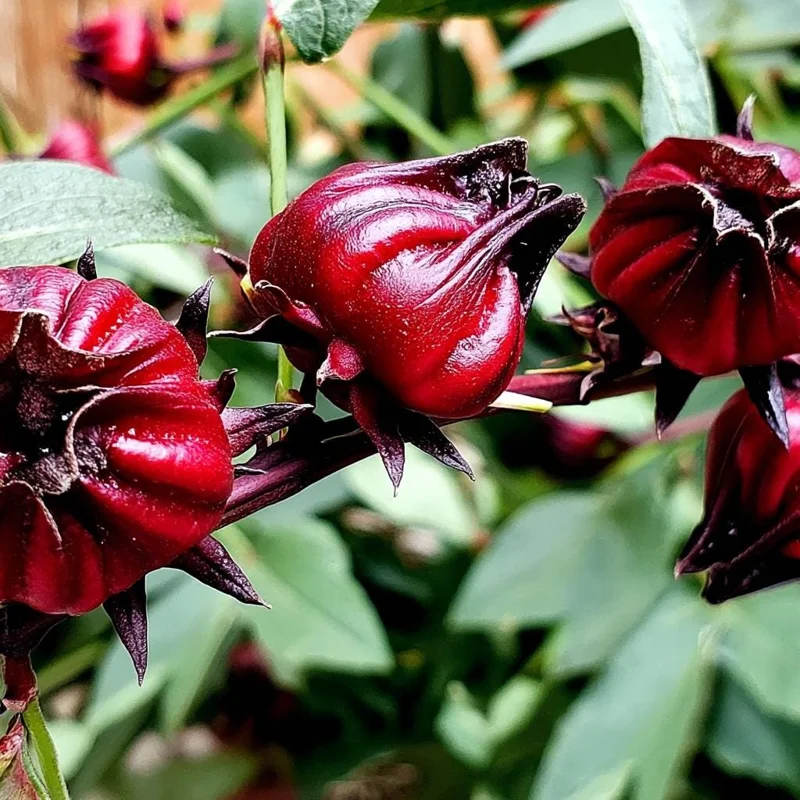
These Asian Sour Leaf Roselle Hibiscus seeds are perfect for those seeking an edible plant that can withstand warm climates. The resulting plants produce an abundance of nutritious leaves, which are excellent for teas, salads, and jams. The striking red calyces, often used in drinks and jellies, add a splash of color and flavor. Whether you’re an experienced gardener or just starting, growing this edible hibiscus from seed is a fulfilling endeavor that brings both beauty and utility to your outdoor space, enhancing your culinary adventures with fresh, homegrown ingredients.
Key Benefits
Cultivating Asian Sour Leaf Roselle Hibiscus seeds offers a multitude of advantages for both your garden and your kitchen. This versatile plant provides a continuous supply of fresh, edible components and adds aesthetic value, making it a truly rewarding addition for anyone interested in healthy eating and gardening.
- Culinary Versatility: The tangy leaves are perfect for adding a zesty flavor to salads, while the vibrant red calyces are ideal for making refreshing teas, jams, jellies, and sauces. Enjoy the unique flavor profile this plant brings to your dishes. These edible hibiscus seeds provide ingredients for a wide array of recipes.
- Heat Tolerance: Specially adapted to warm climates, this hibiscus variety thrives in sunny conditions, making it an excellent choice for gardens in regions with extended periods of heat where other plants might struggle.
- Nutritional Value: Both the leaves and calyces are rich in vitamins and antioxidants, offering a healthy boost to your diet. Incorporate them into your meals for their beneficial properties, supporting your overall well-being.
- Vibrant Garden Addition: The striking red calyces and lush green foliage create an attractive display in any garden, drawing attention with their unique beauty.
- Vigorous Growth: Known for its strong and adaptable growth, the Roselle Hibiscus quickly establishes itself, providing a bountiful harvest within a single growing season. This makes it easy to grow Roselle Hibiscus successfully.
- Easy to Grow from Seed: With straightforward sowing and care instructions, even novice gardeners can successfully grow Roselle Hibiscus and enjoy its many benefits, making gardening accessible to all.
- Container Friendly: This adaptable plant can be grown successfully in containers, making it suitable for patios, balconies, and smaller garden spaces, allowing flexibility in garden design.
Plant Care & Growing Tips
Proper care is essential to maximize your harvest and ensure vigorous growth when you grow Roselle Hibiscus from Asian Sour Leaf Roselle Hibiscus seeds. These plants are relatively low-maintenance but benefit from consistent attention to their needs, ensuring a bountiful yield of delicious leaves and calyces. Understanding good Roselle Hibiscus care is key to a successful harvest.
Sunlight Requirements: Roselle hibiscus thrives in full sun, requiring at least 6-8 hours of direct sunlight per day. Choose a location in your garden that receives ample sun exposure throughout the day. For optimal growth and calyx production, avoid overly shaded areas. Watering Schedule & Soil Moisture: Consistent moisture is crucial for healthy Roselle plants. Water regularly, especially during dry spells, to keep the soil evenly moist but not waterlogged. Allow the top inch of soil to dry slightly between waterings. Good drainage is vital to prevent root rot. Soil Type & Drainage: This plant prefers fertile, well-drained soil. A sandy loam enriched with organic matter is ideal. Ensure your garden bed or container has excellent drainage to prevent standing water, which can harm the roots. If planting in pots, use a high-quality potting mix. These conditions are vital for healthy Hibiscus sabdariffa seeds to thrive.
Temperature Range & USDA Hardiness Zone: Roselle hibiscus is a heat-loving plant. It performs best in warm temperatures and is generally grown as an annual in most US climates. It is particularly suited for USDA zones 9-11 if grown as a perennial, but can be successfully grown as an annual in cooler zones. Protect from frost. Fertilization Schedule & Type: Fertilize lightly throughout the growing season to support strong leaf and calyx development. A balanced, all-purpose fertilizer or a compost tea can be applied every 4-6 weeks. Avoid over-fertilizing, which can lead to excessive foliage at the expense of calyx production. Common Problems & Solutions: While generally robust, watch for common garden pests like aphids or spider mites. Treat with organic insecticidal soap if necessary. Ensure good air circulation to prevent fungal issues. Proper spacing and watering practices can help mitigate many problems when focusing on Roselle Hibiscus care.
Size & Details
This package contains 20 Asian Sour Leaf Roselle Hibiscus seeds, providing a generous quantity to start your garden. Each seed holds the potential to grow into a robust plant, typically reaching heights of 3 to 7 feet, depending on growing conditions and climate. The plants exhibit a bushy growth habit, spreading approximately 2 to 4 feet wide. When grown from these edible hibiscus seeds, the first harvest of leaves can often occur within 60-90 days, with calyx production following later in the season, usually 3-4 months after planting. The seeds should be sown indoors 6-8 weeks before the last frost or directly outdoors once the danger of frost has passed. Transplant seedlings 12-18 inches apart to allow for ample growth and air circulation. The plants will arrive as fresh, viable seeds, ready for planting to begin your journey of Roselle Hibiscus care.
Frequently Asked Questions
- Q: How big does the Asian Sour Leaf Roselle Hibiscus plant get? A: When grown from Asian Sour Leaf Roselle Hibiscus seeds, the plant typically reaches a height of 3 to 7 feet and can spread 2 to 4 feet wide, depending on growing conditions and climate.
- Q: Is this an indoor or outdoor plant? A: Roselle Hibiscus is primarily an outdoor plant, thriving in full sun. In colder climates, it is grown as an annual, but it can be grown year-round in USDA zones 9-11.
- Q: How much sunlight does it need? A: For optimal growth and calyx production, Roselle Hibiscus requires at least 6-8 hours of direct sunlight daily. Ensure it’s planted in a sunny spot. This is crucial when you grow Roselle Hibiscus.
- Q: Is this plant easy to care for? A: Yes, Roselle Hibiscus care is relatively straightforward. It’s known for its vigorous growth and heat tolerance, making it suitable for both experienced and beginner gardeners.
- Q: What condition will the seeds arrive in? A: You will receive 20 Asian Sour Leaf Roselle Hibiscus seeds in a sealed packet, ready for planting. They are fresh and viable, provided they are stored correctly before sowing.
- Q: Can I use the leaves and calyces in cooking? A: Absolutely! The leaves are tangy and great for salads and teas, while the vibrant red calyces are excellent for jams, jellies, sauces, and refreshing drinks. These are truly edible hibiscus seeds.
- Q: When is the best time to plant these seeds? A: Sow seeds indoors 6-8 weeks before the last frost date, or directly outdoors after all danger of frost has passed in your area.
- Q: Will the Roselle Hibiscus survive winter in my zone? A: Roselle Hibiscus is a tropical plant. It will survive winter outdoors as a perennial only in USDA zones 9-11. In colder zones, it is typically grown as an annual.
- Q: How long until I can harvest the leaves and calyces? A: You can typically start harvesting leaves within 60-90 days of planting. The calyces usually develop later in the season, about 3-4 months after planting the Hibiscus sabdariffa seeds.
- Q: What kind of soil is best for Roselle Hibiscus? A: Roselle Hibiscus prefers fertile, well-drained soil rich in organic matter. Good drainage is crucial to prevent waterlogging and ensure healthy root development.


Reviews
There are no reviews yet.